Where to go in Kruger National Park is one of the most common and important questions asked by travelers planning a safari in South Africa. Due to the sheer size of the park and the diversity of landscapes, wildlife densities, and experiences, choosing where to focus a visit can significantly shape the overall safari experience. Kruger National Park stretches nearly 360 kilometers from north to south and offers an extraordinary range of ecosystems, each with its own character, rhythm, and rewards.
Understanding where to go in Kruger National Park is not about identifying a single “best” place, but rather about aligning personal travel goals with the unique attributes of each region. Some areas are known for high concentrations of predators, others for scenic beauty, rare species, birdlife, or quieter, more remote wilderness encounters. This guide explores the park region by region, providing clarity and depth for travelers seeking to make informed decisions.
By examining the southern, central, northern, and western sections of Kruger National Park, as well as its rest camps, rivers, and wilderness zones, this article offers a comprehensive answer to where to go in Kruger National Park and why each area holds distinct value.
Understanding the Regions of Kruger National Park
To fully grasp where to go in Kruger National Park, it is essential to understand how the park is geographically and ecologically structured. Kruger is broadly divided into southern, central, and northern regions, each influenced by different rainfall patterns, vegetation types, and animal distributions. These variations directly affect wildlife sightings and the overall safari atmosphere.
The southern region is more densely populated with animals and visitors, offering frequent sightings and well-developed infrastructure. The central region is characterized by expansive savannahs and large herds of grazing animals, while the northern region is more rugged, remote, and botanically rich, attracting travelers seeking solitude and unique species.
Each region answers the question of where to go in Kruger National Park in a different way, depending on whether the priority is abundance, scenery, rarity, or tranquility.
Where to Go in Kruger National Park for First-Time Visitors
For first-time visitors, where to go in Kruger National Park is often best answered by focusing on the southern region. This area consistently delivers high wildlife densities, making it ideal for those eager to experience iconic safari sightings within a limited timeframe.
The southern section of Kruger National Park benefits from higher rainfall and nutrient-rich soils, which support lush vegetation and a large prey base. As a result, predators such as lions, leopards, and hyenas are frequently encountered. The proximity of multiple rivers further enhances wildlife viewing, particularly during the dry season when animals gather near water sources.
First-time visitors often appreciate the well-maintained road networks, numerous rest camps, and accessibility from major entry gates. These factors combine to make the southern region an excellent introduction to where to go in Kruger National Park.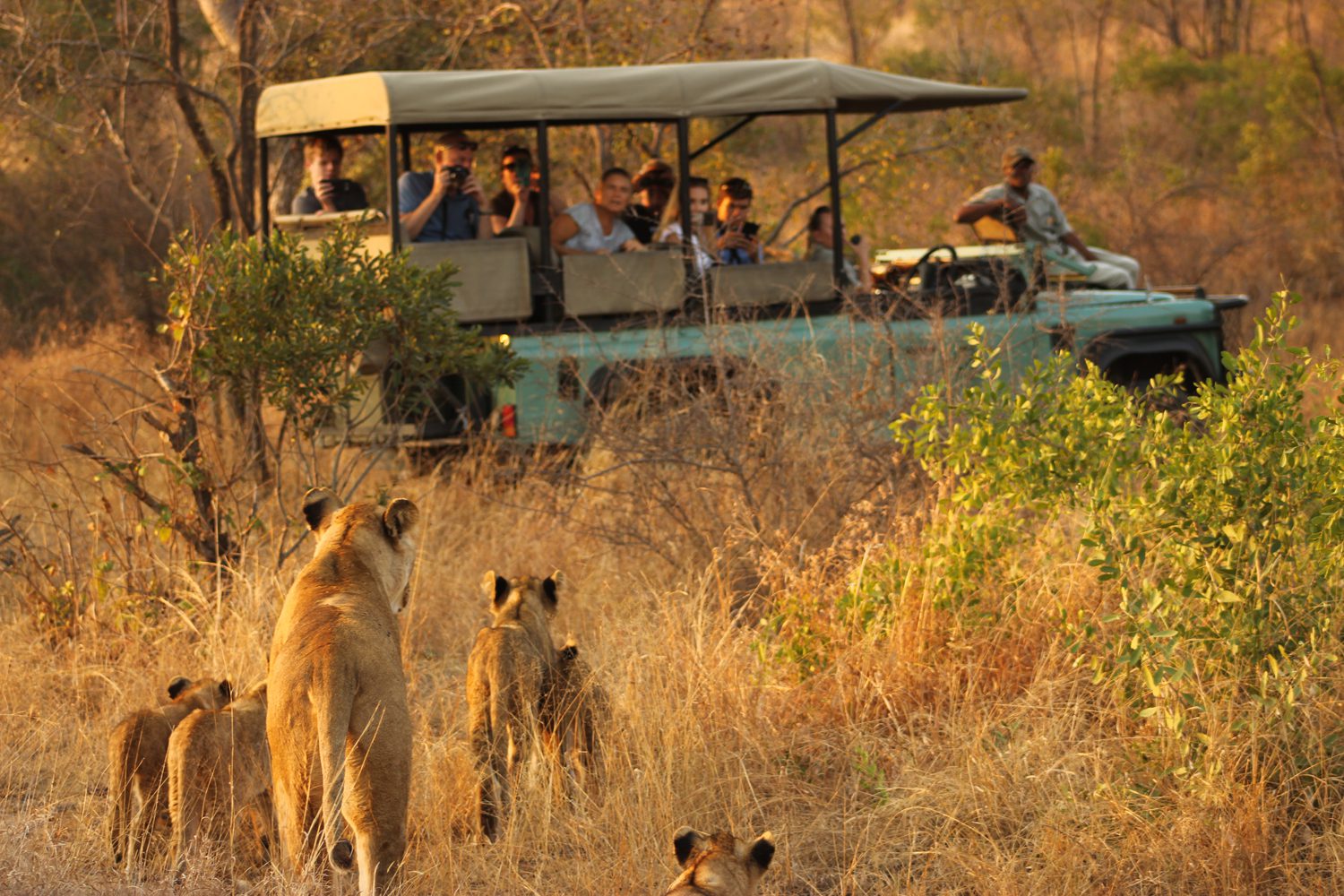
Skukuza and Surrounding Areas
Skukuza is the largest rest camp in Kruger National Park and a central hub for the southern region. When considering where to go in Kruger National Park, Skukuza and its surrounding areas are frequently recommended due to their exceptional game viewing and infrastructure.
Located along the Sabie River, Skukuza benefits from a constant water supply that attracts a wide variety of animals year-round. The riverbanks are particularly productive for sightings of elephants, buffalo, hippos, crocodiles, and predators that follow prey movements.
The surrounding road network provides access to diverse habitats within short driving distances, making Skukuza an efficient base for exploring where to go in Kruger National Park without extensive travel times.
Lower Sabie and the Sabie River Corridor
Another key answer to where to go in Kruger National Park lies along the Sabie River, particularly around Lower Sabie rest camp. This area is renowned for its scenic beauty and consistently high wildlife activity.
The Sabie River corridor supports dense vegetation, which in turn sustains large herbivore populations. Predators are drawn to these concentrations, resulting in frequent lion and leopard sightings. The combination of water, grasslands, and woodland makes this one of the most biologically productive areas in the park.
Lower Sabie offers a more intimate atmosphere than Skukuza while still providing excellent amenities. For travelers asking where to go in Kruger National Park for both scenery and action, this area stands out.
Where to Go in Kruger National Park for Big Cats
For those specifically focused on predator sightings, where to go in Kruger National Park often points toward the southern and central regions. The abundance of prey species in these areas creates ideal hunting grounds for lions, leopards, and cheetahs.
The open plains between Satara and Orpen are particularly well known for lion prides and cheetah activity. These grasslands allow for clear visibility, increasing the chances of observing hunting behavior and social interactions.
Leopard sightings, while more elusive, are frequently reported along river systems such as the Sabie and Olifants rivers. Travelers prioritizing big cats will find that understanding where to go in Kruger National Park significantly enhances the likelihood of memorable encounters.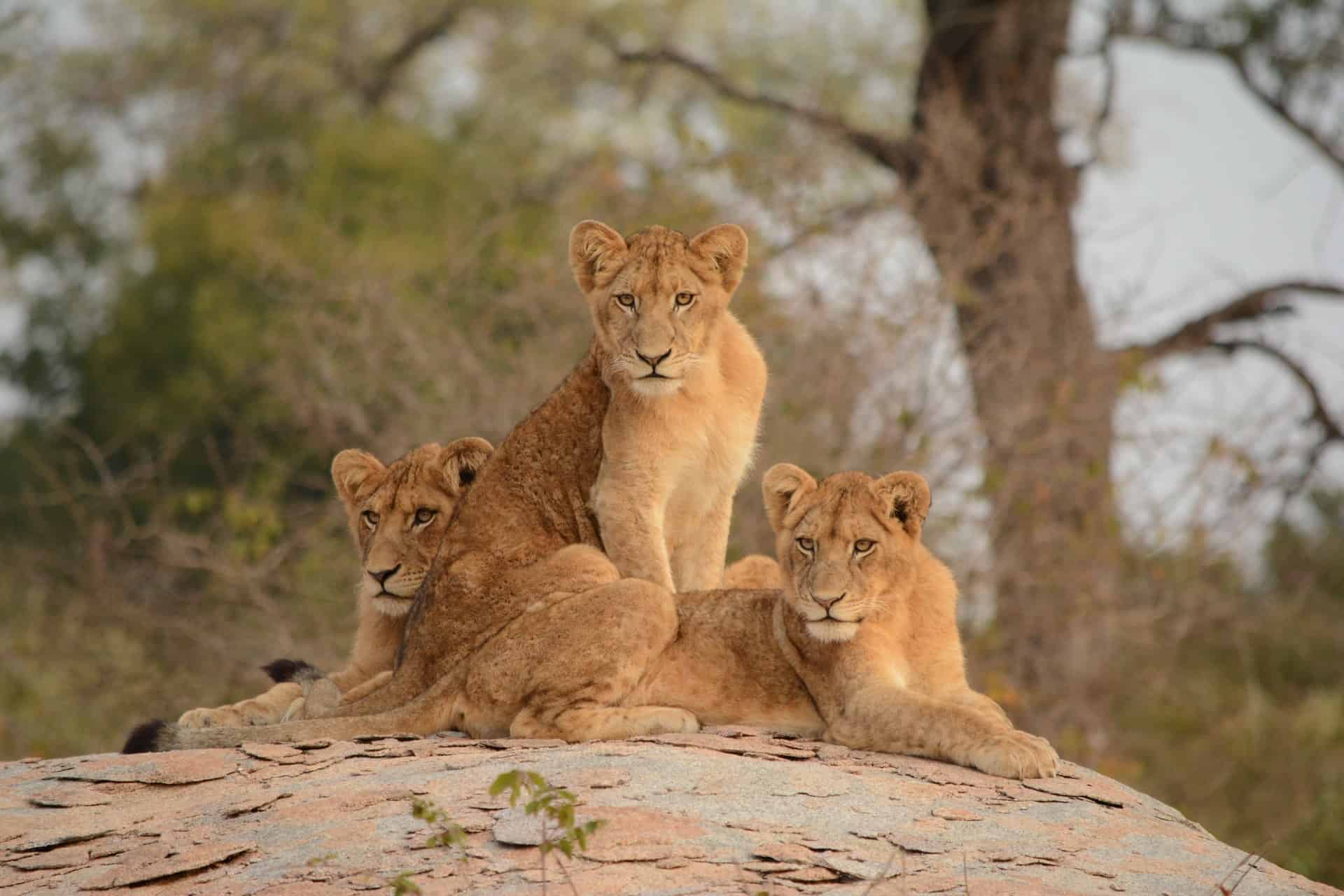
Satara and the Central Grasslands
Satara rest camp is often considered the heart of the central region and plays a crucial role in answering where to go in Kruger National Park for classic savannah landscapes. The surrounding area is dominated by open grasslands interspersed with scattered trees, creating ideal conditions for large grazing herds.
Zebras, wildebeest, and antelope species thrive in this environment, attracting predators in significant numbers. Lions are particularly prevalent, and sightings around Satara are among the most reliable in the park.
The central location of Satara also allows visitors to explore a wide range of habitats within a single stay, making it a strategic choice for those uncertain about where to go in Kruger National Park.
Olifants and the Olifants River Region
Where to go in Kruger National Park for dramatic scenery and elevated viewpoints is often answered by the Olifants region. The Olifants River cuts through rugged terrain, offering panoramic vistas that differ markedly from the flatter southern plains.
Olifants rest camp sits atop a hill overlooking the river, providing sweeping views and a unique sense of scale. The river itself supports a rich array of wildlife, including large elephant herds, hippos, and crocodiles.
This region balances wildlife viewing with scenic appeal, making it an excellent option for travelers who value landscape as much as animal sightings when deciding where to go in Kruger National Park.
Where to Go in Kruger National Park for Quiet and Remote Experiences
For travelers seeking solitude and a deeper sense of wilderness, where to go in Kruger National Park often leads north. The northern region is less visited and more rugged, offering a slower pace and a stronger feeling of remoteness.
Vegetation becomes more diverse in the north, with mopane woodlands, baobab trees, and rocky outcrops defining the landscape. Wildlife sightings may be less frequent, but they are often more intimate and rewarding.
The northern region appeals to experienced safari travelers, photographers, and birdwatchers who prioritize atmosphere and uniqueness when considering where to go in Kruger National Park.
Shingwedzi and the Northern Mopane Woodlands
Shingwedzi rest camp is a focal point of the northern region and a compelling answer to where to go in Kruger National Park for a quieter safari experience. The surrounding mopane woodlands support species such as elephants, giraffes, and rare antelope.
The Shingwedzi River attracts animals during the dry season, creating pockets of activity that reward patience and observation. Birdlife is particularly rich, with many species not commonly found in the southern regions.
For travelers who value a contemplative and less crowded experience, Shingwedzi provides a strong sense of why this area matters when deciding where to go in Kruger National Park.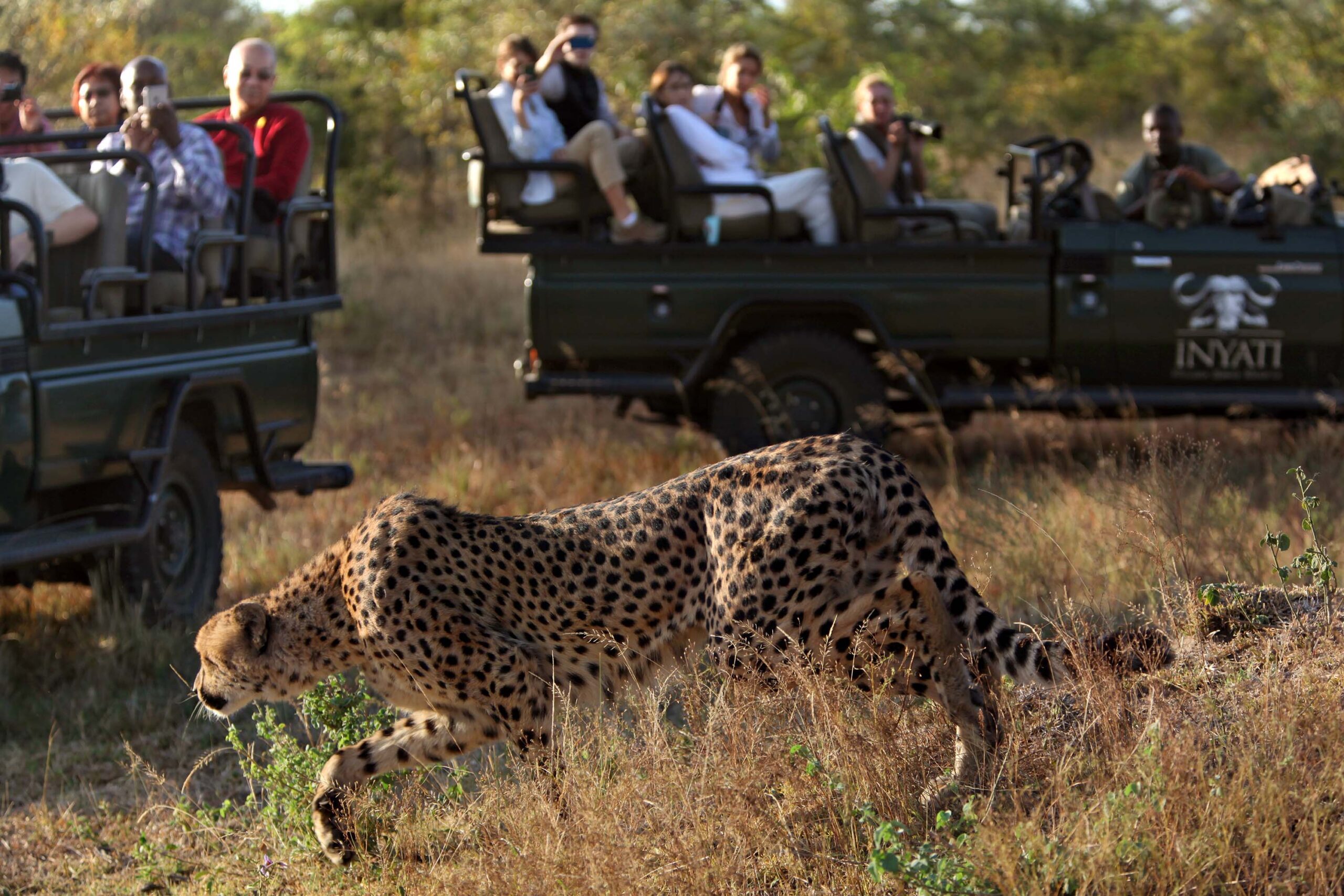
Pafuri and the Far Northern Wilderness
At the extreme northern end of the park lies the Pafuri region, often regarded as one of the most unique answers to where to go in Kruger National Park. This area is defined by the confluence of the Limpopo and Luvuvhu rivers and supports extraordinary biodiversity.
The landscape is lush and dramatic, featuring fever tree forests, sandstone cliffs, and ancient baobabs. Wildlife includes rare species such as nyala and Sharpe’s grysbok, along with exceptional birdlife.
Pafuri is also rich in cultural and archaeological significance, adding another layer to the safari experience. For those seeking something truly distinctive, this region exemplifies why the question of where to go in Kruger National Park has many nuanced answers.
Where to Go in Kruger National Park for Birdwatching
Birdwatchers often ask where to go in Kruger National Park to maximize species diversity and rare sightings. While birdlife is abundant throughout the park, certain regions stand out due to habitat variety and seasonal migration patterns.
River systems such as the Luvuvhu, Shingwedzi, and Olifants support waterbirds and forest species, while open grasslands attract raptors and ground-nesting birds. The northern regions are particularly valued for their unique avian species.
Seasonality also plays a role in where to go in Kruger National Park for birdwatching, with summer months bringing migratory species and increased activity.
Rest Camps as Strategic Bases
Understanding where to go in Kruger National Park also involves selecting rest camps that align with travel goals. Each camp serves as a gateway to surrounding habitats and wildlife corridors.
Larger camps offer convenience and accessibility, while smaller camps provide intimacy and proximity to quieter areas. The choice of camp can shape daily driving routes and influence the overall experience.
Selecting rest camps strategically allows travelers to explore multiple answers to where to go in Kruger National Park within a single trip.
Rivers as Wildlife Hotspots
Rivers are central to understanding where to go in Kruger National Park. Permanent water sources act as lifelines for animals, particularly during the dry season. Areas along major rivers consistently deliver high-quality sightings.
The Sabie, Olifants, Shingwedzi, and Luvuvhu rivers each support distinct ecosystems and species compositions. Following river roads often increases the chances of observing predators, large herbivores, and birdlife.
When deciding where to go in Kruger National Park, prioritizing riverine areas is a reliable strategy for rewarding safari experiences.
Seasonal Considerations and Regional Choice
Seasonality influences where to go in Kruger National Park as much as geography. During the dry winter months, southern and central regions often provide more predictable sightings due to concentrated water sources.
In the wet summer months, northern regions flourish with greenery and birdlife, offering a different but equally enriching experience. Understanding these seasonal dynamics helps refine decisions about where to go in Kruger National Park.
Each season reveals different strengths in each region, reinforcing the value of thoughtful planning.
Where to Go in Kruger National Park for Repeat Visitors
Repeat visitors often approach where to go in Kruger National Park with a desire to explore lesser-known areas or deepen their connection to specific regions. The park’s vastness ensures that even familiar areas continue to offer new discoveries.
Exploring remote roads, wilderness trails, and northern regions allows returning travelers to experience Kruger from a fresh perspective. This evolving relationship with the park highlights its depth and enduring appeal.
For repeat visitors, where to go in Kruger National Park becomes a personal journey shaped by experience and curiosity.
Choosing Where to Go in Kruger National Park
Where to go in Kruger National Park is a question best answered through an understanding of personal travel priorities, time available, and desired experiences. From the wildlife-rich southern plains to the remote northern wilderness, each region offers distinct rewards.
Kruger National Park is not a single destination but a collection of interconnected landscapes, each contributing to a greater whole. By aligning expectations with the unique character of each area, travelers can craft meaningful and memorable safaris.
Ultimately, knowing where to go in Kruger National Park transforms a visit into a deeply rewarding encounter with one of the world’s greatest natural treasures.