Why go to Kruger National Park is a question that continues to be asked by travelers, wildlife enthusiasts, photographers, conservationists, and first-time visitors to Africa alike. The answer lies not in a single attraction but in a powerful combination of natural abundance, emotional impact, cultural significance, and unrivaled wildlife encounters. Kruger National Park is not simply a destination that is visited; it is an experience that is lived, remembered, and often longed for again.
Located in northeastern South Africa and stretching across nearly two million hectares, Kruger National Park stands as one of the largest and most celebrated game reserves in the world. It has been shaped by centuries of natural evolution and more than a hundred years of conservation effort. Within its borders, ancient landscapes meet modern conservation science, and raw wilderness coexists with accessible infrastructure designed to welcome visitors from every corner of the globe.
For those asking why go to Kruger National Park, the reasons are deeply layered. The park offers far more than the promise of seeing animals; it offers perspective, connection, and an immersion into a living ecosystem that continues to function much as it has for millennia. This article explores those reasons in depth, revealing why Kruger National Park is considered one of the most rewarding travel experiences on Earth.
The Immense Scale and Diversity of Kruger National Park
One of the most compelling reasons why go to Kruger National Park is its sheer size and ecological diversity. Covering an area larger than some countries, the park spans nearly 20,000 square kilometers and encompasses a vast range of landscapes, from riverine forests and open savannahs to rugged mountains and dense woodlands. This diversity creates a mosaic of habitats, each supporting different species and behaviors.
Because of its size, Kruger National Park offers a sense of true wilderness that is increasingly rare in the modern world. Long stretches of road may pass without another vehicle in sight, allowing visitors to feel fully immersed in nature. The scale of the park ensures that wildlife movements remain natural and unrestricted, resulting in authentic encounters rather than staged experiences.
The variation in ecosystems also means that no two areas of Kruger feel the same. The southern regions are known for their high density of animals and open plains, while the northern areas are quieter, more remote, and rich in birdlife and unique species. This diversity answers the question of why go to Kruger National Park with a simple truth: it offers endless discovery.
Unparalleled Wildlife Encounters
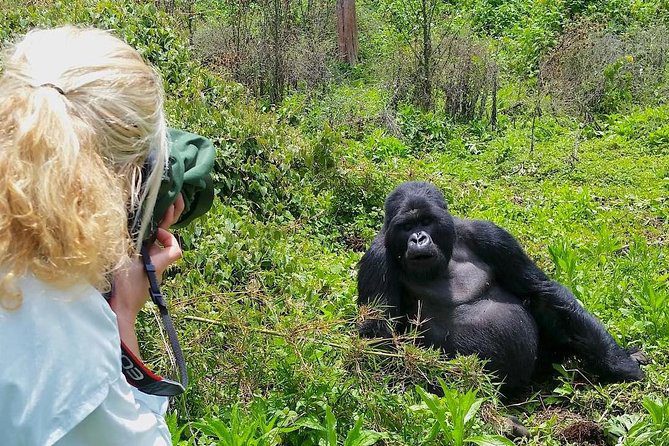
At the heart of why go to Kruger National Park lies its extraordinary wildlife. The park is home to an astonishing range of species, including the iconic Big Five: lion, leopard, elephant, rhinoceros, and buffalo. These animals are not confined to small enclosures or artificially maintained habitats; they roam freely across vast territories, behaving as they would in any truly wild environment.
Kruger National Park supports more than 140 mammal species, over 500 bird species, and countless reptiles, insects, and plant varieties. Each game drive becomes a journey of anticipation, where the possibility of encountering a rare predator or witnessing a dramatic interaction is always present. The unpredictability of these encounters is what makes them so powerful and emotionally resonant.
Predators such as lions and leopards are frequently observed, particularly in the southern regions, while massive elephant herds move through river valleys and open plains. Giraffes, zebras, wildebeest, and antelope species form the backbone of the ecosystem, creating scenes that feel lifted from nature documentaries. For many visitors, seeing these animals in their natural environment answers why go to Kruger National Park in the most immediate and unforgettable way.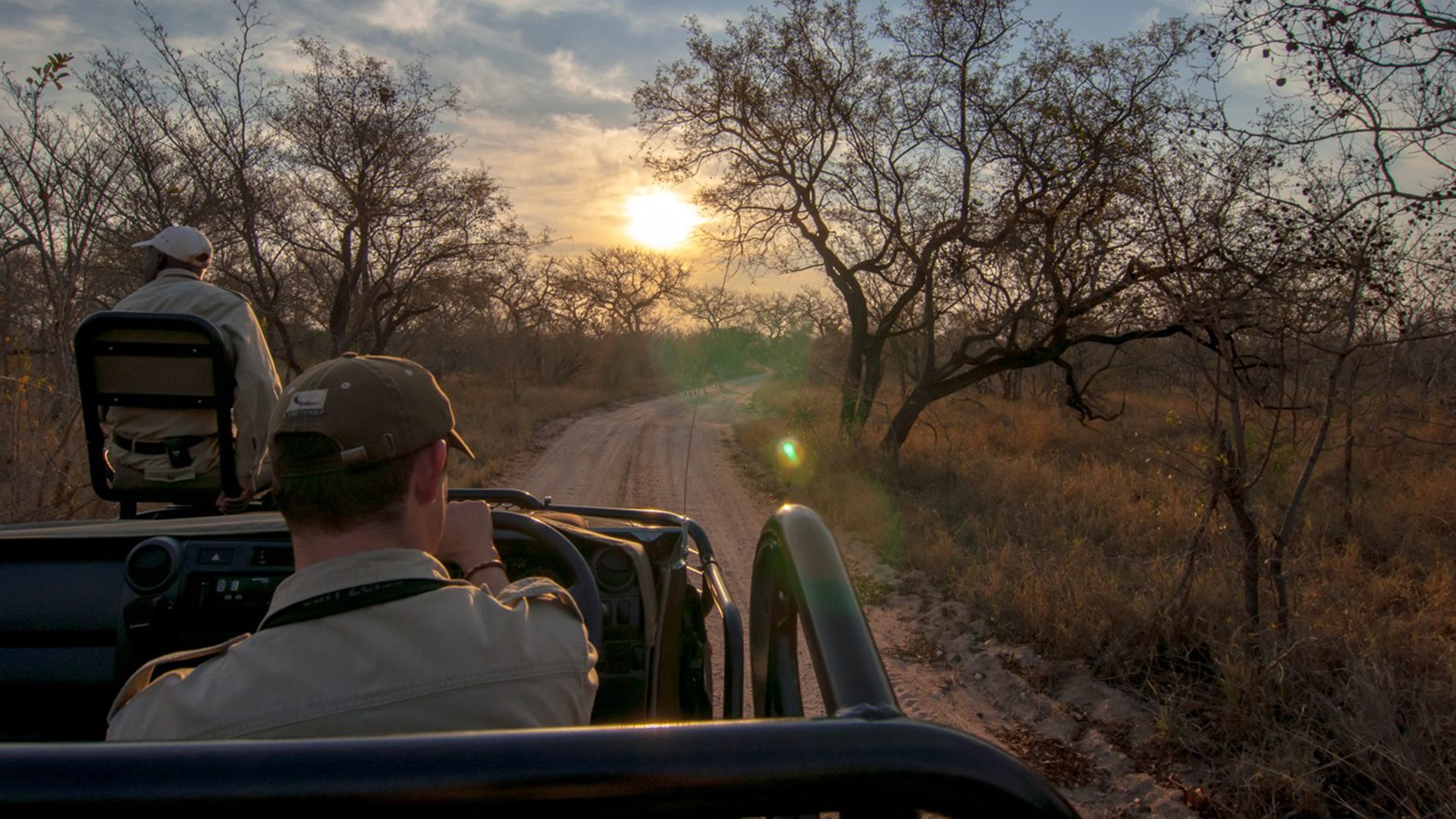
Authentic Safari Experiences for Every Traveler
Another central reason why go to Kruger National Park is the accessibility and variety of safari experiences offered. Unlike many private reserves that limit access to guided tours only, Kruger allows for both self-drive safaris and professionally guided game drives. This flexibility makes the park appealing to a wide range of travelers, from budget-conscious adventurers to luxury seekers.
Self-drive safaris offer a sense of freedom and personal exploration, allowing visitors to set their own pace and follow their curiosity. Well-maintained roads, clear signage, and strategically placed rest camps make navigation manageable even for first-time visitors. For those seeking deeper insight, guided safaris led by experienced rangers provide expert knowledge, animal tracking skills, and storytelling that brings the landscape to life.
Walking safaris, night drives, and wilderness trails further enrich the experience, offering perspectives that go beyond what is seen from a vehicle. These opportunities reveal the smaller details of the ecosystem, from animal tracks and plant uses to nocturnal behaviors rarely witnessed during the day. This range of experiences explains why go to Kruger National Park appeals to both casual tourists and seasoned safari enthusiasts.
A Strong Legacy of Conservation and Sustainability
Why go to Kruger National Park is also a question deeply tied to conservation and ethical travel. Kruger is one of the oldest national parks in Africa and has played a foundational role in shaping modern wildlife conservation practices. Its long history has allowed for the development of sophisticated management strategies that balance tourism, biodiversity protection, and community engagement.
The park is at the forefront of anti-poaching initiatives, scientific research, and ecosystem management. Wildlife populations are monitored closely, and conservation decisions are informed by data and long-term ecological studies. Visitors are not merely observers but contributors, as tourism revenue directly supports conservation efforts and local employment.
This commitment to sustainability adds depth to the travel experience. Knowing that a visit helps protect endangered species and preserve natural habitats provides a sense of purpose and responsibility. For travelers who value ethical tourism, the conservation ethos of Kruger National Park is a powerful reason why go to Kruger National Park remains an easy decision.
Cultural and Historical Significance
Beyond wildlife, why go to Kruger National Park is also answered through its rich cultural and historical layers. The land that now forms the park has been inhabited by humans for thousands of years, and evidence of early human activity can still be found within its boundaries. Archaeological sites, ancient rock art, and historical landmarks reveal stories that predate modern conservation.
Kruger’s history includes early trade routes, indigenous communities, and the evolution of conservation policy in South Africa. Museums and interpretive centers within the park provide context and depth, helping visitors understand how human and natural histories are intertwined.
This cultural dimension transforms Kruger National Park from a simple wildlife destination into a place of learning and reflection. It reminds visitors that conservation is not only about animals but also about people, heritage, and shared responsibility for the future. This broader narrative further strengthens the argument for why go to Kruger National Park.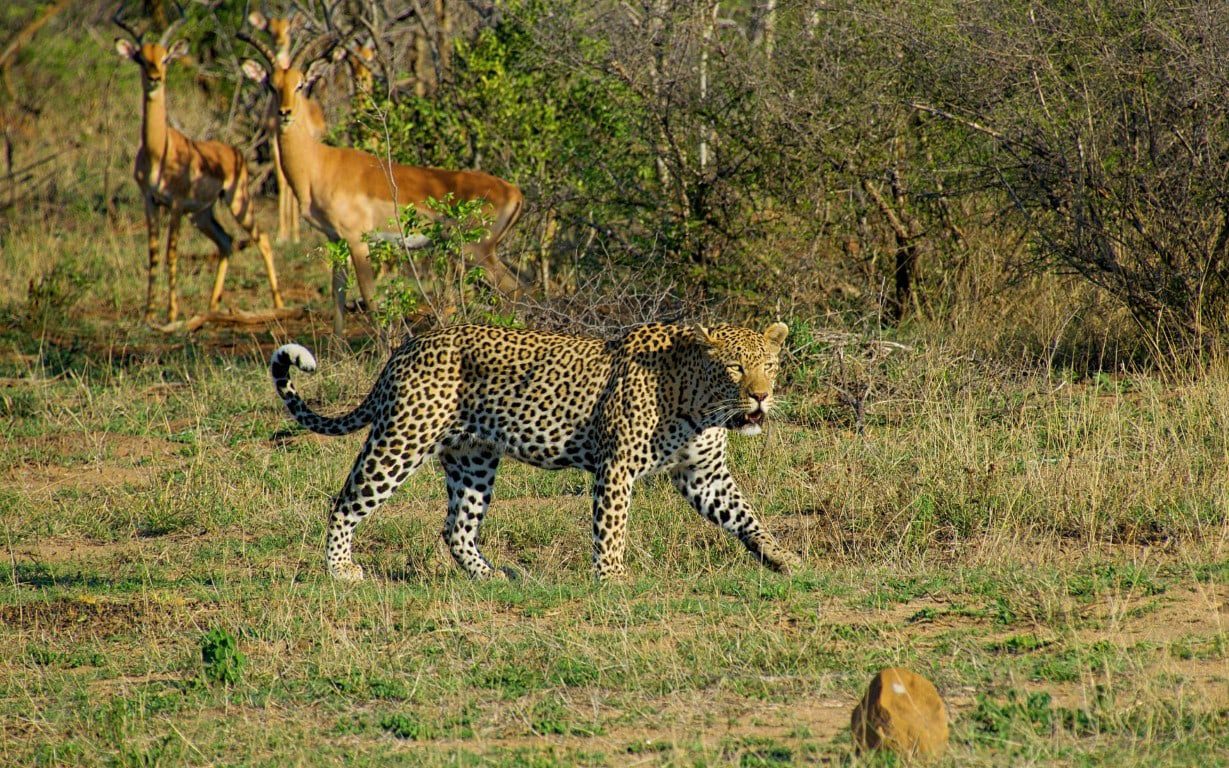
Birdwatching and Botanical Richness
For many travelers, why go to Kruger National Park extends beyond large mammals to include its extraordinary birdlife and plant diversity. The park is recognized as one of Africa’s premier birding destinations, with species ranging from majestic birds of prey to colorful migrants and rare endemics.
Rivers, wetlands, forests, and grasslands each support distinct bird communities, making every season rewarding for bird enthusiasts. Even casual observers find themselves captivated by the variety of calls, colors, and behaviors encountered throughout the park.
Equally impressive is the botanical richness of Kruger National Park. Thousands of plant species contribute to the health and balance of the ecosystem. Ancient baobab trees, towering marula trees, and resilient grasses each play a vital role. Learning about these plants deepens understanding of how life in Kruger is interconnected, offering another meaningful answer to why go to Kruger National Park.
Year-Round Appeal and Seasonal Variety
One of the practical reasons why go to Kruger National Park is its year-round accessibility and seasonal diversity. Each season brings its own character, advantages, and visual beauty. During the dry winter months, animals congregate around water sources, making wildlife viewing more predictable and concentrated.
The summer months, marked by rainfall, transform the landscape into lush greenery. This season is ideal for birdwatching, photography, and witnessing newborn animals. Dramatic skies and vibrant vegetation create a different but equally compelling experience.
Because Kruger National Park never truly closes, travelers can plan visits according to their interests, schedules, and preferred climate. This flexibility ensures that the park remains relevant and attractive throughout the year, reinforcing why go to Kruger National Park regardless of season.
Infrastructure That Enhances, Not Diminishes, Wilderness
Another important aspect of why go to Kruger National Park is the balance it strikes between comfort and authenticity. The park offers a wide range of accommodations, from rustic campsites and self-catering chalets to luxury lodges. This variety allows visitors to choose experiences that match their comfort level without compromising access to nature.
Rest camps are thoughtfully designed to blend into the environment while providing essential amenities. Restaurants, shops, and educational centers are available, yet the overall atmosphere remains focused on the surrounding wilderness. Roads and facilities are maintained to ensure safety and accessibility while minimizing environmental impact.
This thoughtful infrastructure makes Kruger National Park approachable for families, solo travelers, and international visitors alike. The ability to experience deep wilderness without sacrificing basic comfort is a key reason why go to Kruger National Park appeals to such a broad audience.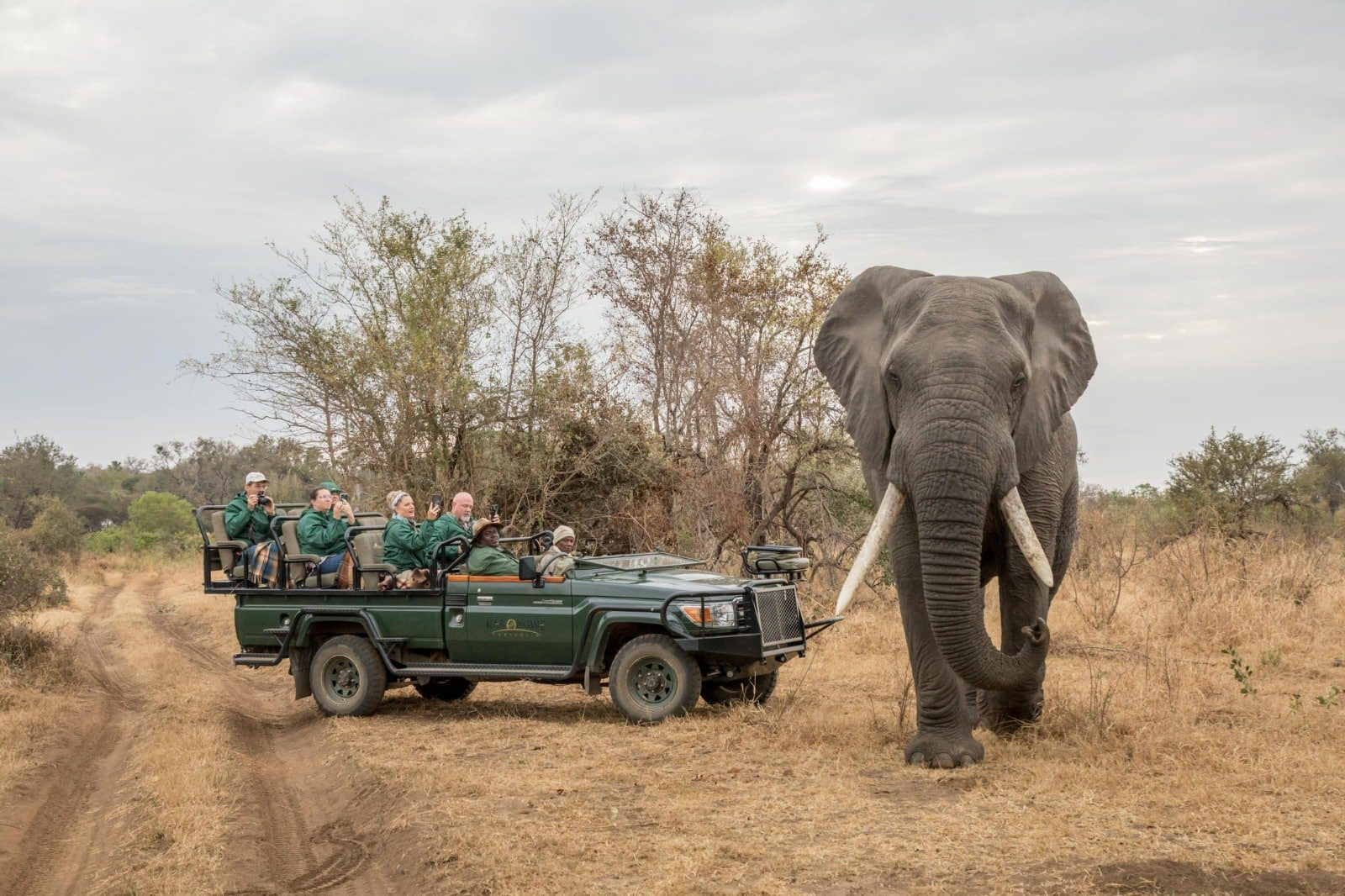
Emotional and Transformational Impact
Perhaps the most profound reason why go to Kruger National Park lies in its emotional and psychological impact. Time spent in the park often leads to a sense of grounding and perspective that is difficult to articulate but deeply felt. Watching a sunrise over the savannah, hearing lions roar in the distance, or observing elephants interact quietly can be transformative experiences.
These moments create a connection to nature that transcends photography and storytelling. Visitors often leave with a renewed appreciation for the natural world and a deeper understanding of humanity’s place within it. This emotional resonance is what turns a visit into a lifelong memory.
For many, the question of why go to Kruger National Park is answered not by facts or statistics but by how the experience makes them feel. It is a place that changes people, even if only subtly, and that impact lingers long after departure.
Why Go to Kruger National Park for First-Time and Repeat Visitors
Why go to Kruger National Park is equally relevant for first-time safari travelers and those returning for their tenth visit. The park’s vastness ensures that no two visits are ever the same. Wildlife sightings differ, seasons shift, and personal perspectives evolve over time.
First-time visitors often find Kruger to be an ideal introduction to African safaris due to its accessibility, safety, and abundance of wildlife. Repeat visitors are drawn back by the depth of experience and the opportunity to explore new regions and activities within the park.
This ability to remain fresh and engaging over multiple visits solidifies Kruger National Park’s reputation as a destination that never loses its appeal.
Why Go to Kruger National Park
Why go to Kruger National Park is a question with many answers, all of them compelling. It is a place where wildlife thrives on a grand scale, where conservation is practiced with purpose, and where visitors are welcomed into one of the world’s most intact natural ecosystems. It offers adventure, education, reflection, and joy in equal measure.
Kruger National Park stands as a reminder of what is possible when nature is respected and protected. A visit is not just a holiday but an encounter with something timeless and essential. For anyone seeking meaning, beauty, and authenticity in travel, the answer to why go to Kruger National Park becomes unmistakably clear.