
Mahale Mountains National Park
Mahale Mountains National Park: Primates Destination in Africa
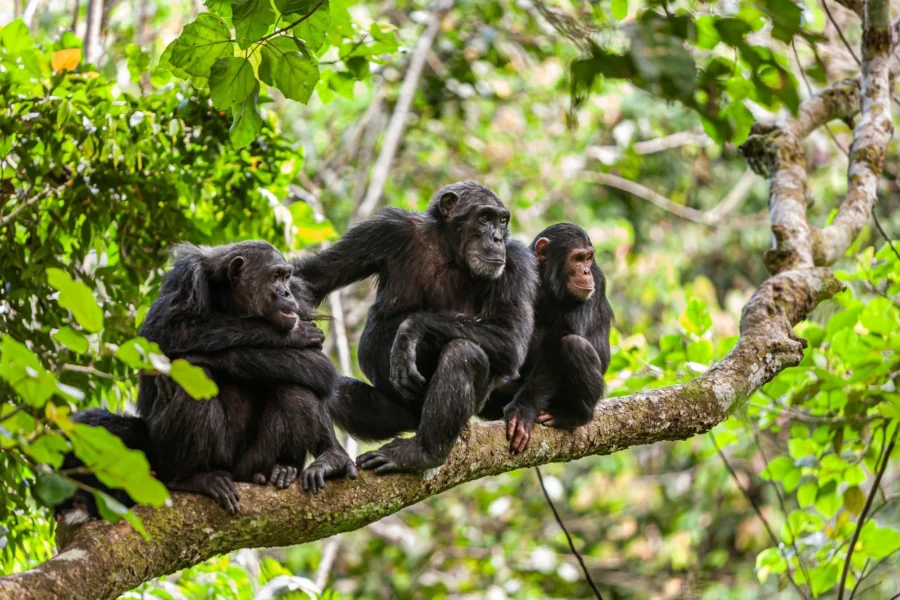
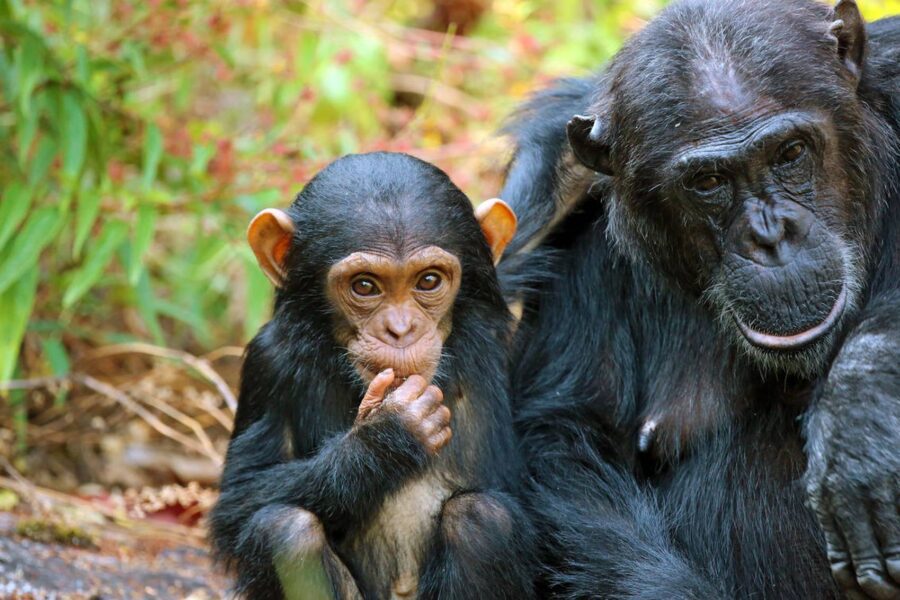
Mahale Mountains National Park is one of Africa’s most remote, pristine, and enchanting wildlife sanctuaries. Tucked away in western Tanzania along the eastern shores of the magnificent Lake Tanganyika, this park is a dream destination for primate lovers, conservationists, and adventurous travelers seeking an unspoiled African wilderness. Globally acclaimed for its large and well-studied population of wild chimpanzees, Mahale Mountains National Park has earned its reputation as a premier primates destination in Africa.
Unlike many of Africa’s more accessible parks, Mahale offers a raw and intimate experience with nature. There are no roads inside the park, no mass tourism, and no urban influence—only forested mountains, secluded beaches, and the echoing calls of chimpanzees deep within the tropical forest. This article provides a comprehensive exploration of Mahale Mountains National Park, highlighting its primates, landscapes, conservation significance, visitor experiences, and its unique place within African primate tourism.
Introduction to Mahale Mountains National Park
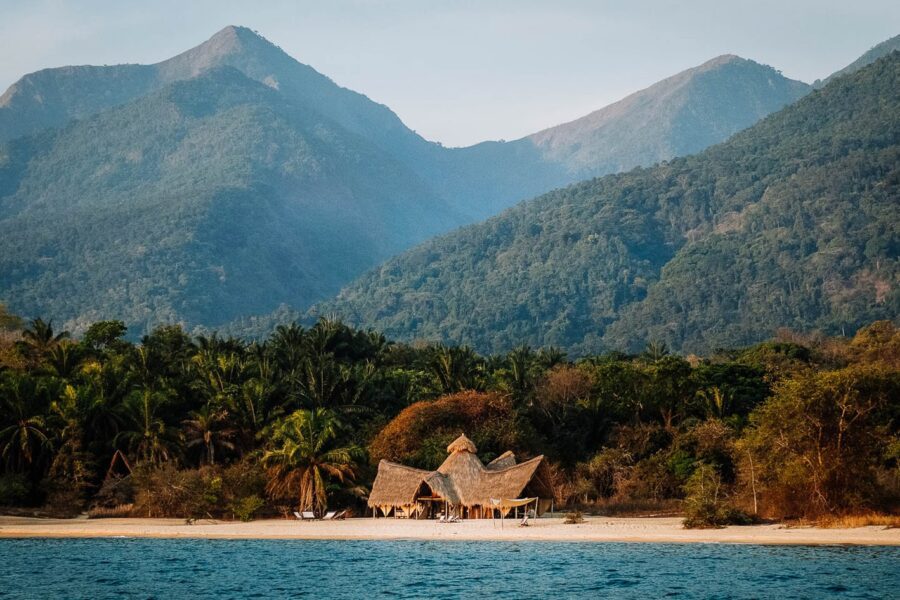
Mahale Mountains National Park is located in western Tanzania, bordering Lake Tanganyika, the second-deepest freshwater lake in the world. The park covers approximately 1,650 square kilometers and is characterized by a dramatic chain of forested mountains rising directly from the lakeshore.
Gazetted as a national park in 1985, Mahale was originally established to protect its population of chimpanzees and the unique ecosystems of the Mahale mountain range. Today, it is widely recognized as one of the best places in the world to observe wild chimpanzees in their natural habitat.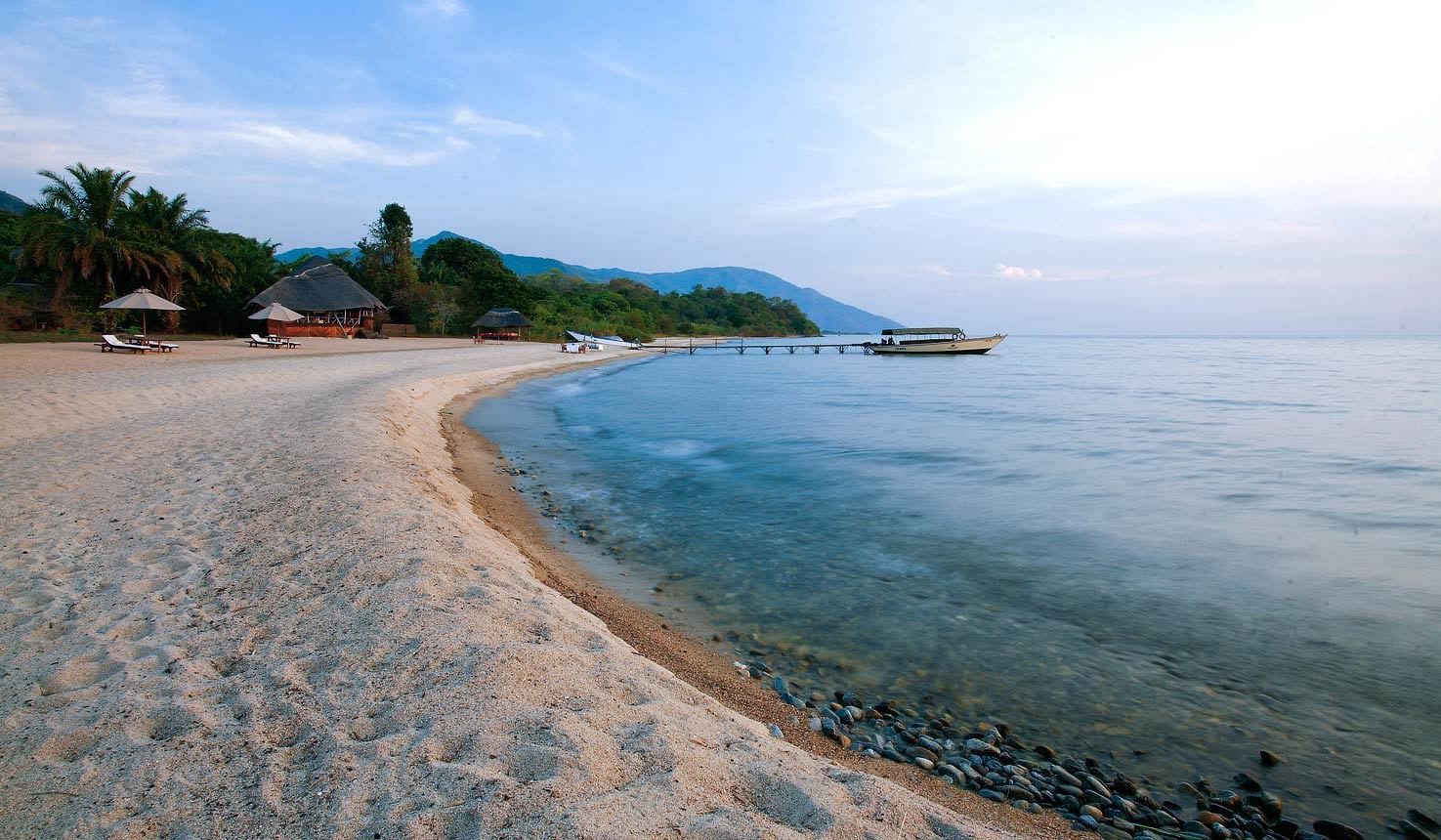
Geographical Setting and Natural Landscapes
The Mahale Mountain Range
The Mahale Mountains dominate the park’s landscape, with Mount Nkungwe rising to about 2,462 meters above sea level. These rugged, forest-covered peaks create a dramatic backdrop for the park and support a range of vegetation zones, from lowland forests to montane habitats.
Lake Tanganyika
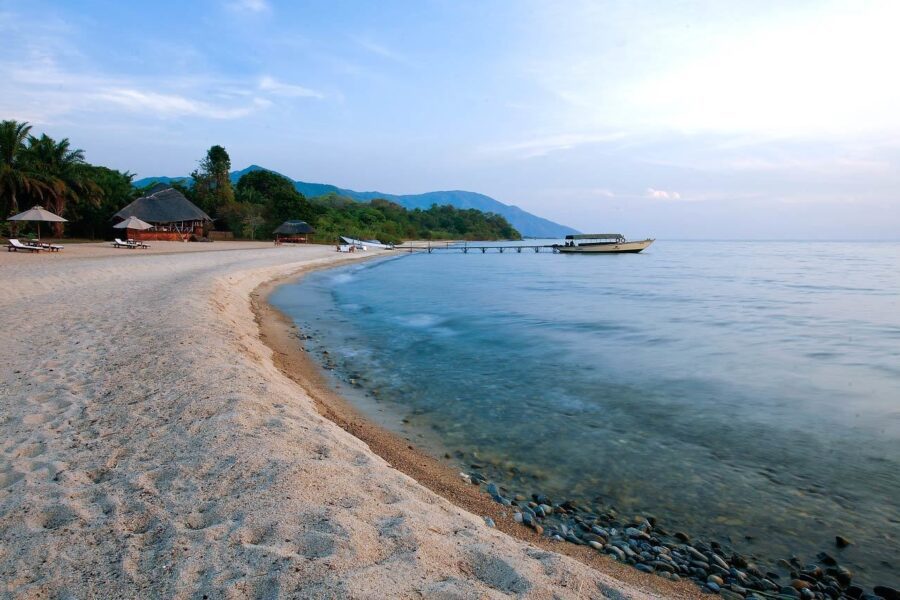
Lake Tanganyika forms the park’s western boundary and plays a vital role in its ecology. The lake’s clear, deep waters are home to hundreds of endemic fish species, while its sandy beaches provide a rare opportunity to combine primate trekking with lakeside relaxation.
Forest and Woodland Habitats
Mahale contains a mosaic of:
-
Dense tropical rainforest
-
Miombo woodland
-
Bamboo thickets
-
Grassland clearings
This diversity of habitats supports not only primates but also a wide range of mammals, birds, reptiles, and plant species.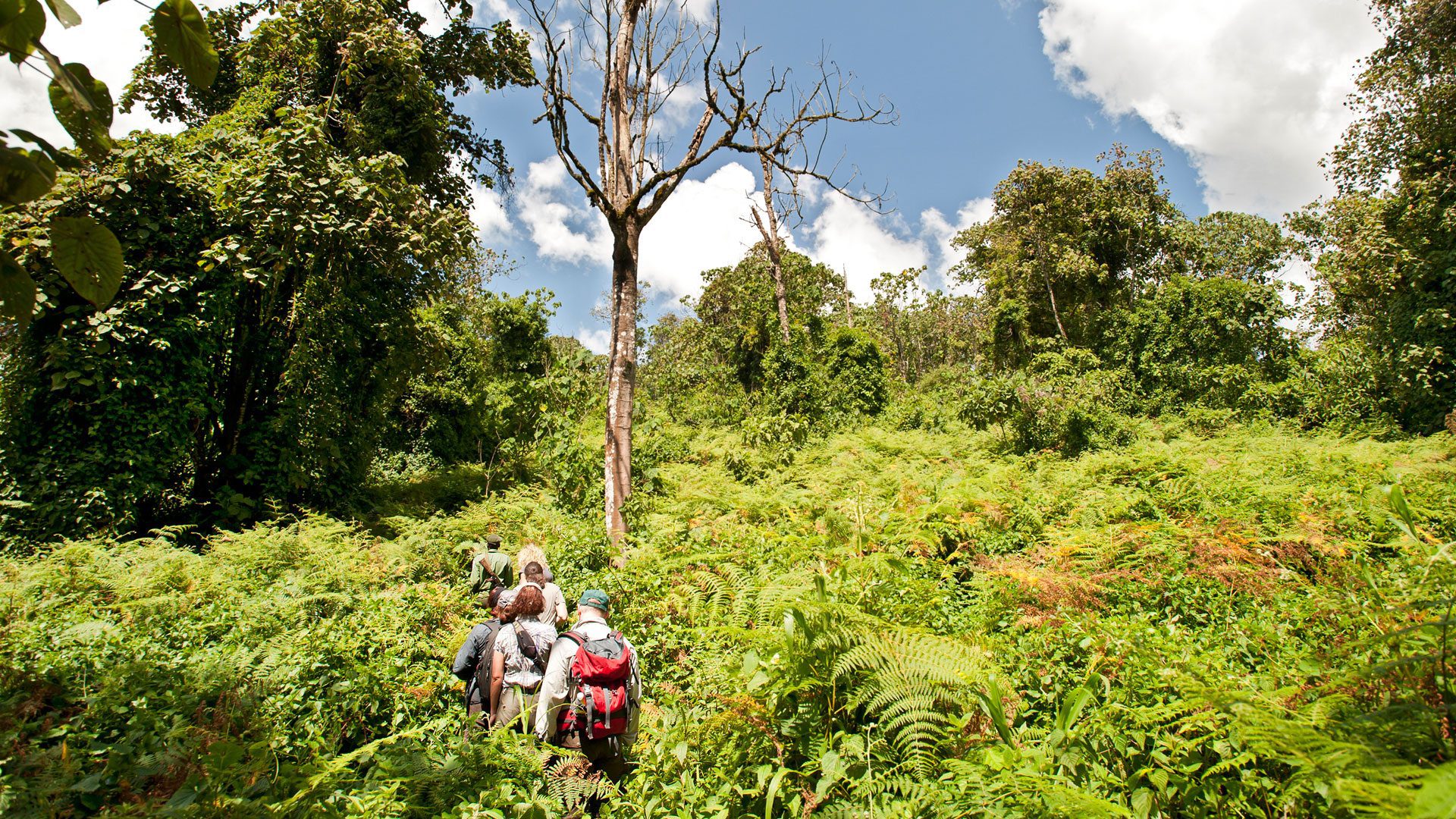
Why Mahale Is a Premier Primates Destination in Africa
Mahale Mountains National Park is particularly renowned for its wild chimpanzee population, which is one of the largest protected groups in Africa. The park’s isolation and long history of research have made it a cornerstone of primate science and conservation.
1. Chimpanzees of Mahale
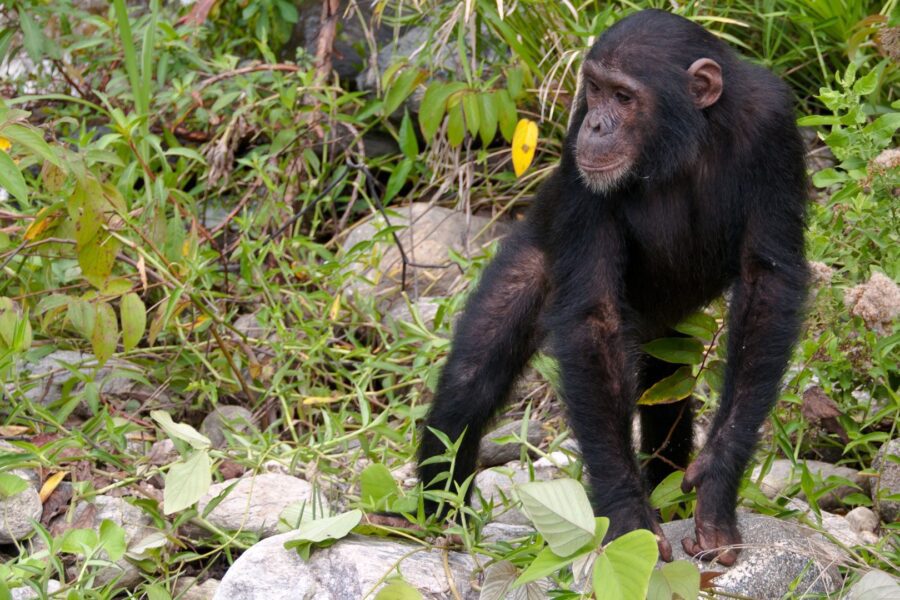
The park is home to an estimated 800 to 1,000 chimpanzees, living in several communities across the forested slopes. The most famous is the M Group, which has been habituated for research and tourism.
Long-Term Research Legacy
Chimpanzee research in Mahale began in the 1960s under the leadership of Japanese primatologist Professor Toshisada Nishida. Decades of continuous study have provided invaluable insights into:
-
Chimpanzee social organization
-
Communication and vocalization
-
Tool use
-
Cultural behaviors
This makes Mahale one of the most important chimpanzee research sites in the world.
2. Other Primate Species
While chimpanzees are the star attraction, Mahale Mountains National Park hosts at least nine species of primates, including:
-
Red colobus monkeys
-
Red-tailed monkeys
-
Blue monkeys
-
Yellow baboons
-
Vervet monkeys
This diversity enhances Mahale’s reputation as a comprehensive primates destination in Africa.
Chimpanzee Trekking Experience
The Trekking Process
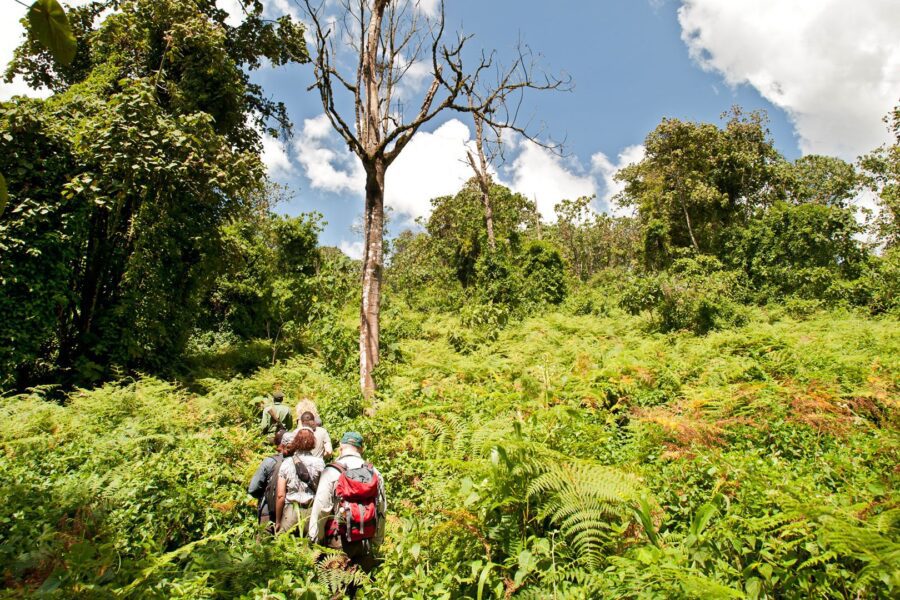
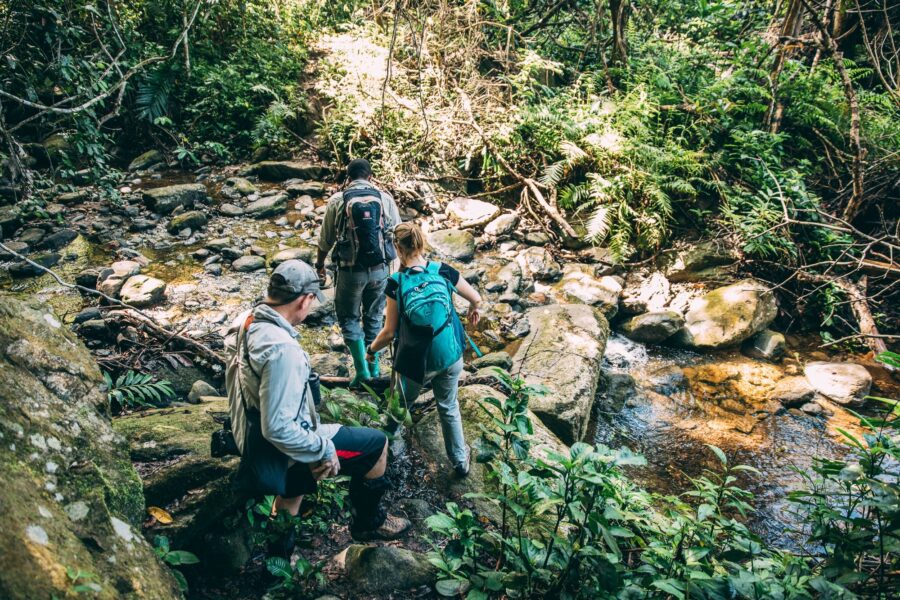
Chimpanzee trekking in Mahale is an immersive and physically engaging experience. Treks typically begin early in the morning, led by experienced guides and trackers who follow vocalizations, nests, and feeding signs.
What to Expect on a Chimpanzee Trek
-
Hiking through steep, forested terrain
-
Listening for pant-hoots and calls
-
Observing chimpanzees feeding, grooming, and socializing
-
Witnessing complex social interactions
Unlike more crowded destinations, Mahale allows visitors to feel like true explorers, often encountering chimpanzees with minimal human presence.
Time Spent with Chimpanzees
Once located, visitors may spend up to one hour observing the chimpanzees, ensuring minimal disturbance while allowing meaningful encounters.
Biodiversity Beyond Primates
Mammals
Although dense forests make large mammals harder to spot, Mahale is home to:
-
Forest elephants
-
Leopards
-
Bush pigs
-
Antelopes such as duikers
Birdlife
Over 350 bird species have been recorded in the park, including:
-
African fish eagles
-
Ross’s turacos
-
Hornbills
-
Sunbirds
Birdwatching is particularly rewarding along forest edges and lakeshore habitats.
Flora
Mahale’s plant life is remarkably diverse, with hundreds of tree species, medicinal plants, and endemic flora adapted to the park’s varied elevations.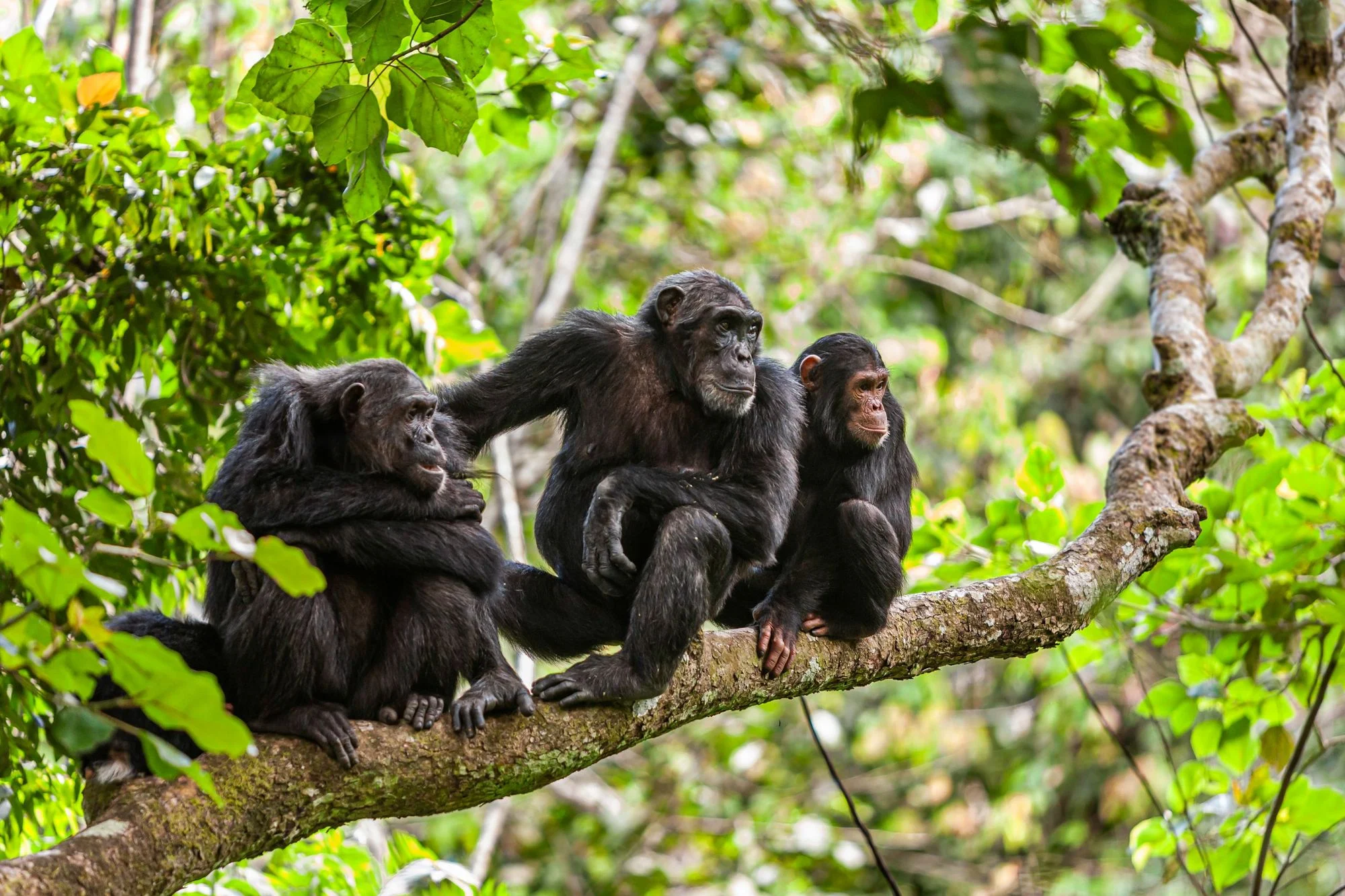
Cultural and Human History
Before becoming a national park, the Mahale region was home to the Tongwe people, who lived sustainably through fishing, hunting, and small-scale agriculture. When the park was established, communities were relocated to protect the ecosystem.
Today, conservation authorities work to balance wildlife protection with community development in surrounding areas through education and livelihood initiatives.
Conservation Importance and Challenges
Conservation Significance
Mahale Mountains National Park is crucial for:
-
Protecting one of Africa’s largest wild chimpanzee populations
-
Preserving unique forest ecosystems along Lake Tanganyika
-
Supporting long-term primate research
Threats
Despite its remoteness, Mahale faces challenges such as:
-
Illegal fishing
-
Poaching
-
Deforestation outside park boundaries
-
Disease transmission
Strict regulations and limited visitor numbers help mitigate these threats.
Tourism in Mahale Mountains National Park
Access and Travel
Reaching Mahale is part of the adventure:
-
Most visitors fly to Kigoma
-
Travel continues by boat or light aircraft to the park
This isolation helps preserve Mahale’s wilderness character.
Accommodation
Mahale offers a small number of exclusive lodges and camps, including:
-
Greystoke Mahale (luxury eco-lodge)
-
Seasonal tented camps
These lodges emphasize sustainability, comfort, and minimal environmental impact.
Activities
-
Chimpanzee trekking
-
Guided forest walks
-
Birdwatching
-
Swimming and snorkeling in Lake Tanganyika
-
Cultural visits to nearby villages
Best Time to Visit Mahale Mountains National Park
Dry Season (June to October)
This is the best time for chimpanzee trekking, as trails are drier and chimpanzees are easier to track.
Wet Season (November to May)
The forest is lush and vibrant, but heavy rains can make trekking more challenging. March and April are the wettest months.
Responsible Tourism and Research Ethics
Mahale is a model for responsible primate tourism:
-
Small trekking groups
-
Strict health protocols
-
No feeding or touching chimpanzees
-
Continuous monitoring by researchers
Tourism revenue supports conservation, research, and local employment.
Mahale in the Context of African Primate Tourism
When compared with other primate destinations such as:
-
Taï National Park (Côte d’Ivoire)
-
Gombe Stream National Park (Tanzania)
Mahale stands out for its:
-
Remoteness and exclusivity
-
Longest continuous chimpanzee research program
-
Combination of forest, mountains, and lake ecosystems
 The Future of Mahale Mountains National Park
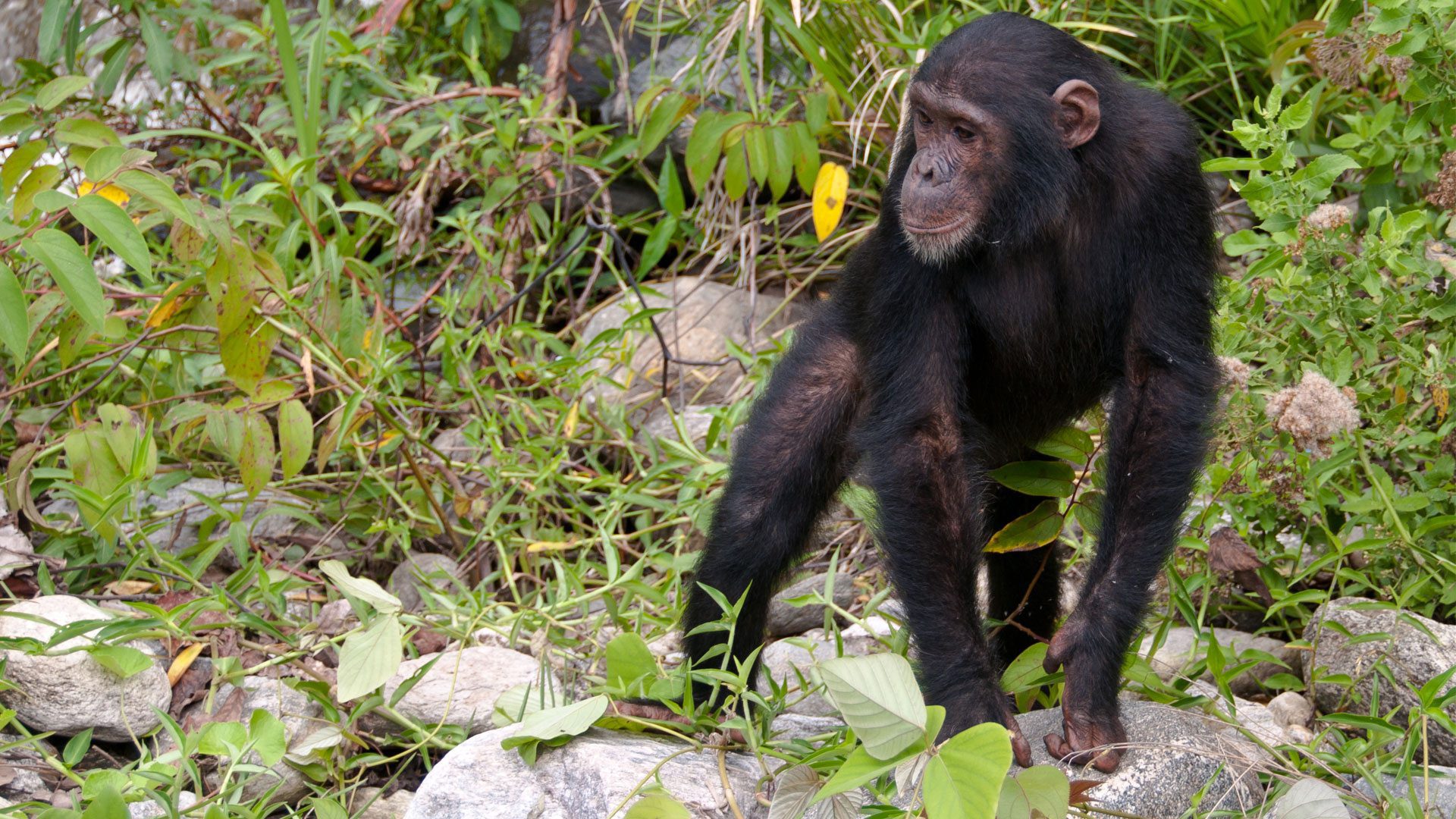 The Future of Mahale Mountains National Park
Future conservation priorities include:
-
Strengthening disease prevention measures
-
Supporting surrounding communities
-
Enhancing scientific research
-
Maintaining low-impact tourism
With continued protection, Mahale will remain a sanctuary for chimpanzees and a beacon of primate conservation in Africa.
Mahale Mountains National Park represents the very essence of Africa’s wild primate heritage. As a primates destination in Africa, it offers one of the most authentic and rewarding chimpanzee trekking experiences on the continent. Its blend of scientific importance, breathtaking landscapes, and ethical tourism makes it a must-visit destination for anyone passionate about primates and conservation.
In Mahale, visitors do not simply observe wildlife—they become part of a story that spans decades of research, conservation, and coexistence between humans and some of our closest living relatives.