Fees and Costs at Victoria Falls and Why Understanding Expenses Matters
Fees and costs at Victoria Falls are an essential consideration for anyone planning a visit to this iconic destination. While Victoria Falls is often described in terms of awe, beauty, and natural power, the practical reality of visiting involves a variety of entry fees, activity costs, transportation expenses, accommodation rates, and daily living costs that together shape the overall travel budget. Understanding fees and costs at Victoria Falls in advance allows travelers to plan realistically, avoid surprises, and maximize value without compromising the experience.
Victoria Falls lies on the border of Zambia and Zimbabwe, and this unique location directly affects pricing structures. Many fees differ depending on which side of the falls is visited, the traveler’s nationality, and the time of year. Fees and costs at Victoria Falls are therefore not fixed in a single category but exist across multiple layers of the travel experience, from government-regulated park fees to optional luxury activities. A clear understanding of these costs ensures that travelers approach the destination with confidence and informed expectations.
Understanding the Structure Behind Fees and Costs at Victoria Falls
Fees and costs at Victoria Falls can be broadly understood as a combination of mandatory expenses and discretionary spending. Mandatory costs include visas, park entry fees, and basic transportation, while discretionary costs cover guided tours, adventure activities, dining choices, and accommodation upgrades. These layers interact to create a wide range of possible budgets, making Victoria Falls accessible to both cost-conscious travelers and those seeking high-end experiences.
Currency use also plays a significant role in fees and costs at Victoria Falls. US dollars are widely accepted across both Zambia and Zimbabwe, particularly within the tourism sector. While local currencies may be used in some situations, most official fees and activity costs are quoted in US dollars, simplifying budgeting for international visitors.
Visa Fees and Border-Related Costs at Victoria Falls
Fees and costs at Victoria Falls begin before arrival with visa requirements. Zambia and Zimbabwe have separate visa systems, and costs vary depending on nationality and travel plans. Many travelers opt for the KAZA UniVisa, which allows entry into both Zambia and Zimbabwe on a single visa and is particularly cost-effective for visitors planning to explore both sides of the falls.
Single-entry visas are generally less expensive but limit cross-border movement. For travelers who intend to remain on one side only, these visas may offer savings. However, when calculating fees and costs at Victoria Falls, it is important to factor in flexibility, as crossing the border even once may require additional visa expenses if the correct option is not chosen initially.
Border-related costs may also include exit fees or local administrative charges, which are typically modest but should be anticipated. Carrying small denominations of cash is advisable, as card payments are not always accepted at border posts.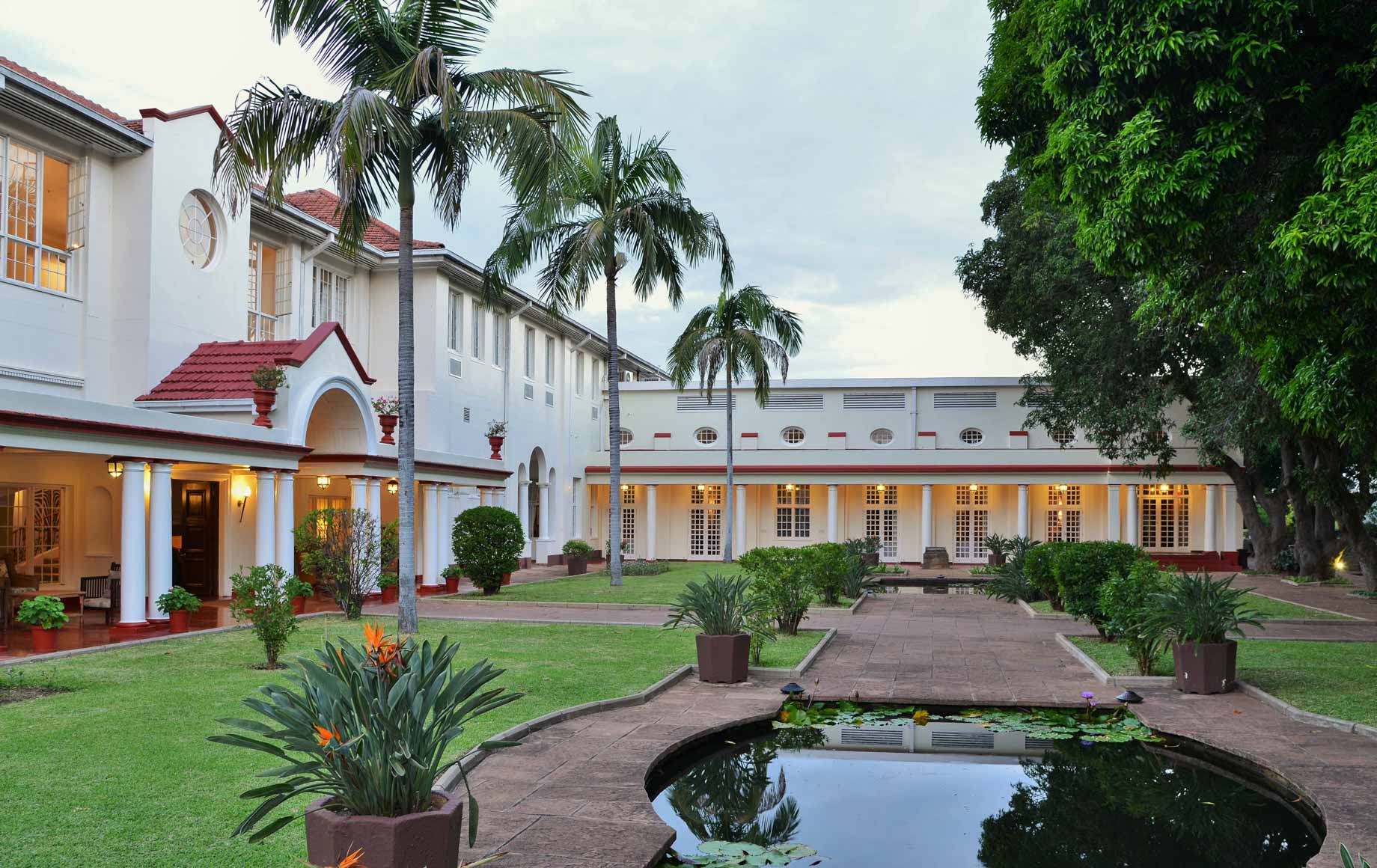
Park Entry Fees and the Cost of Accessing Victoria Falls
One of the most significant and unavoidable fees and costs at Victoria Falls is the national park entry fee required to access the waterfall viewpoints. These fees are charged per person, per day, and vary depending on whether the falls are visited from the Zambian or Zimbabwean side.
On the Zimbabwean side, the Victoria Falls National Park fee grants access to a network of well-maintained paths and panoramic viewpoints. On the Zambian side, entry to Mosi-oa-Tunya National Park provides access to closer, more immersive viewpoints. Fees and costs at Victoria Falls can therefore increase if visitors choose to explore both sides over multiple days, as each entry is charged separately.
These park fees contribute directly to conservation and maintenance efforts, supporting infrastructure, staff employment, and environmental protection. While they represent a noticeable expense, they are an integral part of preserving the falls for future generations.
Guided Tour Fees and Professional Services
Fees and costs at Victoria Falls often include guided tour expenses, particularly for travelers seeking deeper insight into the falls’ geology, history, and ecology. Guided walking tours of the falls typically involve a fixed fee per person and offer structured commentary that enhances understanding beyond independent exploration.
Professional guides are also required for certain activities, such as Devil’s Pool excursions, walking safaris, and specialized photography tours. These guided experiences add to fees and costs at Victoria Falls but also provide safety, context, and access that would not otherwise be possible.
Private guiding services are available at higher price points, catering to travelers seeking personalized experiences. While optional, these services can significantly enhance the quality of the visit for those who value depth and exclusivity.
Adventure Activity Costs at Victoria Falls
Adventure tourism is a major component of fees and costs at Victoria Falls. The destination is internationally recognized for activities such as white-water rafting, bungee jumping, zip-lining, gorge swinging, helicopter flights, and microlight experiences. Each activity carries its own pricing structure, often reflecting equipment costs, safety measures, and professional staffing.
White-water rafting, for example, is typically priced per person and includes transportation, equipment, and guides. Bungee jumping and gorge swings are priced individually, with optional photo and video packages available at additional cost. Scenic flights are among the more expensive activities, reflecting aircraft operation costs and limited passenger capacity.
When assessing fees and costs at Victoria Falls, travelers should consider which activities align most closely with their interests rather than attempting to do everything. Selective participation allows for budget control without diminishing the overall experience.
Transportation Costs at Victoria Falls
Transportation-related fees and costs at Victoria Falls include airport transfers, local taxis, shuttle services, and cross-border transport. Many hotels and lodges offer complimentary or paid transfers, which can simplify logistics and provide cost predictability.
Taxis within Victoria Falls town and Livingstone are generally affordable, though fares should be agreed upon in advance. Organized transfers between Zambia and Zimbabwe are more expensive than local taxis but include border assistance, which can save time and reduce stress.
For travelers joining day trips to nearby destinations such as Chobe National Park, transportation is usually included in the tour price. These bundled services represent good value when considering the cumulative fees and costs at Victoria Falls.
Accommodation Costs at Victoria Falls
Accommodation is one of the most variable components of fees and costs at Victoria Falls. Options range from budget guesthouses and hostels to mid-range hotels, luxury lodges, and exclusive safari camps. Prices fluctuate significantly depending on location, season, and level of service.
Luxury riverfront lodges command premium rates due to their secluded settings, personalized service, and inclusive activities. Mid-range hotels offer balanced pricing with reliable comfort and convenient access to town amenities. Budget accommodations provide the most economical options, allowing travelers to allocate more funds toward activities.
Seasonality strongly influences accommodation costs, with peak dry-season months attracting higher rates. Understanding these patterns helps travelers manage overall fees and costs at Victoria Falls more effectively.
Dining and Daily Living Costs at Victoria Falls
Fees and costs at Victoria Falls extend to daily expenses such as meals, beverages, and incidental purchases. Dining options range from local eateries and casual cafés to upscale restaurants within hotels and lodges. Prices generally reflect the establishment’s target market, with hotel dining being more expensive than local venues.
Street food and small restaurants offer affordable meals, while international-style restaurants cater to travelers seeking familiar cuisine. Drinks, particularly imported alcoholic beverages, may be priced higher due to transport costs. Budgeting for daily living costs ensures that travelers maintain financial comfort throughout their stay.
Currency Exchange and Payment Considerations
Currency-related considerations are an often-overlooked aspect of fees and costs at Victoria Falls. While US dollars are widely accepted, travelers should ensure that notes are in good condition, as damaged or older bills may be refused. Small denominations are particularly useful for tipping and minor expenses.
Credit and debit cards are accepted at many hotels and larger establishments, but transaction fees and occasional connectivity issues can occur. Carrying a mix of cash and cards helps manage fees and costs at Victoria Falls with greater flexibility.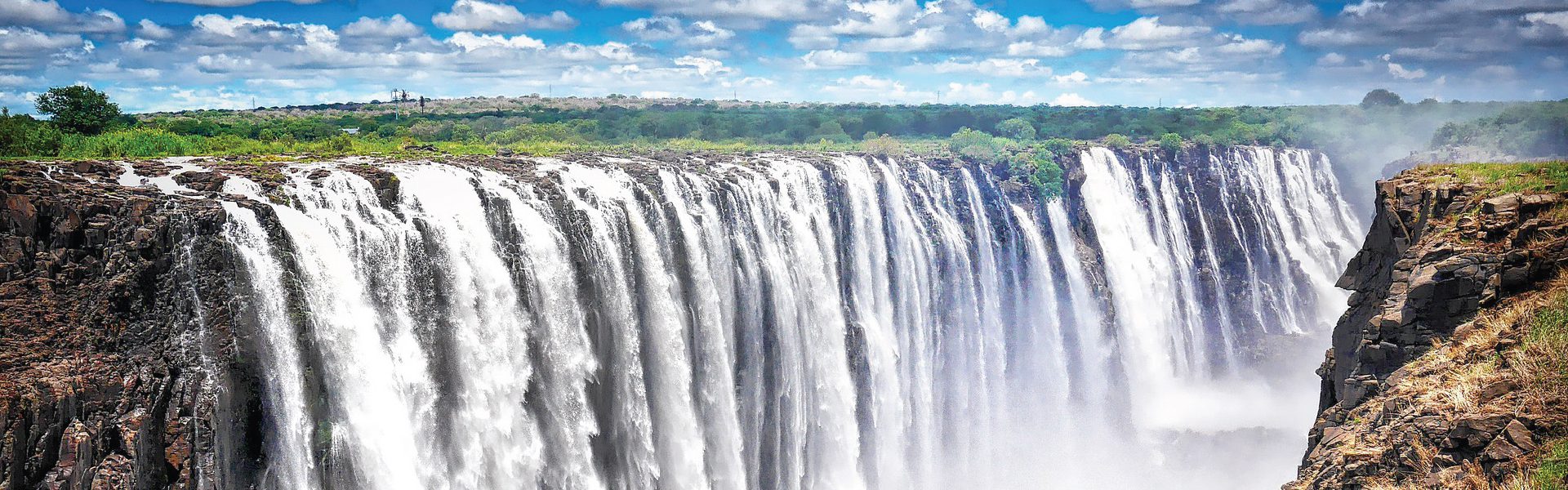
Tipping and Service-Related Costs
Tipping is customary in the tourism sector and forms part of the overall fees and costs at Victoria Falls. Guides, drivers, lodge staff, and activity operators often rely on tips as supplements to wages. While tipping amounts are discretionary, budgeting for this practice is considered respectful and appropriate.
Understanding local tipping norms helps travelers avoid awkward situations and ensures fair recognition of service quality. Including tips in the overall cost assessment provides a more accurate picture of fees and costs at Victoria Falls.
Seasonal Price Variations and Cost Planning
Fees and costs at Victoria Falls vary throughout the year due to seasonal demand, water levels, and weather conditions. Peak travel periods often see higher accommodation and activity prices, while low seasons may offer discounts and promotional packages.
Travelers flexible with timing can reduce fees and costs at Victoria Falls by visiting during shoulder seasons, when conditions remain favorable but demand is lower. Strategic planning allows for cost savings without sacrificing experience quality.
Fees and Costs at Victoria Falls for Families and Groups
Fees and costs at Victoria Falls can be optimized for families and groups through shared accommodations, group tours, and family-friendly packages. Many activity providers offer reduced rates for children, while lodges may provide family suites that lower per-person costs.
Group travel often benefits from negotiated rates and bundled services, reducing individual expenses. Understanding these opportunities helps families and groups manage fees and costs at Victoria Falls more efficiently.
Comparing Zambia and Zimbabwe in Terms of Costs
Fees and costs at Victoria Falls differ slightly between Zambia and Zimbabwe, though neither side is universally cheaper. Zimbabwe may offer lower park entry fees for certain nationalities, while Zambia provides exclusive experiences such as Devil’s Pool that justify higher activity costs.
Accommodation pricing also varies, with luxury lodges on both sides commanding similar rates. Evaluating costs in relation to desired experiences is more useful than seeking absolute price differences when comparing the two countries.
Managing Unexpected Expenses at Victoria Falls
Unexpected expenses are an inevitable part of travel, and fees and costs at Victoria Falls are no exception. Weather-related activity changes, additional park entries, or spontaneous experiences can add to the budget. Maintaining a contingency fund allows travelers to adapt without financial stress.
Travel insurance also plays a role in managing potential costs related to medical care, activity cancellations, or trip disruptions. Including insurance premiums in the overall budget provides a realistic view of total fees and costs at Victoria Falls.
Fees and Costs at Victoria Falls as an Investment in Experience
While fees and costs at Victoria Falls may appear substantial, they reflect the destination’s global significance, conservation needs, and service standards. Park fees support environmental protection, activity costs ensure safety and professionalism, and accommodation rates sustain local employment and infrastructure.
Viewing fees and costs at Victoria Falls as an investment rather than an expense reframes the experience as one of value and meaning. The destination offers returns in the form of unforgettable memories, personal perspective, and connection to one of the planet’s most extraordinary landscapes.
Final Thoughts on Fees and Costs at Victoria Falls
Fees and costs at Victoria Falls are multifaceted, shaped by geography, seasonality, activity choices, and personal travel style. With informed planning and clear priorities, the destination can be experienced at a wide range of budget levels without compromising its essence.
Understanding fees and costs at Victoria Falls empowers travelers to make intentional choices, ensuring that financial considerations support rather than limit exploration. When approached with awareness, the investment in visiting Victoria Falls yields rewards that extend far beyond monetary value.