When to Go Victoria Falls and Why Timing Shapes the Entire Experience
When to go Victoria Falls is one of the most important questions travelers ask when planning a trip to this iconic African destination. Unlike many travel locations that remain relatively consistent throughout the year, Victoria Falls transforms dramatically with the seasons. The volume of water, visibility, activities available, wildlife movement, weather conditions, and even the emotional impact of the falls all shift depending on the time of year. Understanding when to go Victoria Falls is therefore not simply about choosing dates but about aligning expectations with the kind of experience desired.
Victoria Falls lies along the Zambezi River on the border between Zambia and Zimbabwe, and its seasonal rhythm is dictated almost entirely by rainfall patterns across southern Africa. As the river swells and recedes, the falls reveal different personalities, each equally compelling in its own way. From thunderous cascades and enveloping mist to exposed rock faces and adrenaline-filled activities, when to go Victoria Falls determines how the destination is encountered, felt, and remembered.
Understanding the Seasons Before Deciding When to Go Victoria Falls
When to go Victoria Falls is best understood by examining the region’s distinct seasonal cycles rather than conventional calendar months. Southern Africa experiences a wet season and a dry season, with transitional periods in between. These seasonal shifts directly affect water levels at the falls, accessibility, climate comfort, and the overall atmosphere of the destination.
The wet season typically runs from November through March, bringing heavy rainfall upstream along the Zambezi River. This rainfall feeds the falls, leading to peak water levels several weeks later. The dry season, from May through October, sees little to no rainfall, causing water levels to gradually decline. These natural rhythms mean that when to go Victoria Falls must be considered in relation to water flow rather than temperature alone.
When to Go Victoria Falls for Maximum Water Flow and Dramatic Power
When to go Victoria Falls for the most dramatic and powerful display is during the high-water period, usually between February and May. This is when the Zambezi River reaches its fullest capacity, sending enormous volumes of water over the edge of the gorge. During this time, the falls are at their loudest, widest, and most awe-inspiring, producing towering plumes of mist that can rise hundreds of meters into the air.
Visitors during peak flow often describe the experience as overwhelming in the best possible way. The sound of the water is constant and thunderous, the air is heavy with moisture, and visibility is often softened by mist. Rainbows frequently appear, sometimes forming full circular arcs. When to go Victoria Falls during this period is ideal for travelers who want to witness nature at its most powerful and do not mind getting wet or sacrificing perfectly clear views for raw intensity.
However, it is important to note that during extreme high-water periods, some viewpoints may be partially obscured by mist, particularly on the Zambian side. Activities such as swimming in Devil’s Pool are not available at this time due to safety concerns. Even so, for those seeking emotional impact and grandeur, this remains one of the most compelling answers to when to go Victoria Falls.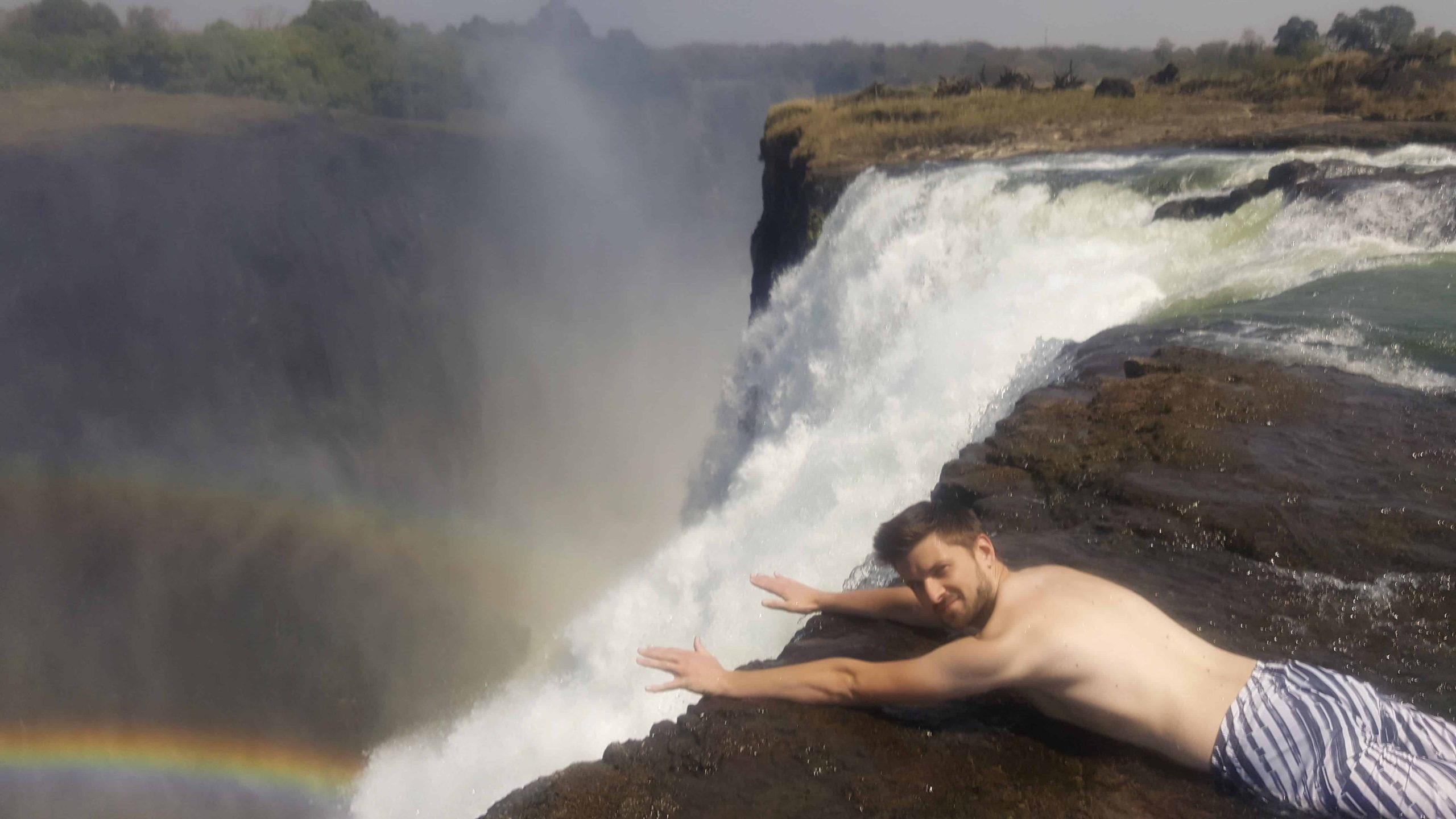
When to Go Victoria Falls for Clear Views and Photography
When to go Victoria Falls for optimal visibility and photography generally falls within the shoulder seasons, particularly from June to August. During these months, water levels remain strong enough to maintain the falls’ impressive scale, while mist becomes more manageable. This balance allows for clearer views of the entire curtain of water and the underlying rock formations.
Photographers often favor this period because lighting conditions are more predictable, skies are clearer, and viewpoints are less saturated with spray. The surrounding rainforest remains green and vibrant from the recent wet season, creating striking contrasts between foliage, rock, and water. When to go Victoria Falls during this time offers a harmonious blend of power and clarity, making it suitable for first-time visitors who want to see the falls in their most balanced form.
Temperatures during these months are also comfortable, with cooler mornings and mild afternoons. This climatic stability enhances walking experiences along the falls and allows for extended time outdoors without discomfort. For many travelers, this period represents the most versatile answer to when to go Victoria Falls.
When to Go Victoria Falls for Adventure Activities
When to go Victoria Falls for adventure-focused travel is closely tied to lower water levels, typically from August through December. As the Zambezi River recedes, the falls reveal more of their geological structure, and water conditions downstream become ideal for adrenaline activities. White-water rafting reaches peak intensity during this period, with exposed rapids and fast-moving currents creating some of the world’s most challenging rafting conditions.
Devil’s Pool, one of Victoria Falls’ most iconic experiences, is only accessible during low-water months, usually from late August to early January, depending on river conditions. This natural rock pool allows guided swimmers to approach the very edge of the falls safely, offering a perspective that feels both thrilling and surreal. When to go Victoria Falls for this experience is therefore limited but highly sought after.
Bungee jumping, gorge swinging, zip-lining, and microlight flights operate year-round, but clearer skies and reduced mist during the dry season enhance visibility and comfort. For travelers driven by excitement and physical engagement, this period provides a compelling answer to when to go Victoria Falls.
When to Go Victoria Falls for Wildlife Viewing
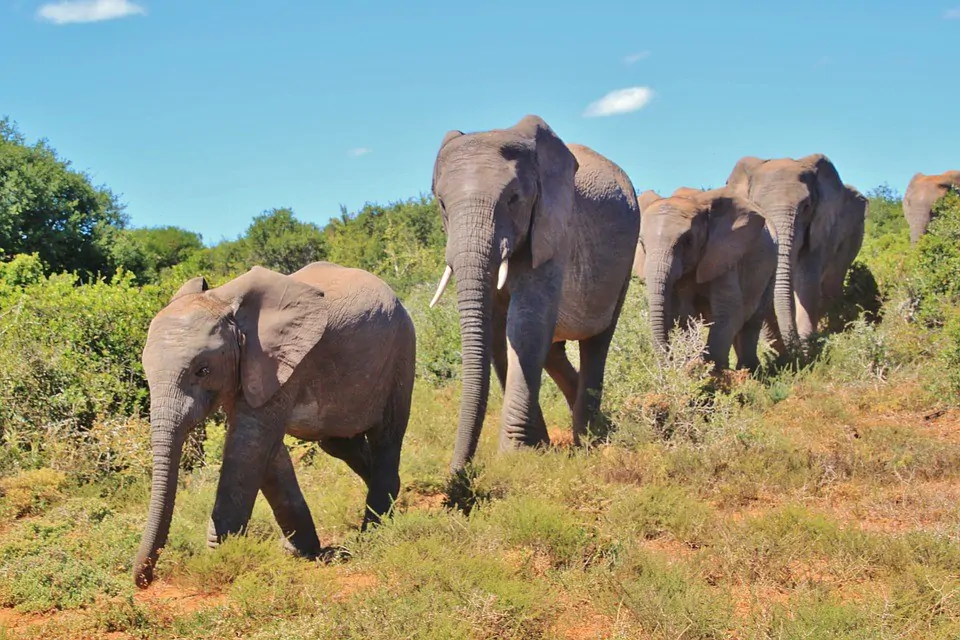
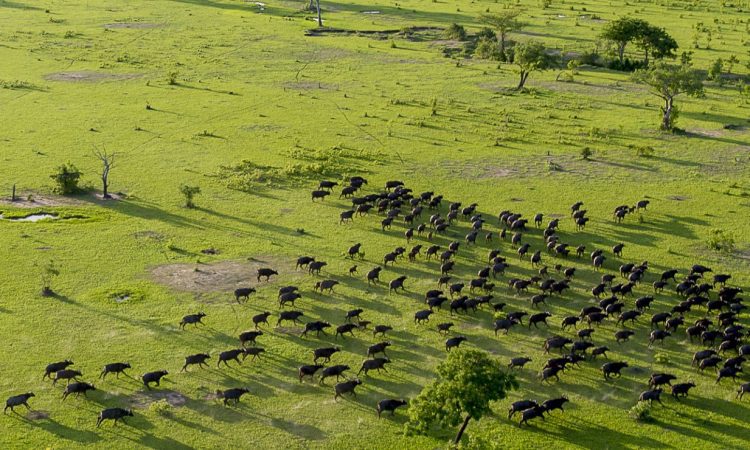
When to go Victoria Falls for wildlife encounters is most favorable during the dry season, from June through October. As water sources become scarcer across the broader landscape, animals congregate along the Zambezi River and nearby waterholes. This concentration increases the likelihood of sightings, particularly of elephants, buffalo, hippos, crocodiles, and a wide range of bird species.
National parks such as Zambezi National Park in Zimbabwe and Mosi-oa-Tunya National Park in Zambia become particularly rewarding during this time. Vegetation thins out, improving visibility, while cooler temperatures encourage daytime animal activity. When to go Victoria Falls during these months allows travelers to combine waterfall exploration with high-quality safari experiences without traveling far from the falls.
This period also aligns well with day trips to nearby destinations such as Chobe National Park in Botswana, further enhancing wildlife opportunities. For travelers seeking a balanced itinerary that includes both natural spectacle and animal encounters, the dry season offers a strong answer to when to go Victoria Falls.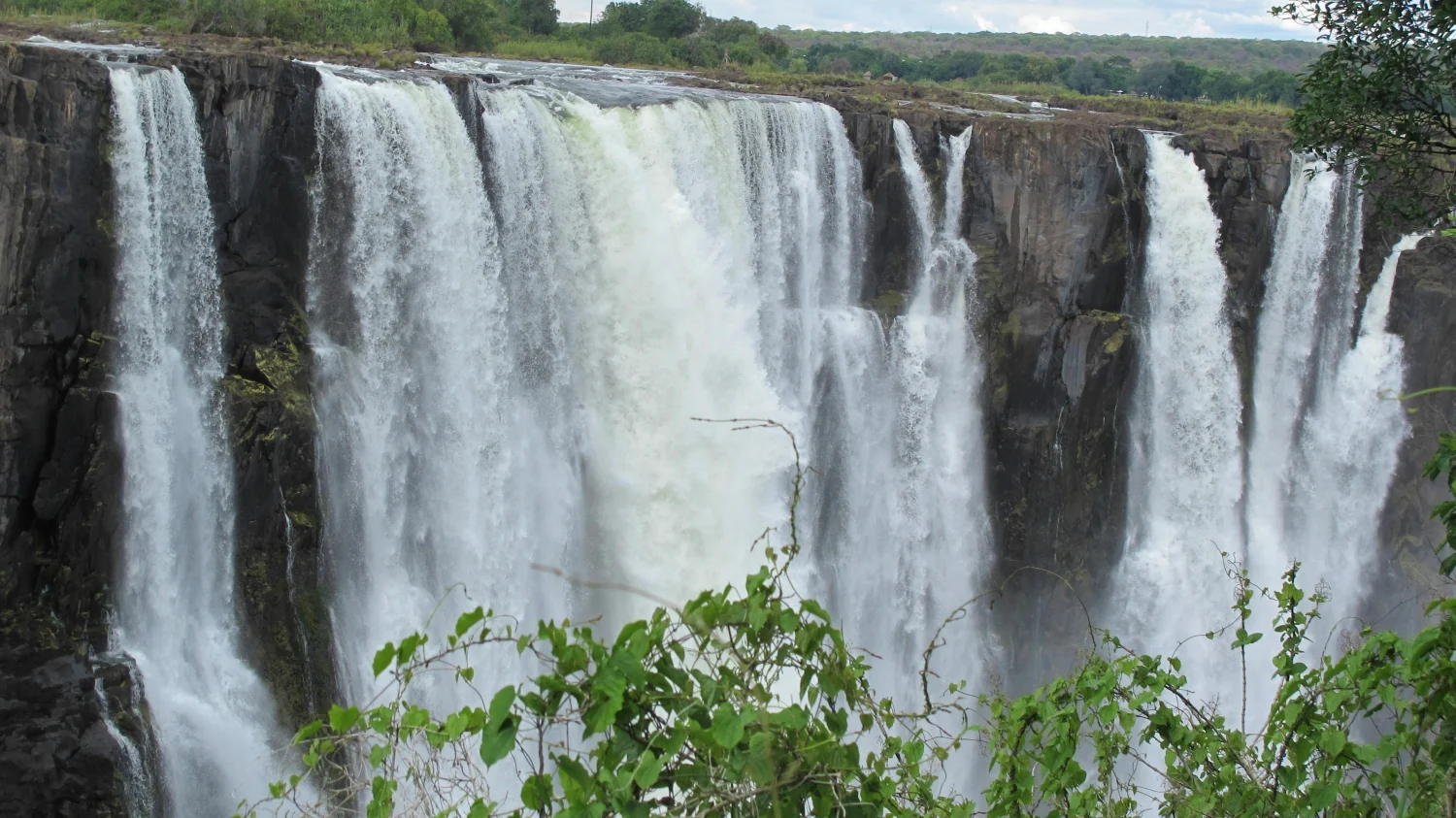
When to Go Victoria Falls for Budget-Friendly Travel
When to go Victoria Falls for cost-conscious travelers often points toward the low season, which generally overlaps with parts of the wet season from November to March. During this time, accommodation rates may be lower, and tour availability is often more flexible. Fewer visitors mean less crowding at viewpoints and a more relaxed pace overall.
While high water levels and rainfall can affect certain activities, many travelers appreciate the lush landscapes and dramatic atmosphere that characterize this season. Thunderstorms tend to be brief and intense rather than continuous, often occurring in the late afternoon or evening. When to go Victoria Falls during this period can therefore offer excellent value for travelers who prioritize atmosphere and affordability over activity variety.
It is worth noting that December and early January may see a temporary increase in visitor numbers due to holiday travel, particularly from regional markets. Even so, this period still provides opportunities for cost-effective travel compared to peak dry-season months.
When to Go Victoria Falls for Climate Comfort
When to go Victoria Falls based on climate comfort depends largely on temperature tolerance. The hottest months are typically October and November, just before the onset of the rainy season. Daytime temperatures can be intense, often exceeding 35°C, particularly on the Zimbabwean side. While the falls themselves provide some cooling through mist and shade, these conditions may be challenging for travelers unaccustomed to extreme heat.
The coolest months occur between June and July, with early mornings and evenings sometimes feeling chilly. Daytime temperatures during this period are generally pleasant, making outdoor exploration comfortable and enjoyable. When to go Victoria Falls during these cooler months suits travelers who prefer mild weather and extended walking opportunities without heat fatigue.
Understanding personal comfort levels is therefore essential when deciding when to go Victoria Falls, as climate plays a significant role in shaping daily experiences.
When to Go Victoria Falls for Romantic and Leisure Travel
When to go Victoria Falls for romance and relaxation often aligns with periods of moderate water flow and stable weather, particularly from June to September. During these months, luxury lodges and riverfront hotels offer serene settings with predictable conditions for sunset cruises, private dining experiences, and spa treatments.
The calmer atmosphere of the dry season enhances opportunities for quiet moments and uninterrupted views, making it ideal for honeymoons, anniversaries, and milestone celebrations. When to go Victoria Falls during this period allows couples to enjoy both adventure and tranquility without compromise.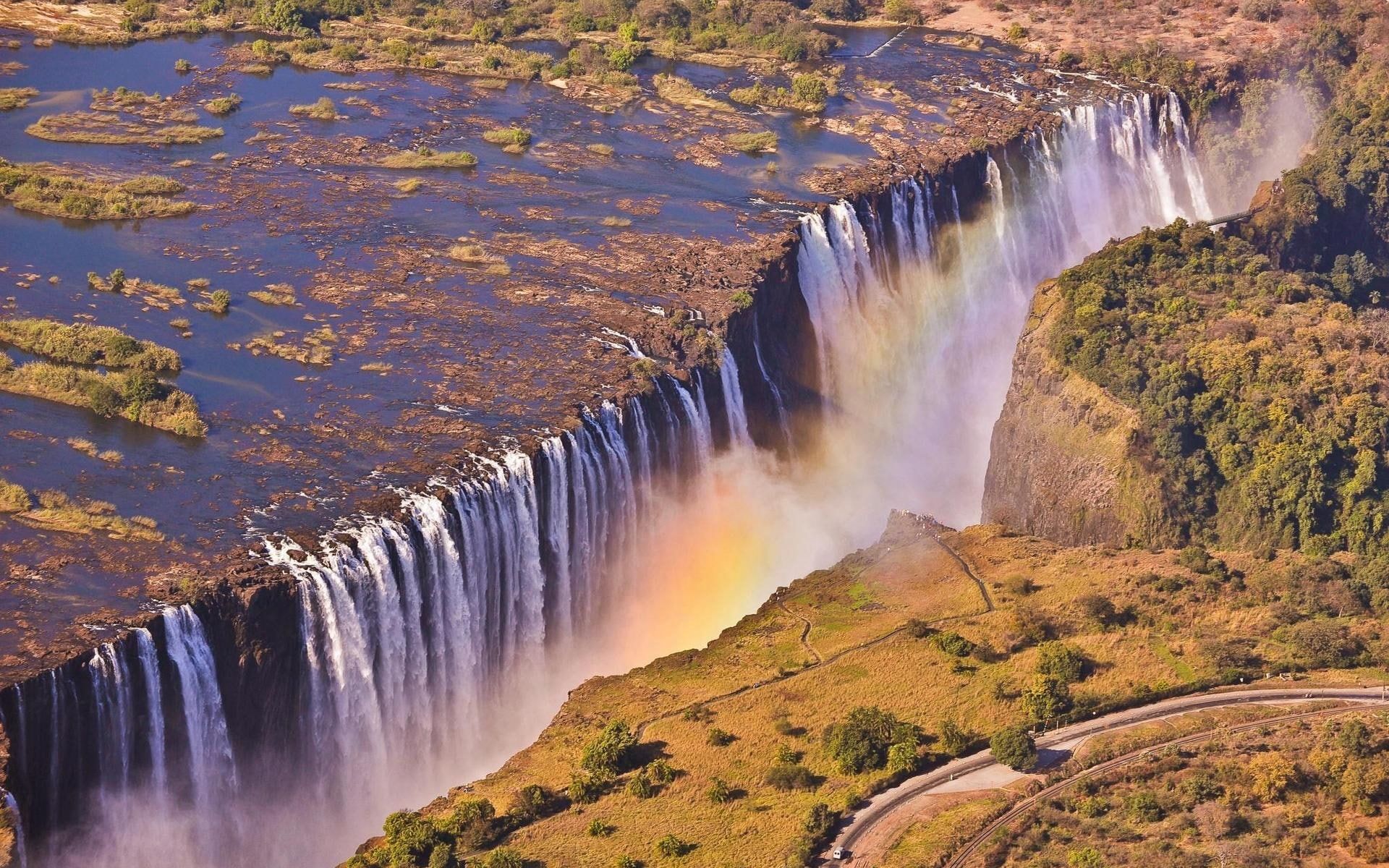
When to Go Victoria Falls for Repeat Visitors
When to go Victoria Falls becomes a more nuanced question for repeat visitors who wish to experience the falls in different states. Returning during an opposite season can feel like visiting an entirely new destination. Those who first encountered the falls during peak flow may be astonished by the exposed rock formations and intimate perspectives of the low-water season, while dry-season visitors may find the wet season’s intensity deeply moving.
This seasonal duality ensures that when to go Victoria Falls remains a relevant and evolving question, even for those who have already experienced the destination. Each visit reveals new dimensions of the landscape, reinforcing its enduring appeal.
When to Go Victoria Falls for a Complete Understanding of the Destination
When to go Victoria Falls ultimately depends on aligning travel goals with seasonal realities. There is no single “best” time that satisfies every preference simultaneously. Instead, the best time is defined by priorities, whether they center on power, clarity, adventure, wildlife, budget, or comfort.
Victoria Falls rewards informed travelers who understand that timing shapes not just what they see, but how they feel during the experience. By choosing when to go Victoria Falls with intention, visitors position themselves for a journey that resonates deeply and remains memorable long after the mist has settled.
Final Thoughts on When to Go Victoria Falls
When to go Victoria Falls is a question that reflects the destination’s complexity and richness. The falls are not static; they are alive, responsive, and ever-changing. Each season offers a distinct narrative, inviting travelers to engage with the landscape in different ways.
Rather than seeking a universally perfect moment, understanding when to go Victoria Falls allows travelers to embrace the version of the destination that best aligns with their aspirations. In doing so, the journey becomes not just a visit, but a meaningful encounter with one of the world’s greatest natural wonders.