Highest Impact Safaris

Highest Impact Safaris in Africa
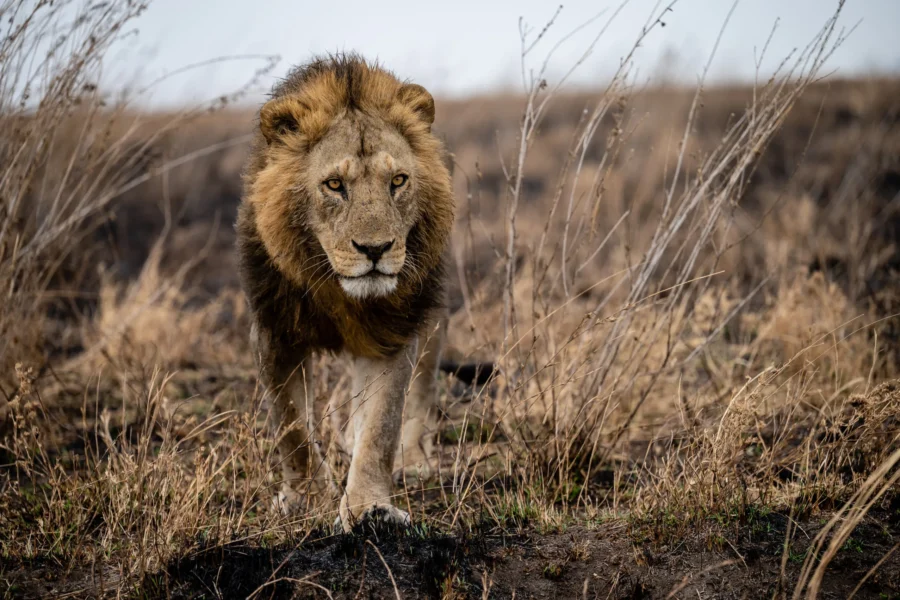
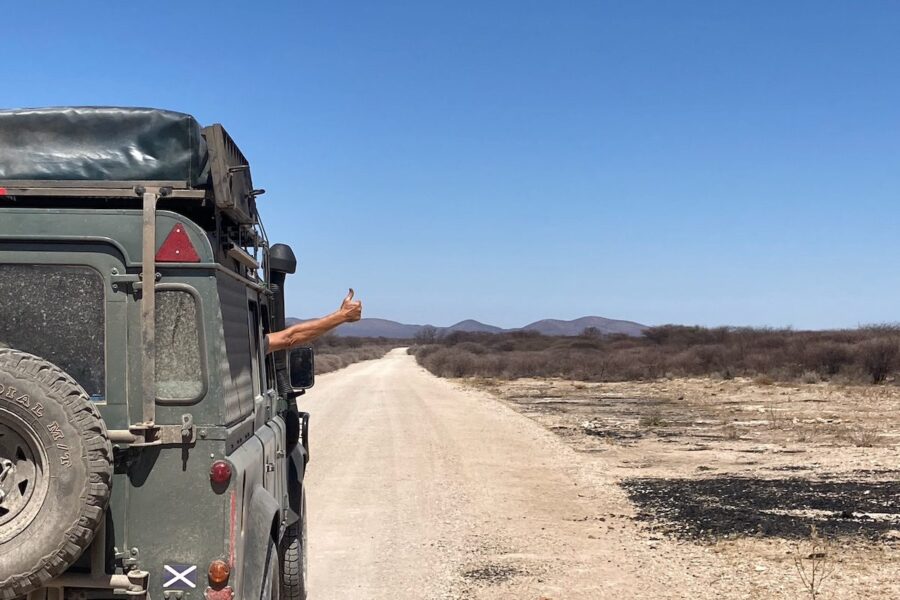
Africa is globally renowned for its spectacular wildlife, breathtaking landscapes, and cultural richness. But modern travelers increasingly seek more than a standard safari—they want high-impact experiences that make a meaningful difference for wildlife, ecosystems, and local communities. Highest impact safaris in Africa combine thrilling wildlife encounters with sustainability, conservation, and social responsibility, allowing travelers to leave a positive legacy while exploring some of the world’s most remarkable destinations.
These safaris are carefully designed to maximize both experience and impact. Whether you are tracking endangered species, participating in anti-poaching initiatives, supporting community development, or visiting eco-friendly lodges, high-impact safaris allow travelers to contribute to conservation and development while immersing themselves in authentic African landscapes. This detailed guide explores everything about high-impact safaris, including destinations, experiences, accommodations, planning tips, and why they represent the future of responsible African travel.
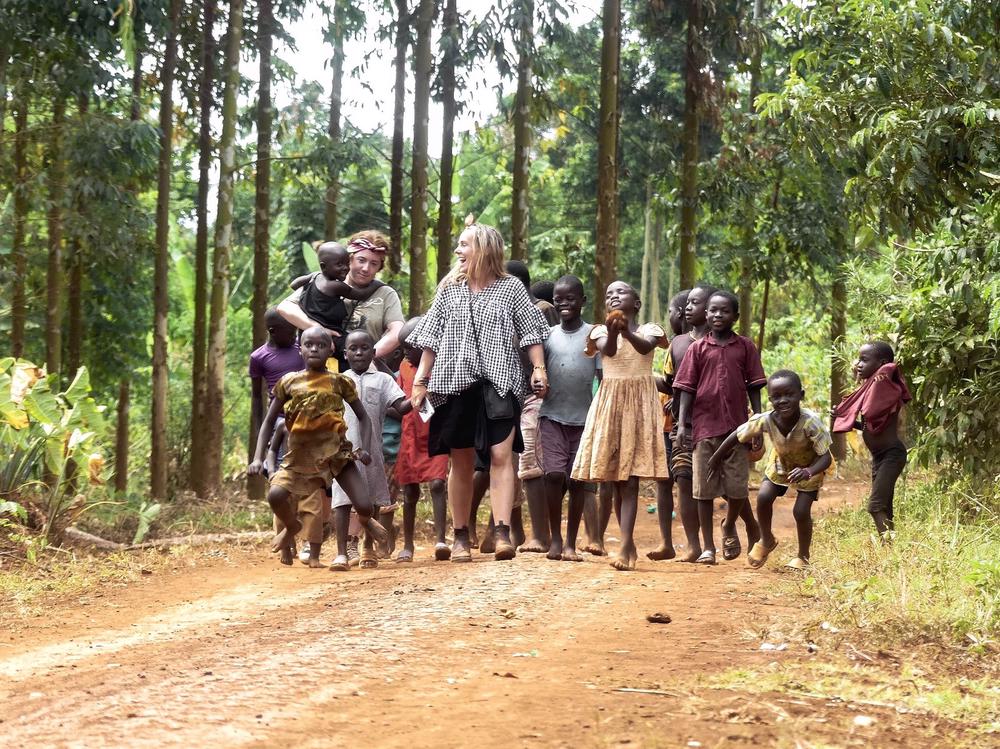 What Are High-Impact Safaris?
High-impact safaris are purposeful, ethical, and sustainable travel experiences that prioritize conservation and community benefits alongside traditional safari activities.
Key Features
-
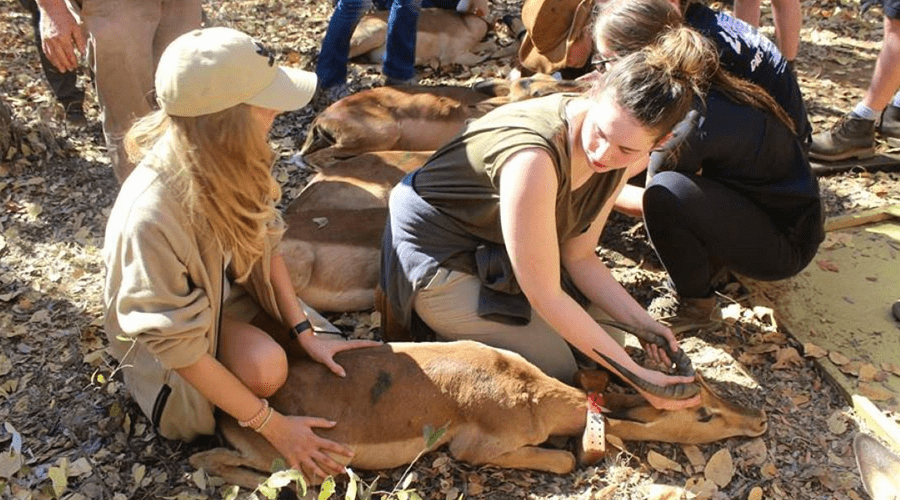
Wildlife Conservation: Activities that directly protect endangered species and habitats.
-
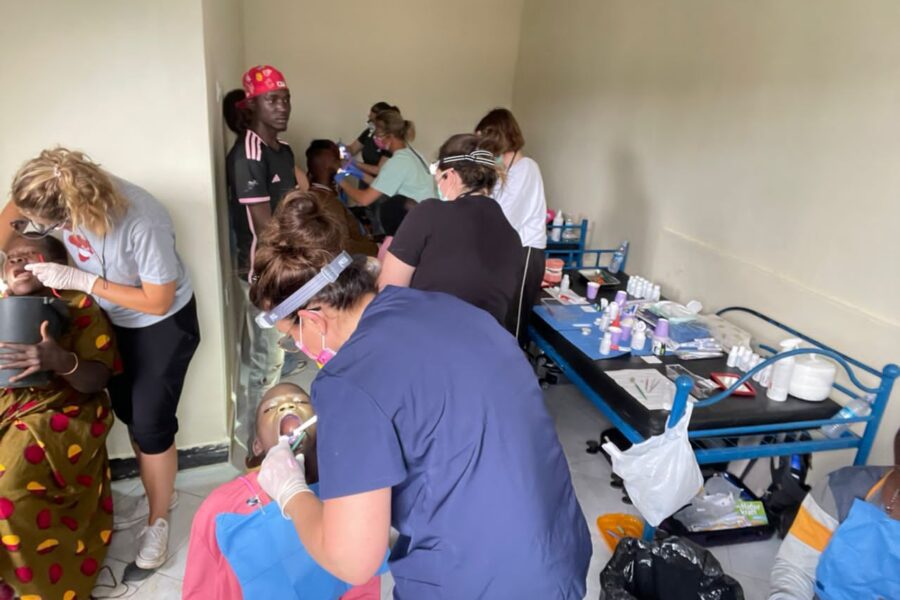
Community Engagement: Projects supporting local livelihoods, education, or healthcare.
-
Sustainable Tourism Practices: Eco-lodges, renewable energy, and minimal environmental impact.
-
Responsible Wildlife Viewing: Observing animals in natural settings without disruption.
-
Education and Advocacy: Travelers gain knowledge and support long-term conservation goals.
In essence, high-impact safaris ensure that your trip creates measurable positive outcomes for the places and people you visit.
Why High-Impact Safaris Are Important
1. Conservation of Wildlife
Africa’s wildlife faces numerous threats:
-
Poaching of rhinos, elephants, and big cats
-
Habitat loss from agriculture and urban expansion
-
Climate change impacts
High-impact safaris fund anti-poaching efforts, research, and habitat preservation.
2. Support for Local Communities
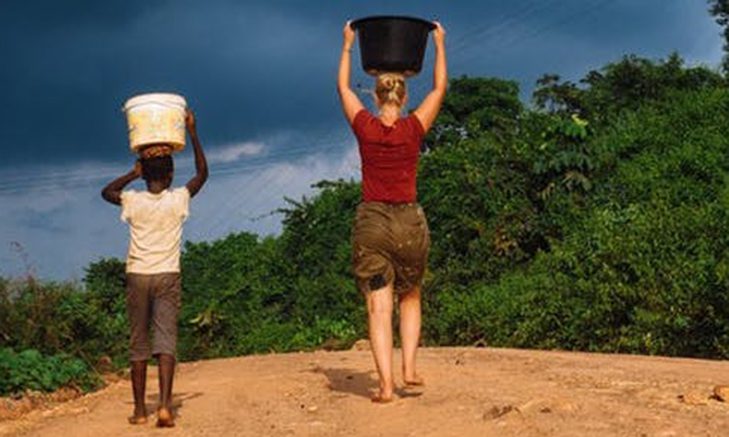
Many African communities rely on tourism income. High-impact safaris:
-
Provide employment opportunities
-
Fund schools, clinics, and infrastructure
-
Promote cultural preservation
3. Sustainable Travel
High-impact safaris encourage environmentally friendly practices, including:
-
Renewable energy at lodges
-
Responsible waste management
-
Limited environmental footprint
4. Ethical Wildlife Encounters
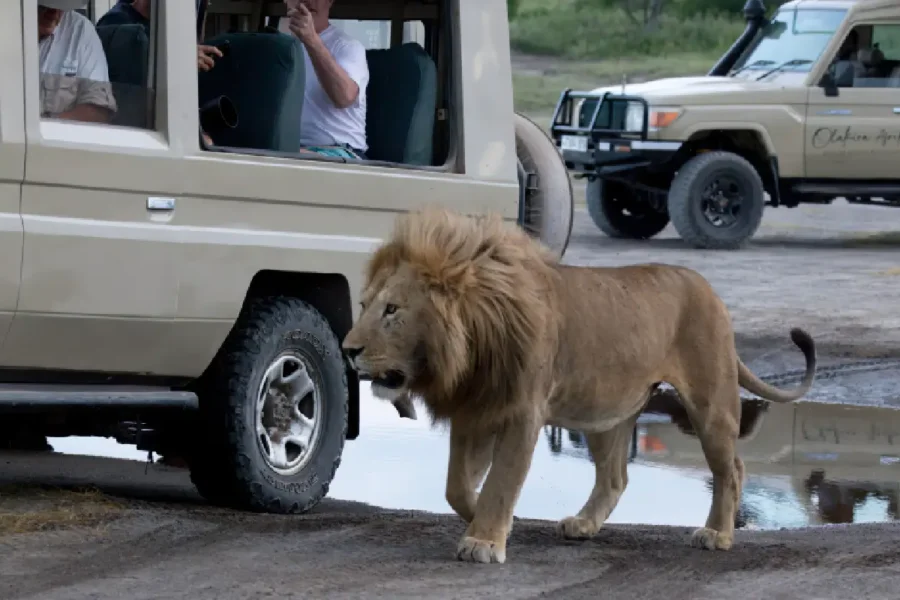
Guests can witness animals responsibly, avoiding harmful practices like cub petting or habitat disruption.
Filter
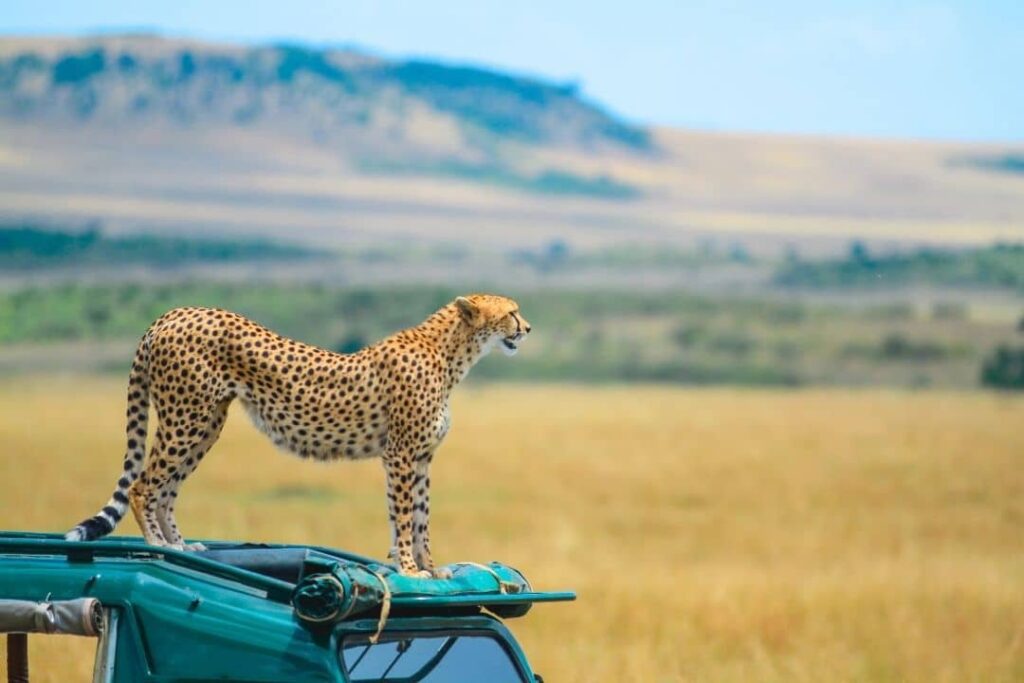
12 Days Serengeti Masai Mara and Gorillas Itinerary
12 Days Serengeti Masai Mara and Gorillas Itinerary
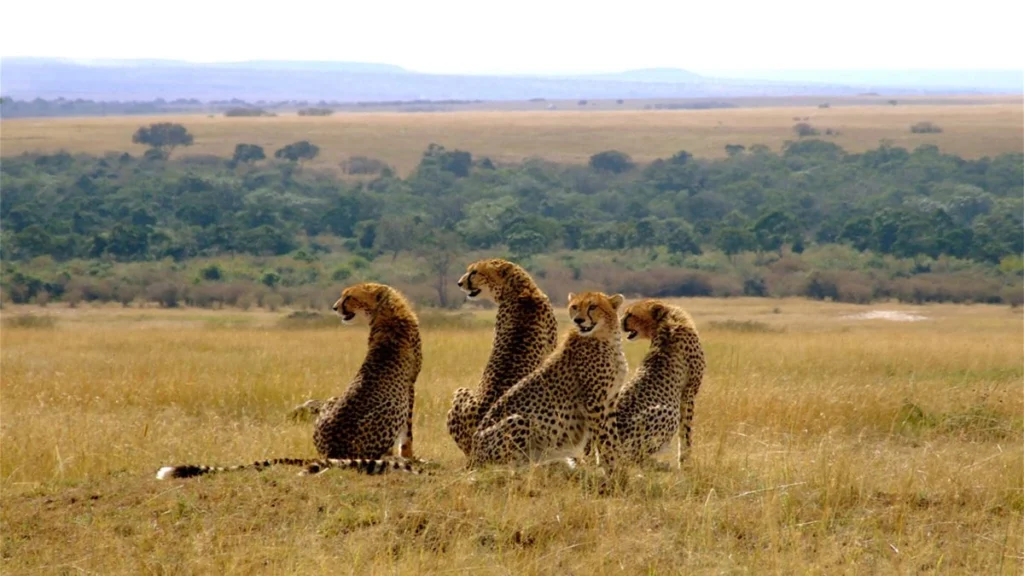
12 Days Serengeti Masai Mara and Gorillas
12 Days Serengeti Masai Mara and Gorillas
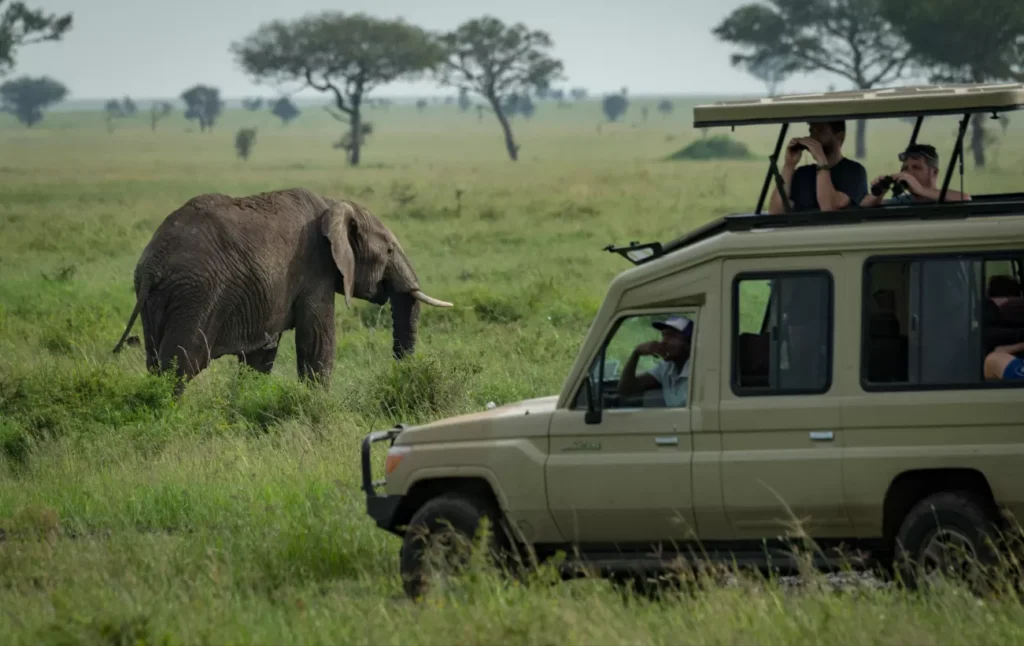
14 Days Tanzania Wildlife Safaris and Zanzibar Island
14 Days Tanzania Wildlife Safaris and Zanzibar Island
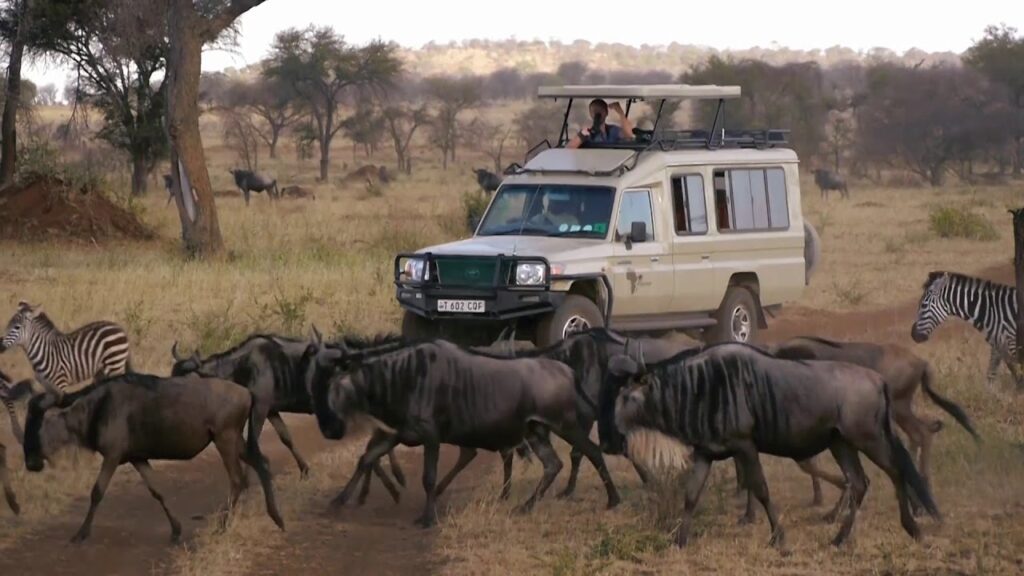
14 Days wildebeest migration gorillas and victoria falls
14 Days wildebeest migration gorillas and victoria falls
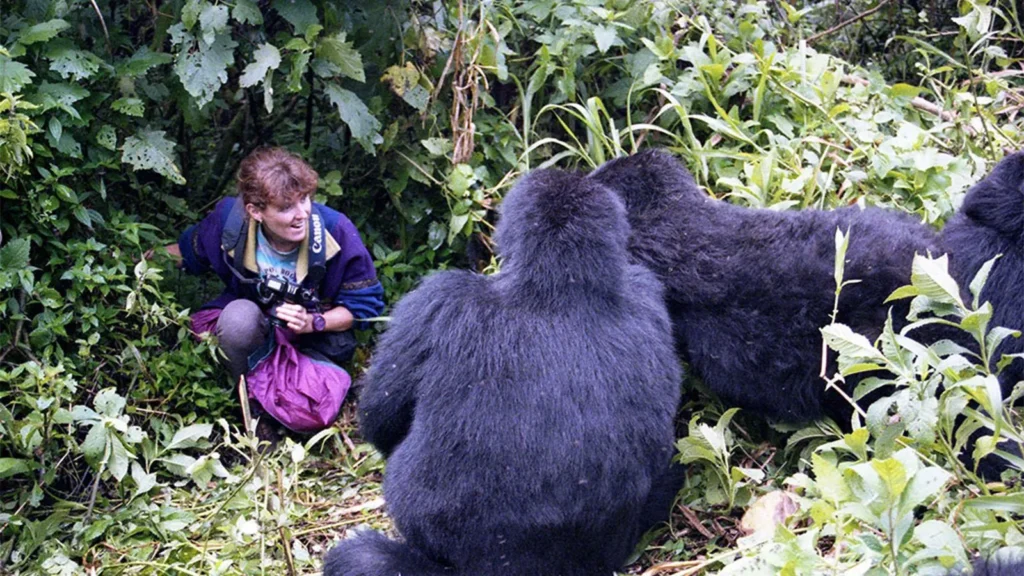
The 2-Day Express Luxury Gorilla Trekking Experience
The 2-Day Express Luxury Gorilla Trekking Experience
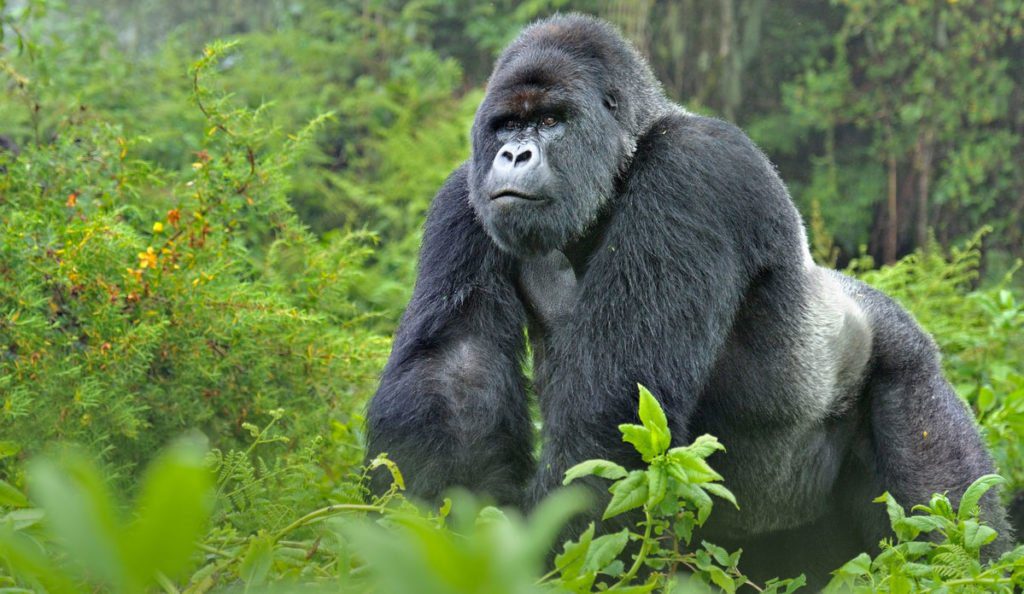
10 Days Ultimate Rwanda – Uganda Safari
10 Days Ultimate Rwanda – Uganda Safari
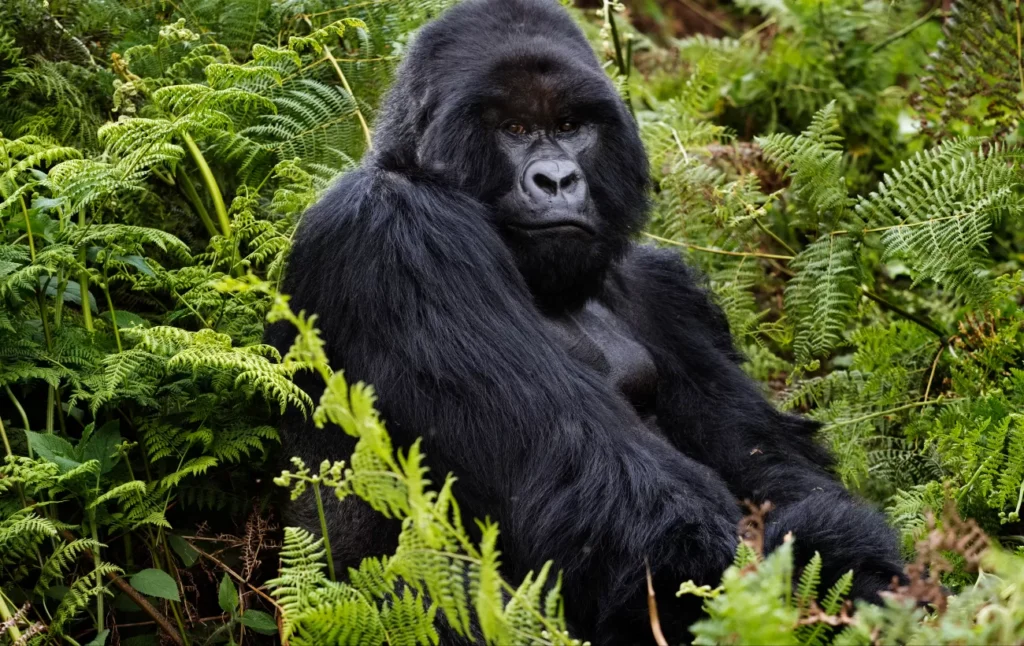
8 days primate and wildlife safari in Rwanda.
8 days primate and wildlife safari in Rwanda.
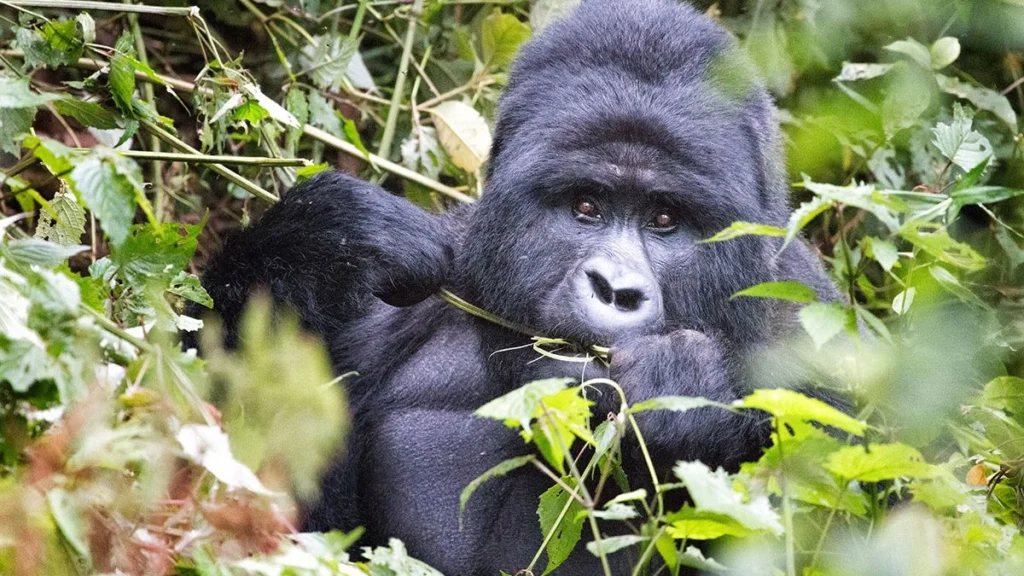
East African Great Apes
East African Great Apes
Top Destinations for High-Impact Safaris in Africa
1. Botswana – Conservation and Exclusive Wildlife
Botswana is renowned for high-value, low-impact tourism, making it a leader in high-impact safaris.
Key Regions
-
Okavango Delta: Wetlands, mokoro safaris, and pristine wilderness
-
Linyanti and Savuti: Predator-rich landscapes with minimal visitor impact
-
Chobe National Park: Elephant conservation initiatives
High-Impact Activities
-
Support anti-poaching patrols
-
Wildlife monitoring and research
-
Eco-friendly lodges with renewable energy
Botswana’s model emphasizes small groups, high-quality experiences, and community benefit.
2. South Africa – Community and Conservation Safaris
South Africa combines world-class wildlife with community-focused initiatives.
Key High-Impact Locations
-
Sabi Sands Game Reserve: Anti-poaching programs and leopard research
-
Madikwe Game Reserve: Malaria-free conservation safaris
-
Addo Elephant National Park: Elephant monitoring and eco-tourism projects
High-Impact Activities
-
Tracking predators with expert guides
-
Engaging with local schools and conservation education programs
-
Supporting eco-friendly lodge operations
South Africa also allows seamless city, wine, and coastal extensions, creating a diverse, sustainable travel experience.
3. Kenya – Community-Led Safaris
Kenya is famous for community conservancies that combine wildlife protection with local development.
Key High-Impact Destinations
-
Maasai Mara Conservancies: Protect wildlife and support Maasai livelihoods
-
Laikipia Plateau: Predator monitoring and habitat restoration
-
Amboseli Conservancies: Elephant-focused conservation initiatives
High-Impact Activities
-
Guiding game drives with local community members
-
Participating in anti-poaching and wildlife research
-
Supporting school and healthcare projects in nearby villages
Kenya exemplifies holistic impact safaris, where every visitor contributes to conservation and local prosperity.
4. Tanzania – High-Impact Wilderness Safaris
Tanzania offers vast landscapes and iconic wildlife, ideal for high-impact experiences.
Key Regions
-
Serengeti National Park: Migration management and habitat preservation
-
Ngorongoro Conservation Area: Integrated conservation and community tourism
-
Selous (Nyerere) National Park: Remote wilderness conservation
High-Impact Activities
-
Guided participation in research and anti-poaching patrols
-
Sustainable lodge stays benefiting local communities
-
Volunteer opportunities with wildlife monitoring programs
Tanzania’s model ensures large-scale wildlife conservation integrated with local livelihoods.
5. Uganda and Rwanda – Primate Conservation Safaris
These countries offer intimate, high-impact wildlife encounters focused on endangered primates.
Key Locations
-
Bwindi Impenetrable Forest, Uganda: Mountain gorilla conservation
-
Volcanoes National Park, Rwanda: Gorilla tracking and anti-poaching initiatives
-
Kibale Forest, Uganda: Chimpanzee monitoring
High-Impact Activities
-
Gorilla trekking guided by conservation experts
-
Volunteer in research and forest protection
-
Support local eco-lodges and community programs
Primate-focused safaris have a direct impact on endangered species protection.
Types of High-Impact Safari Experiences
1. Anti-Poaching and Wildlife Monitoring
-
Join ranger teams on patrol
-
Assist with camera trap monitoring
-
Contribute to wildlife tracking and research data
These experiences are not only thrilling but vital for protecting endangered species like rhinos, elephants, and big cats.
2. Community Development Safaris
-
Work with local schools and orphanages
-
Engage in healthcare awareness campaigns
-
Support sustainable livelihoods such as beekeeping or craft programs
Tourism revenue often directly funds these initiatives, creating tangible community benefits.
3. Eco-Lodges and Sustainable Tourism
-
Stay in lodges that use solar energy, composting, and eco-friendly architecture
-
Participate in lodge conservation programs
-
Learn about responsible travel practices
This ensures that your safari supports long-term sustainability.
4. Research and Citizen Science Safaris
-
Assist in wildlife research projects
-
Document sightings and behavior for conservation studies
-
Participate in biodiversity surveys
These safaris contribute to scientific knowledge and long-term preservation strategies.
Benefits of High-Impact Safaris
-
Positive Environmental Impact
-
Funding anti-poaching and conservation efforts
-
Supporting habitat restoration
-
-
Socio-Economic Contributions
-
Providing jobs and income for local communities
-
Supporting schools, clinics, and infrastructure
-
-
Personal Growth and Education
-
Learning about wildlife, ecology, and culture
-
Developing awareness of conservation challenges
-
-
Unique and Authentic Experiences
-
Close encounters with wildlife
-
Insight into community life and conservation work
-
High-impact safaris combine adventure, learning, and responsibility, offering a richer experience than traditional tourism.
Planning a High-Impact Safari
1. Choose Your Focus
Decide if your priority is wildlife conservation, community development, or eco-tourism.
2. Select a Responsible Operator
-
Verify their partnerships with NGOs or local communities
-
Ensure ethical practices, including responsible wildlife interaction
3. Determine Duration
-
Short-term high-impact safaris: 7–10 days
-
Volunteer or research-intensive trips: 2–4 weeks
4. Prepare for Travel
-
Health precautions (vaccinations, malaria prophylaxis where needed)
-
Ethical packing and environmentally friendly choices
-
Cultural sensitivity and readiness to engage
Best Times for High-Impact Safaris
-
East Africa (Kenya, Tanzania, Uganda, Rwanda): June–October and December–March for wildlife viewing
-
Southern Africa (Botswana, South Africa, Namibia, Zimbabwe): May–October (dry season for optimal wildlife activity)
-
Coastal and Eco-Lodges Projects: Year-round, adjusted for rainy seasons
Timing should align with wildlife patterns, conservation activities, and seasonal accessibility.
Accommodation for High-Impact Safaris
-
Eco-Lodges
-
Solar-powered, low-impact construction
-
Community partnerships and wildlife-friendly practices
-
-
Luxury Conservation Camps
-
Exclusive safari experiences supporting anti-poaching
-
Personal guides and sustainable practices
-
-
Volunteer Lodges
-
Budget-friendly options supporting projects
-
Close proximity to research or community sites
-
Choosing accommodations that prioritize sustainability ensures your trip truly has a positive impact.
High-Impact Safari vs. Traditional Safari
| Feature | High-Impact Safari | Traditional Safari |
|---|---|---|
| Contribution | Conservation, community, sustainability | Mainly sightseeing |
| Education | High – guides explain ecology and social context | Moderate |
| Activities | Anti-poaching, research, volunteering | Game drives only |
| Environmental Practices | Sustainable lodges, low impact | May vary |
| Personal Reward | Tangible impact and learning | Primarily leisure and wildlife viewing |
High-impact safaris offer greater depth, meaning, and contribution.
Combining High-Impact Safaris with Adventure or Luxury
-
Luxury lodges with conservation programs: Private safaris supporting anti-poaching
-
Adventure safaris: Walking, hiking, or canoeing combined with research
-
Family high-impact safaris: Child-friendly conservation programs and educational activities
These combinations enhance both enjoyment and contribution.
Why Travelers Choose High-Impact Safaris
-
Desire to make a positive difference
-
Interest in sustainable and ethical travel
-
Passion for wildlife, culture, and communities
-
Seeking meaningful, transformative experiences
High-impact safaris represent a new era of responsible African travel—one where your journey benefits both you and the destinations you visit.
Highest impact safaris in Africa redefine the safari experience. They combine the thrill of wildlife encounters with ethical, responsible, and transformative travel. From tracking endangered species and volunteering in communities to staying in eco-lodges and supporting sustainable tourism, these safaris ensure that your journey leaves a lasting legacy.
For travelers seeking adventure, education, and meaningful contribution, high-impact safaris are the ultimate African experience—offering memories that last a lifetime while supporting the continent’s most precious wildlife and communities.