How Much Does It Cost to Go Wildlife Safari Tanzania
Understanding how much does it cost to go wildlife safari Tanzania is one of the most important steps when planning an African safari. Tanzania is globally regarded as one of the finest safari destinations in the world, offering iconic wildlife experiences, vast protected ecosystems, and exceptional guiding standards. However, the cost of a wildlife safari in Tanzania can vary significantly depending on several interconnected factors, including travel style, accommodation level, duration, season, and the regions visited.
This in-depth guide has been carefully developed to provide a clear, apparent, and experience-driven explanation of how much does it cost to go wildlife safari Tanzania, helping travelers make informed decisions while aligning expectations with real-world safari pricing. The focus is placed on transparency, accuracy, and practical understanding, ensuring the information reflects how safaris are actually priced on the ground.
Introduction to How Much Does It Cost to Go Wildlife Safari Tanzania
The question how much does it cost to go wildlife safari Tanzania cannot be answered with a single figure, as Tanzania safaris are highly customizable and designed to suit a wide range of travelers. Safari costs are shaped by Tanzania’s conservation-first tourism model, which prioritizes quality over quantity. This model results in fewer visitors, lower crowding, and more authentic wildlife encounters, but it also influences overall pricing.
Rather than offering mass-market tourism, Tanzania focuses on immersive, professionally guided safaris that operate in remote wilderness areas. The cost of a safari therefore reflects not only accommodation and transport, but also conservation fees, park access, expert guiding, logistics, and safety infrastructure.
Why Tanzania Safari Costs Are Higher Than Some Destinations
When evaluating how much does it cost to go wildlife safari Tanzania, it is important to understand why Tanzania is often priced higher than some other African safari destinations. Tanzania protects more than one third of its land for wildlife conservation, and national parks such as the Serengeti and Ngorongoro operate under strict regulations to preserve ecosystems.
Park fees in Tanzania are comparatively high, particularly in premium areas like the Ngorongoro Conservation Area. These fees directly support conservation initiatives, wildlife protection, and community development. As a result, safari costs reflect a responsible tourism model that ensures long-term sustainability rather than short-term affordability.
Core Components That Determine Safari Cost in Tanzania
The overall cost structure behind how much does it cost to go wildlife safari Tanzania is built from several essential components. These elements collectively determine the final price of a safari experience and should be understood as part of a complete package rather than isolated expenses.
Accommodation represents one of the most significant cost drivers. Safari lodges and camps range from basic tented camps to ultra-luxury properties with private guides and exclusive locations. Transportation, including safari vehicles, fuel, and sometimes domestic flights, adds another major cost layer. Park entry fees, professional guide services, meals, and logistical coordination further shape pricing.
Each of these components is essential to delivering a safe, immersive, and professionally managed safari experience.
Budget Safari Costs in Tanzania
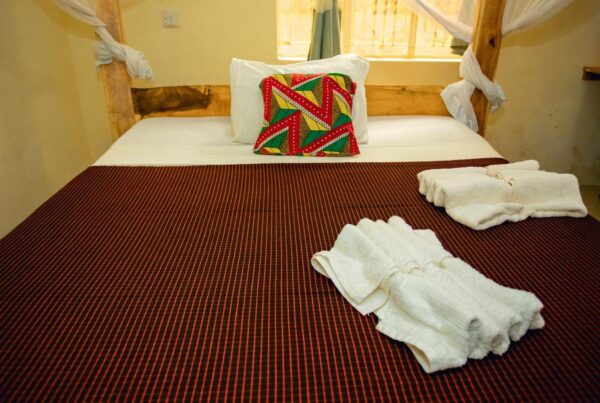
For travelers seeking affordability, budget safaris provide an entry point into understanding how much does it cost to go wildlife safari Tanzania at the lower end of the spectrum. Budget safaris typically involve shared safari vehicles, basic accommodations such as public campsites or simple lodges, and shorter itineraries focused on the northern safari circuit.
On average, a budget safari in Tanzania may cost between moderate daily ranges per person, depending on duration and inclusions. These safaris often include park fees, guiding, meals, and accommodation, but comfort levels are modest. While wildlife viewing remains excellent, experiences are more communal, and flexibility may be limited.
Budget safaris are well-suited to adventurous travelers who prioritize wildlife sightings over luxury and are comfortable with simpler facilities.
Mid-Range Safari Costs in Tanzania
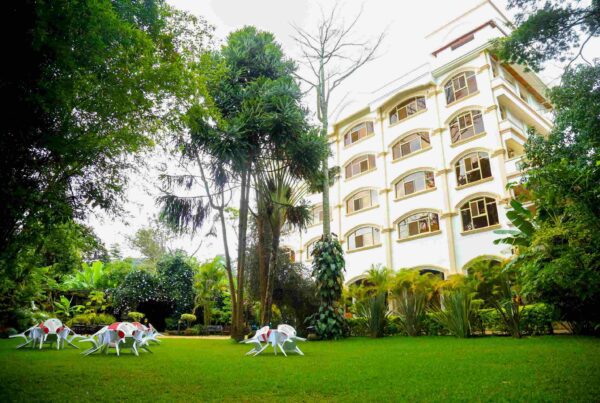
Mid-range safaris represent the most common answer to how much does it cost to go wildlife safari Tanzania for travelers seeking a balance between comfort and value. These safaris typically include comfortable lodges or well-appointed tented camps, professional private or semi-private guides, and thoughtfully designed itineraries.
Costs for mid-range safaris are influenced by lodge quality, itinerary length, and seasonality. Travelers at this level enjoy en-suite accommodations, reliable service, quality meals, and well-maintained safari vehicles. Wildlife experiences are immersive, and itineraries are paced to allow meaningful exploration rather than rushed sightseeing.
Mid-range safaris appeal to couples, families, and first-time safari travelers who want comfort without entering the ultra-luxury price bracket.
Luxury Safari Costs in Tanzania
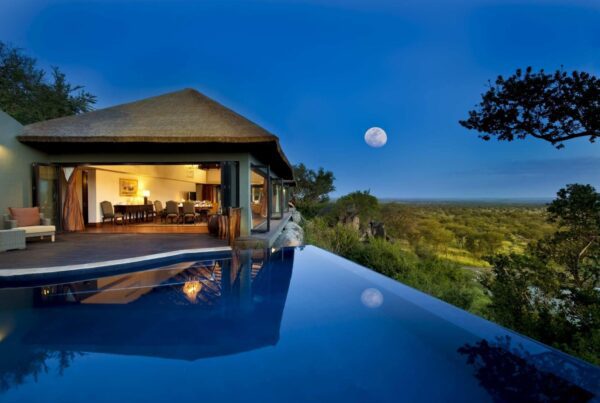
Luxury safaris sit at the higher end of the discussion around how much does it cost to go wildlife safari Tanzania. These experiences are defined by exclusivity, privacy, and premium service. Luxury safari lodges are often located in prime wildlife areas and operate with low guest numbers to ensure personalized experiences.
Luxury safari costs reflect private guides, custom vehicles, gourmet dining, high-end accommodations, and seamless logistics, including domestic flights between safari regions. The emphasis is placed on privacy, flexibility, and exceptional attention to detail.
While luxury safaris require a higher investment, they deliver unparalleled access to wildlife, refined comfort, and deeply immersive experiences that align with Tanzania’s low-impact tourism philosophy.
Ultra-Luxury and Exclusive Safari Experiences
At the very top end of how much does it cost to go wildlife safari Tanzania, ultra-luxury safaris offer bespoke journeys designed entirely around individual preferences. These experiences may include private mobile camps, exclusive-use lodges, helicopter transfers, and specialist guiding such as photographic or walking safaris.
Ultra-luxury safaris are often chosen for milestone celebrations, honeymoon travel, or once-in-a-lifetime experiences. Costs reflect complete exclusivity, exceptional service standards, and access to remote areas rarely visited by the general public.
While these safaris are not representative of average pricing, they highlight the full spectrum of safari possibilities in Tanzania.
Park Fees and Conservation Costs
Park fees play a central role in shaping how much does it cost to go wildlife safari Tanzania. Tanzania’s national parks and conservation areas charge daily entrance fees that contribute directly to wildlife protection and habitat management.
Premium areas such as the Ngorongoro Conservation Area carry higher fees due to their ecological significance and limited visitor access. Serengeti National Park fees are also substantial, reflecting the park’s global importance and maintenance costs.
These fees are non-negotiable and are included in safari packages. While they increase overall cost, they ensure that safari tourism actively supports conservation rather than depleting resources.
Seasonality and Its Impact on Safari Cost
Seasonality has a significant influence on how much does it cost to go wildlife safari Tanzania. Peak season typically coincides with the dry months, when wildlife viewing is at its most predictable and popular events such as the Great Migration river crossings occur.
During peak season, accommodation rates and availability are higher due to demand. In contrast, the green season often offers more favorable pricing, fewer visitors, and lush landscapes, while still providing excellent wildlife encounters.
Understanding seasonal pricing allows travelers to align budget expectations with preferred travel experiences.
Length of Safari and Daily Cost Structure
The duration of a safari directly impacts how much does it cost to go wildlife safari Tanzania. Longer safaris increase total cost but often reduce the daily average due to logistical efficiencies. Short safaris may appear more affordable in total but can carry higher per-day costs.
Extended safaris allow for deeper exploration of multiple regions, reduced travel fatigue, and more immersive wildlife experiences. This balance between duration and depth is an important consideration when evaluating safari costs.
Group Size and Private Versus Shared Safaris
Group size also influences how much does it cost to go wildlife safari Tanzania. Shared safaris distribute vehicle and guide costs among multiple travelers, reducing individual expenses. Private safaris, while more expensive, offer flexibility, personalized pacing, and exclusive use of vehicles.
Private safaris are often preferred by families, photographers, and travelers seeking tailored experiences. The choice between shared and private safaris significantly affects pricing and overall experience quality.
Domestic Flights and Internal Transfers
Internal transportation is another factor in understanding how much does it cost to go wildlife safari Tanzania. While overland travel is common in the northern circuit, domestic flights are often used to access remote regions such as the Serengeti interior, Ruaha, or Nyerere National Park.
These flights add to overall safari cost but reduce travel time and increase comfort. In luxury and mid-range safaris, domestic flights are commonly included to enhance the overall experience.
Additional Activities That Affect Cost
Optional activities such as hot air balloon safaris, walking safaris, cultural visits, and gorilla trekking extensions can influence how much does it cost to go wildlife safari Tanzania. These activities are priced separately due to specialized equipment, permits, or expert guides.
While optional, these experiences often add significant value and depth to a safari, making them a worthwhile consideration when budgeting.
Hidden Costs and What Is Usually Included
A common concern when asking how much does it cost to go wildlife safari Tanzania involves hidden costs. Reputable safari operators provide comprehensive packages that include accommodation, meals, park fees, guiding, and transport.
Additional expenses may include international flights, travel insurance, tips, souvenirs, and optional activities. Understanding what is included in a safari package ensures accurate budgeting and avoids unexpected costs.
Value Versus Price in Tanzania Safaris
The true answer to how much does it cost to go wildlife safari Tanzania lies not only in price, but in value. Tanzania safaris deliver exceptional wildlife density, professional guiding, uncrowded parks, and authentic wilderness experiences that justify their cost.
Rather than focusing solely on affordability, travelers are encouraged to evaluate what the safari delivers in terms of experience, conservation impact, and long-term memory value.
Who Tanzania Safaris Are Best Suited For
Tanzania safaris appeal to travelers who value depth, authenticity, and meaningful wildlife encounters. Whether traveling on a moderate budget or seeking luxury, Tanzania offers safari experiences that align with diverse expectations while maintaining consistent quality standards.
Understanding how much does it cost to go wildlife safari Tanzania helps travelers choose experiences that match their priorities rather than compromising quality for cost alone.
Final Answer to How Much Does It Cost to Go Wildlife Safari Tanzania
The question how much does it cost to go wildlife safari Tanzania has no single answer, but rather a range shaped by accommodation level, season, duration, and travel style. Tanzania offers safaris that span from budget-friendly adventures to ultra-luxury wilderness experiences, all supported by strong conservation ethics and professional standards.
What remains constant across all price levels is Tanzania’s commitment to preserving wildlife and delivering authentic safari experiences. By understanding the cost structure and the value behind it, travelers can plan with confidence and choose a safari that aligns with both budget and expectations.
A wildlife safari in Tanzania is not simply an expense, but an investment in one of the world’s greatest natural experiences, offering memories and meaning that extend far beyond the journey itself.