How to Choose the Best Spot for Wildebeest Migration for an Unforgettable Safari Experience
How to choose the best spot for wildebeest migration is a question that continues to define the quality, depth, and emotional impact of an African safari. The Great Wildebeest Migration is widely regarded as one of the most extraordinary wildlife spectacles on Earth, involving over two million wildebeest, zebras, and gazelles moving across the Serengeti–Mara ecosystem in search of fresh grazing. While the migration itself is constant, the experience of witnessing it varies dramatically depending on where, when, and how it is observed. The wrong location can result in long days of empty plains, while the right spot can deliver river crossings, predator action, and dense herds stretching to the horizon.
Choosing the best spot for wildebeest migration is not a matter of chance but one of informed decision-making guided by seasonal patterns, ecosystem knowledge, rainfall behavior, and safari logistics. This guide explores how the ideal migration-viewing location is determined, offering deep insight into geography, timing, wildlife behavior, and travel planning so that the migration can be experienced at its most powerful and authentic.
Understanding the Wildebeest Migration Ecosystem
Before learning how to choose the best spot for wildebeest migration, the structure of the Serengeti–Mara ecosystem must be understood. The migration does not follow political borders or rigid routes. Instead, it is driven by rainfall and grass regeneration across northern Tanzania and southwestern Kenya. The ecosystem includes the southern Serengeti plains, central Serengeti, western corridor, northern Serengeti, and the Maasai Mara. Each region plays a vital role at different times of the year.
The migration operates as a circular movement rather than a straight journey. Calving grounds, mating zones, predator territories, and river barriers shape the rhythm of the herds. Choosing the best spot therefore depends on aligning travel plans with the ecological phase of the migration rather than expecting the animals to appear on a fixed schedule.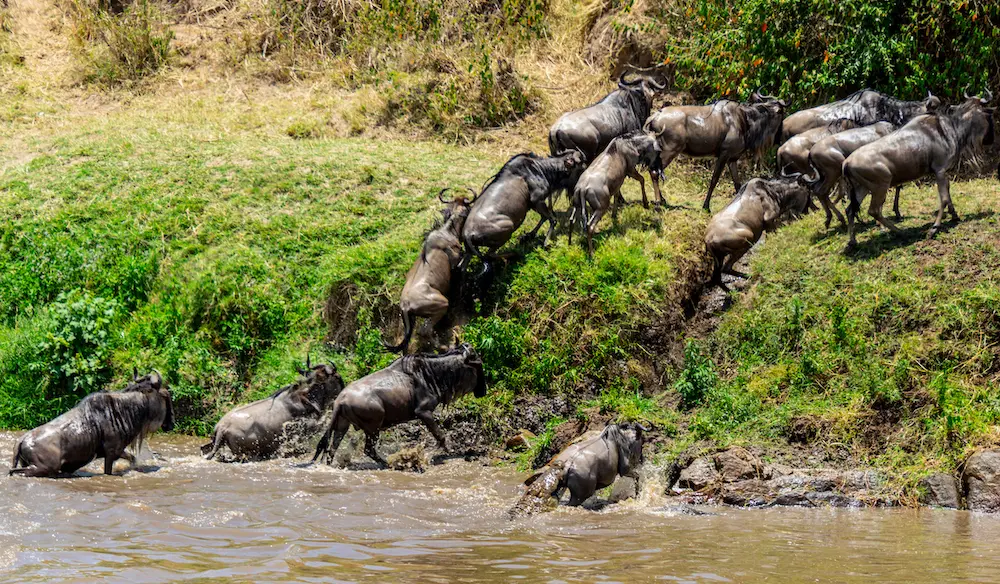
Seasonal Movement and Its Role in Choosing the Best Spot
January to March: Southern Serengeti and Ndutu Region
How to choose the best spot for wildebeest migration early in the year depends heavily on understanding calving season. From January through March, the herds gather in the southern Serengeti and Ndutu region, drawn by nutrient-rich short grasses produced by seasonal rains. During this time, thousands of calves are born daily, creating one of the highest concentrations of prey anywhere in Africa.
This period is defined by intense predator activity, as lions, cheetahs, leopards, and hyenas take advantage of vulnerable newborns. The landscape remains open and expansive, making wildlife viewing exceptional. Choosing this region during calving season is ideal for travelers interested in predator-prey interaction rather than dramatic river crossings.
April to May: Central Serengeti Transition
As rains intensify, the herds begin moving northwest toward the central Serengeti. How to choose the best spot for wildebeest migration during this phase requires patience and flexibility. The movement becomes less concentrated, and the migration spreads out over vast distances.
This period is often overlooked, yet it offers a quieter, more intimate safari experience. The central Serengeti provides rolling savannahs and permanent water sources, supporting both migratory and resident wildlife. Choosing this area during April and May favors travelers seeking solitude, lush scenery, and fewer safari vehicles, even though river crossings are not yet a feature.
June to July: Western Corridor and Grumeti River
Understanding how to choose the best spot for wildebeest migration during early river crossing season is essential for those seeking drama. By June and July, the herds enter the western corridor, where the Grumeti River presents the first major obstacle. These crossings are less predictable than those in the north, but they are equally intense and often less crowded.
The western Serengeti is characterized by dense woodland and riverine forests, which create a different visual atmosphere from the open plains. Nile crocodiles dominate the rivers, and long waits at crossing points often result in explosive moments of action. Choosing this region is well-suited to experienced safari travelers who value raw wilderness and are comfortable with unpredictability.
August to October: Northern Serengeti and Maasai Mara
For many travelers, how to choose the best spot for wildebeest migration ultimately leads to the northern Serengeti and Maasai Mara. This is the most famous phase of the migration, defined by dramatic crossings of the Mara River. From August through October, massive herds gather along riverbanks, hesitating for hours or days before plunging into crocodile-infested waters.
Choosing between the northern Serengeti and Maasai Mara depends on travel style and expectations. The northern Serengeti offers fewer crowds, more exclusive lodges, and extended viewing of multiple crossings. The Maasai Mara provides higher density of animals and iconic scenery but tends to be busier during peak months. Both locations deliver unforgettable migration moments when chosen correctly.
November to December: Return to the South
As short rains begin, the herds gradually move back toward the southern Serengeti. How to choose the best spot for wildebeest migration during this return phase involves focusing on eastern and central Serengeti regions. The migration becomes more fluid, and wildlife disperses across wide areas.
This season offers excellent photography opportunities due to dramatic skies and fresh green landscapes. Choosing these regions suits travelers who appreciate atmosphere, movement, and storytelling rather than singular dramatic events.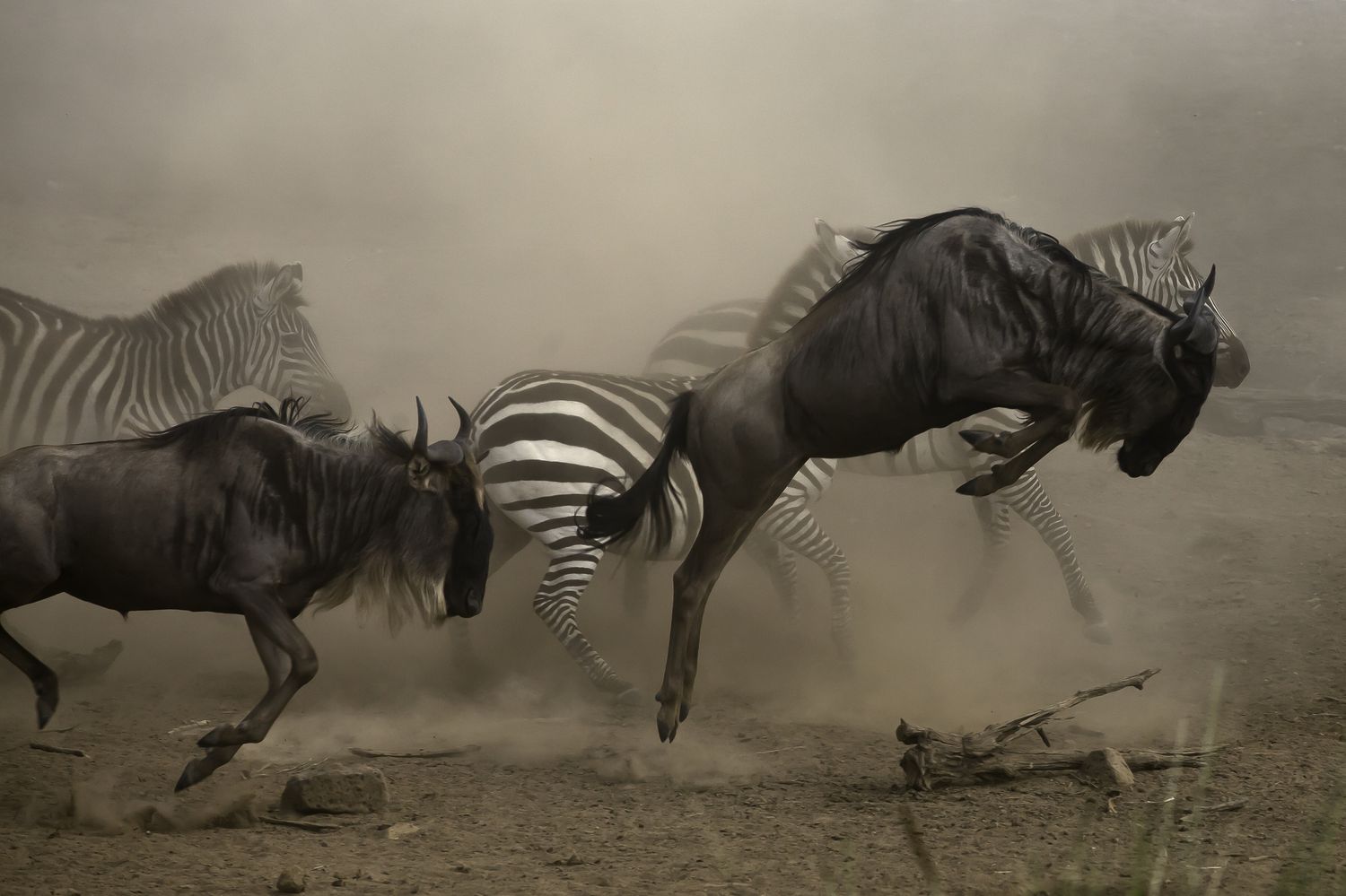
Rainfall Patterns and Their Influence on Location Choice
Rainfall remains the single most important variable in how to choose the best spot for wildebeest migration. While seasonal patterns provide general guidance, actual herd movements respond to real-time rain distribution. A delayed or early rainy season can shift the migration by weeks, sometimes months.
The best migration experiences are achieved by working with knowledgeable safari operators who track rainfall data and wildlife reports daily. Flexibility in travel dates and lodge selection significantly increases the likelihood of being in the right place at the right time. Fixed itineraries without ecological consideration often result in missed opportunities.
River Crossings and Strategic Viewing Points
River crossings represent the most sought-after migration moments, yet they are also the most misunderstood. How to choose the best spot for wildebeest migration during river crossing season requires understanding that crossings are spontaneous and cannot be scheduled.
The Mara and Grumeti rivers contain multiple crossing points, some used repeatedly and others only once per season. Choosing lodges near known crossing corridors improves chances, but patience is essential. Extended stays of three to four nights in a single area greatly increase success rates compared to one-night stops.
Predator Density and Wildlife Diversity Considerations
Migration viewing is not only about wildebeest numbers. How to choose the best spot for wildebeest migration also involves evaluating predator populations and overall biodiversity. Regions such as the southern Serengeti during calving season and the northern Serengeti during river crossings offer peak predator activity.
Lions follow the herds year-round, while cheetahs prefer open plains and leopards favor riverine forests. Choosing a location that supports varied habitats enhances the overall safari experience, ensuring that sightings remain rewarding even during quieter migration moments.
Crowd Levels and Safari Experience Quality
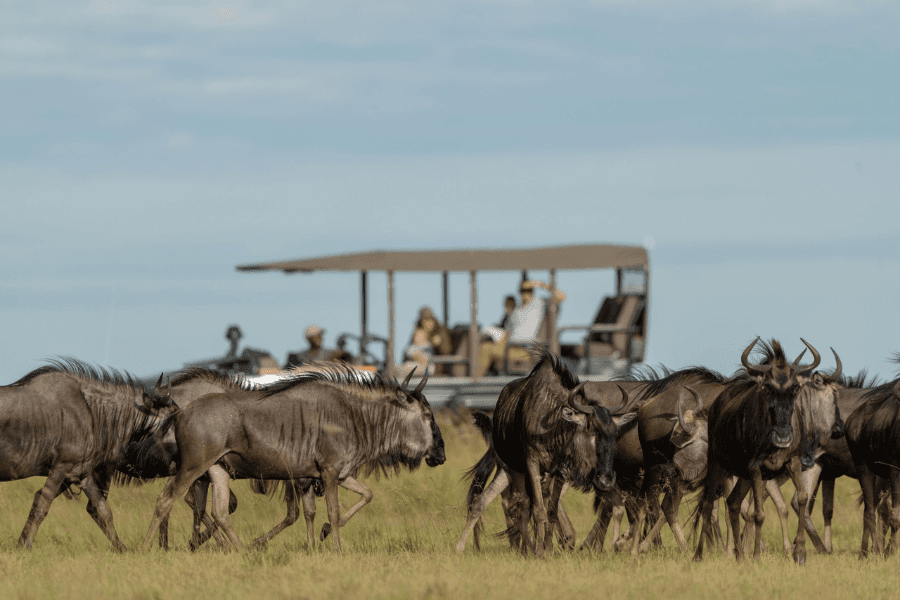
Another critical factor in how to choose the best spot for wildebeest migration is crowd density. High-profile river crossings in the Maasai Mara can attract dozens of vehicles at peak times, which may detract from the sense of wilderness for some travelers.
The northern Serengeti, private concessions, and lesser-known crossing points provide more exclusive experiences. Choosing these areas often involves higher costs, but the trade-off is improved photography, uninterrupted wildlife behavior, and a deeper emotional connection to the landscape.
Accommodation Location and Mobility
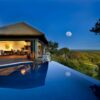
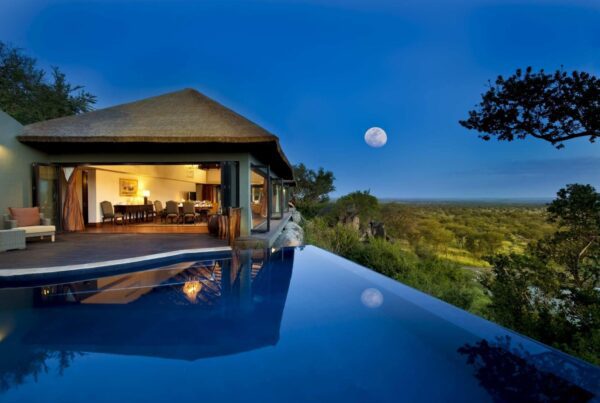
How to choose the best spot for wildebeest migration is closely tied to where one sleeps. Permanent lodges offer comfort and reliability, while mobile tented camps follow the migration and place guests closer to daily action. Mobile camps reduce driving time and increase flexibility, making them ideal for serious wildlife enthusiasts.
The proximity of accommodation to known migration routes, water sources, and predator territories should always be prioritized over luxury features. A well-placed camp consistently outperforms a distant high-end lodge in migration viewing quality.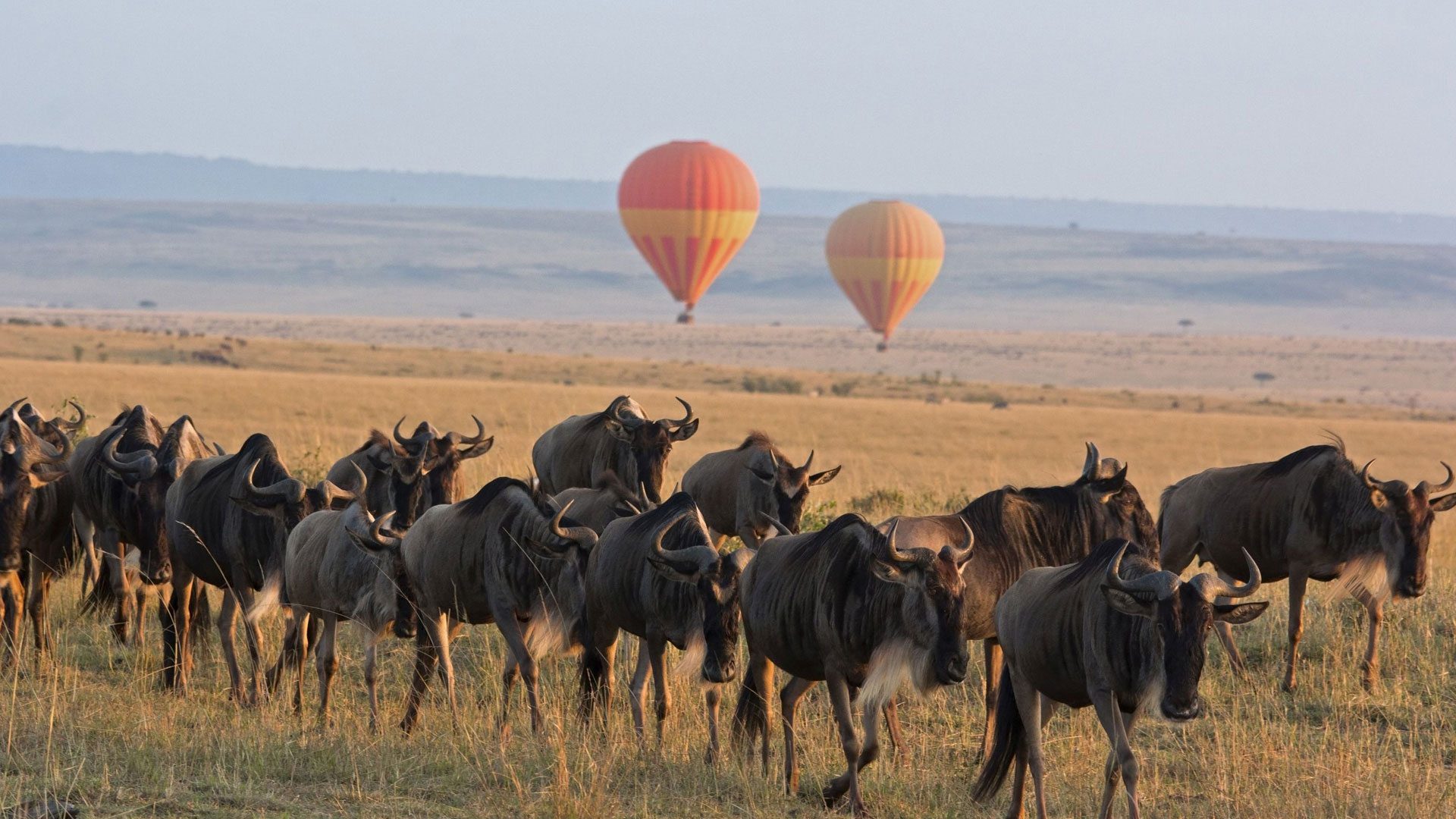
Photography, Light, and Landscape Factors
For photographers, how to choose the best spot for wildebeest migration involves considering light direction, background scenery, and terrain. Open plains provide clean compositions, while riverbanks add drama and scale. Morning and late afternoon light varies depending on geography and season.
Northern regions often offer golden tones and dust-filled scenes, while southern plains deliver expansive, minimalist compositions. Choosing the right spot enhances not only sightings but also the storytelling power of images captured.
Matching the Best Spot to Travel Goals
Ultimately, how to choose the best spot for wildebeest migration depends on personal safari goals. Some travelers prioritize predator action, others seek river crossings, while some value solitude, photography, or family-friendly travel. No single location is universally best, but the best choice emerges when expectations align with ecological reality.
Informed planning, flexible timing, and expert guidance transform the migration from a gamble into a deeply rewarding experience. When chosen wisely, the best spot for wildebeest migration delivers not only spectacle but also a profound connection to one of Earth’s last great natural rhythms.
Final Thoughts on How to Choose the Best Spot for Wildebeest Migration
How to choose the best spot for wildebeest migration is both an art and a science. It requires respect for nature’s unpredictability, understanding of seasonal ecosystems, and thoughtful alignment between traveler intent and environmental conditions. When these elements come together, the result is not just a safari, but a once-in-a-lifetime encounter with movement, survival, and wilderness on a monumental scale.