Why Positive Impact Travel Matters in Africa
Supporting Local Communities
Many African communities live near wildlife reserves, national parks, and cultural heritage sites. Tourism, when managed responsibly, provides income, employment, and social services such as education and healthcare.
Positive impact travel ensures that:
- Communities earn direct benefits from tourism
- Local people are employed as guides, rangers, drivers, and lodge staff
- Revenue supports schools, clinics, water projects, and infrastructure
By choosing responsible operators and community-based experiences, travelers help reduce poverty and strengthen local economies.
Protecting Wildlife and Conservation Efforts
Africa is home to some of the world’s most threatened wildlife species. Tourism revenue is one of the most powerful tools for conservation, funding anti-poaching patrols, habitat protection, and research.
Positive impact travel contributes to:
- Wildlife conservation and biodiversity protection
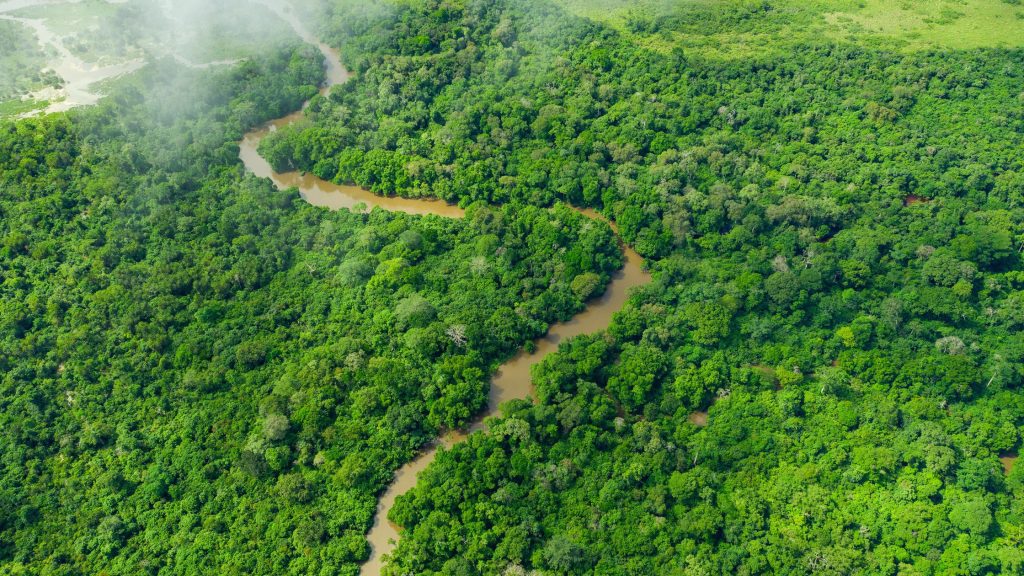
- Sustainable management of protected areas
- Community incentives to protect rather than exploit wildlife
When communities see tangible benefits from wildlife tourism, they become committed stewards of the environment.
Preserving Culture and Heritage
Africa’s cultural diversity is one of its greatest treasures. Positive impact travel encourages respectful cultural exchange and supports the preservation of traditions, languages, and craftsmanship.
Examples include:
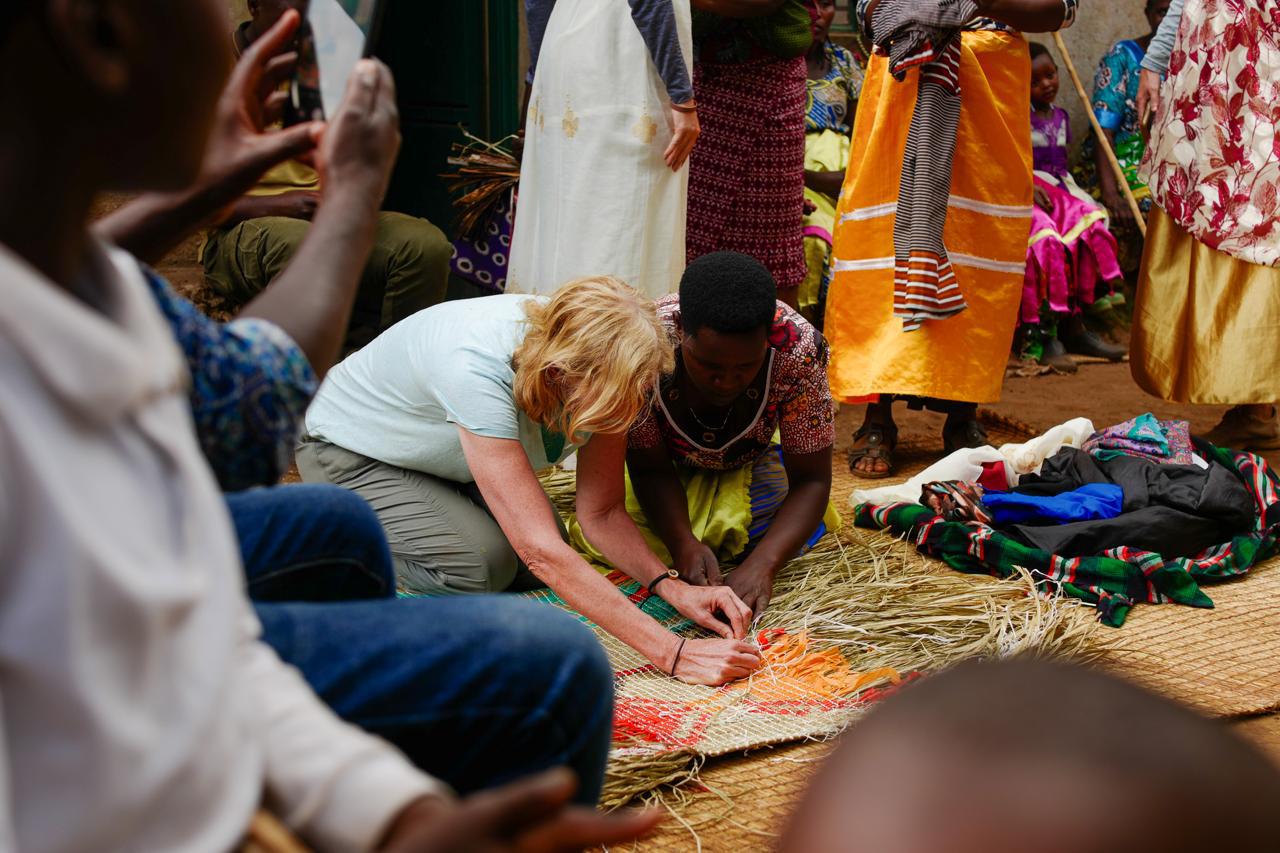
- Community cultural visits and homestays
- Support for traditional music, dance, and art
- Promotion of indigenous knowledge and storytelling
Responsible cultural tourism allows travelers to gain authentic insights while ensuring traditions are valued rather than commodified.
Forms of Positive Impact Travel in Africa
Community-Based Tourism
Community-based tourism places local people at the center of travel experiences. Communities own or co-manage lodges, cultural centers, and guiding services, ensuring tourism income stays within the area.
This model is widely practiced in East and Southern Africa, particularly around wildlife conservancies and cultural landscapes.
Conservation-Focused Safaris
Conservation safaris combine exceptional wildlife experiences with education and direct conservation support. Travelers may participate in activities such as:
- Rhino or gorilla tracking with conservation rangers
- Wildlife monitoring and research
- Visits to conservation projects and sanctuaries
These experiences deepen understanding of conservation challenges while supporting long-term wildlife protection.
Eco-Lodges and Sustainable Accommodation
Eco-lodges are designed to minimize environmental impact through renewable energy, water conservation, waste reduction, and sustainable building practices.
Many African eco-lodges also:
- Source food locally
- Employ nearby communities
- Invest in conservation and social projects
Staying in eco-conscious accommodation is one of the simplest ways travelers can reduce their footprint.
Volunteer and Learning-Based Travel
Some travelers choose to engage more deeply through short-term volunteer or learning experiences. When done ethically and responsibly, these programs can support conservation, education, and community development.
It is important to choose programs that are community-driven, transparent, and focused on long-term benefits rather than short-term voluntourism.
The Role of Responsible Tour Operators
Tour operators play a crucial role in delivering positive impact travel experiences. Responsible operators prioritize sustainability across their operations and partnerships.
Key practices include:
- Partnering with community-owned and locally managed lodges
- Paying fair wages and supporting staff development
- Limiting group sizes and reducing environmental impact
- Supporting conservation and community initiatives
Travelers are encouraged to ask operators about their sustainability policies and community contributions when planning trips.
How Travelers Can Make a Positive Impact
Every traveler has the power to influence how tourism affects Africa. Simple, conscious choices can create meaningful change.
Practical ways to travel responsibly include:
- Choosing local guides and operators
- Respecting wildlife viewing guidelines
- Reducing plastic use and waste
- Learning about local customs before visiting
- Purchasing locally made crafts and products
Positive impact travel is not about perfection—it is about intention and continuous improvement.
Challenges and the Future of Positive Impact Travel in Africa
While positive impact travel has grown significantly, challenges remain. These include climate change, unequal benefit distribution, greenwashing, and limited access to funding for community projects.
Addressing these challenges requires:
- Strong partnerships between communities, governments, NGOs, and the private sector
- Transparent reporting of tourism impacts
- Continued traveler education and awareness
The future of African tourism depends on scaling models that balance conservation, community well-being, and high-quality visitor experiences.
Positive impact travel to Africa represents a powerful shift toward tourism that benefits both people and the planet. By supporting local communities, protecting wildlife, and preserving cultural heritage, responsible travelers help ensure that Africa’s extraordinary destinations remain vibrant and resilient for generations to come.
Whether on a community-led safari, a conservation-focused journey, or a cultural immersion experience, positive impact travel allows visitors to connect more deeply with Africa while contributing to meaningful, lasting change.