Is Serengeti Safari Safe
The question is Serengeti safari safe is one of the most common and understandable concerns among travelers planning a wildlife adventure in Tanzania. The Serengeti is one of the world’s most famous safari destinations, known for its vast plains, incredible wildlife density, and the Great Wildebeest Migration. However, because it is a remote wilderness where large wild animals roam freely, safety is naturally a priority for first-time and returning visitors alike.
This in-depth guide has been carefully written to address the question is Serengeti safari safe from every relevant angle, including wildlife encounters, health considerations, accommodation standards, transportation, guides, and overall travel security. By examining real conditions on the ground and Tanzania’s long-established safari infrastructure, this article provides a clear, authoritative, and reassuring answer grounded in experience and reality.
Understanding the Serengeti Environment and Safety Context
To properly answer is Serengeti safari safe, it is essential to understand what the Serengeti actually is. Serengeti National Park is a protected ecosystem covering nearly 15,000 square kilometers of wilderness. It is not a zoo or enclosed reserve, but a functioning natural environment where animals live and behave according to instinct and seasonal patterns.
Safety in the Serengeti is therefore based on structured systems rather than barriers. Visitors move through the park under the supervision of trained professionals, stay in regulated accommodations, and follow established safety protocols that have been refined over decades. These systems are what make the Serengeti safari experience not only safe, but exceptionally well-managed.
Wildlife Safety and Human–Animal Interaction
One of the primary concerns behind the question is Serengeti safari safe relates to encounters with wild animals. The Serengeti is home to lions, elephants, leopards, buffalo, hippos, and other powerful species. While this may sound intimidating, it is important to understand that safari tourism in Tanzania operates on strict wildlife safety principles.
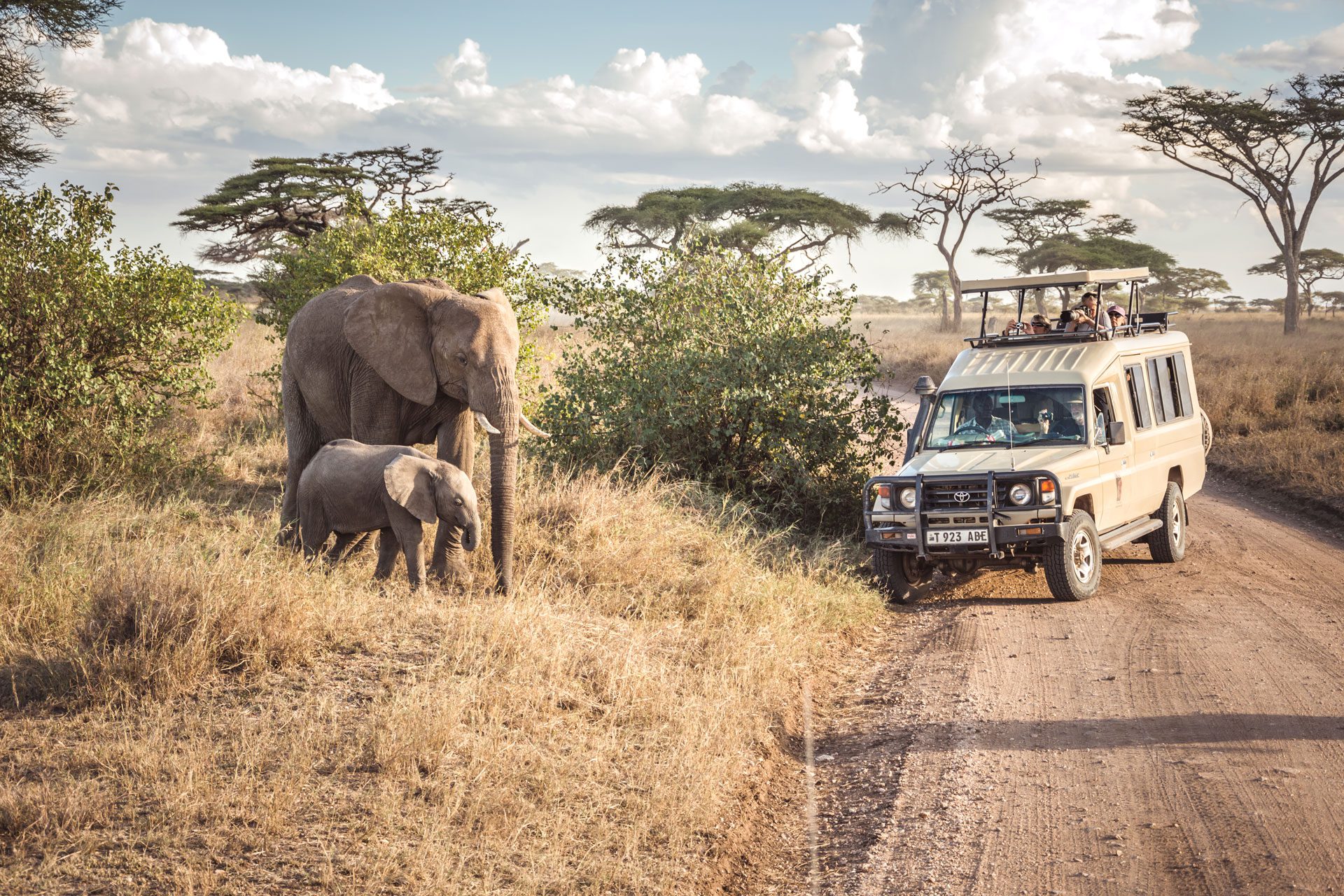
Safari activities are conducted almost entirely from specially designed vehicles. Animals in the Serengeti are accustomed to safari vehicles and generally perceive them as neutral objects rather than threats or prey. As a result, aggressive behavior toward vehicles is extremely rare when proper distances and protocols are maintained.
Guides are professionally trained to read animal behavior, understand warning signals, and position vehicles safely. By remaining inside the vehicle during game drives and following guide instructions at all times, the risk of wildlife-related incidents is kept extremely low. This controlled interaction is a key reason why the answer to is Serengeti safari safe is overwhelmingly positive.
Walking Within Camps and Lodges
Another aspect often considered when asking is Serengeti safari safe involves safety within safari camps and lodges. Most accommodations in the Serengeti are unfenced, allowing wildlife to move freely through the area. While this may seem alarming, it is a normal and well-managed part of the safari experience.
Guests are briefed upon arrival about movement protocols, especially after dark. Escorts are provided when walking between tents or rooms at night, and pathways are designed with safety in mind. Wildlife encounters within camps are monitored closely by trained staff, and dangerous animals are never allowed to linger near guest areas.
By following lodge guidelines and remaining aware of surroundings, guests can move safely within camps. These measures are another reason why Serengeti safaris maintain such an excellent safety record.
Guide Expertise and Professional Standards
The role of safari guides is central to answering is Serengeti safari safe. Tanzania has one of the most rigorous safari guide training systems in Africa. Guides undergo extensive education in wildlife behavior, first aid, navigation, vehicle operation, and emergency response.
Licensed safari guides are required to meet national standards, and many have years or even decades of experience in the Serengeti ecosystem. Their deep familiarity with the terrain, animal movements, and seasonal patterns significantly reduces risk.
In addition to guides, safari vehicles are equipped with radios to maintain communication with other guides and park authorities. This network allows rapid response to changing conditions, wildlife movements, or unexpected situations, reinforcing overall safari safety.
Health and Medical Safety in the Serengeti
Health considerations are another key component when evaluating is Serengeti safari safe. The Serengeti is a remote area, but safari operators are well-prepared to handle medical needs. Most lodges maintain first-aid kits, and guides are trained in basic medical response.
In the event of a serious medical issue, evacuation procedures are in place. Airstrips located throughout the Serengeti allow for rapid medical evacuation to hospitals in Arusha or other major centers. This level of preparedness ensures that medical emergencies, while rare, are managed efficiently.
Travelers are advised to consult healthcare professionals before travel regarding vaccinations and preventive measures. With proper preparation, health risks on a Serengeti safari remain minimal and manageable.
Malaria and Disease Prevention
A common concern related to is Serengeti safari safe involves malaria and other tropical diseases. While malaria is present in Tanzania, the risk in safari areas is relatively low, especially when preventive measures are taken.
Lodges implement mosquito control measures such as screened rooms, mosquito nets, and repellents. Travelers are advised to use insect repellent, wear long sleeves in the evening, and follow medical advice regarding prophylaxis if recommended.
By adhering to these precautions, the health risk associated with malaria is significantly reduced, further supporting the safety of Serengeti safaris.
Transportation and Road Safety
Transportation safety plays an important role in answering is Serengeti safari safe. Safari travel typically involves a combination of road transfers and light aircraft flights. Safari vehicles are purpose-built for rough terrain and maintained to high standards.
Drivers are trained for off-road conditions and operate at controlled speeds within the park. While roads can be rough, accidents are uncommon due to cautious driving practices and experienced navigation.
Light aircraft used for internal flights are operated by licensed airlines with strong safety records. These flights are a routine part of safari logistics and are widely regarded as safe and efficient.
Political Stability and National Security
Another concern behind is Serengeti safari safe relates to overall national security. Tanzania is one of the most politically stable countries in East Africa and has a long-standing reputation for peaceful governance and hospitality.
Tourism is a major pillar of Tanzania’s economy, and significant resources are dedicated to ensuring visitor safety. National parks are protected by park rangers and security personnel who monitor access points and patrol regularly.
Incidents involving tourists are extremely rare in the Serengeti, and the park’s isolation from urban centers further enhances its safety profile.
Food and Water Safety
Food and water hygiene are important considerations when asking is Serengeti safari safe. Safari lodges operate under strict hygiene standards, particularly those catering to international travelers. Meals are prepared using clean water and safe food-handling practices.
Drinking water is provided in purified or bottled form, and guests are advised not to drink untreated water. By following lodge guidance, travelers can enjoy meals safely without concern.
Dietary requirements and allergies are typically accommodated when communicated in advance, ensuring both comfort and safety throughout the safari.
Safety for Families, Solo Travelers, and Older Guests
The question is Serengeti safari safe applies equally to families, solo travelers, and older guests. The Serengeti is suitable for travelers of all ages when itineraries are designed appropriately.
Families traveling with children are accommodated at select lodges that offer family-friendly facilities and safety-focused programming. Solo travelers benefit from guided group activities and structured schedules that ensure security and companionship.
Older travelers are well-supported by lodges offering comfortable accommodations, attentive staff, and flexible pacing. With proper planning, the Serengeti safari experience is safe and accessible to a wide range of travelers.
Weather and Environmental Safety
Environmental conditions also factor into is Serengeti safari safe. The Serengeti experiences predictable seasonal patterns, and safari operators plan activities accordingly. Guides adjust game drive timing based on weather, visibility, and road conditions.
During the rainy season, routes are selected carefully to avoid flooding or difficult terrain. During the dry season, dust and sun exposure are managed through appropriate scheduling and vehicle design.
Environmental risks are therefore anticipated and mitigated through experience and planning.
Rules, Regulations, and Visitor Responsibility
Safety in the Serengeti is a shared responsibility, which is an important part of answering is Serengeti safari safe. Park rules exist to protect both wildlife and visitors. These rules include staying inside vehicles, maintaining safe distances from animals, and following guide instructions.
Visitors who respect these regulations significantly reduce risk and enhance their own safety. Safari tourism in the Serengeti has evolved over decades, and adherence to established guidelines has resulted in an exceptional safety record.
Realistic Risk Assessment
No travel experience is entirely without risk, and addressing is Serengeti safari safe requires honesty rather than idealization. However, when compared to many forms of adventure travel, safaris in the Serengeti are remarkably safe due to professional management, structured activities, and strong conservation oversight.
Incidents involving tourists are rare and typically associated with failure to follow guidelines. When safari protocols are respected, the Serengeti offers one of the safest wilderness travel experiences in the world.
Why Serengeti Safari Safety Is Trusted Worldwide
The global reputation of the Serengeti is built not only on wildlife spectacle but also on trust. Millions of travelers from around the world visit the Serengeti safely each year. International tour operators, conservation organizations, and travel authorities consistently endorse Tanzania as a safe safari destination.
This trust is earned through continuous improvement, professional standards, and a deep respect for both wildlife and visitors. These factors collectively answer the question is Serengeti safari safe with confidence and clarity.
Final Verdict on Is Serengeti Safari Safe
The answer to is Serengeti safari safe is a resounding yes. When undertaken with licensed operators, experienced guides, and responsible planning, a Serengeti safari is not only safe but exceptionally well-managed. Wildlife encounters are controlled, health risks are minimized, and infrastructure is designed specifically to support visitor safety in a remote environment.
Rather than being a risky adventure, a Serengeti safari is a carefully orchestrated experience that allows travelers to witness one of nature’s greatest spectacles without compromising security. With common sense, respect for guidelines, and proper preparation, visitors can enjoy the Serengeti with confidence, comfort, and peace of mind.