Karenge Bush Camp: Immersive Wilderness Safari in Akagera National Park
Karenge Bush Camp is a uniquely positioned wilderness safari experience in Akagera National Park, Rwanda’s premier savannah wildlife destination. This captivating camp offers travelers an intimate, eco-friendly stay deep within nature, with a philosophy centered on leaving a minimal environmental footprint while showcasing the breathtaking beauty and biodiversity of the park. The name Karenge comes from the local Kinyarwanda word for “small footprint,” a fitting representation of the camp’s humble charm and sustainable ethos.
An Introduction to Karenge Bush Camp
Nestled in the northern reaches of Akagera National Park, Karenge Bush Camp delivers a powerful wilderness experience designed for safari enthusiasts seeking serenity, close encounters with wildlife, and a deep connection with the African bush. Unlike permanent lodges, Karenge is a seasonal camp, thoughtfully set up and dismantled each year to ensure that its presence leaves no lasting mark on the land. This intentional design reflects a commitment to environmental stewardship and authentic engagement with the natural world.
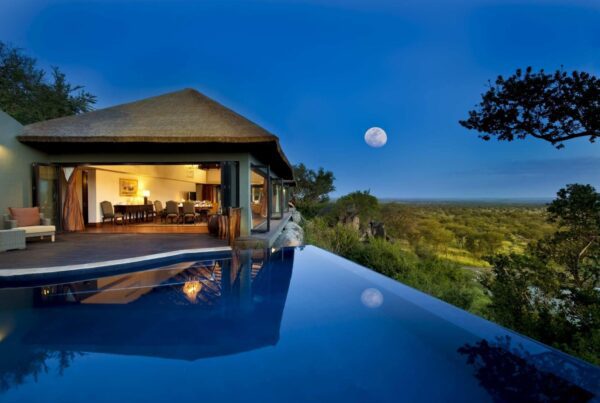
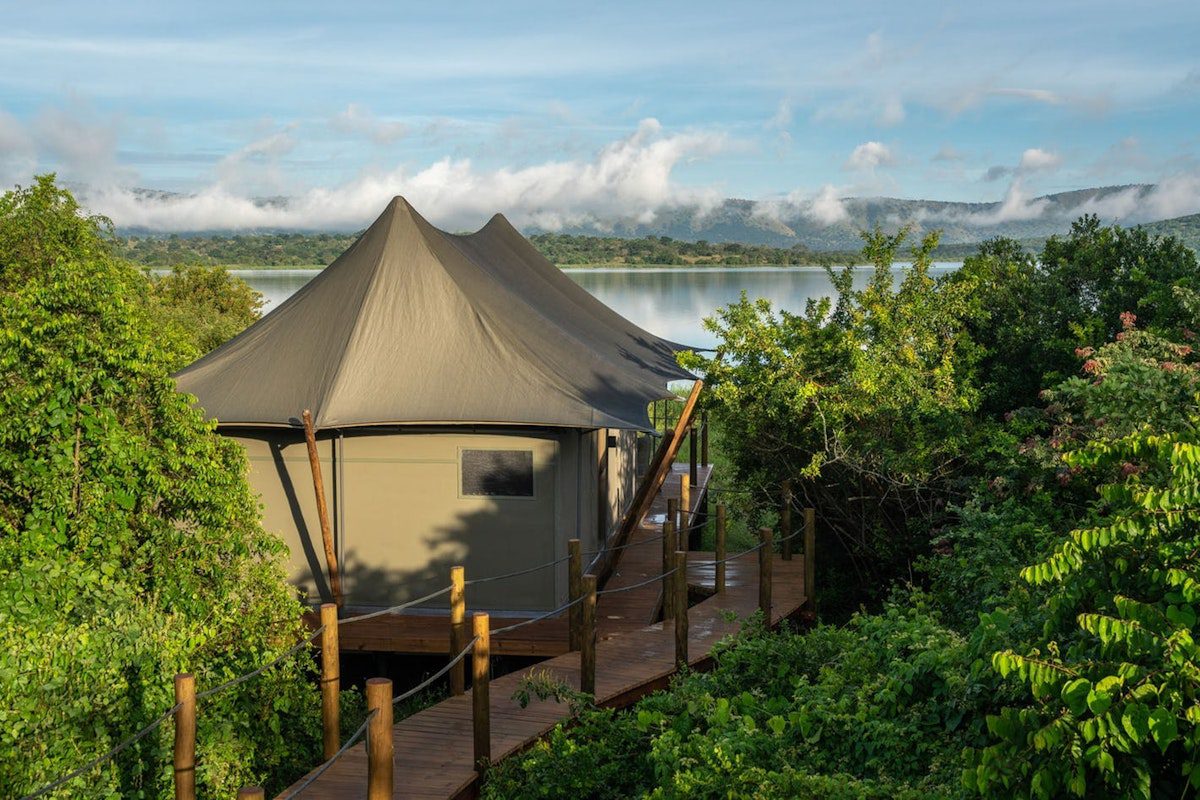
The remote location of Karenge offers unparalleled access to the wildlife-rich Kilala Plains, placing guests within sight and sound of roaming herds and the rhythms of the savannah. Its elevated position on a ridge provides expansive views across grasslands and towards the rolling hills beyond, creating an unforgettable backdrop for each day of a safari adventure.
The Philosophy: Low Impact, Deep Immersion
At the heart of the Karenge experience is its philosophy of minimal footprint living. The camp’s name – Karenge – means “small footprint” in Kinyarwanda, and this concept informs every aspect of its design and operation. Rather than permanent structures or concrete foundations, the camp is made of lightweight materials and temporary installations that are fully removed at the end of the season, leaving the landscape unaltered.
This approach is not merely symbolic; it underscores a tangible commitment to sustainable tourism and conservation. By reducing environmental disturbance and blending into the surroundings, Karenge Bush Camp invites guests to experience a more authentic connection with nature while supporting the preservation of Akagera’s precious ecosystems.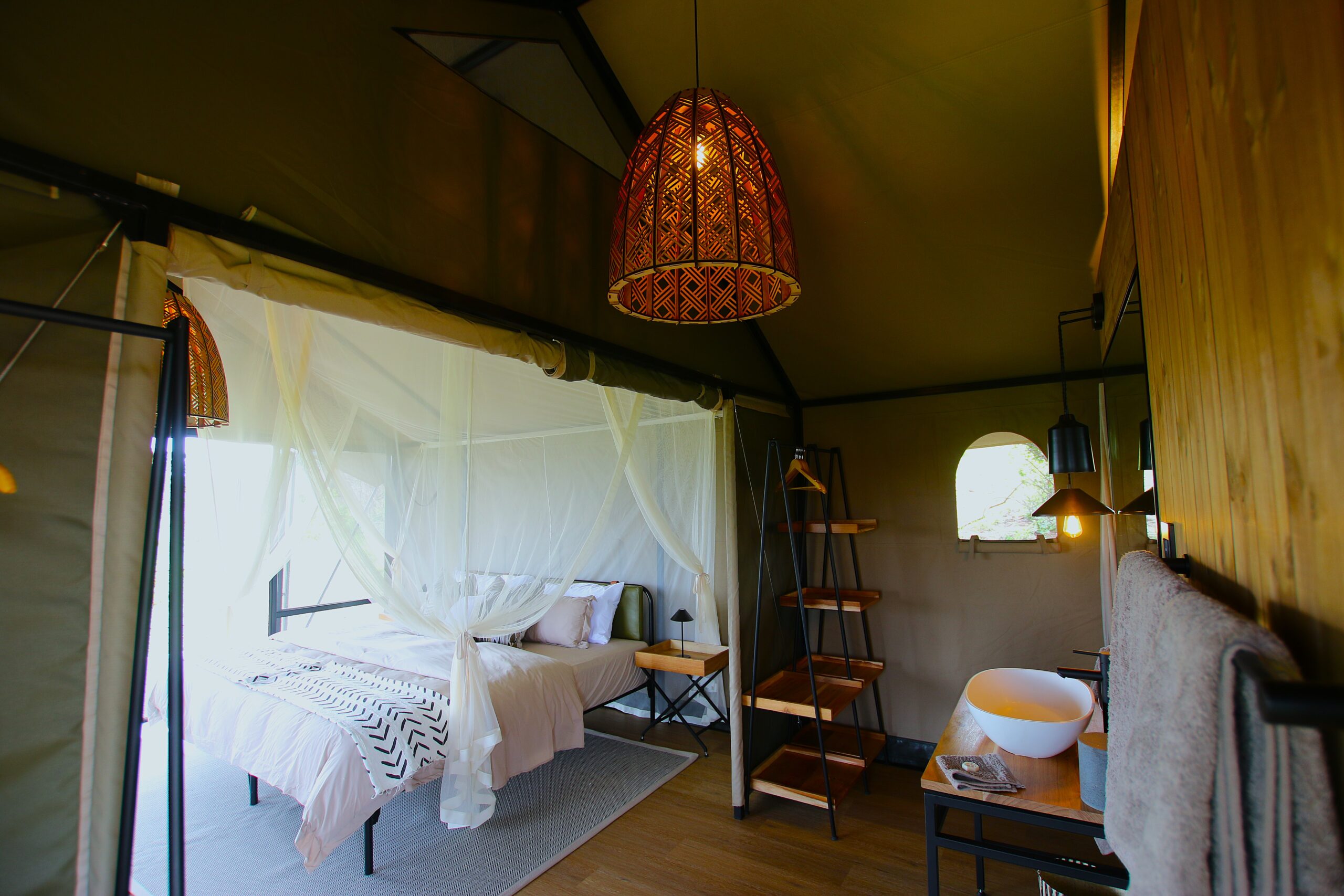
Akagera National Park: The Wild Heart of Eastern Rwanda
Akagera National Park, established in 1934, spans more than 1,100 square kilometers across eastern Rwanda. It is the country’s largest protected area and one of Central Africa’s last remaining savannah and wetland ecosystems. With a mosaic of landscapes including grasslands, woodlands, and riparian zones, the park is home to a remarkable diversity of species—ranging from elephants and lions to giraffes, zebras, and nearly 500 bird species.
Managed through a partnership between the Rwanda Development Board and African Parks, Akagera’s conservation efforts have yielded significant successes, including the reintroduction of southern white rhinos and strengthened protection measures that have helped wildlife populations thrive. The park’s network of lakes, rivers, and plains make it a sanctuary for biodiversity and an exceptional setting for wildlife immersion.
Location and Access
Karenge Bush Camp is located in the northern region of Akagera National Park, a remote area that underscores the camp’s wilderness appeal. Accessing the site typically involves a scenic and rugged journey from the park’s southern entrance, taking guests through rich bush landscapes en route to the Kilala Plains region. Reaching Karenge from the south can take approximately four hours by vehicle, while the drive from the Mutumba Gate in the north is shorter, usually about one hour.
These travel logistics are part of the adventure, offering visitors a sense of anticipation and immersion from the moment they depart toward the camp. Due to its remote location, travelers are advised to plan logistics carefully and allow adequate time for arrival before sunset.
Accommodation: Simple Yet Soul-Stirring
Karenge Bush Camp’s accommodation is intentionally simple, yet thoughtfully designed to maximize comfort and connection to the surrounding wilderness. The camp normally comprises six to seven canvas tents, each positioned on raised platforms to reduce wildlife interference and minimize ground impact. These tents are configured as twin or double units, with a total guest capacity typically limited to 12–16 guests, enhancing the feeling of an intimate safari retreat.
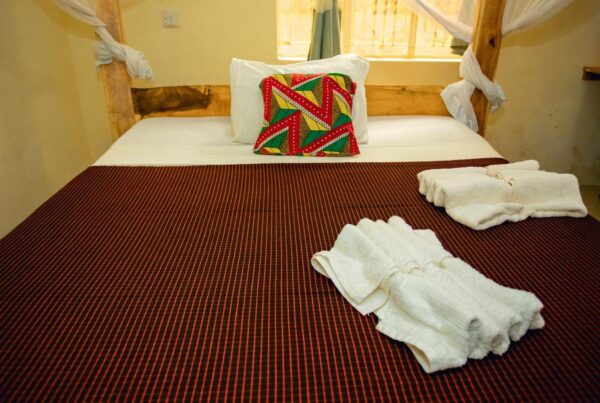
Each tent includes comfortable camp beds outfitted with quality mattresses and bedding. Reed mat floors and solar-powered lighting create a warm, relaxed atmosphere that complements the gentle sounds of nature at night. Tents also offer private outdoor bathrooms with warm water showers and flushing toilets, providing a balance between rustic adventure and essential convenience.
Solar lights and lanterns illuminate pathways and interiors after sunset, reinforcing the camp’s commitment to sustainability while enhancing the authentic bush ambiance. Charging points are available in each tent, allowing guests to power essential devices, although the overall experience encourages disconnection from routine life and reconnection with the natural environment.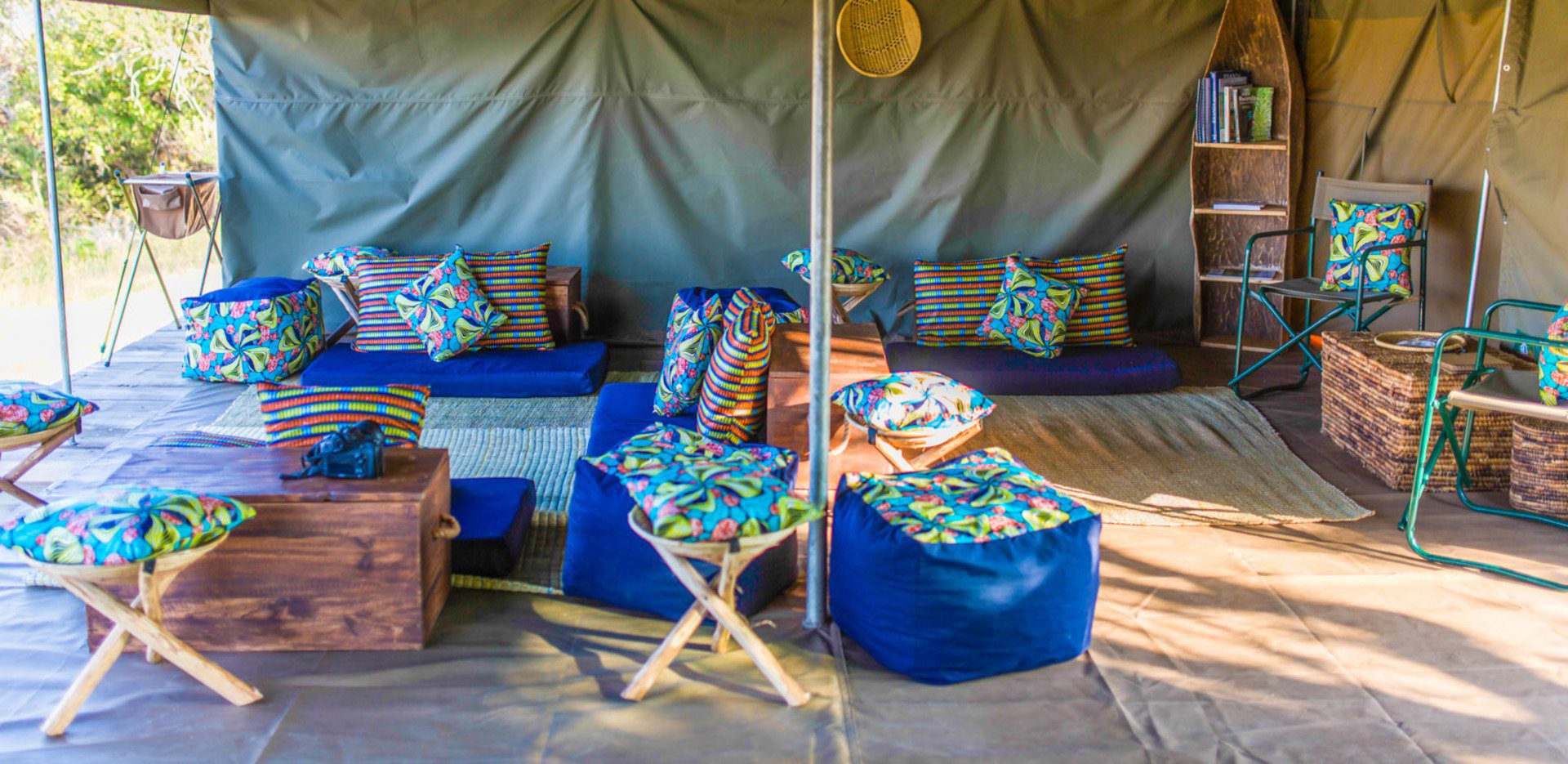
Shared Spaces: Community and Campfire Moments
The heart of Karenge Bush Camp lies in its communal areas, where guests gather to eat, share stories, and absorb the expansive views. A central dining tent serves wholesome meals throughout the day, often enjoyed outdoors or around the warmth of a firepit as the sun sets over the plains. These shared spaces foster a sense of community among guests, inviting conversations about wildlife sightings, the day’s adventures, and the magic of the African landscape.
Meals at Karenge are typically served on a full board basis, encompassing breakfast, lunch, dinner, and packed lunches for game drives, ensuring comfort and energy for every safari activity. While drinks, gratuities, and park entry fees are often not included, the culinary experience amid wilderness vistas remains a highlight for many visitors.
Wildlife and Safari Experiences
Karenge Bush Camp serves as an ideal base for exploring the northern reaches of Akagera National Park, where wildlife encounters are frequent and thrilling. The surrounding Kilala Plains are renowned for supporting large herds of grazers such as buffalo, zebra, topi, and antelope, while predators including lions and leopards hunt the grasslands and woodlands beyond.
Game Drives: Day and Night
Game drives from Karenge offer immersive wildlife encounters guided by experienced rangers or community guides. These excursions can be tailored to morning, afternoon, or night, each offering distinct wildlife viewing opportunities. Morning drives may reveal herds grazing in golden light, while night drives can uncover nocturnal species such as hyenas, genets, and civets under starlit skies.
Night game drives are particularly special, taking travelers across Kilala Plains in pursuit of predators emerging after dusk. With a six-seater jeep, guests can enjoy both comfort and a sense of adventure as they navigate the park’s darker landscapes, spotlighting eyeshine and animal movements against the night backdrop.
Community Guide Options
For a more personalized safari experience, Karenge Bush Camp can arrange community guide-led game drives. These guides possess local knowledge of the land, wildlife behavior, and tracking techniques, offering deeper insights into the park’s ecosystems. Guests seeking cultural enrichment or tailored wildlife exploration can request these guides—though additional fees typically apply to cover guide accommodation and food during their stay at the camp.
Cultural and Conservation Impact
Karenge Bush Camp is more than a luxury wilderness stop; it plays a meaningful role in supporting community development and conservation efforts in Akagera National Park. Funded tourism revenue contributes to ongoing protection measures, anti-poaching units, ranger support, and local community projects that foster coexistence between wildlife and neighboring villages.
Much of the park’s success in recent years—such as increased wildlife populations and expanded conservation infrastructure—is tied to well-managed tourism initiatives that include accommodations like Karenge. This model ensures that tourism enhances ecological stability while benefitting local economies and conservation programs alike.
Guest Experience: Reviews and Insights
Guest feedback underscores Karenge Bush Camp’s reputation as a beloved safari destination. Travelers consistently praise the camp’s serene location, personal service, and breathtaking views that bring wildlife sightings right to the doorstep. On platforms such as Tripadvisor, Karenge earns consistently high ratings for overall experience, service, value, and location, reflecting a near-universal appreciation for the authentic bush camp ambiance.
Many visitors highlight the exceptional meals, cleanliness, and staff attentiveness, noting that the combination of thoughtful hospitality and rugged wilderness creates a memorable safari experience. The views of the Kilala Plains and surrounding hills—paired with up-close wildlife sightings—are frequently described as transformative and unforgettable.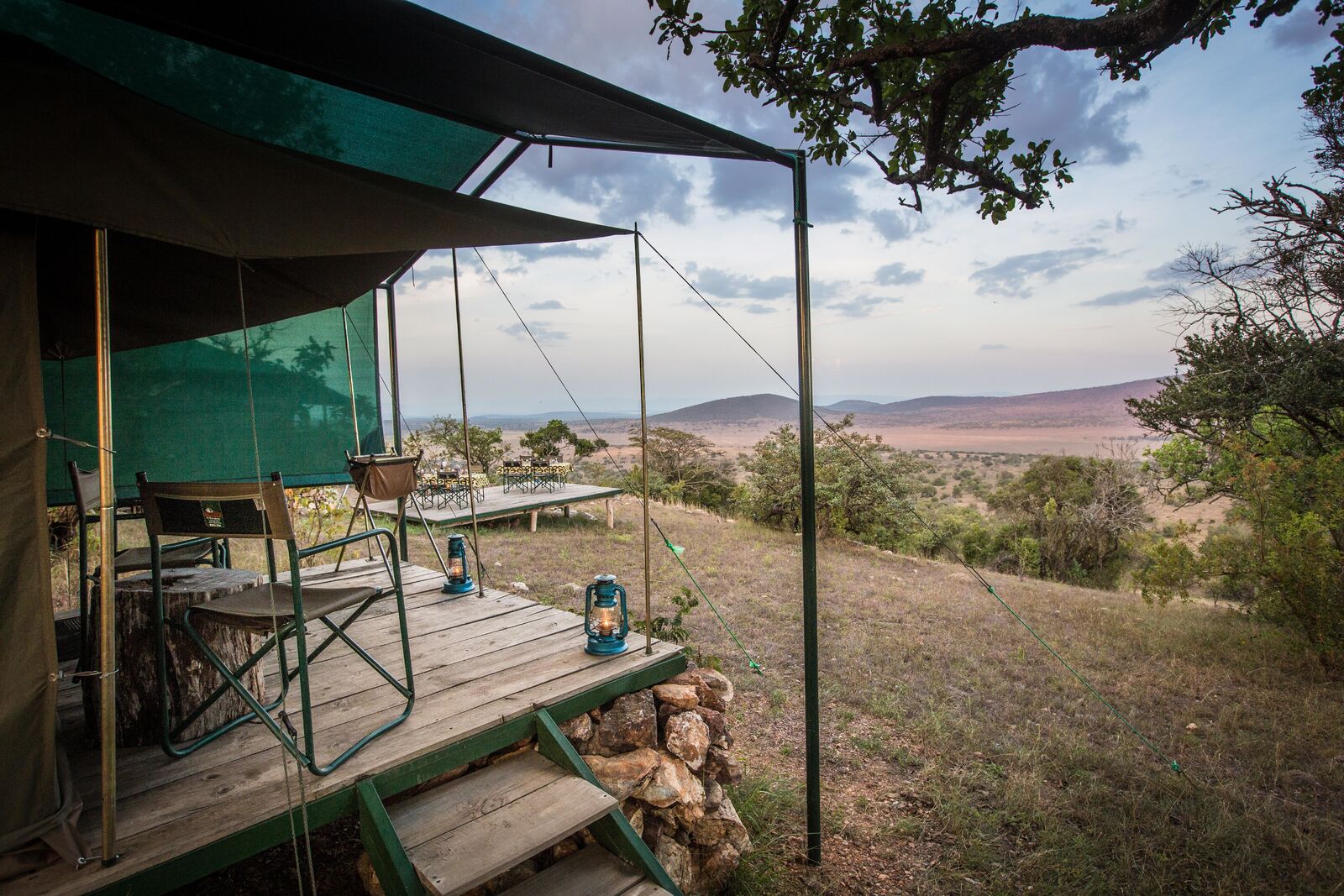
Best Time to Visit
While Karenge Bush Camp aims to be open most of the year, certain weather conditions can affect its operational schedule. The camp is typically closed during periods of heavy rainfall (often in April) when roads become inaccessible due to mud and waterlogged terrain. Travelers are advised to plan visits during drier months for easier access and more predictable game drive conditions.
The dry season not only makes travel logistics smoother but also concentrates wildlife around water sources, heightening the chances of remarkable sightings. Whether visiting during the cooler dry months or the transitional wet season, Karenge offers unparalleled opportunities to observe nature’s rhythms in their rawest form.
Practical Considerations for Planning Your Safari
A visit to Karenge Bush Camp requires thoughtful planning due to its remote location and seasonal setup. Arriving early in the day is recommended to ensure safe passage to the camp before dusk, especially for those self-driving from the park’s southern entry points. Given that children under a certain age may not be permitted, families should review policies before booking.
Park entry fees, activities beyond accommodation, gratuities, and transport arrangements are typically additional to the camp’s base rate. For those driving themselves, community guides can enhance the experience, though fees may apply to accommodate their presence at Karenge.
A Bush Camp That Resonates with the Soul
Karenge Bush Camp is more than a place to sleep; it is a gateway to the essence of safari life in Akagera National Park. Its harmonious blend of simplicity, sustainability, and immersive wildlife access appeals to travelers who seek profound nature encounters without sacrificing comfort. With views that stretch across Kilala Plains, eco-conscious practices that honour the land, and hospitality that welcomes guests into the heart of Rwanda’s wild landscapes, Karenge stands out as a premier safari experience that resonates deeply with every visitor.