Kibale Forest National Park
Kibale Forest National Park : Primates destination in africa
Kibale Forest National Park is widely regarded as the primate capital of Africa and one of the most rewarding wildlife destinations on the continent for travelers interested in primates, tropical forests, and conservation-focused tourism. Located in western Uganda, Kibale protects one of the largest remaining tracts of mid-altitude tropical rainforest in East Africa and is home to an extraordinary diversity of primate species, including the highest concentration of chimpanzees in Africa.
Covering approximately 795 square kilometers, Kibale Forest National Park offers a unique safari experience that differs from the classic savannah game drives commonly associated with African safaris. Here, visitors explore dense forest trails on foot, tracking chimpanzees, observing monkeys leaping through the canopy, and listening to the sounds of the rainforest. Combined with rich birdlife, scenic crater lakes, and strong conservation initiatives, Kibale stands out as a premier primates destination in Africa.
This detailed guide explores Kibale Forest National Park in depth, covering its location, history, ecosystems, primate diversity, chimpanzee trekking experiences, other wildlife, conservation significance, activities, best time to visit, accommodation options, and practical travel information. By the end, it becomes clear why Kibale Forest National Park is considered one of Africa’s most important and accessible primate destinations.
Location and Geographic Setting
Kibale Forest National Park is located in western Uganda, near the town of Fort Portal (now officially Fort Portal City), in the foothills of the Rwenzori Mountains. The park lies within a scenic region characterized by rolling hills, fertile farmland, tea plantations, and numerous volcanic crater lakes. Its central location makes it easily accessible from other major Ugandan safari destinations such as Queen Elizabeth National Park, Semuliki National Park, and the Rwenzori Mountains National Park.
The park’s altitude ranges from about 1,100 to 1,600 meters above sea level, creating a mild and pleasant climate compared to lower-altitude rainforests. This elevation contributes to Kibale’s rich biodiversity and supports a variety of forest types, from moist evergreen forest to semi-deciduous woodland.
History and Establishment
Kibale Forest was first gazetted as a forest reserve in the 1930s during the colonial period, primarily for timber management and watershed protection. Over time, scientists recognized its exceptional ecological importance, particularly its role as a refuge for primates and forest-dependent species.
In 1993, Kibale was officially designated as a national park to enhance conservation efforts and promote eco-tourism. Management of the park falls under the Uganda Wildlife Authority (UWA), which works closely with research institutions, conservation organizations, and local communities to protect the forest and its wildlife.
Since becoming a national park, Kibale has gained international recognition as a center for primate research and sustainable tourism, attracting researchers, students, and wildlife enthusiasts from around the world.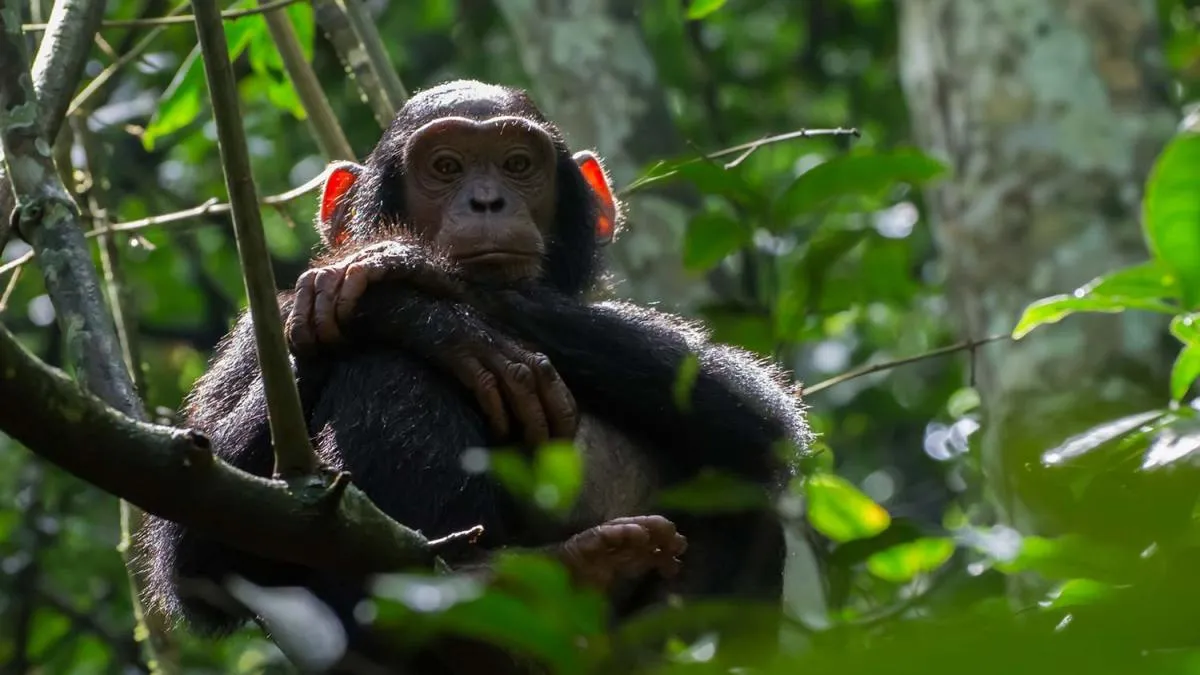
Landscape and Ecosystems
Kibale Forest National Park features a complex mosaic of ecosystems that support its remarkable biodiversity.
Tropical Moist Forest
The dominant ecosystem in Kibale is moist evergreen and semi-deciduous forest. Tall canopy trees, thick undergrowth, and climbing vines create ideal conditions for arboreal primates and forest birds. The forest structure allows for excellent wildlife viewing, particularly during guided walks and primate tracking.
Swamps and Grasslands
Interspersed within the forest are swampy areas and open grasslands, including the well-known Bigodi Wetland Sanctuary on the park’s edge. These habitats support additional wildlife species and enhance overall ecological diversity.
Crater Lakes
The region surrounding Kibale is dotted with scenic crater lakes formed by ancient volcanic activity. While many of these lakes lie just outside the park boundaries, they contribute to the area’s beauty and provide opportunities for community-based tourism and cultural experiences.
Primate Diversity in Kibale Forest National Park
Kibale Forest National Park is celebrated for hosting one of the highest diversities and densities of primates in Africa. Thirteen primate species have been recorded in the park, making it an unparalleled destination for primate enthusiasts.
Chimpanzees
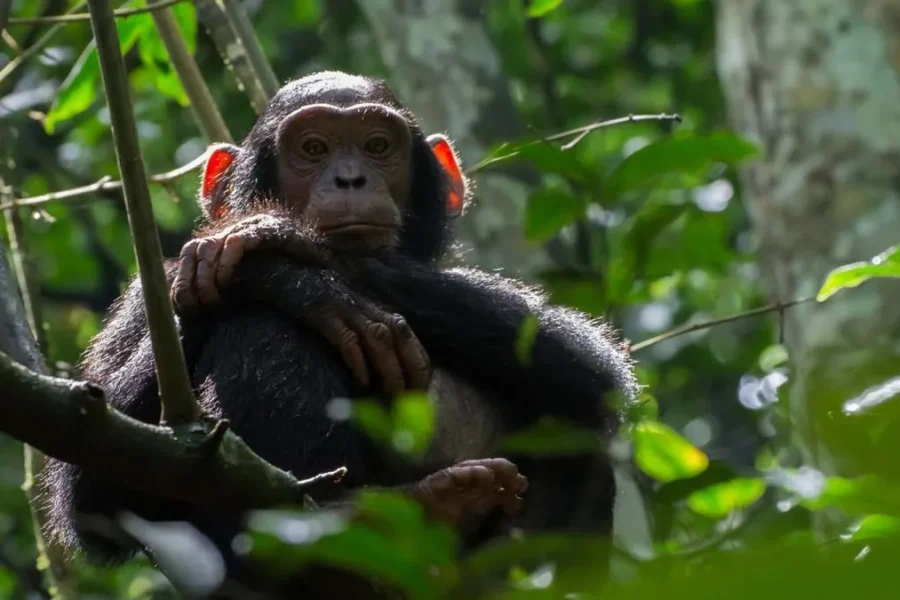
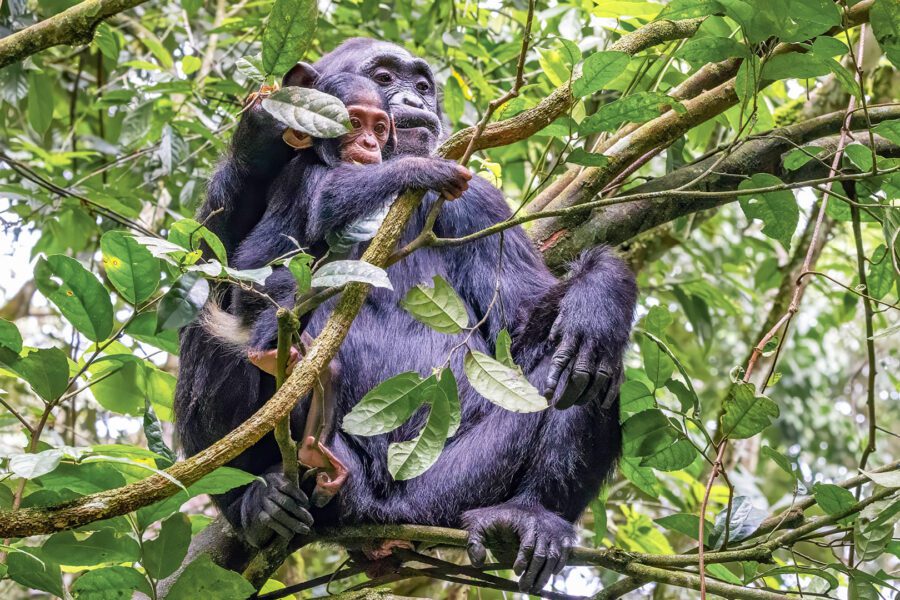
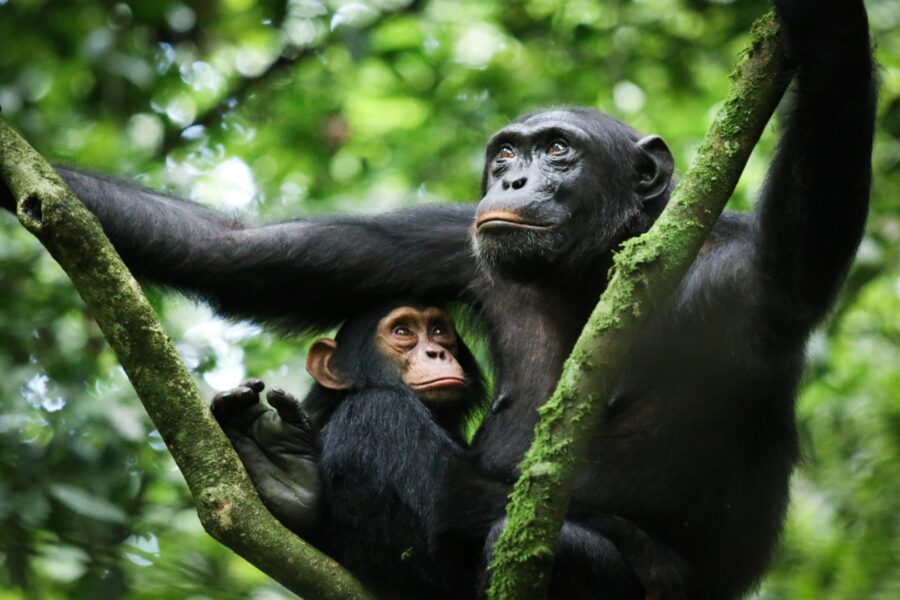
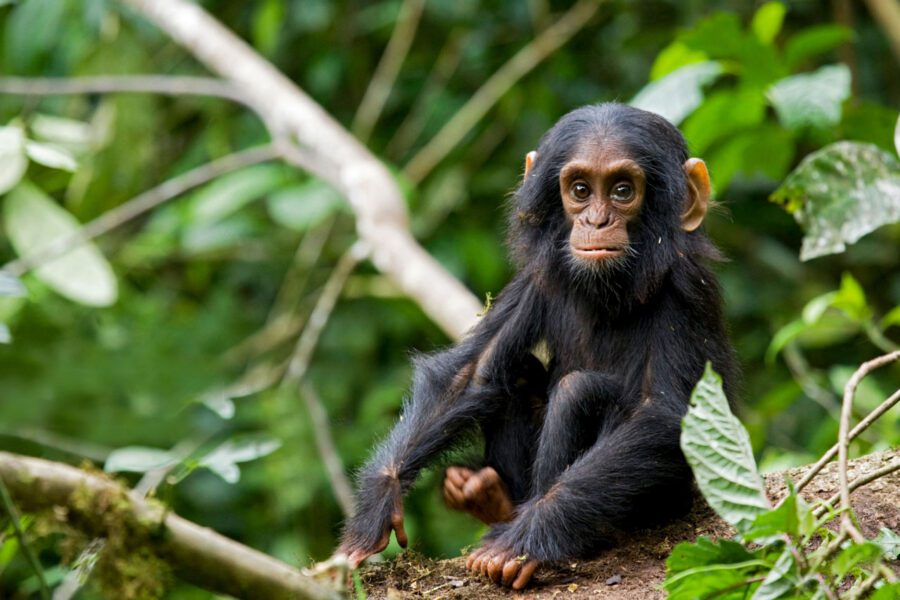
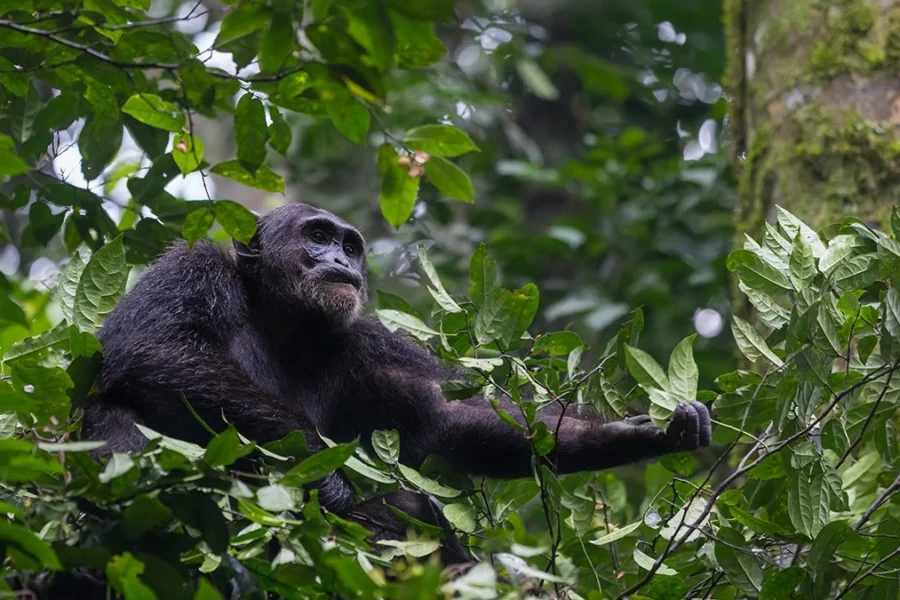
Chimpanzees are the park’s flagship species and the main attraction for most visitors. Kibale is home to an estimated 1,500 chimpanzees, representing one of the largest populations in East Africa. Several groups have been habituated for tourism and research, allowing visitors to observe these intelligent primates at close range.
Chimpanzee behavior commonly observed during treks includes feeding, grooming, vocal communication, tool use, and social interactions. The experience offers profound insight into primate intelligence and social structures, highlighting similarities between chimpanzees and humans.
Red Colobus Monkeys
Red colobus monkeys are abundant in Kibale and are often seen moving gracefully through the canopy. They play an important ecological role and are frequently encountered during forest walks.
Black-and-White Colobus Monkeys
These striking monkeys are easily recognizable by their long black-and-white fur and flowing tails. They are among the most photogenic primates in the park and are commonly spotted in groups.
L’Hoest’s Monkeys
L’Hoest’s monkeys are relatively rare in East Africa, making Kibale one of the best places to see them. They tend to stay in the forest understory and are often seen during quiet, early-morning walks.
Blue Monkeys and Others
Additional primate species include blue monkeys, olive baboons, grey-cheeked mangabeys, and bushbabies. This exceptional diversity cements Kibale’s reputation as the primate capital of Africa.
Chimpanzee Trekking and Habituation Experience
Chimpanzee Trekking
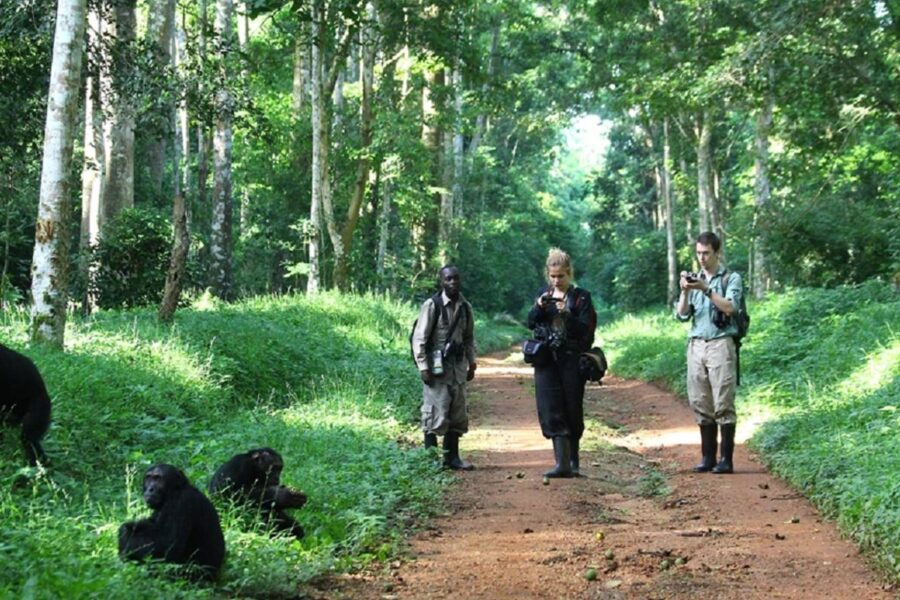
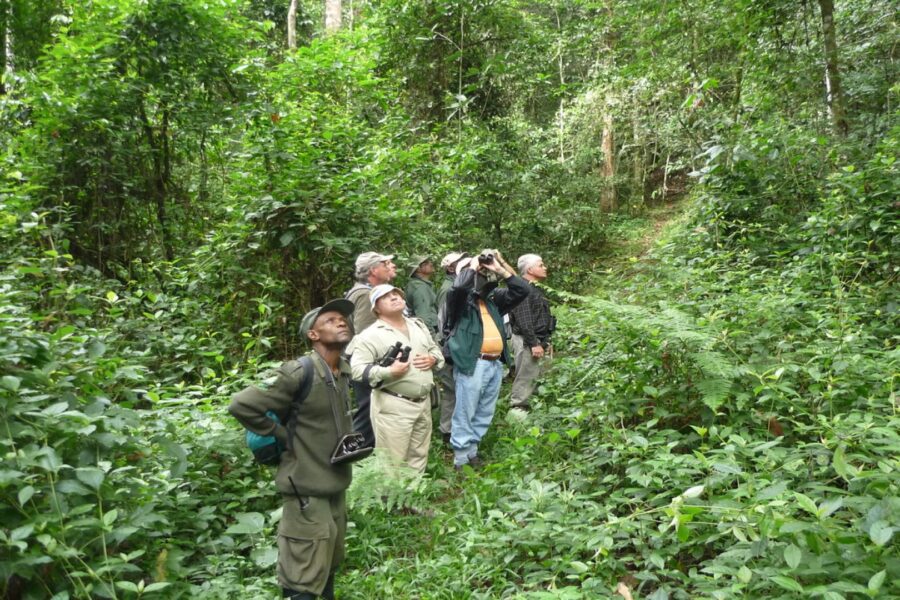
Chimpanzee trekking is the most popular activity in Kibale Forest National Park. Visitors are led by experienced UWA rangers and trackers who follow vocalizations, feeding signs, and movement patterns to locate a habituated chimpanzee group.
Treks typically last between two and four hours, depending on the location of the chimpanzees. Once found, visitors are allowed up to one hour to observe the chimpanzees in their natural environment.
Chimpanzee Habituation Experience
For travelers seeking a deeper encounter, Kibale offers a chimpanzee habituation experience. This full-day activity allows visitors to accompany researchers as they follow chimpanzees from morning until evening, observing behaviors that are rarely seen during standard treks.
The habituation experience provides a more immersive understanding of chimpanzee ecology, research methods, and conservation challenges.
Other Wildlife
Although primates are the main focus, Kibale Forest National Park supports a variety of other wildlife species.
Mammals
- Forest elephants (rarely seen but present)
- Bush pigs
- Duikers
- Giant forest hogs
Birdlife
Kibale is a birdwatcher’s paradise, with over 375 bird species recorded. Notable species include the African grey parrot, green-breasted pitta, great blue turaco, and various hornbills. The park is particularly important for forest-dependent and Albertine Rift endemic birds.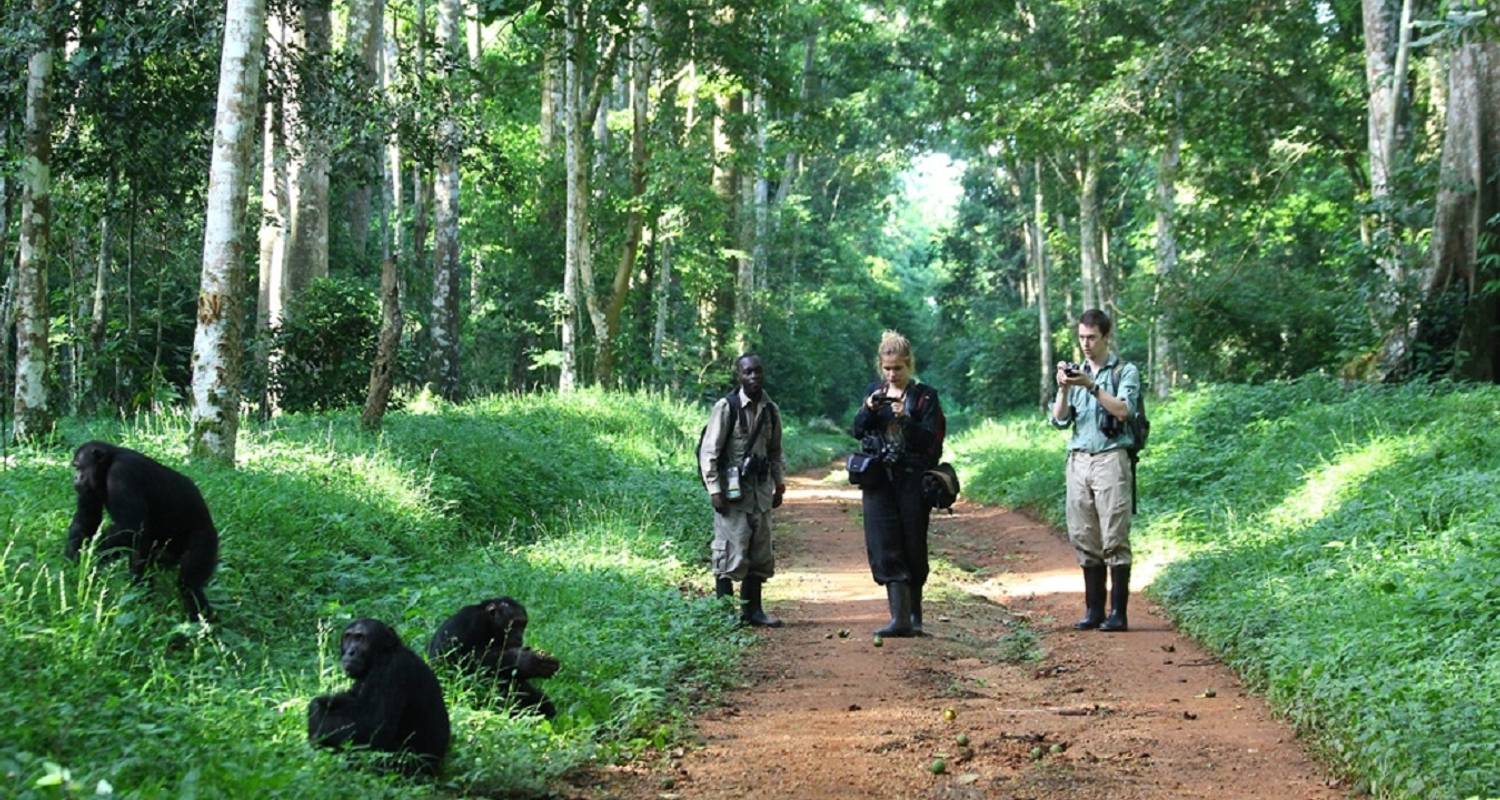
Conservation Importance
Kibale Forest National Park plays a vital role in regional conservation. It protects a significant portion of Uganda’s remaining tropical forest and serves as a key corridor for wildlife movement between protected areas.
Conservation efforts in Kibale focus on:
- Habitat protection and restoration
- Long-term primate research
- Community conservation programs
- Sustainable tourism development
Partnerships between UWA, conservation organizations, and local communities have helped reduce threats such as deforestation, illegal hunting, and human-wildlife conflict.
Activities in and Around Kibale Forest National Park
Guided Forest Walks
Nature walks offer opportunities to observe primates, birds, butterflies, and medicinal plants while learning about forest ecology.
Bigodi Wetland Sanctuary
Located just outside the park, Bigodi Wetland Sanctuary is a community-managed conservation area known for excellent birdwatching and cultural interactions.
Cultural Experiences
Visitors can engage with local communities to learn about traditional lifestyles, farming practices, and cultural heritage.
Best Time to Visit
Kibale Forest National Park can be visited year-round, but certain periods are more favorable for trekking.
- Dry Seasons (June to September and December to February): Best for chimpanzee trekking with easier forest conditions.
- Wet Seasons (March to May and October to November): Lush scenery and excellent birdlife, though trails can be muddy.
Accommodation Options
Kibale offers a wide range of accommodation options to suit different budgets.
- Luxury Lodges: High-end eco-lodges with forest views and guided activities.
- Mid-range Lodges: Comfortable options near park entrances.
- Budget Lodges and Camps: Affordable stays for backpackers and researchers.


Practical Travel Information
- Access: Easily accessible by road from Kampala or Entebbe, often combined with Queen Elizabeth National Park.
- Permits: Chimpanzee trekking permits are required and should be booked in advance.
- Packing Essentials: Hiking boots, rain jacket, insect repellent, binoculars, and gloves.
- Health and Safety: Follow ranger instructions and maintain safe distances from primates.
Why Kibale Forest National Park Is a Leading Primates Destination in Africa
Kibale Forest National Park offers one of the most immersive and educational primate experiences in Africa. Its exceptional primate diversity, high success rate for chimpanzee sightings, accessible location, and strong conservation framework make it a must-visit destination for nature lovers and wildlife enthusiasts.
For travelers seeking meaningful encounters with primates in a lush forest setting, Kibale Forest National Park stands out as one of Africa’s finest and most rewarding primates destinations.