
Masai mara national park
Masai Mara National Park: Safari Destinations Africa
When the words African safari are spoken, one destination consistently rises above the rest in the imagination of travelers, wildlife photographers, documentary filmmakers, and nature lovers alike: Masai Mara National Park. Located in southwestern Kenya, the Masai Mara is not just a safari destination—it is a global icon of wilderness, wildlife abundance, and timeless African landscapes. Few places on Earth so perfectly capture the essence of safari travel as this vast expanse of rolling savannah, acacia-dotted plains, and life-giving rivers teeming with animals.
Renowned worldwide for the Great Wildebeest Migration, dramatic predator action, and deep cultural ties to the Maasai people, the Masai Mara represents the very heart of safari destinations Africa. It is a place where lions roam freely in large prides, cheetahs sprint across open plains, elephants move in ancient family lines, and the cycle of life unfolds daily in full view.
This in-depth article explores Masai Mara National Park in exceptional detail—its location, history, landscapes, wildlife, safari experiences, cultural heritage, accommodation options, best time to visit, conservation efforts, and why it remains Africa’s most celebrated safari destination.
Where Is Masai Mara National Park Located?
Masai Mara National Park (officially a national reserve) lies in Narok County, in southwestern Kenya, along the border with Tanzania. It forms the northern extension of Tanzania’s Serengeti National Park, together creating one of the largest and most important wildlife ecosystems in Africa.
The reserve covers approximately 1,510 square kilometers and sits at an altitude ranging from 1,500 to 2,170 meters above sea level. Its location places it within easy reach of Nairobi, Kenya’s capital, either by road (approximately 5–6 hours) or by short domestic flights to nearby airstrips.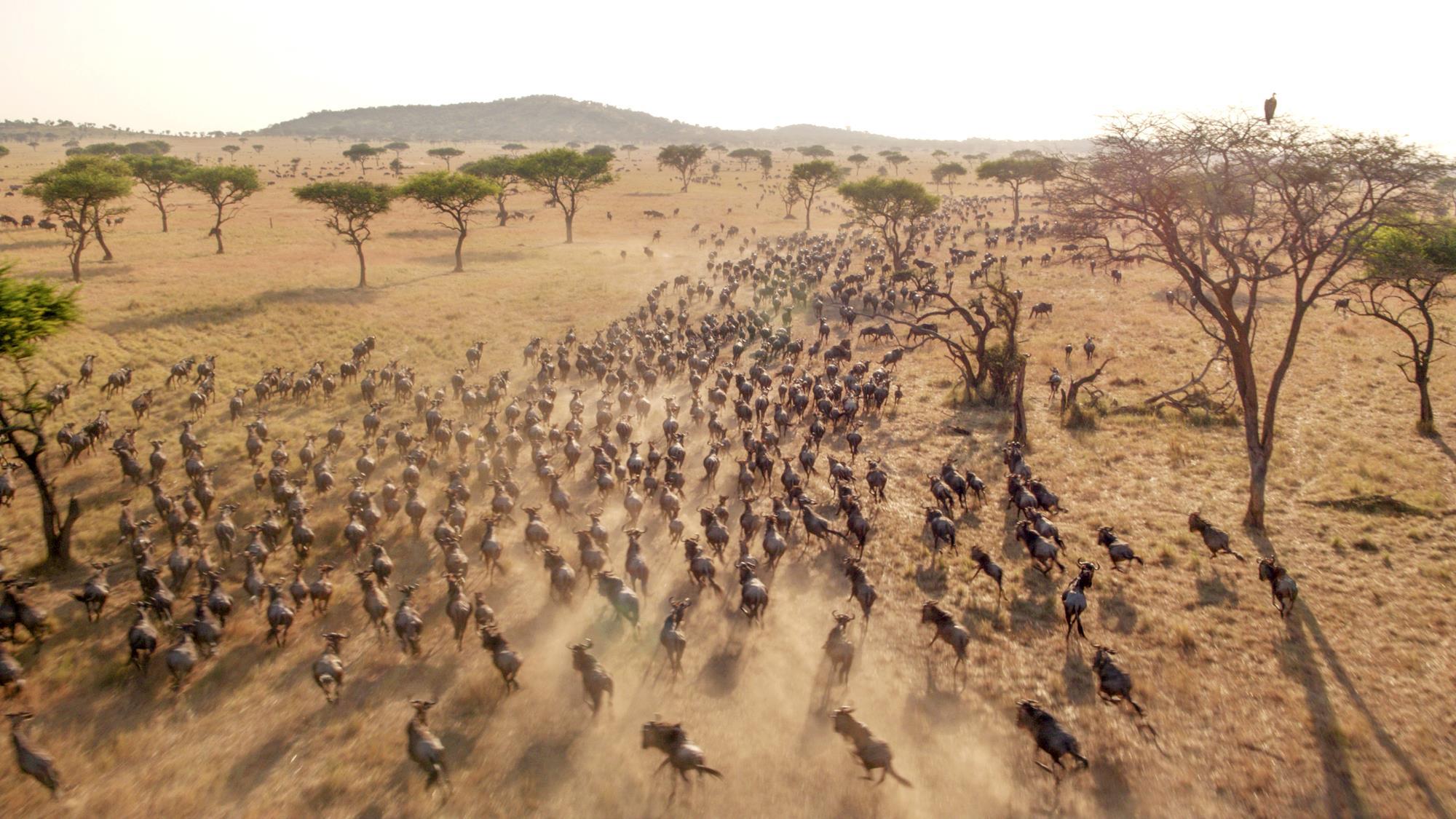
A Brief History of Masai Mara National Park
Origins and Protection
The Masai Mara has long been inhabited by the Maasai people, semi-nomadic pastoralists whose culture and traditions are deeply intertwined with the land. The name Masai Mara comes from the Maasai word “Mara”, meaning “spotted”, referring to the scattered acacia trees, shrubs, and wildlife dotting the plains.
The area was designated a wildlife sanctuary in 1948, later becoming a national reserve. Its protected status helped safeguard critical wildlife migration routes and preserve one of Africa’s richest ecosystems.
Global Recognition
Over the decades, Masai Mara gained international fame through wildlife documentaries, conservation research, and tourism. Today, it is considered one of the Seven Natural Wonders of Africa and remains one of the most studied and photographed wildlife areas in the world.
Landscapes and Ecosystems of the Masai Mara
The Masai Mara’s beauty lies in its vast openness and ecological diversity, offering classic safari scenery that feels untouched by time.
Open Savannah Plains
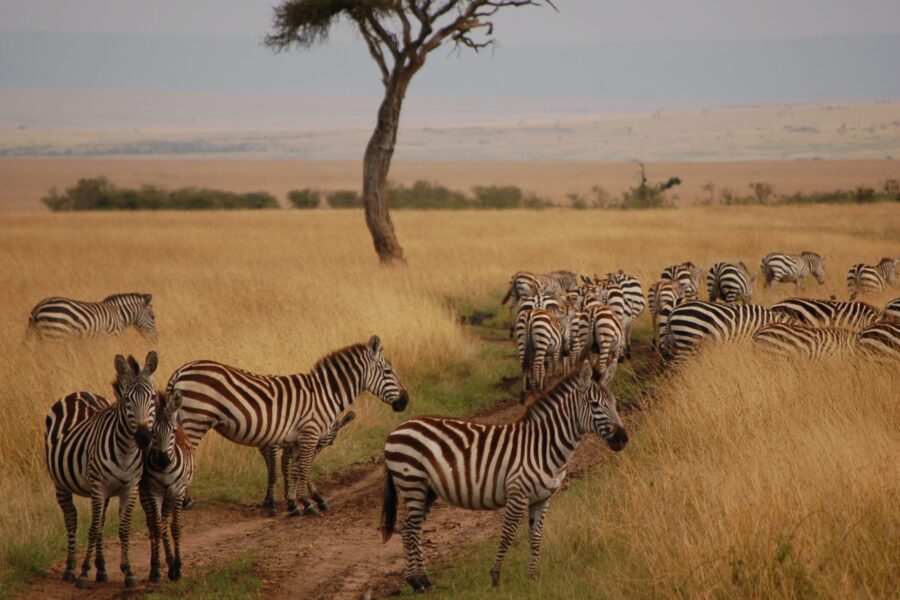
Rolling grasslands dominate the reserve, providing ideal grazing for herbivores and excellent visibility for predators. These open plains are the stage for dramatic wildlife encounters and the Great Migration.
Acacia Woodlands
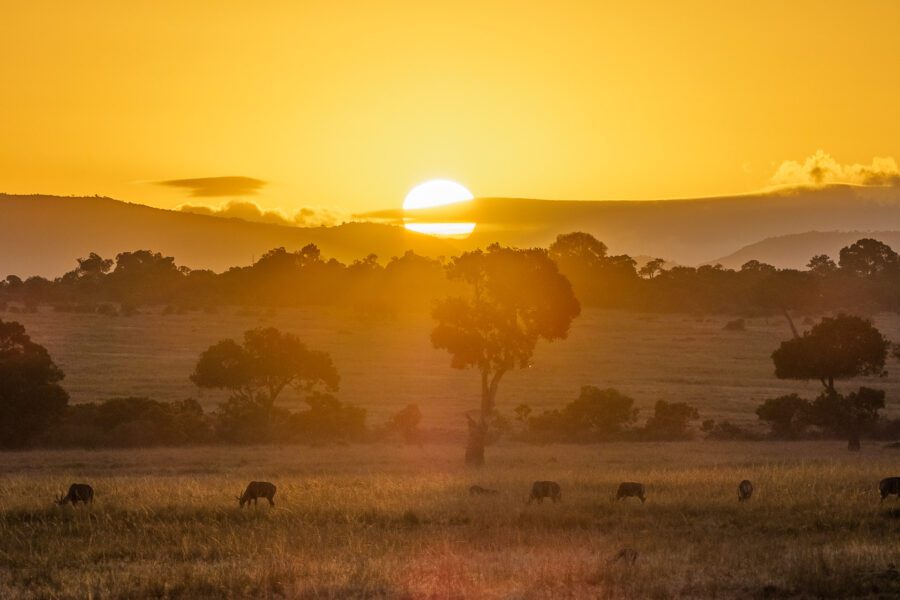
Scattered acacia trees offer shade, nesting sites for birds, and resting places for leopards. The woodlands also create stunning silhouettes at sunrise and sunset.
River Systems
The Mara River, Talek River, and Sand River flow through the reserve, acting as lifelines for wildlife. These rivers are famous for:
-
Crocodile-infested waters
-
Hippo pods
-
Iconic river crossings during the Great Migration
Escarpments and Hills
In the eastern regions, gentle hills and escarpments add topographical variety and panoramic viewpoints over the plains.
The Great Wildebeest Migration: Nature’s Greatest Spectacle
The Masai Mara is most famous for hosting the most dramatic phase of the Great Wildebeest Migration, one of the greatest wildlife events on the planet.
What Is the Great Migration?
Each year, over:
-
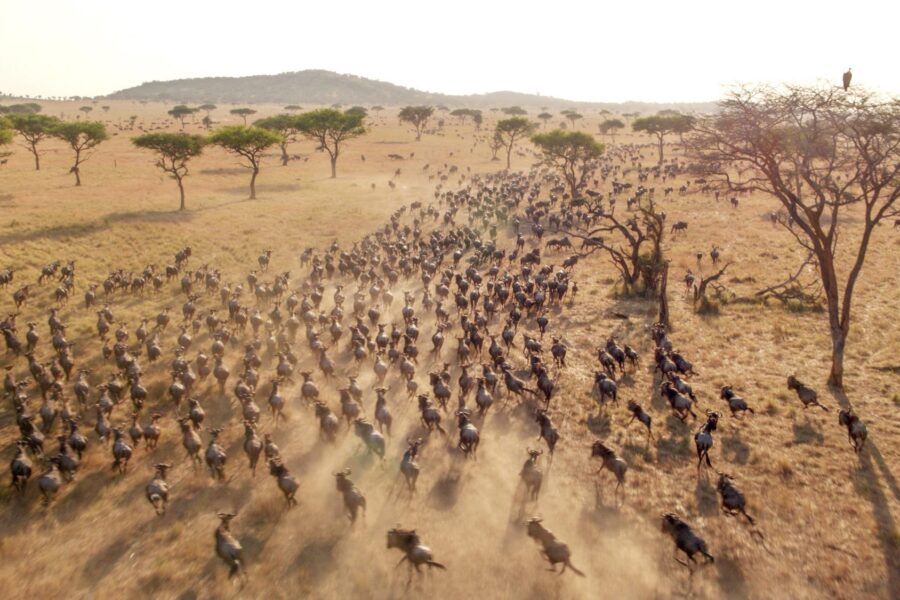
1.5 million wildebeest
-
300,000 zebras
-
Hundreds of thousands of gazelles
move in a continuous circular journey between the Serengeti and Masai Mara in search of fresh grazing.
River Crossings
Between July and October, massive herds gather at the Mara River, where they must cross crocodile-filled waters. These crossings are chaotic, dangerous, and awe-inspiring—symbolizing the raw power of nature.
Predator Abundance
The migration attracts predators in large numbers, leading to intense interactions involving lions, leopards, cheetahs, hyenas, and crocodiles.
 Wildlife of Masai Mara National Park
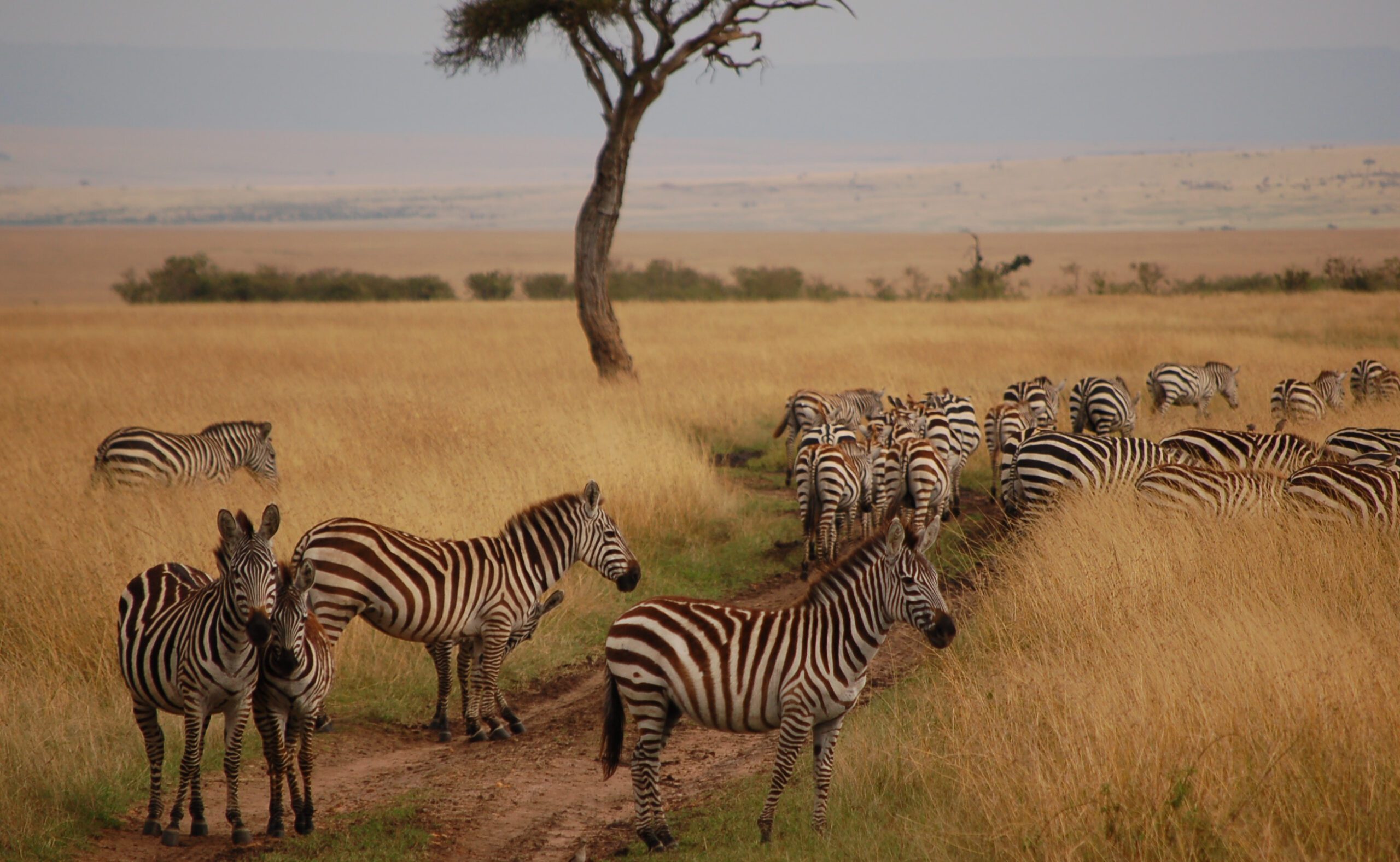 Wildlife of Masai Mara National Park
The Big Five
Masai Mara is one of the best places in Africa to see the Big Five:
-
Lions – The Mara is famous for its large, well-studied prides
-
Leopards – Often spotted resting in acacia trees
-
Elephants – Large herds roam the reserve
-
Buffalo – Common throughout the plains
-
Rhinoceros – Both black and white rhinos inhabit protected areas
Big Cats Capital of Africa
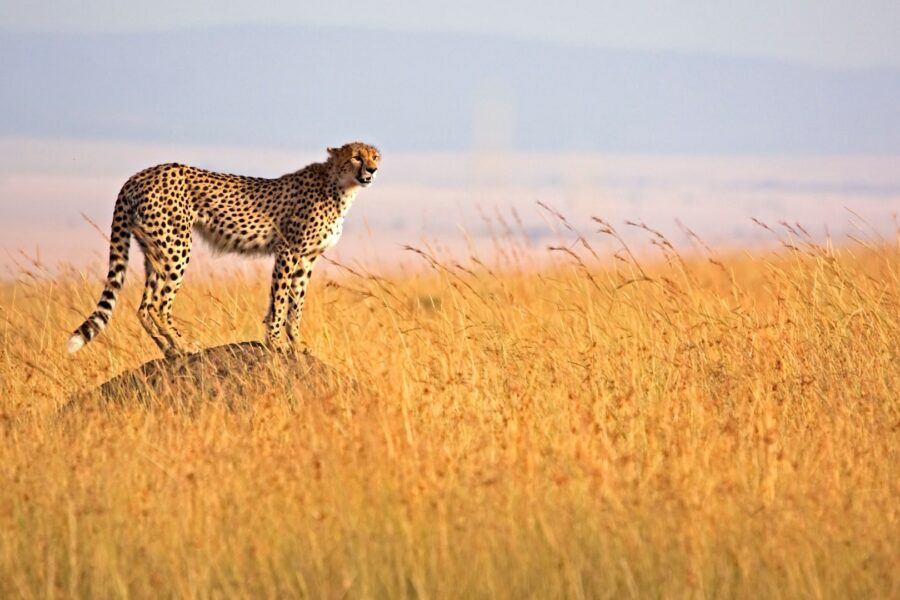
The Masai Mara is often referred to as the big cat capital of the world, with exceptional sightings of:
-
Lions hunting cooperatively
-
Cheetahs sprinting after prey
-
Leopards stalking from trees
Other Mammals
The reserve supports over 95 mammal species, including:
-
Giraffes
-
Hippos
-
Nile crocodiles
-
Warthogs
-
Topi, eland, hartebeest, and impala
Birdlife: A Hidden Treasure
Masai Mara is also a rewarding destination for birdwatchers, with over 470 recorded bird species.
Notable Birds
-
Secretary bird
-
Martial eagle
-
Lilac-breasted roller
-
Ostrich
-
Vultures and storks
-
Crowned crane
The diversity of habitats—from grasslands to riverine forests—supports both resident and migratory birds.
Safari Experiences in Masai Mara National Park
Game Drives
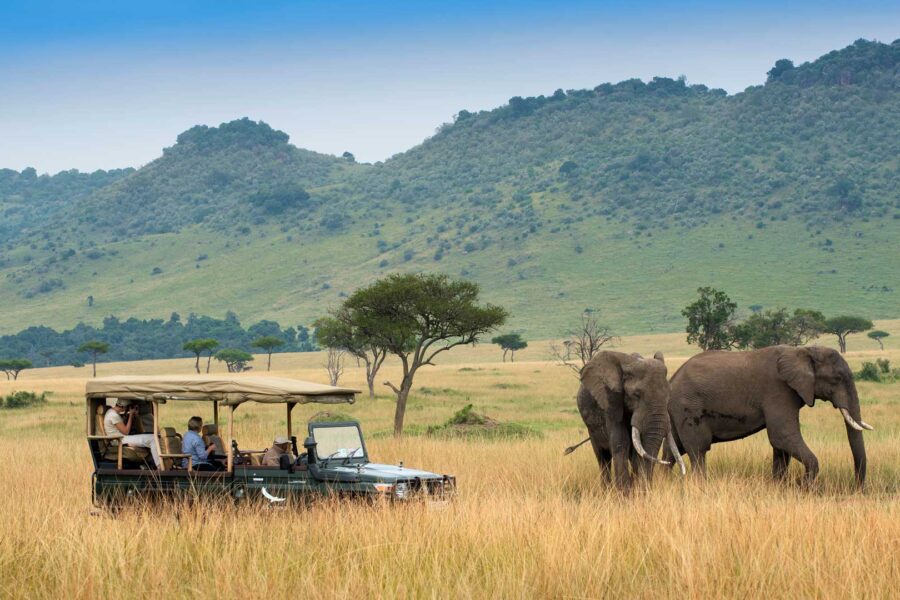
Game drives are the core safari activity, typically conducted in open-sided 4×4 vehicles. Early morning and late afternoon drives provide the best wildlife viewing and lighting.
Hot Air Balloon Safaris
One of the most iconic experiences in the Masai Mara is a hot air balloon safari, offering aerial views of wildlife herds at sunrise, followed by a champagne bush breakfast.
Walking Safaris
In designated areas and conservancies, guided walking safaris allow visitors to experience the Mara on foot, learning about tracks, plants, and smaller wildlife.
Cultural Visits
Visits to Maasai villages provide insights into traditional lifestyles, customs, and coexistence with wildlife.
Accommodation in Masai Mara National Park
Luxury Safari Lodges
High-end lodges offer:
-
Elegant tented suites
-
Private decks overlooking wildlife areas
-
Fine dining and spa services
-
Expert-guided safaris
Mid-Range Camps
Comfortable tented camps provide authentic safari experiences with modern amenities.
Budget Camps
Budget-friendly camps and lodges cater to adventurous travelers while still offering excellent wildlife access.
Private Conservancies
Surrounding conservancies offer exclusive experiences with fewer vehicles, off-road driving, and night safaris.
Best Time to Visit Masai Mara National Park
Masai Mara is a year-round safari destination, but different seasons offer unique experiences.
July to October
-
Great Migration and river crossings
-
Peak wildlife density
-
Higher prices and more visitors
January to March
-
Excellent predator sightings
-
Fewer crowds
-
Calving season for some species
April to June
-
Lush landscapes
-
Best birding
-
Occasional rain
Conservation and Community Involvement
Wildlife Protection
Masai Mara is central to Kenya’s conservation efforts, with anti-poaching units, research initiatives, and habitat protection programs.
Community-Based Conservation
Local Maasai communities play a key role through conservancies, eco-tourism partnerships, and land-lease programs that balance livelihoods with wildlife protection.
Masai Mara in the Context of Safari Destinations Africa
Among all safari destinations in Africa, Masai Mara stands out for:
-
Unmatched wildlife density
-
The Great Migration spectacle
-
Exceptional predator sightings
-
Cultural richness
-
Diverse safari activities
It consistently ranks among the top safari destinations worldwide, rivaling the Serengeti, Kruger, Okavango Delta, and Ngorongoro Crater.
Who Should Visit Masai Mara National Park?
Masai Mara is ideal for:
-
First-time safari travelers
-
Wildlife photographers
-
Documentary filmmakers
-
Honeymooners
-
Families and luxury travelers
-
Conservation-focused tourists
Why Masai Mara National Park Defines Safari Destinations Africa
Masai Mara National Park is more than a travel destination—it is the living embodiment of Africa’s wild spirit. Its endless plains, dramatic wildlife encounters, and ancient rhythms of migration capture the imagination like nowhere else on Earth.
From the thunder of wildebeest hooves to the silent stare of a lion at dawn, the Masai Mara offers experiences that stay with travelers for a lifetime. It is not only one of the finest safari destinations in Africa—it is the benchmark against which all safaris are measured.
For anyone seeking the ultimate African safari, Masai Mara National Park remains unrivaled.