Mgahinga Gorilla National Park
Mgahinga Gorilla National Park : Primates destination in africa
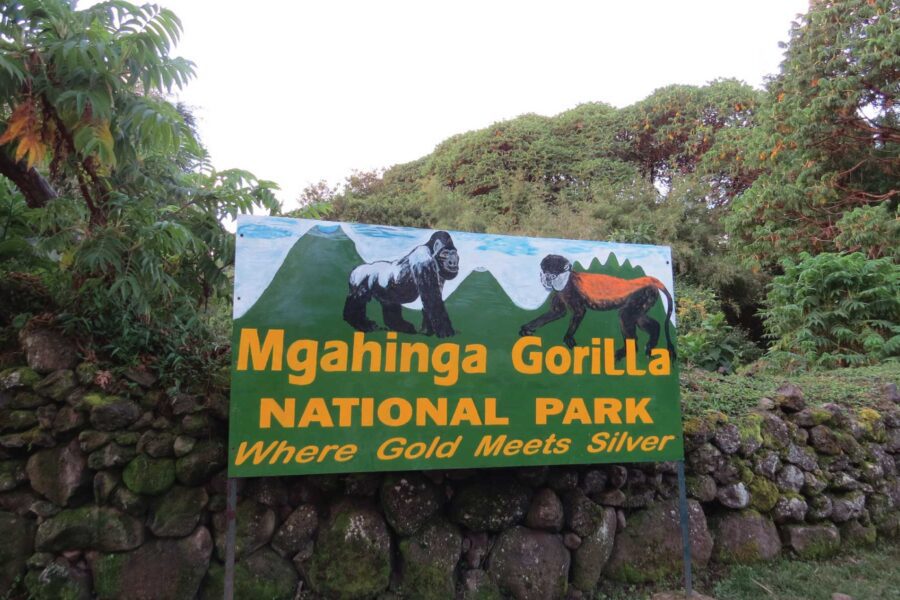
Mgahinga Gorilla National Park is one of Africa’s most unique and intimate primate destinations, offering rare encounters with endangered mountain gorillas and golden monkeys against the dramatic backdrop of the Virunga Volcanoes. Located in southwestern Uganda, Mgahinga is the country’s smallest national park, yet it holds immense ecological, cultural, and conservation significance. Its compact size, striking volcanic landscapes, and rich primate diversity make it a remarkable destination for travelers seeking meaningful wildlife experiences beyond the classic safari circuit.
Part of the greater Virunga Conservation Area that spans Uganda, Rwanda, and the Democratic Republic of Congo, Mgahinga Gorilla National Park plays a vital role in the survival of mountain gorillas and other Albertine Rift endemics. The park combines high-altitude afro-montane ecosystems, bamboo forests, and volcanic slopes, creating ideal habitats for primates and other specialized wildlife. For visitors, Mgahinga offers a quieter, less crowded alternative to other gorilla trekking destinations, while still delivering world-class primate encounters.
This comprehensive article explores Mgahinga Gorilla National Park in detail, including its location, history, landscapes, ecosystems, primate diversity, gorilla and golden monkey trekking experiences, conservation importance, cultural heritage, activities, best time to visit, accommodation options, and practical travel information. Together, these elements explain why Mgahinga stands out as an exceptional primates destination in Africa.
Location and Geographic Setting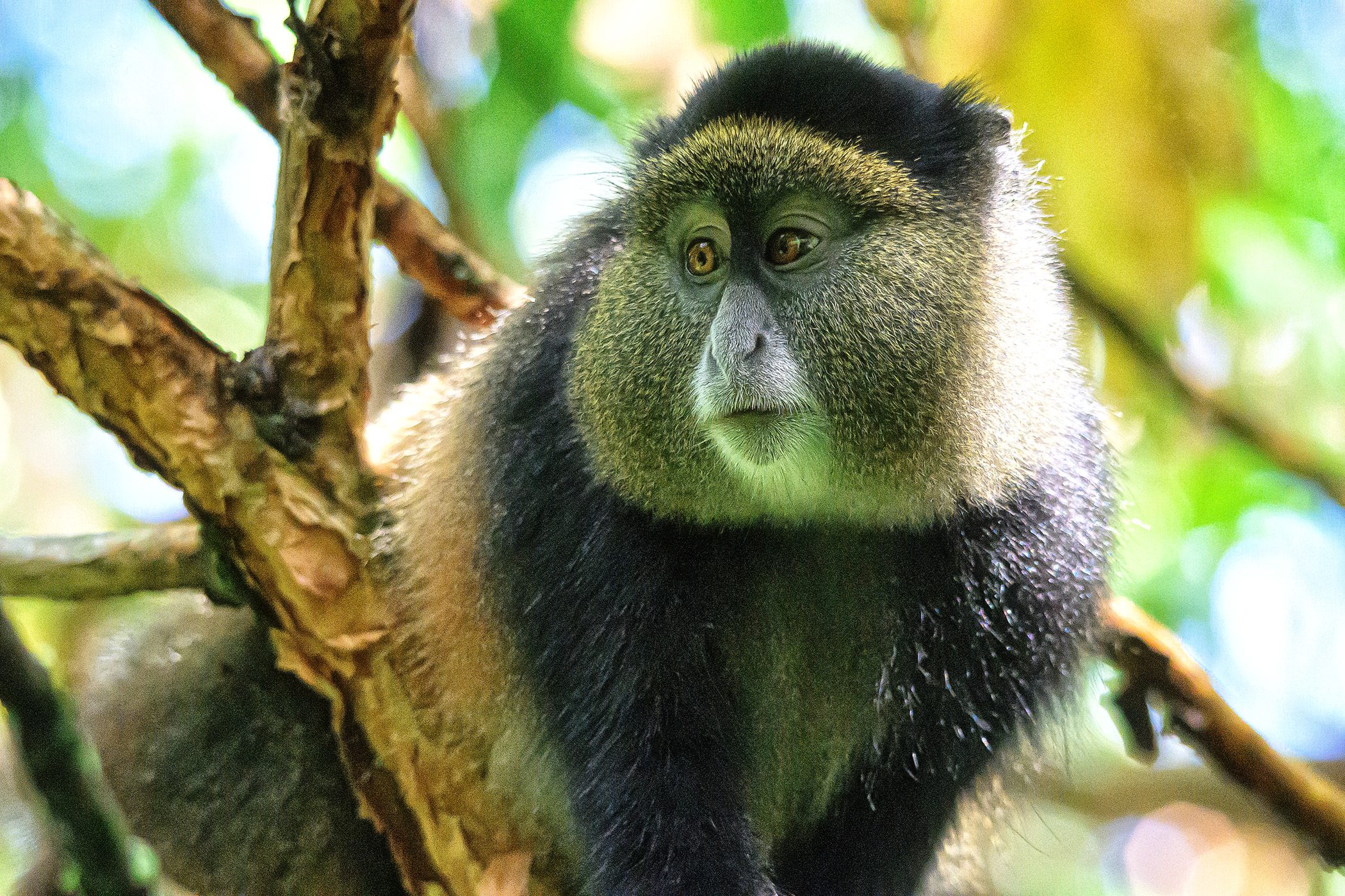
Mgahinga Gorilla National Park is located in southwestern Uganda, in Kisoro District, near the borders with Rwanda and the Democratic Republic of Congo. The park lies approximately 510 kilometers from Kampala and is commonly accessed via road travel through Kabale or by domestic flights to nearby airstrips.
The park covers an area of about 33.7 square kilometers and forms part of the northern slopes of the Virunga Volcanoes. Three extinct volcanoes dominate the park’s landscape: Mount Muhabura, Mount Gahinga, and Mount Sabyinyo. These volcanic peaks define Mgahinga’s rugged terrain and contribute to its scenic beauty and ecological diversity.
Mgahinga’s altitude ranges from around 2,227 to 4,127 meters above sea level, creating cool temperatures and misty conditions typical of high-altitude montane environments. This elevation supports specialized plant and animal communities adapted to life in the afro-alpine zone.
History and Establishment
The area now protected as Mgahinga Gorilla National Park has long been recognized for its ecological importance and cultural significance. Historically, local communities used the forest for grazing, hunting, and cultural practices. The region is also closely associated with the Batwa people, indigenous forest dwellers whose lives were deeply connected to the Virunga forests.
Mgahinga was gazetted as a national park in 1991, primarily to protect the endangered mountain gorillas and conserve the fragile volcanic ecosystems of the Virunga range. The park is managed by the Uganda Wildlife Authority (UWA), which works in collaboration with regional conservation partners to ensure cross-border wildlife protection.
Since its establishment, Mgahinga has become an important component of transboundary conservation efforts, highlighting the need for international cooperation in protecting wide-ranging primate populations.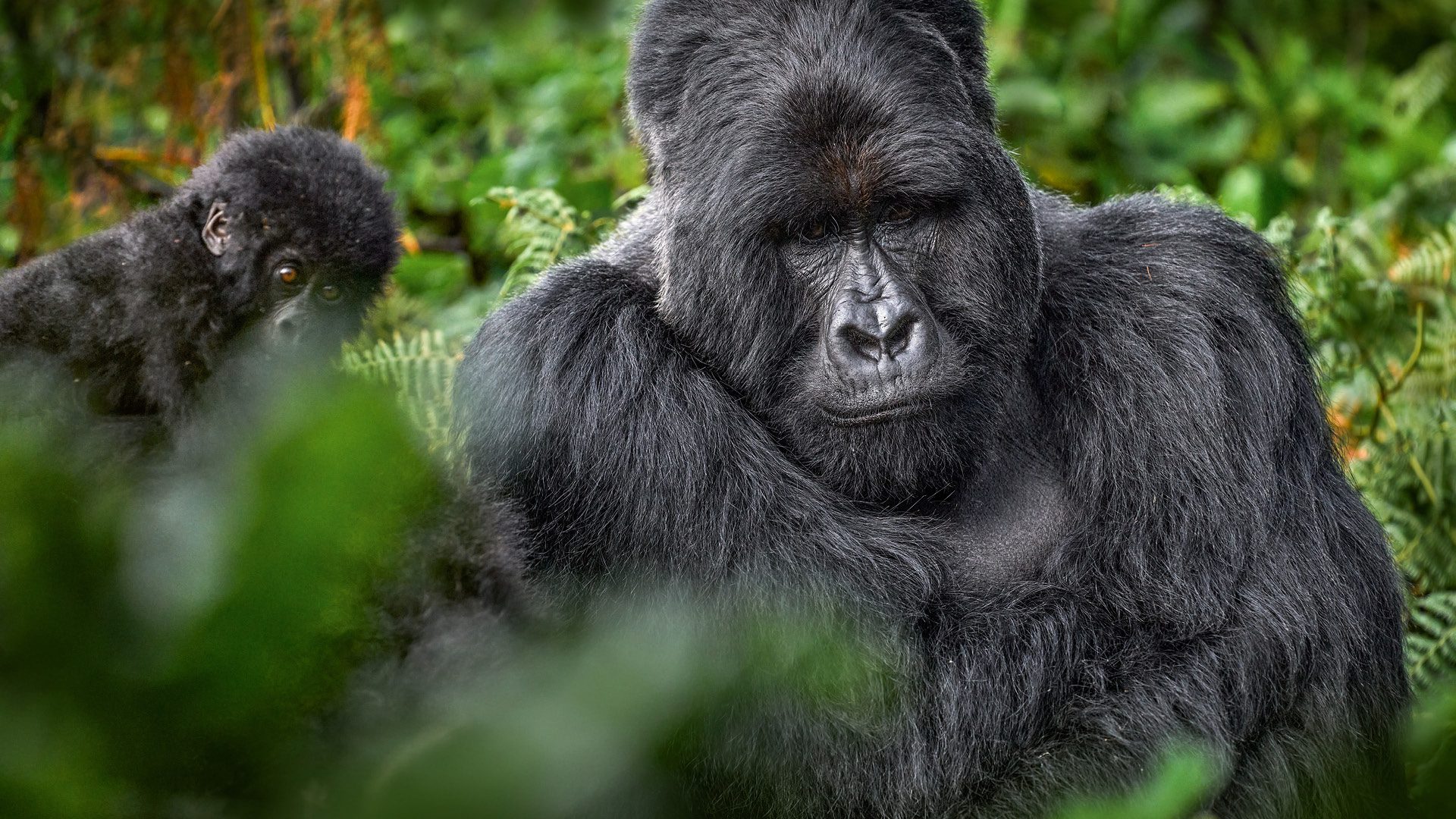
Landscape and Ecosystems
Despite its small size, Mgahinga Gorilla National Park features a remarkable variety of ecosystems shaped by altitude, volcanic soils, and climate.
Afro-Montane Forest
Lower elevations of the park are dominated by afro-montane forest, characterized by tall trees, dense undergrowth, and a rich diversity of plant species. This habitat supports primates, forest birds, and small mammals.
Bamboo Forests
One of Mgahinga’s most distinctive ecosystems is its extensive bamboo forest. Bamboo plays a crucial role in the park’s ecology, providing food for mountain gorillas and golden monkeys, especially during the bamboo shoot season.
Afro-Alpine Zone
At higher elevations, vegetation transitions into afro-alpine communities, including giant lobelias, groundsels, and heath. These zones are adapted to cold temperatures and strong winds and add to the park’s dramatic scenery.
Volcanic Slopes and Craters
The volcanic origins of Mgahinga are evident in its rocky slopes, lava formations, and crater features. These geological elements influence drainage patterns, soil fertility, and plant distribution throughout the park.
Primate Diversity in Mgahinga Gorilla National Park
Mgahinga Gorilla National Park is best known for its primates, particularly mountain gorillas and golden monkeys, but it also supports several other primate species.
Mountain Gorillas
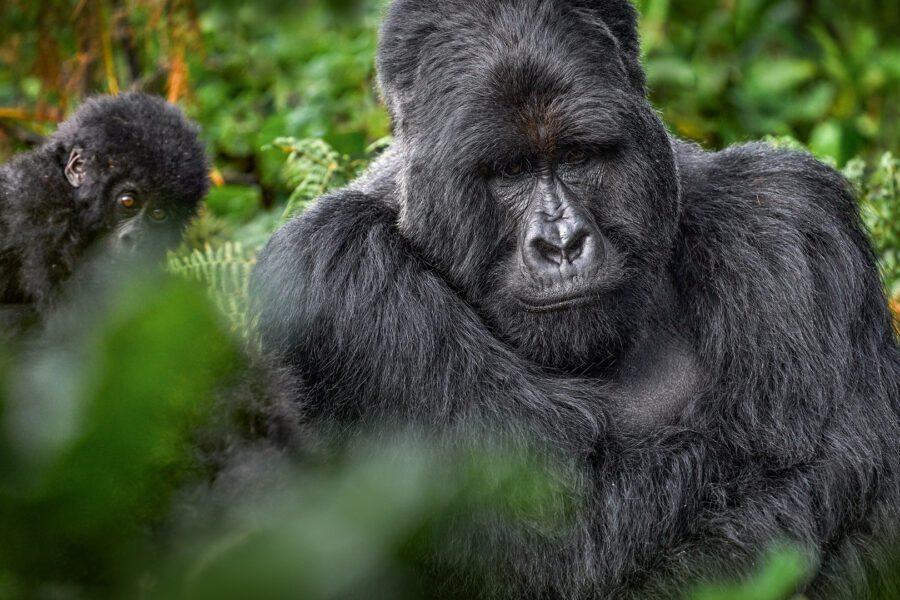
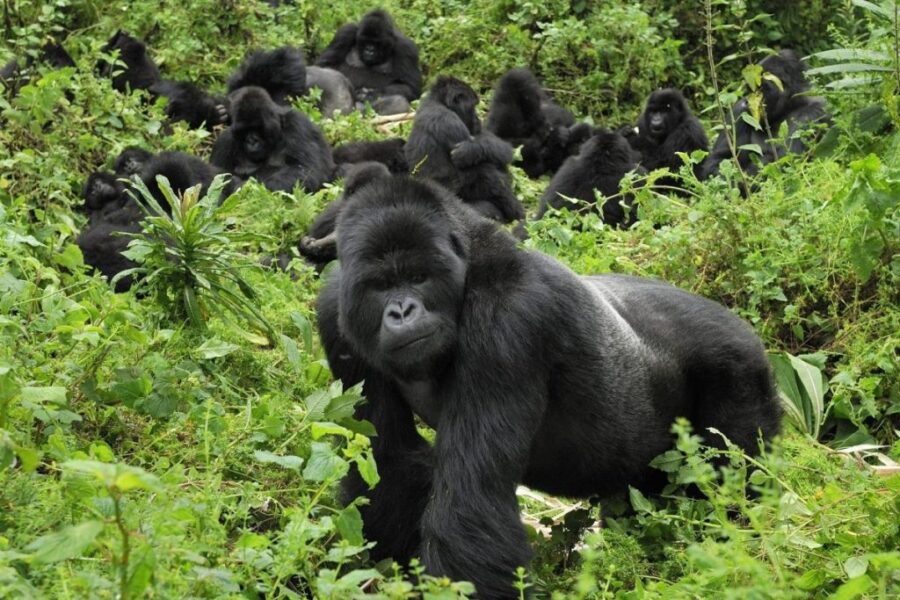
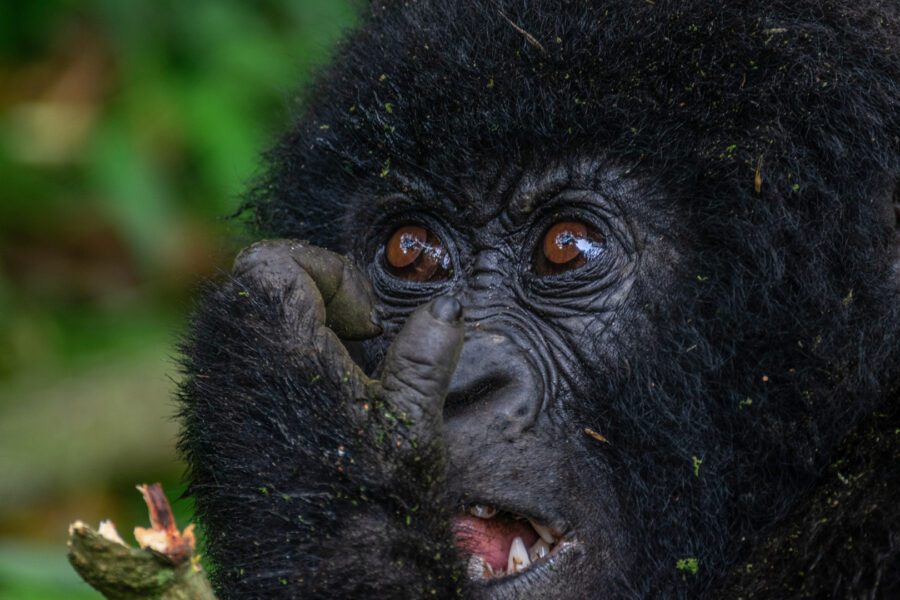
Mountain gorillas are the park’s flagship species and the main attraction for visitors. Mgahinga is home to the Nyakagezi gorilla family, a habituated group that ranges across the borders of Uganda, Rwanda, and the Democratic Republic of Congo. When the group is within Ugandan territory, visitors have the opportunity to track and observe these magnificent primates.
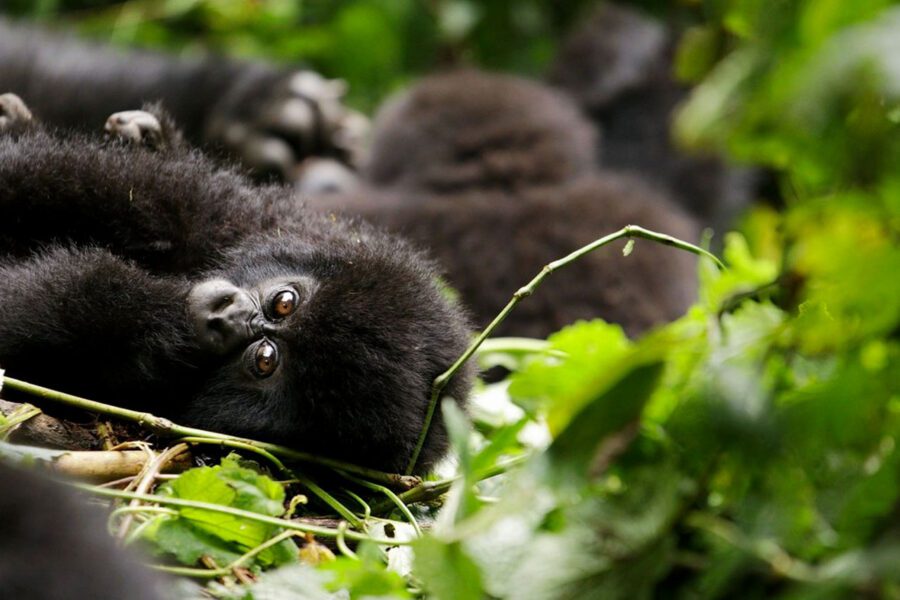
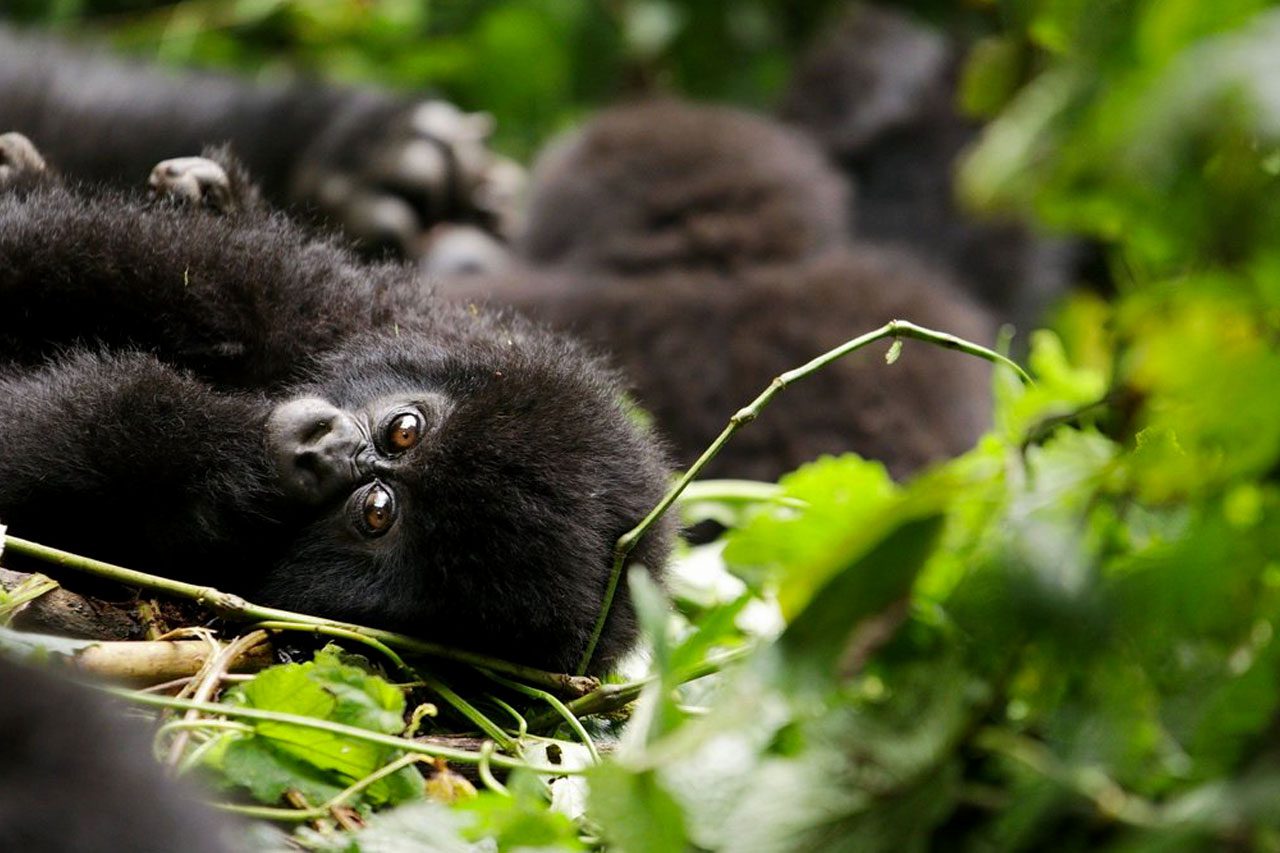
Gorilla behavior commonly observed during treks includes feeding on bamboo and other vegetation, resting, grooming, playing, and social interaction within the family group. Encounters with mountain gorillas are often described as deeply emotional and transformative experiences.
Golden Monkeys
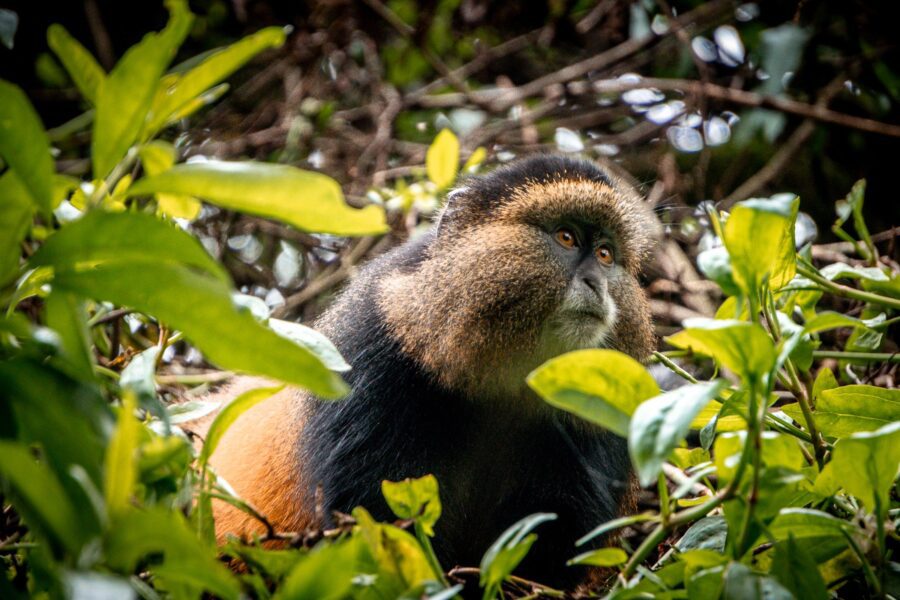
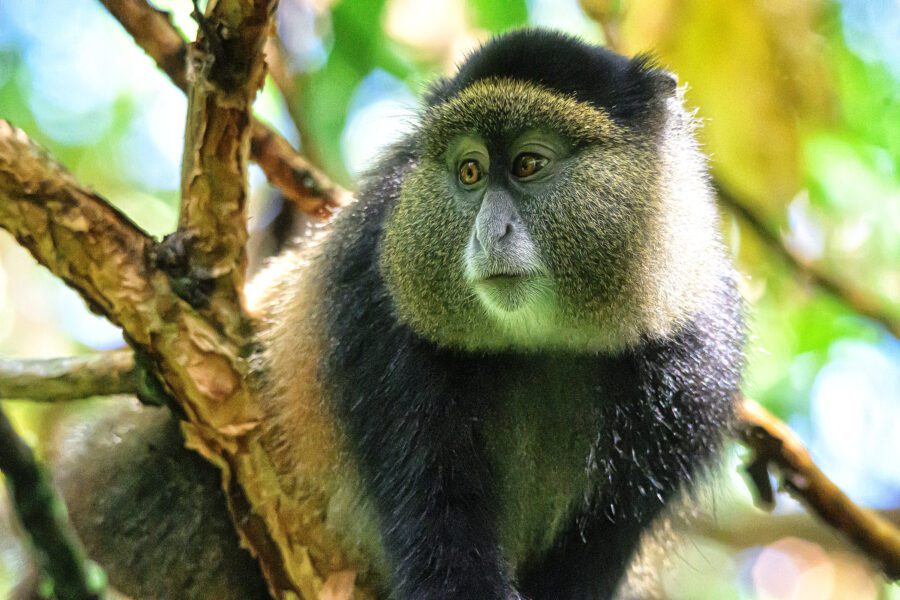
Golden monkeys are another major highlight of Mgahinga Gorilla National Park. These striking primates, with their golden-orange fur, inhabit the bamboo forests of the Virunga range. Mgahinga is one of the best places in Africa to track golden monkeys, offering both standard trekking and habituation experiences.
Golden monkeys are active, playful, and highly photogenic, providing a contrasting primate experience to gorilla trekking.
Other Primate Species
Additional primates found in Mgahinga include:
- Blue monkeys
- Black-and-white colobus monkeys
- Olive baboons
Although primate diversity is lower than in larger forests like Bwindi or Kibale, the presence of globally significant species makes Mgahinga exceptionally important.
Gorilla Trekking Experience
Trekking Overview
Gorilla trekking in Mgahinga follows a similar structure to other gorilla destinations in Uganda. Visitors begin with an early morning briefing at the park headquarters, where they receive information on gorilla behavior, trekking rules, and conservation guidelines.
Accompanied by experienced rangers and trackers, visitors hike through bamboo forests and volcanic slopes to locate the Nyakagezi gorilla family. Trek durations vary depending on the gorillas’ location but are generally shorter than in some other parks due to Mgahinga’s compact size.
Once the gorillas are found, visitors are allowed a maximum of one hour to observe them, maintaining a safe distance to minimize disturbance and disease risk.
Golden Monkey Tracking and Habituation
Golden monkey tracking is one of Mgahinga’s signature activities and a major draw for primate enthusiasts.
- Golden Monkey Trekking: Shorter treks focused on observing habituated groups in bamboo forests.
- Golden Monkey Habituation Experience: A longer, more immersive activity that allows visitors to spend extended time with monkeys as they become accustomed to human presence.
These experiences provide valuable insight into primate behavior, research, and conservation.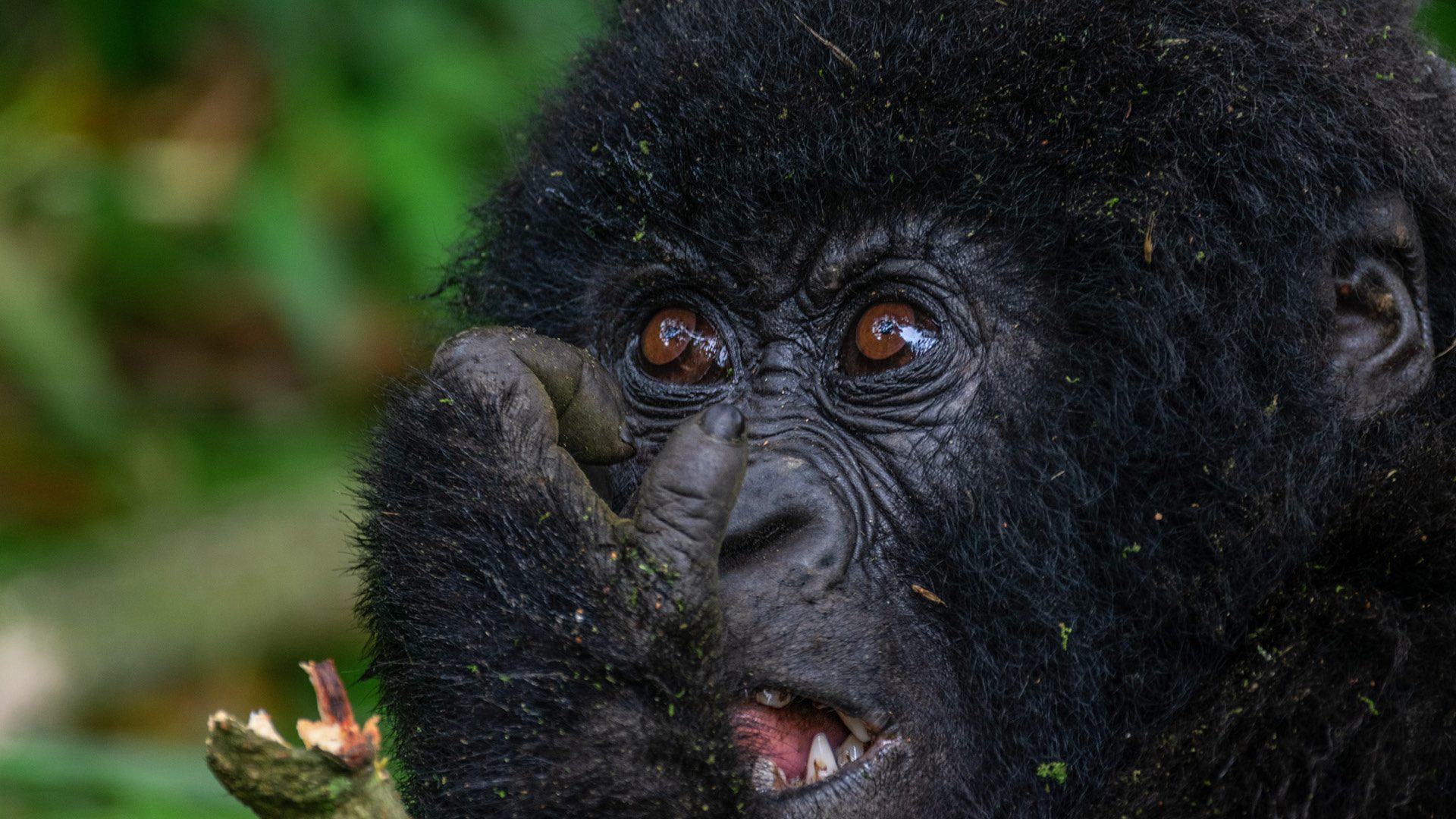
Conservation Importance
Mgahinga Gorilla National Park plays a critical role in the conservation of mountain gorillas and other Albertine Rift species.
Key conservation efforts include:
- Transboundary cooperation with Rwanda and the Democratic Republic of Congo
- Anti-poaching patrols and habitat protection
- Veterinary monitoring and research
- Community-based conservation and revenue-sharing programs
Tourism revenue from gorilla and golden monkey trekking directly supports conservation activities and contributes to local community development.
Cultural Heritage and Community Involvement
The communities surrounding Mgahinga, including the Batwa people, have deep cultural connections to the forest. Cultural experiences allow visitors to learn about traditional hunting, gathering, music, dance, and storytelling.
Community tourism initiatives provide alternative livelihoods and help preserve cultural heritage while promoting conservation awareness.
Other Wildlife and Birdlife
While primates are the main attraction, Mgahinga supports a variety of other wildlife.
Mammals
- Bushbucks
- Forest buffalo (occasionally)
- Giant forest hogs (rare)
Birdlife
Mgahinga is an excellent birding destination, particularly for Albertine Rift endemics. Notable species include Rwenzori turaco, dusky turtle dove, and various sunbirds.
Activities in Mgahinga Gorilla National Park
- Gorilla trekking
- Golden monkey trekking and habituation
- Volcano hiking (Mount Sabyinyo, Mount Gahinga, Mount Muhabura)
- Guided nature walks
- Cultural and community visits
Best Time to Visit
Mgahinga Gorilla National Park can be visited year-round, but conditions vary by season.
- Dry Seasons (June to September and December to February): Best trekking and hiking conditions.
- Wet Seasons (March to May and October to November): Lush scenery and fewer visitors, but slippery trails.
Accommodation Options
Accommodation options around Mgahinga cater to different budgets.
- Luxury Lodges: High-end lodges offering comfort and scenic views of the Virunga Volcanoes.
- Mid-range Lodges: Comfortable lodges near park entrances.
- Budget Lodges and Camps: Affordable options in Kisoro and surrounding areas.

Practical Travel Information
- Access: By road from Kampala or via domestic flights to Kisoro.
- Permits: Gorilla and golden monkey trekking permits are required and should be booked in advance.
- Packing Essentials: Hiking boots, rain jacket, gloves, warm clothing, and camera equipment.
- Health and Safety: Follow ranger instructions and maintain required distances from wildlife.
Why Mgahinga Gorilla National Park Is a Premier Primates Destination in Africa
Mgahinga Gorilla National Park offers a rare combination of iconic primates, dramatic volcanic landscapes, and meaningful conservation experiences. Its mountain gorillas and golden monkeys, set within the breathtaking Virunga Volcanoes, create a unique and intimate primate safari experience.
For travelers seeking a quieter, less crowded alternative to other gorilla trekking destinations, Mgahinga provides exceptional value and unforgettable encounters. Its role in transboundary conservation and cultural preservation further enhances its importance as one of Africa’s leading primates destinations.