Ngorongoro Crater: Exploring Africa’s Natural Wildlife Eden
Ngorongoro Crater stands as one of Africa’s most mesmerizing natural wonders—a place where geological drama, wildlife abundance, and ancient history converge to create a wilderness sanctuary unlike anywhere else in the world. Often referred to as the “Eighth Wonder of the World,” this vast volcanic caldera is one of Tanzania’s most iconic safari destinations. Its flawless circular walls rise steeply from the plains, enclosing a self-contained Eden where tens of thousands of animals roam freely across forests, lakes, grasslands, and swampy marshes.
Travellers stepping onto the crater rim for the first time are greeted by a view so breathtaking that it feels almost surreal. Mist drifts gently over the bowl-shaped landscape, sunlight breaks through clouds to illuminate herds moving below, and the sheer scale of the crater evokes a deep sense of awe. But Ngorongoro is more than a scenic marvel. It is an ecological stronghold, a cradle of ancient human history, and one of the most reliable places in Africa to see the Big Five in their natural habitat.
This comprehensive guide explores Ngorongoro Crater’s geological origins, wildlife richness, seasonal variations, cultural heritage, and the unique safari experience it offers travellers from all over the world.
The Geological Wonder of Ngorongoro
Ngorongoro Crater was formed nearly three million years ago when a massive volcano—one of the largest the world has ever known—erupted and collapsed onto itself. The result was an enormous caldera measuring about 19 kilometers in diameter and more than 600 meters deep. Over time, the crater floor evolved into a vibrant ecosystem sustained by freshwater springs, seasonal rain, nutrient-rich volcanic soil, and diverse microhabitats that support an astonishing concentration of wildlife.
The crater floor stretches across various landscapes: grassy plains dominate the central region, while patches of woodland line the edges; Lake Magadi, a shallow alkaline lake, glistens in the southern section; Lerai Forest shelters elephants and monkeys; and the Gorigor Swamps provide sanctuary for hippos and thousands of birds.
Unlike many volcanic landscapes that remain barren, Ngorongoro Crater flourished into one of Africa’s most productive wildlife habitats. Its natural enclosure allows animal populations to thrive in a protected environment, while predators and prey engage in daily dance of survival that unfolds across an ancient geological amphitheater.
Ngorongoro: A Wildlife Sanctuary Like No Other
One of Ngorongoro Crater’s greatest appeals is the density and diversity of its wildlife. With around 25,000 large animals residing within the crater year-round, safari experiences here are unrivaled in consistency and closeness.
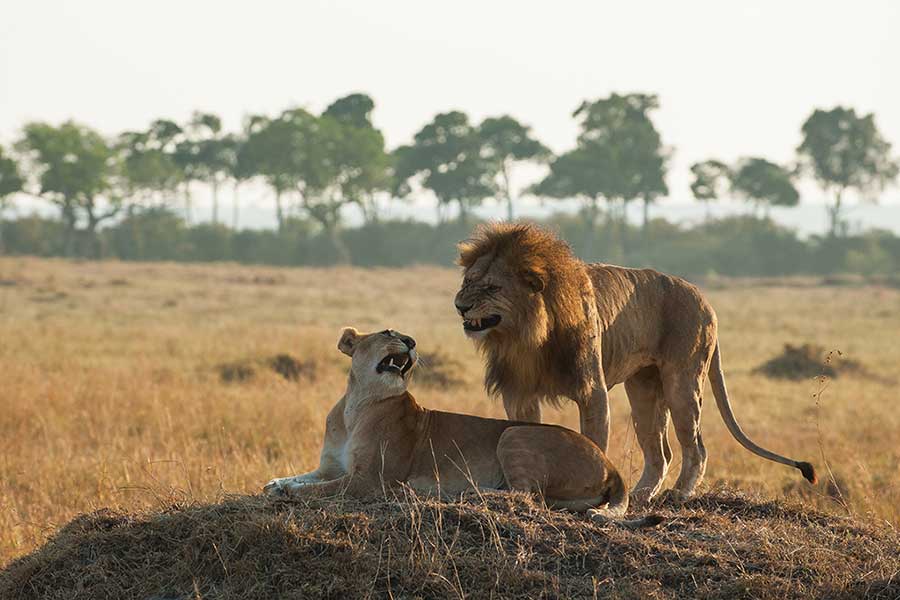
Lions roam boldly across the grasslands, forming some of the region’s most stable prides. These lions, often seen sprawled in the shade or perched on raised mounds, are accustomed to vehicles, making sightings intimate and easily accessible. Ngorongoro is also home to a healthy population of leopards, though they tend to remain elusive in the forested highlands.
Elephants in the crater are iconic, often older bulls with magnificent tusks. These giants wander the forest edges and swampy areas, feeding calmly and offering spectacular photographic opportunities. Buffaloes thrive in large herds, while warthogs trot across the plains with tails raised high.
Hippos and hyenas flourish within the crater, and cheetahs sometimes appear in the open grasslands, though they are seen less frequently than in the Serengeti. The crater’s alkaline lake attracts flocks of flamingos that paint the shores in shades of pink, while eagles, cranes, storks, and other birds soar across the sky or gather along the wetlands.
Ngorongoro is also one of the best places in Tanzania to see the endangered black rhino. Thanks to intense conservation efforts, the crater hosts a small but stable population, offering travellers one of the most reliable opportunities to observe this rare and magnificent species in the wild.
The Big Five in Ngorongoro
For travellers seeking Africa’s legendary Big Five—lion, elephant, buffalo, leopard, and rhino—Ngorongoro Crater is among the most rewarding destinations. Because the crater serves as a natural enclosure, wildlife remains concentrated, increasing chances of sightings dramatically.
Lions are particularly abundant and visible. Their interactions with other species often play out on the crater floor, providing unforgettable moments of predator behavior. Elephants, especially the elderly bulls, are calm, photogenic, and frequently encountered along the edges of the Lerai Forest. Buffalo herds graze across the plains in large numbers, often confronting lions or resting near waterholes. Rhinos, while more elusive, patrol open grasslands or wander near Lake Magadi, creating thrilling sightings for travellers lucky enough to find them.
Leopards are the hardest of the Big Five to spot but remain present, especially in the forested crater walls. Their stealth adds an element of mystery to every safari, keeping travellers eagerly scanning the trees for signs of movement.
The Safari Experience: Descending Into a Lost World
One of the highlights of visiting Ngorongoro Crater is the dramatic descent from the crater rim to the floor below. The journey begins with panoramic viewpoints that stretch across the entire caldera, offering photo-worthy vistas that capture its immense scale. As you begin descending the steep walls, ecosystems shift rapidly—from highland forest filled with birds to open savannah teeming with wildlife.
Once you reach the crater floor, the sense of being inside a different world becomes undeniable. Animals appear everywhere you turn. Herds graze peacefully in the distance, lions stroll across the road, elephants move slowly through woodlands, and flocks of birds cluster along the lake’s edge. Safari vehicles follow designated routes that allow close wildlife encounters without disturbing the natural environment.
The crater is especially magical in the early morning when soft light filters through the mist, illuminating the grasslands in shades of gold. Morning drives often reveal predators finishing nighttime hunts, hyenas returning to dens, and birds bursting into song. By midday, the crater becomes warmer and more active as animals gather near water sources or seek shade beneath sparse trees. Afternoon drives offer cooler light and greater predator visibility as lions awaken and begin to patrol their territories.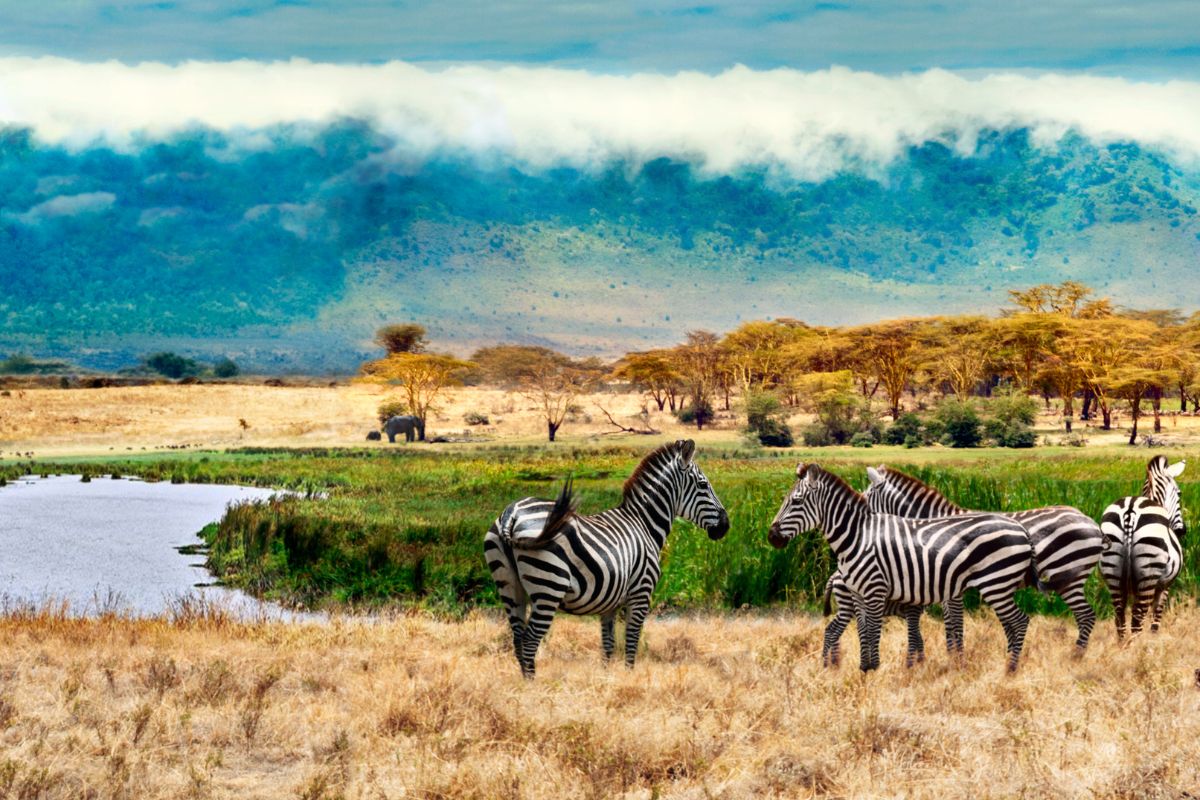
Seasons of Ngorongoro: A Year-Round Wildlife Haven
One of Ngorongoro Crater’s greatest strengths is its reliability. Unlike many African reserves where wildlife disperses seasonally, Ngorongoro maintains high densities year-round thanks to permanent water sources and abundant grazing. Still, seasonal variations influence the overall experience, scenery, and weather, making each season unique in its own way.
From June to October, the dry season offers clear skies, cooler temperatures, and exceptional visibility. Wildlife gathers around waterholes, making sightings predictable and concentrated. This period is a favorite for first-time travellers seeking classic safari conditions.
November and December bring the short rains, reviving the vegetation and attracting migratory birds. The crater turns greener, and the air becomes fresh and crisp. This period offers excellent photography opportunities with dramatic skies and vibrant landscapes.
From January to March, the crater continues to flourish. The calving season of the Serengeti spills over into Ngorongoro, as migrating animals occasionally visit its highlands. Baby animals appear throughout the region, creating a joyful and lively atmosphere filled with predator activity.
April and May mark the long rains—an underappreciated but deeply atmospheric time to visit. While rains can be heavy, the crater becomes lush and quiet, offering tranquil game drives without the crowds.
Ngorongoro’s Cultural Importance
Beyond its natural beauty, Ngorongoro has immense cultural significance. The surrounding highlands are home to the Maasai people, whose traditional lifestyle—including cattle herding, vibrant ceremonies, and colorful attire—remains deeply connected to the land. Visitors often have opportunities to explore Maasai villages, learn about their customs, and understand how they coexist with wildlife in a region where pastoral life and conservation intersect.
Ngorongoro is also part of the broader Ngorongoro Conservation Area, which encompasses Olduvai Gorge—one of the most important paleoanthropological sites in the world. Known as the “Cradle of Humankind,” Olduvai Gorge has yielded ancient hominid fossils that have transformed scientific understanding of human evolution. Travellers can visit the museum and explore the site to appreciate the deep history embedded in this landscape.
Ecology and Conservation Efforts
Ngorongoro Crater serves as a cornerstone of Tanzania’s conservation efforts. Because of its enclosed nature, managing wildlife populations, preventing overgrazing, and protecting endangered species pose unique challenges. The Ngorongoro Conservation Area Authority (NCAA) carefully monitors animal numbers, water quality, vegetation patterns, and predator-prey dynamics to maintain ecological balance.
Conservation initiatives focus on protecting rhinos from poaching, managing human-wildlife coexistence, regulating tourism activity, and preserving the integrity of migratory routes connecting the crater to surrounding ecosystems. Responsible tourism plays a vital role in supporting these efforts through park fees, community outreach programs, and conservation funding.
The Emotional and Spiritual Impact of Ngorongoro
Visiting Ngorongoro Crater is more than a wildlife excursion—it is a deeply spiritual and emotional journey. The grandeur of the crater walls, the harmony of its wildlife, and the ancient feel of the landscape evoke powerful emotions. Many travellers describe a sense of profound connection, as if stepping into a timeless world untouched by modern chaos.
Moments like watching a rhino emerge from the mist, observing a lion pride resting under the sun, or witnessing elephants move gracefully through Lerai Forest leave lasting impressions. The crater fosters introspection, appreciation, and a renewed understanding of nature’s unparalleled beauty and resilience.
Planning Your Ngorongoro Safari
When planning a visit to Ngorongoro Crater, travellers must consider the timing, duration, and accommodation options. Most safaris include one or two nights in lodges perched along the crater rim, offering breathtaking views and easy early-morning access to the crater floor. Nearby accommodations range from luxurious lodges with panoramic vistas to comfortable tented camps immersed in the highland forests.
A full-day safari within the crater is typically ideal, allowing enough time to explore various habitats, observe different wildlife behaviors, and experience the shifting moods of the landscape throughout the day. Combining Ngorongoro with the Serengeti, Tarangire, or Lake Manyara creates a well-rounded northern circuit safari that showcases Tanzania’s most iconic destinations.
Why You Should Book With a Trusted Tour Operator
Ngorongoro Crater’s unique landscape and wildlife dynamics require expert guiding and thoughtful planning. Choosing a trusted safari operator ensures safe crater descents, knowledgeable wildlife interpretation, and seamless travel arrangements that enhance your experience.
Travellers seeking an unforgettable Ngorongoro safari are encouraged to book with Wildlife Safaris Tanzania, a reputable operator known for crafting exceptional wildlife journeys. With deep local knowledge, skilled guides, and personalized itineraries, Wildlife Safaris Tanzania guarantees a rich and immersive safari tailored to your travel goals.