Nyungwe Forest National Park
Nyungwe Forest National Park : Primates destination in africa
Nyungwe Forest National Park is one of Africa’s most important primate conservation areas and a premier destination for travelers seeking immersive rainforest experiences. Located in southwestern Rwanda, Nyungwe protects one of the oldest and most biodiverse montane rainforests on the continent. Famous for its large chimpanzee population, exceptional primate diversity, rich birdlife, and breathtaking forest landscapes, Nyungwe Forest National Park stands as a cornerstone of primate tourism in Africa.
Unlike savannah-based safari destinations, Nyungwe offers a completely different perspective on African wildlife. Dense forests, mist-covered hills, cascading waterfalls, and ancient trees define the landscape, while a remarkable concentration of primates makes the park a global hotspot for primatology and conservation. This comprehensive article explores Nyungwe Forest National Park in depth, covering its location, history, ecosystems, primate species, other wildlife, conservation importance, activities, best time to visit, accommodation options, and practical travel information. By the end, it becomes clear why Nyungwe Forest National Park is regarded as one of Africa’s leading primates destinations.
Location and Geographic Overview
Nyungwe Forest National Park is located in southwestern Rwanda, bordering Burundi to the south and lying west of Lake Kivu. The park covers an area of approximately 1,019 square kilometers, making it one of the largest protected forest areas in East and Central Africa.
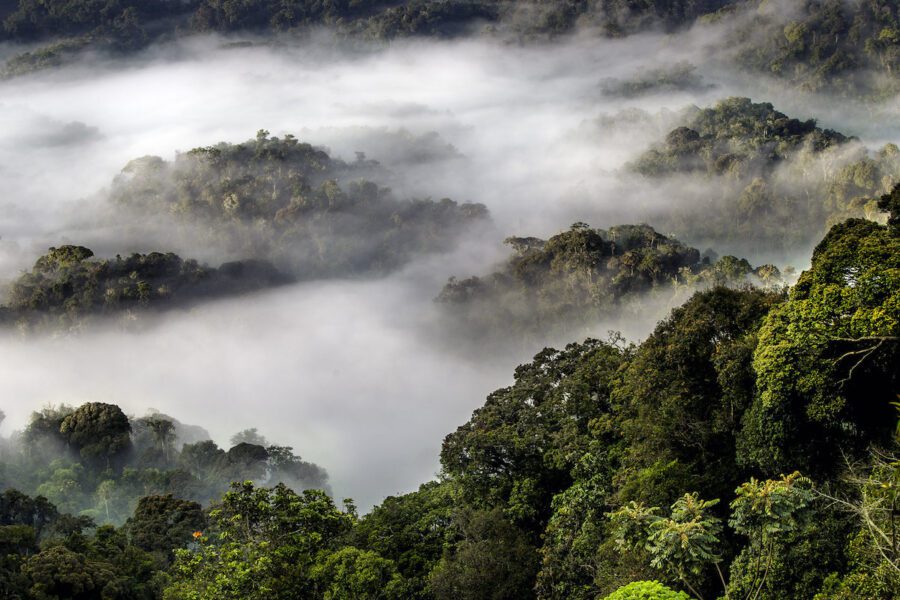
The forest forms part of the Albertine Rift, one of the most biologically diverse regions on Earth. Its altitude ranges from about 1,600 to over 2,950 meters above sea level, creating a cool and humid climate ideal for rainforest ecosystems. Nyungwe is accessible by road from Kigali, Rwanda’s capital, with a scenic drive of approximately five to six hours through rolling hills and tea plantations.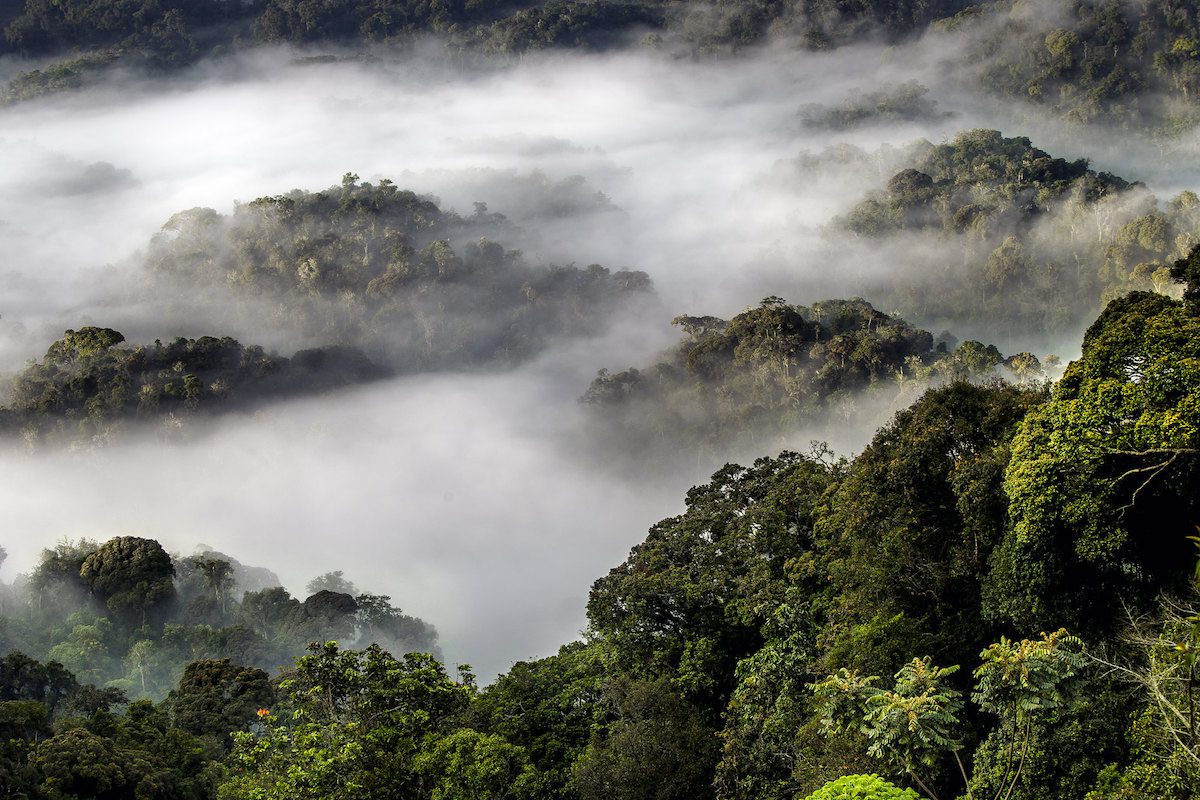
Historical Background and Park Establishment
Nyungwe Forest is one of Africa’s oldest rainforests, estimated to be over 1,000 years old. For centuries, the forest provided vital resources such as water, medicinal plants, and timber to surrounding communities.
During the colonial period, Nyungwe was recognized for its ecological importance and designated as a forest reserve. However, it faced increasing pressure from logging, hunting, and agricultural expansion. In 2004, Nyungwe was officially gazetted as a national park, marking a major step forward in its protection and conservation.
Today, Nyungwe Forest National Park is managed by the Rwanda Development Board (RDB) in partnership with conservation organizations. Its establishment as a national park has significantly strengthened conservation efforts and positioned Nyungwe as a flagship destination for sustainable tourism.
Landscape and Ecosystems
Nyungwe Forest National Park is characterized by complex and varied ecosystems shaped by altitude, rainfall, and topography.
Montane Rainforest
The dominant ecosystem is montane rainforest, featuring towering trees, dense undergrowth, and a closed canopy that creates a cool, shaded environment. This ancient forest supports a vast array of plant species, many of which are endemic to the Albertine Rift.
Bamboo Zones
In certain areas, bamboo forests dominate the landscape, providing critical habitat and food sources for primates and other wildlife.
Grasslands and Wetlands
High-altitude grasslands and wetlands occur in pockets throughout the park, contributing to habitat diversity and supporting unique plant and animal communities.
Rivers and Waterfalls
Nyungwe is often referred to as the “water tower of Rwanda” because it is the source of numerous rivers that feed both the Nile and Congo river systems. Waterfalls and streams add to the park’s scenic beauty and ecological significance.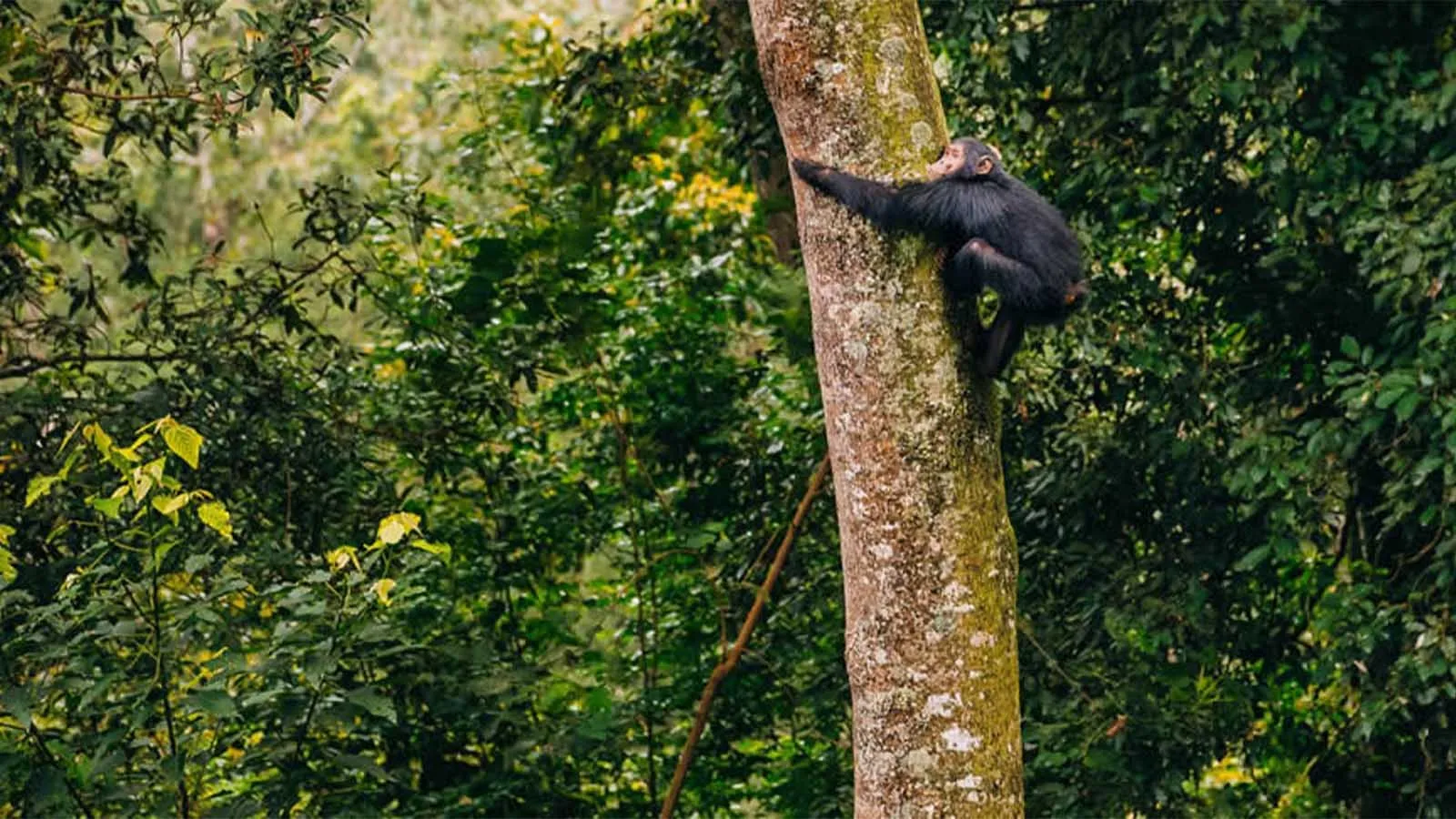
Primates of Nyungwe Forest National Park
Nyungwe Forest National Park is Rwanda’s most important primate destination and one of the richest primate habitats in Africa, with at least 13 recorded primate species.
Chimpanzees
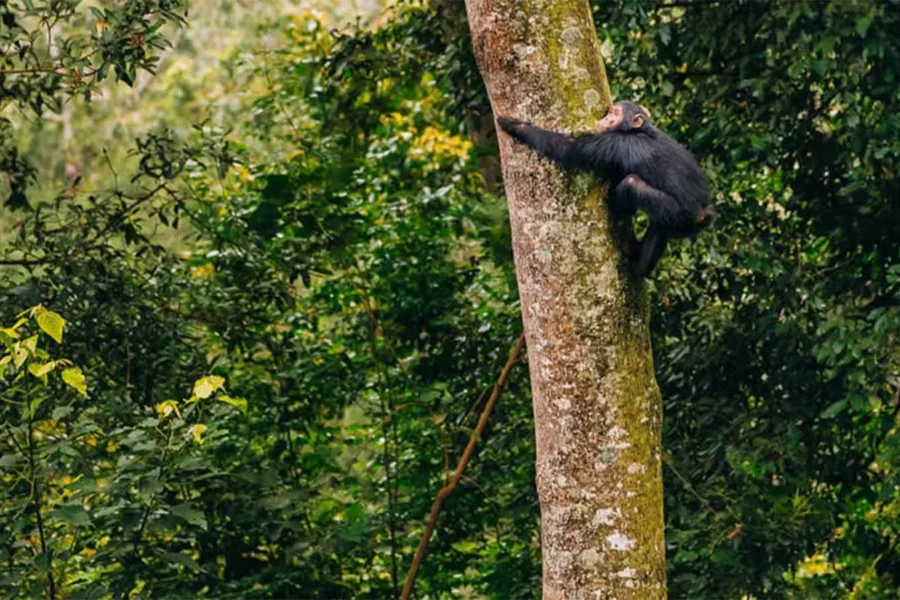
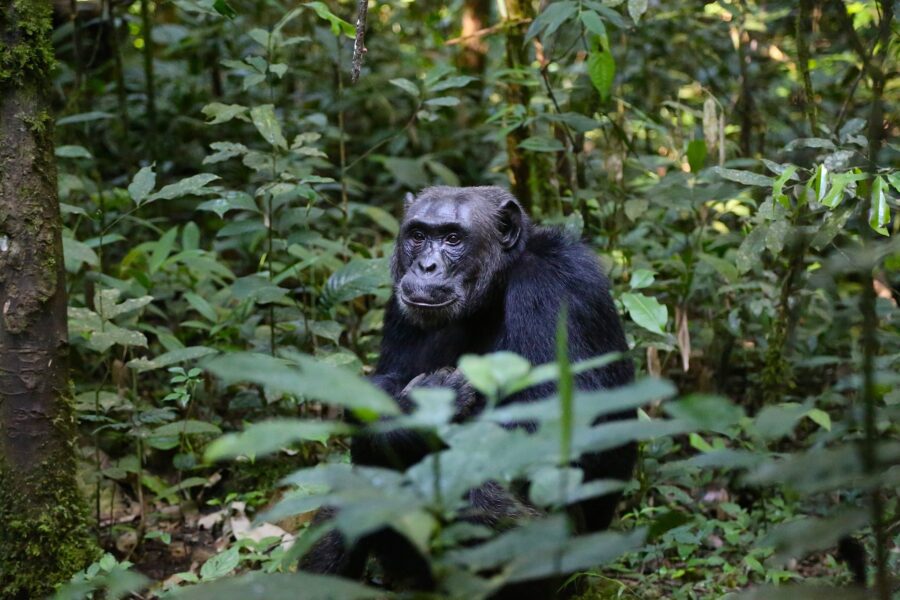
Chimpanzees are the park’s flagship species and the main draw for visitors. Nyungwe is home to one of the largest populations of chimpanzees in East Africa, with several communities habituated for tourism.
Chimpanzee trekking involves hiking through dense forest terrain to locate a chimpanzee group. These energetic primates are often seen feeding, vocalizing, grooming, and moving swiftly through the canopy, providing a thrilling and dynamic wildlife experience.
Colobus Monkeys
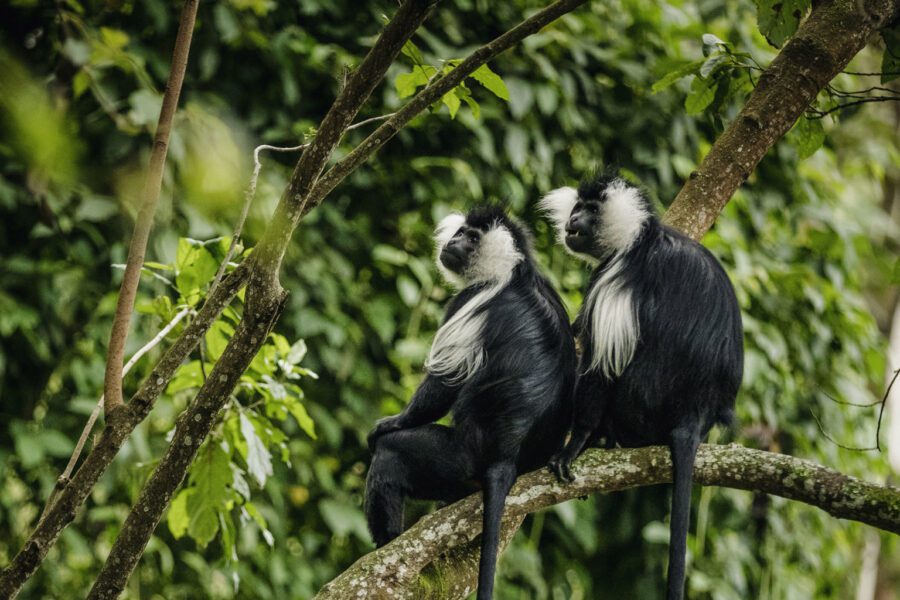
Nyungwe is particularly famous for its large troops of Angolan colobus monkeys. Groups numbering in the hundreds can be observed moving gracefully through the treetops, making Nyungwe one of the best places in Africa to see this species.
Other Primate Species
Additional primates found in the park include:
- L’Hoest’s monkey
- Blue monkey
- Grey-cheeked mangabey
- Red-tailed monkey
- Vervet monkey
- Olive baboon
This exceptional primate diversity cements Nyungwe’s status as a premier primates destination in Africa.
Other Wildlife
Although primates dominate, Nyungwe Forest National Park supports a variety of other wildlife species.
Mammals
- Forest elephant (rare and elusive)
- Leopard
- Serval cat
- Bushbuck
- Duikers
Due to dense vegetation, sightings of large mammals are less frequent, but their presence underscores the forest’s ecological completeness.
Birdlife
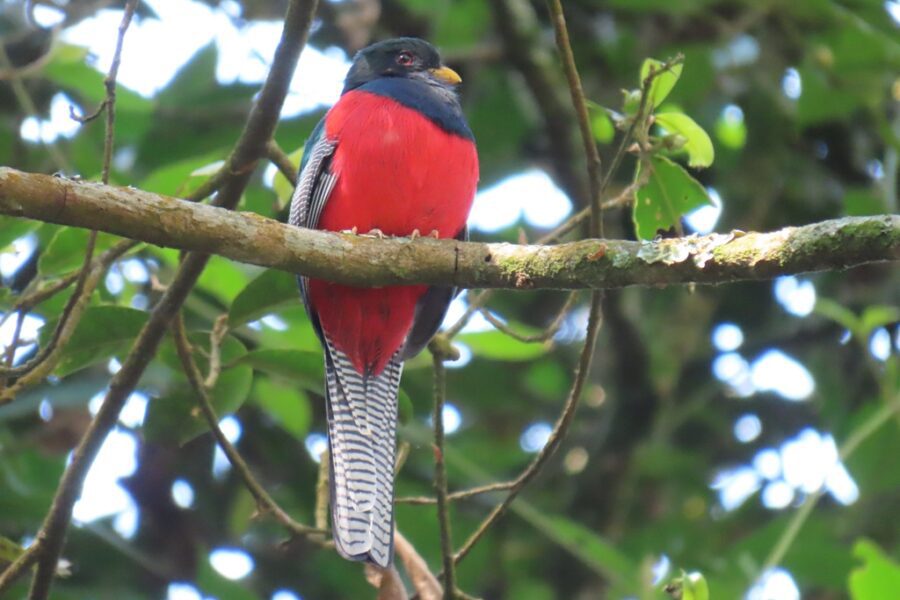
Nyungwe is one of Africa’s top birding destinations, with over 320 bird species recorded, including many Albertine Rift endemics.
Notable bird species include:
- Ruwenzori turaco
- Red-collared babbler
- Great blue turaco
- Purple-breasted sunbird
- Handsome francolin
Birdwatching is excellent year-round, with particularly rewarding experiences for those seeking rare and endemic species.
Activities in Nyungwe Forest National Park
Nyungwe offers a wide range of activities that allow visitors to explore the forest from multiple perspectives.
Chimpanzee Trekking
Chimpanzee trekking is the park’s signature activity and requires a permit. Treks can vary in duration and difficulty, depending on the location of the chimpanzee groups.
Canopy Walkway
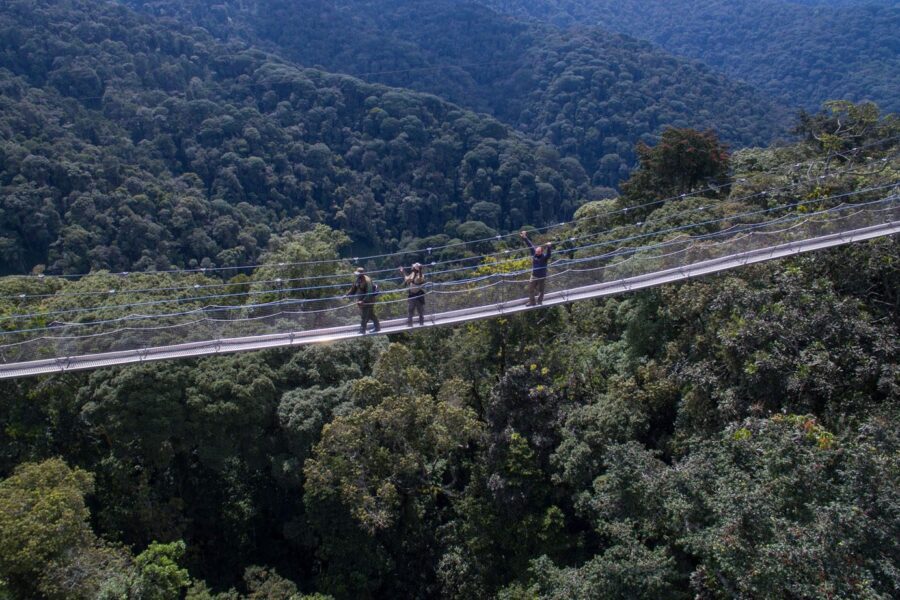
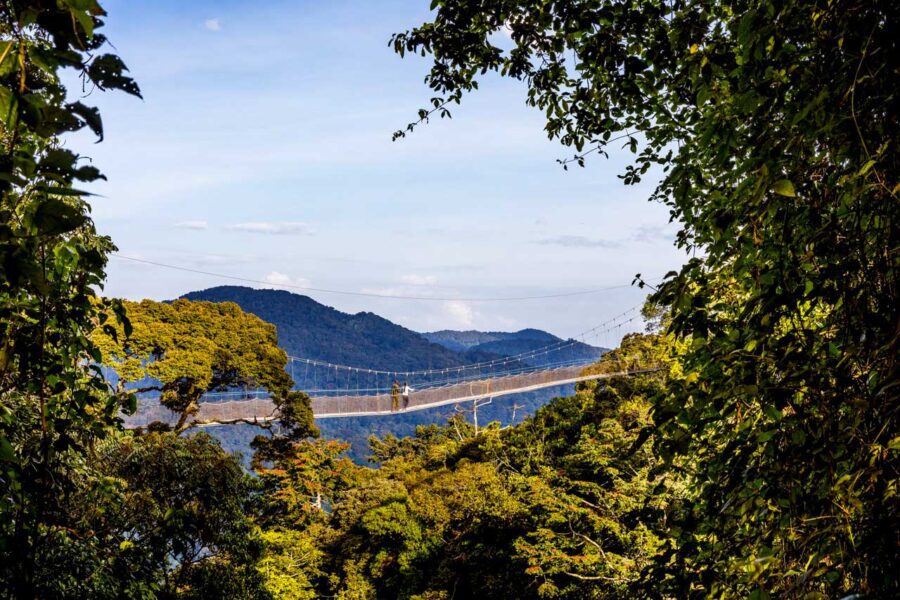
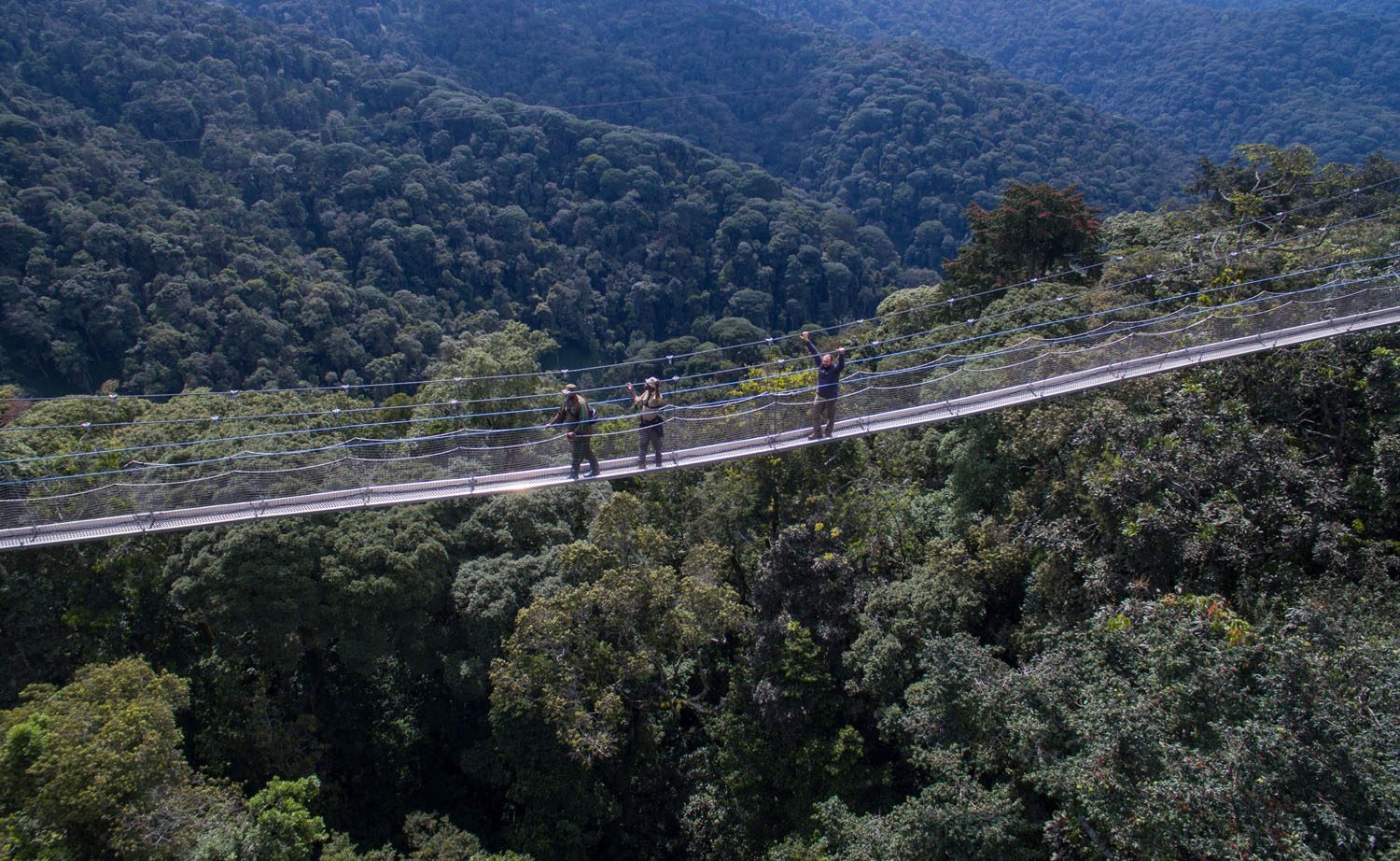
One of Nyungwe’s most iconic attractions is the canopy walkway, a suspended bridge that stretches approximately 160 meters above the forest floor. The walkway offers breathtaking views of the canopy and opportunities to observe birds and primates from above.
Nature Walks and Hiking Trails
The park features a network of well-maintained hiking trails that lead to waterfalls, viewpoints, and scenic forest areas. Guided walks provide insights into plant life, ecology, and conservation.
Birdwatching Tours
Specialized birding tours cater to enthusiasts seeking Albertine Rift endemics and rare forest species.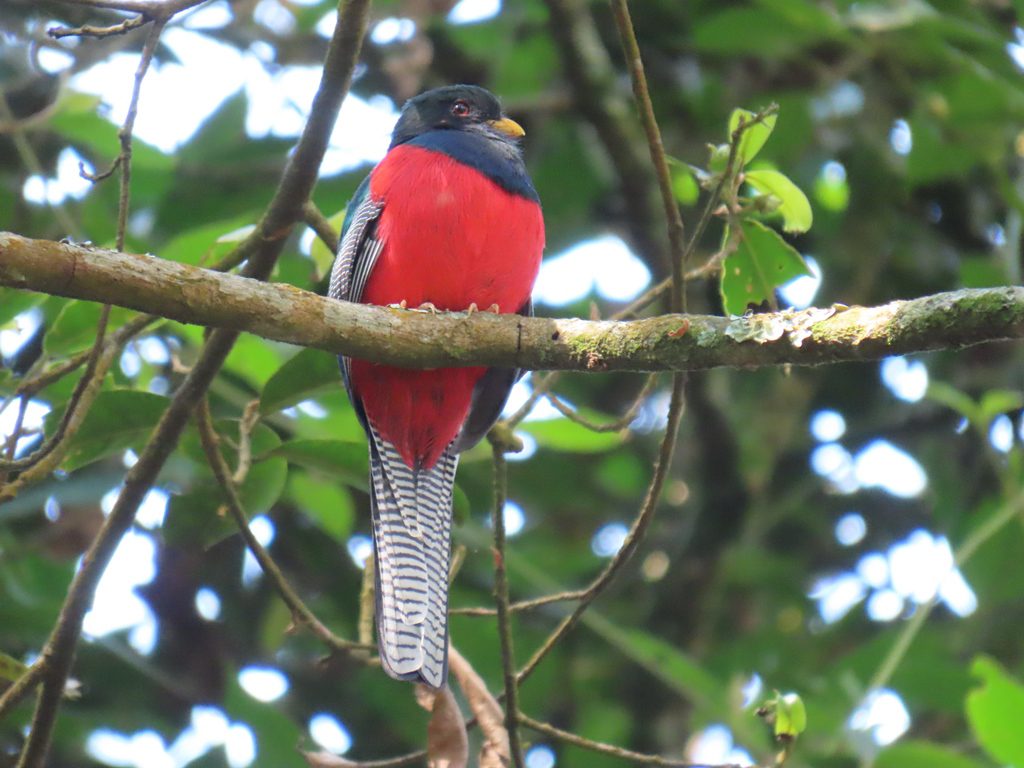
Cultural and Community Engagement
Nyungwe Forest National Park is closely linked to surrounding communities, and tourism plays a vital role in local development.
Revenue-sharing programs support education, healthcare, and infrastructure projects, while community-based tourism initiatives create employment opportunities.
Cultural experiences such as village visits and tea plantation tours provide insights into local traditions and livelihoods, enriching the overall visitor experience.
Conservation Importance and Challenges
Nyungwe Forest National Park is a biodiversity hotspot and a critical refuge for species threatened by habitat loss elsewhere in the region.
Key conservation challenges include climate change, illegal resource use, and human-wildlife conflict. Conservation efforts focus on:
- Anti-poaching patrols
- Scientific research and monitoring
- Community involvement
- Sustainable tourism development
The park’s success demonstrates how conservation and tourism can work together to protect fragile ecosystems.
Best Time to Visit Nyungwe Forest National Park
Nyungwe can be visited throughout the year, but weather conditions influence trekking experiences.
- Dry Seasons (June to September and December to February): Best for hiking and chimpanzee trekking, with drier trails.
- Wet Seasons (March to May and October to November): Lush scenery and excellent birding, though trails can be slippery.
Accommodation Options
Accommodation around Nyungwe Forest National Park ranges from luxury eco-lodges to mid-range hotels and budget guesthouses.
- Luxury Lodges: Offer forest views, premium service, and eco-friendly design.
- Mid-Range Lodges: Provide comfort and convenient access to park activities.
- Budget Options: Suitable for travelers seeking affordability.

Practical Travel Information
- Access: Reachable by road from Kigali or via domestic flights to nearby airstrips.
- Permits: Required for chimpanzee trekking and should be booked in advance.
- What to Pack: Hiking boots, rain jacket, binoculars, insect repellent, and warm clothing.
- Health and Safety: Follow ranger instructions and respect wildlife and forest regulations.
Why Nyungwe Forest National Park Is a Premier Primates Destination in Africa
Nyungwe Forest National Park offers an unparalleled rainforest safari experience, distinguished by exceptional primate diversity, ancient ecosystems, and immersive activities. The chance to observe chimpanzees and large troops of colobus monkeys in their natural habitat, combined with the thrill of the canopy walkway and the forest’s tranquil beauty, makes Nyungwe truly unique.
As one of Africa’s most important conservation landscapes, Nyungwe stands as a model for sustainable primate tourism. For travelers seeking deep, meaningful encounters with primates and pristine rainforest environments, Nyungwe Forest National Park is undoubtedly one of the continent’s finest destinations.