
Pangani
Pangani: The Beach Destination of Africa
When travelers think of Africa, images of sweeping savannahs, iconic wildlife, and dramatic landscapes often come to mind. Yet Africa is also home to some of the world’s most captivating and diverse beach destinations, stretching along the Indian and Atlantic Oceans. Among these coastal treasures lies Pangani, a historic seaside town and beach destination on Tanzania’s northern coast. Quiet, culturally rich, and naturally beautiful, Pangani remains one of East Africa’s most underrated coastal gems.
Pangani offers a rare blend of untouched beaches, Swahili culture, colonial history, riverine landscapes, and marine biodiversity. Unlike more commercialized beach destinations, Pangani retains a sense of authenticity and tranquility that appeals to travelers seeking meaningful experiences rather than mass tourism. This article explores in depth why Pangani deserves recognition as one of the outstanding beach destinations in Africa, covering its location, history, beaches, marine life, activities, accommodation, culture, sustainability, best time to visit, and its place within Africa’s coastal tourism landscape.
Where Is Pangani Located?
Pangani is located on the northeastern coast of Tanzania, in the Tanga Region, approximately 50 kilometers south of Tanga City and about 200 kilometers north of Dar es Salaam. The town sits at the mouth of the Pangani River, where it meets the Indian Ocean, creating a unique meeting point of freshwater and marine ecosystems.
This strategic coastal location has shaped Pangani’s identity for centuries, making it an important trading port, cultural crossroads, and gateway to both inland and oceanic routes. Today, its relative remoteness compared to Zanzibar or Dar es Salaam contributes to its charm and unspoiled atmosphere.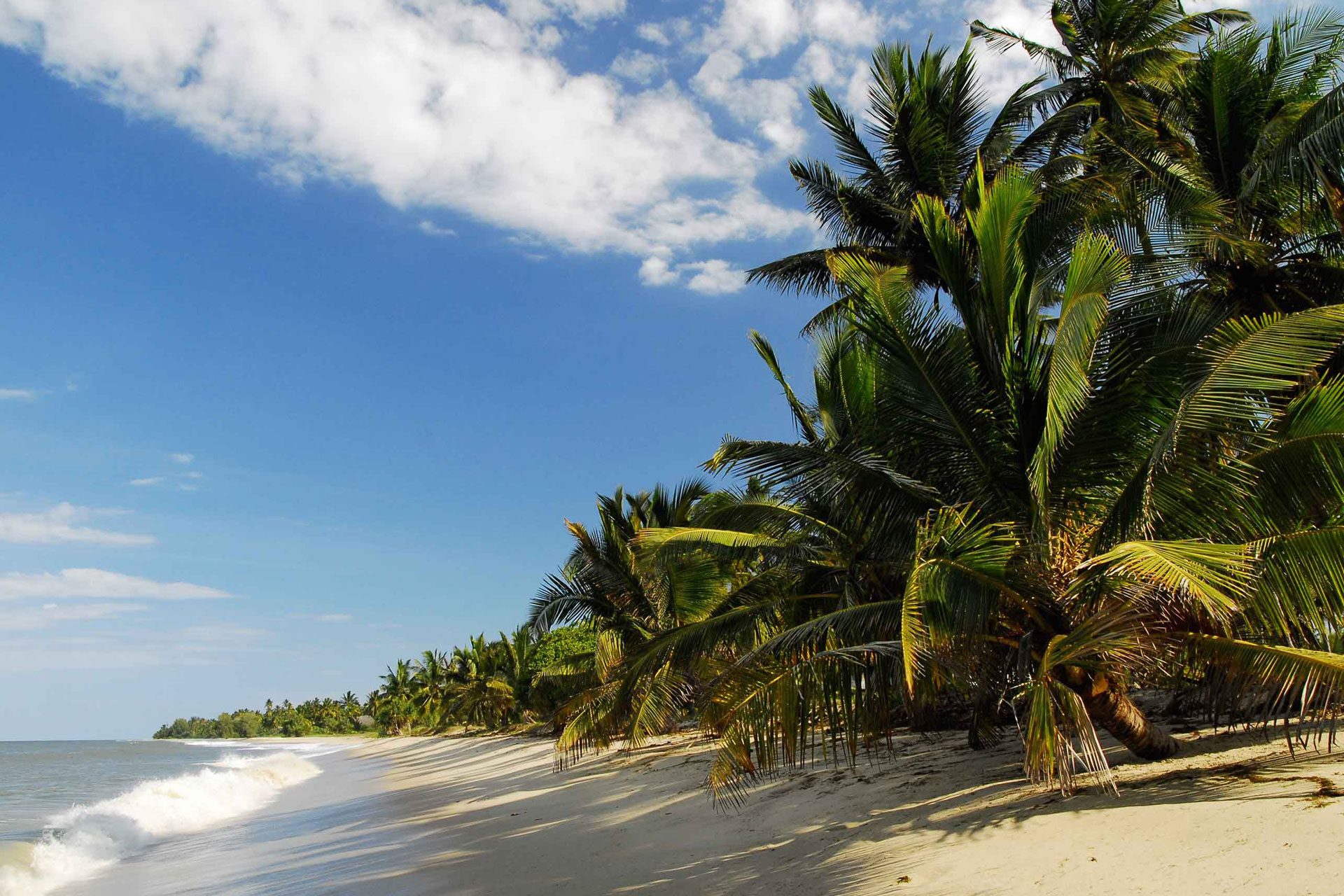
A Rich and Layered History
Swahili Roots and Early Trade
Pangani has deep Swahili roots, with a history dating back hundreds of years. Long before European arrival, Pangani was part of a network of Swahili trading towns along the East African coast, connected by maritime routes to Arabia, Persia, and India.
Local communities thrived on fishing, farming, and trade, exchanging ivory, copal resin, spices, and other goods. The Swahili culture that developed here blended African traditions with Arab and Asian influences, shaping Pangani’s language, architecture, and way of life.
Omani and Arab Influence
During the 18th and 19th centuries, Pangani became an important coastal outpost under Omani Arab influence, closely linked to Zanzibar. The town served as a key terminus for caravan routes heading inland toward Mount Kilimanjaro and central Tanzania.
German Colonial Era
In the late 19th century, Pangani came under German colonial rule, becoming one of German East Africa’s most important ports. Remnants of this era remain visible today in the form of colonial buildings, administrative structures, and historical ruins that add character and depth to the town.
This layered history gives Pangani a distinctive identity that sets it apart from many other African beach destinations.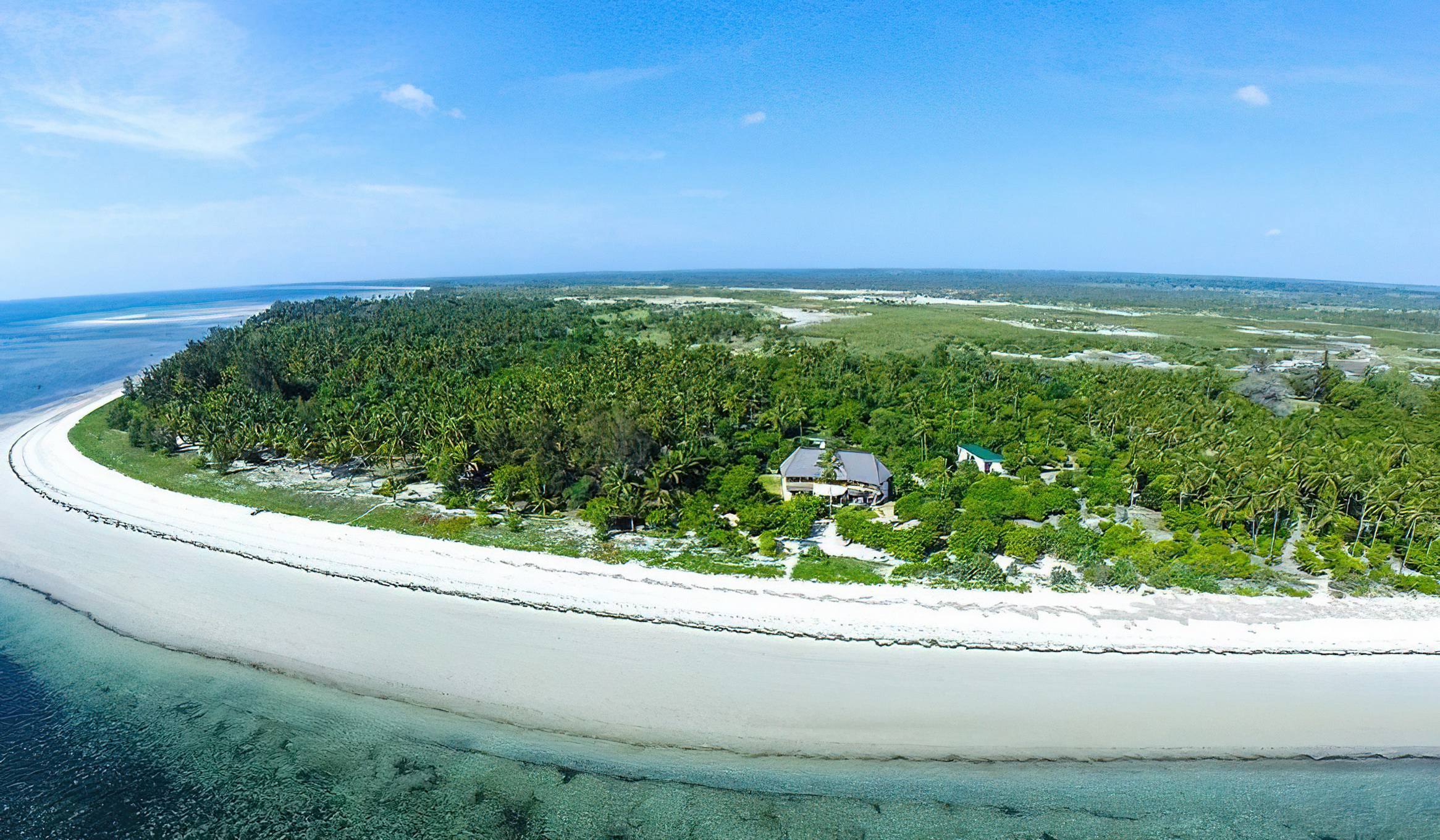
The Beaches of Pangani: Untouched and Tranquil
Long, Wild, and Uncrowded Shores
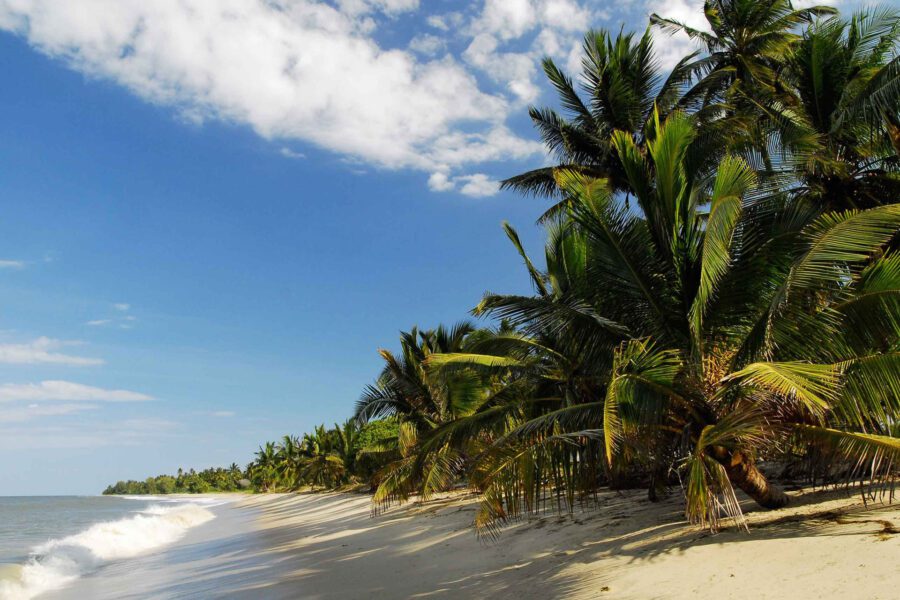
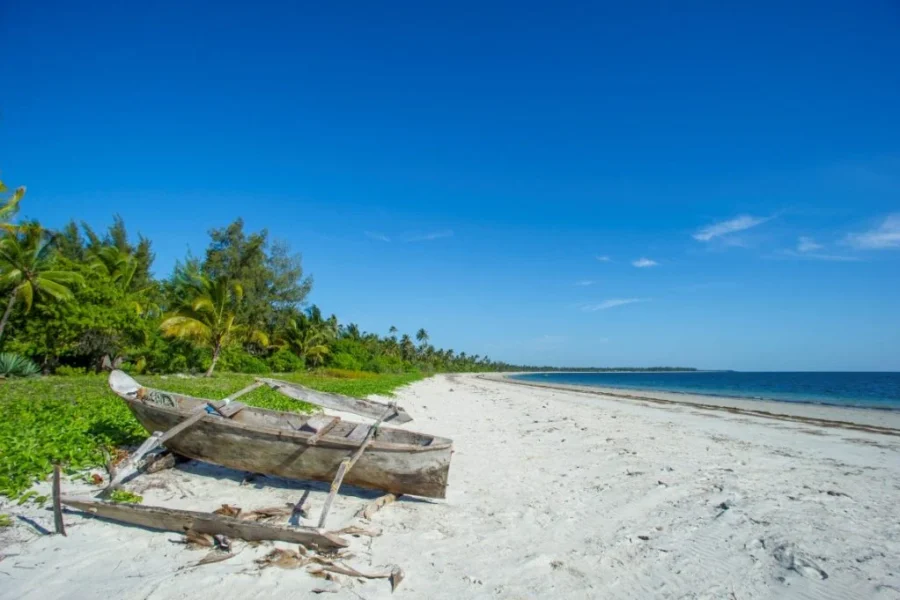
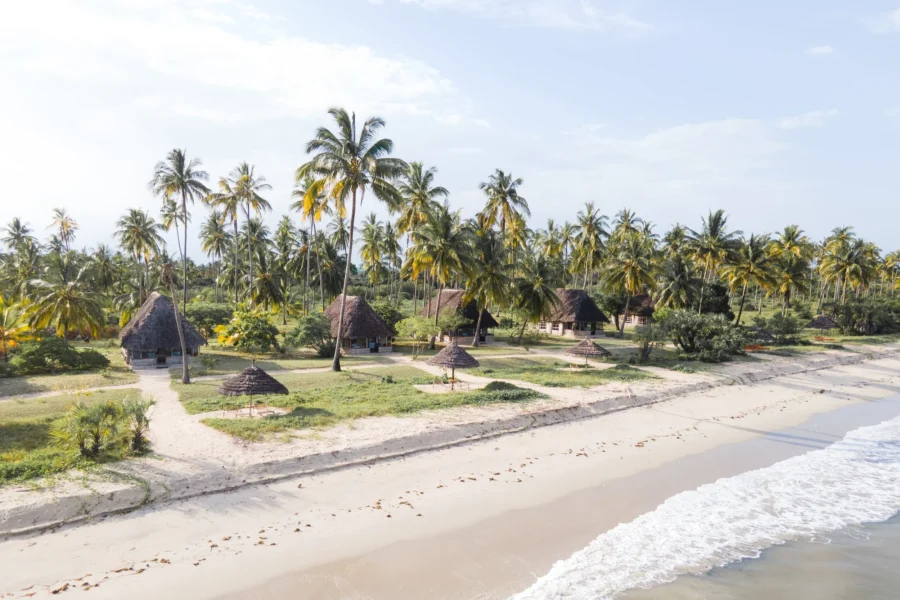
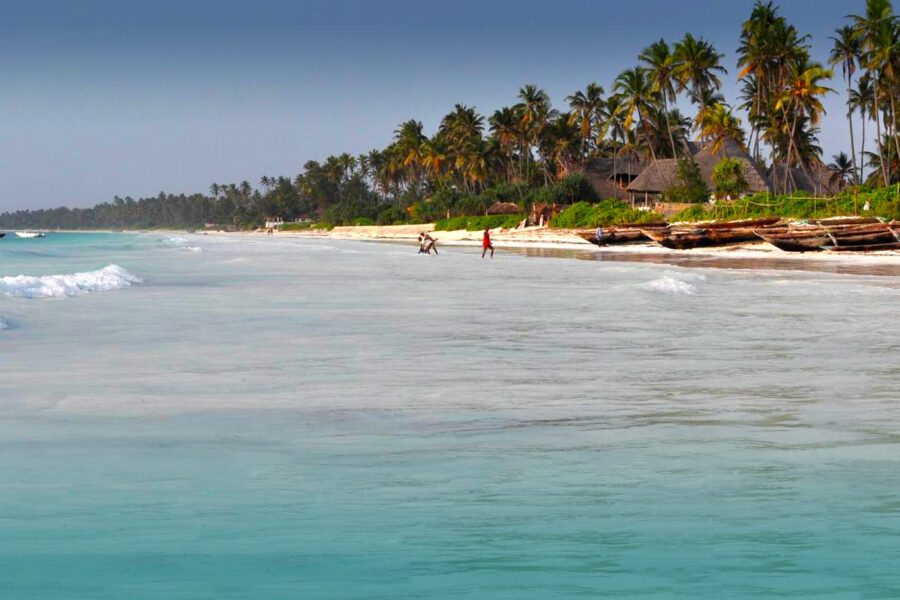
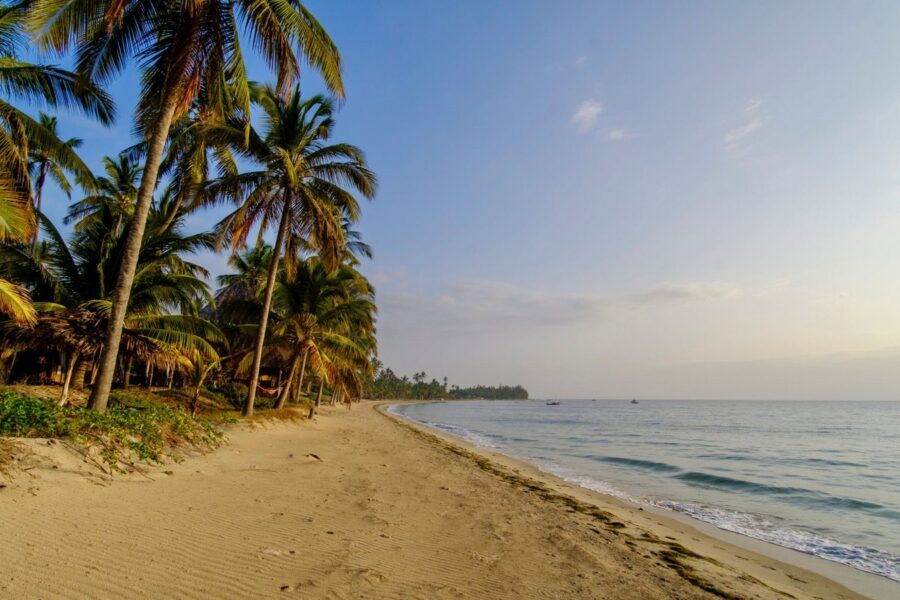
Pangani’s beaches are among the most untouched on Tanzania’s mainland coast. Stretching for kilometers both north and south of the town, the coastline is characterized by:
-
Soft, pale sand
-
Palm-lined shores
-
Minimal development
-
Complete tranquility
Unlike busier beach destinations, Pangani offers space and solitude. It is common to walk for long distances without encountering another person, making it ideal for travelers seeking peace and privacy.
Pristine Island Beaches
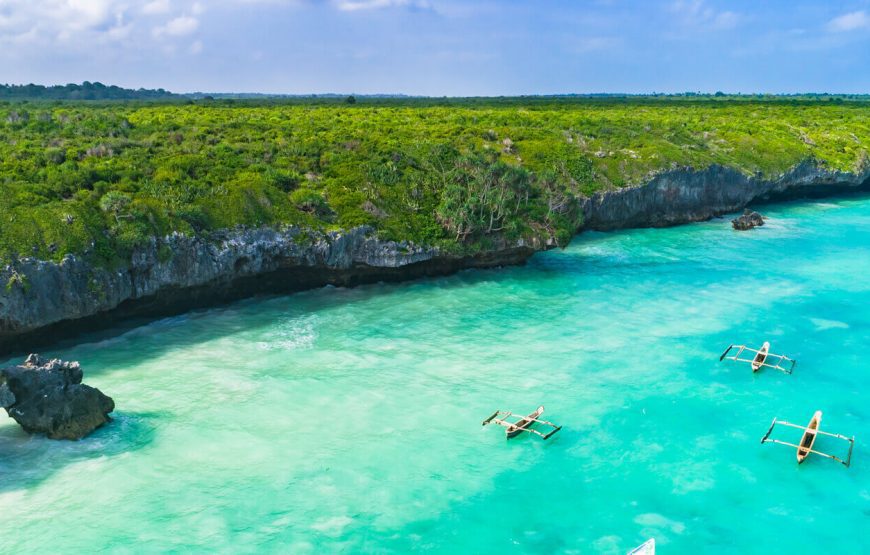
Just offshore from Pangani lie several small islands, including Maziwe Island Marine Reserve, which features stunning white-sand beaches surrounded by crystal-clear waters. These islands are often visited on day trips and offer some of the most picturesque beach scenery in the region.
The Indian Ocean and Marine Life
Coral Reefs and Underwater Diversity
Pangani’s coastal waters are part of the broader East African coral reef system, which supports a rich variety of marine life. The reefs near Pangani are relatively healthy due to low tourist pressure and ongoing conservation efforts.
Marine species commonly encountered include:
-
Parrotfish, angelfish, and butterflyfish
-
Reef rays and moray eels
-
Octopus and reef squid
-
Sea turtles, particularly green turtles
Snorkeling and Diving Experiences
Snorkeling and diving around Pangani are rewarding and uncrowded. Popular sites include:
-
Maziwe Island Marine Reserve, known for its coral gardens and turtles
-
Nearshore reefs accessible by boat
-
Deeper offshore sites for experienced divers
Visibility is generally good, especially during the dry seasons, and water temperatures remain warm year-round.
Maziwe Island Marine Reserve: A Conservation Jewel
One of Pangani’s greatest natural assets is the Maziwe Island Marine Reserve, Tanzania’s first marine protected area. Maziwe Island itself is a sandbank that appears and disappears with the tides, creating a dynamic and ever-changing landscape.
The reserve is particularly important for:
-
Sea turtle nesting, especially green turtles
-
Coral reef conservation
-
Marine biodiversity protection
Visitors can snorkel, swim, and relax on the island while learning about ongoing conservation efforts that help preserve this fragile ecosystem.
The Pangani River: Where Beach Meets River
Unlike most beach destinations, Pangani offers access to both ocean and river environments. The Pangani River flows from the slopes of Mount Kilimanjaro and the Pare Mountains, bringing freshwater, wildlife, and fertile landscapes to the coast.
River Activities
Popular river-based activities include:
-
Boat safaris through mangrove forests
-
Birdwatching, with sightings of kingfishers, herons, and fish eagles
-
Sunset river cruises
-
Cultural visits to riverside villages
The river adds ecological diversity and makes Pangani a unique destination where beach relaxation can be combined with nature exploration.
Things to Do in Pangani
Beach Relaxation and Coastal Walks
Pangani’s beaches invite visitors to slow down. Sunbathing, swimming during high tide, beach walks, and picnics under palm trees define the relaxed coastal lifestyle.
Snorkeling and Diving
Boat excursions to reefs and marine reserves offer memorable underwater experiences without crowds.
Cultural and Historical Tours
Guided tours of Pangani town reveal:
-
Old Swahili houses
-
German colonial buildings
-
Former trading posts and mosques
-
Local markets and fishing areas
These tours bring Pangani’s rich history to life.
Kayaking and Paddleboarding
The calm waters of the river and nearshore ocean areas are ideal for kayaking and paddleboarding.
Fishing and Traditional Dhow Trips
Fishing excursions and dhow sailing trips provide insight into traditional maritime practices that have sustained coastal communities for generations.
Accommodation in Pangani
Pangani offers a range of accommodation options that emphasize intimacy, sustainability, and cultural connection.
Beach Lodges and Eco-Resorts
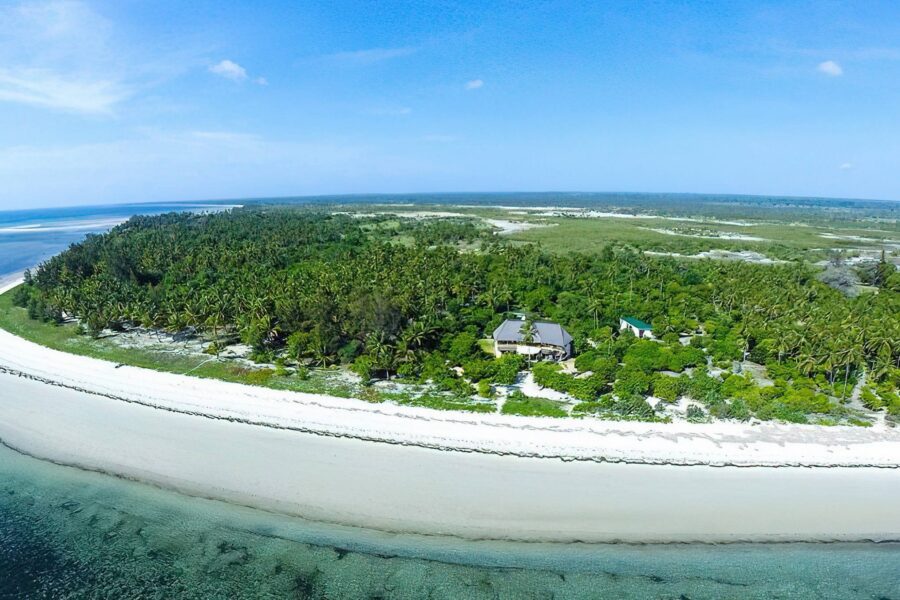
Most accommodations in Pangani are small beach lodges or eco-resorts, offering:
-
Beachfront bandas or cottages
-
Locally inspired architecture
-
Emphasis on sustainability and community support
-
Personalized service
These lodges blend seamlessly with the environment and maintain Pangani’s low-impact tourism model.
Guesthouses and Community Lodges
For budget and long-stay travelers, guesthouses and community-run lodges provide affordable options while supporting local livelihoods.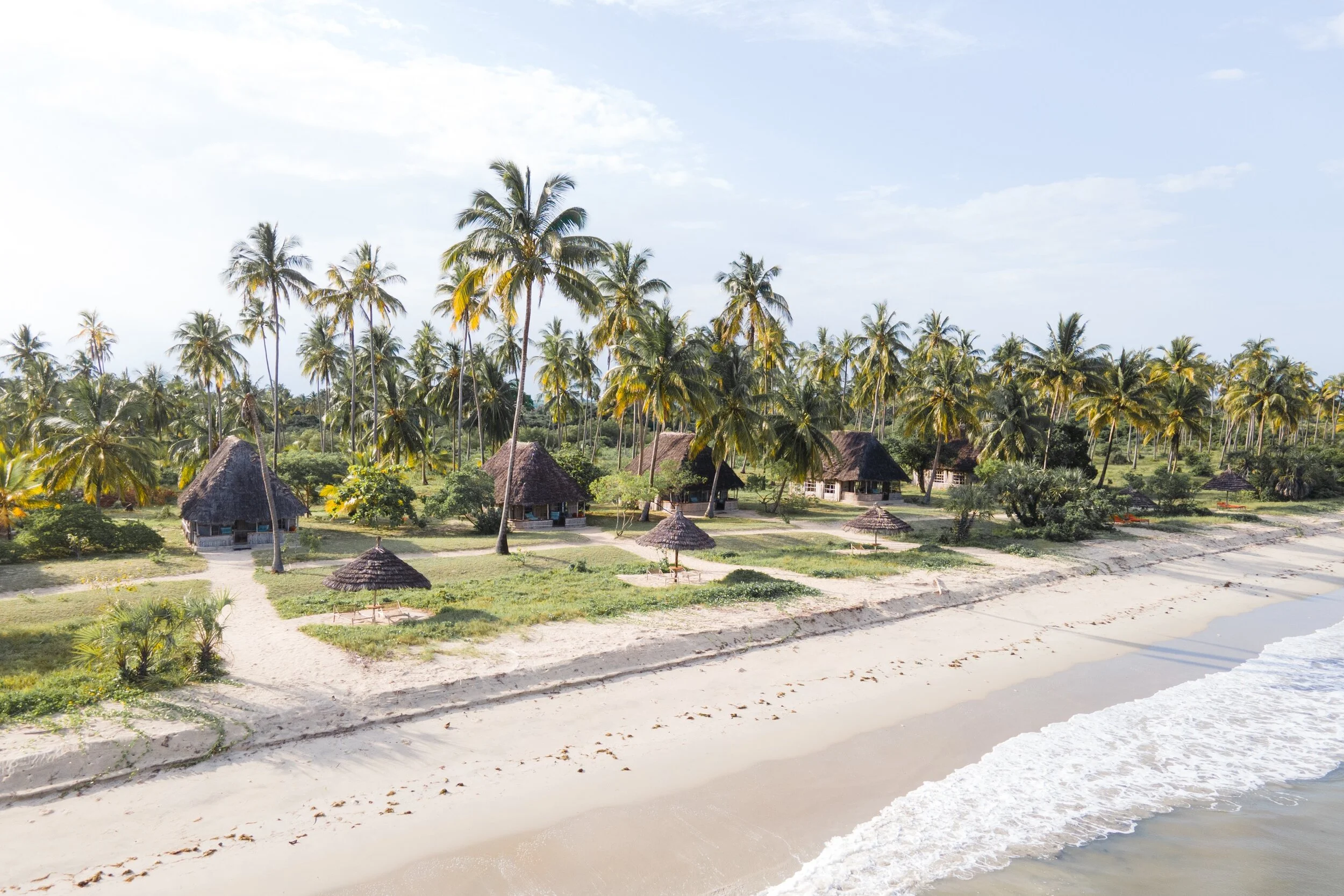
Food and Cuisine in Pangani
Cuisine in Pangani reflects the Swahili culinary tradition, with fresh ingredients sourced from the ocean, river, and nearby farms.
Seafood Specialties
Common dishes include:
-
Grilled or fried fish
-
Coconut-based seafood curries
-
Octopus and prawns
-
Fresh crab and calamari
Local Staples
Meals are often accompanied by rice, chapati, cassava, or ugali, flavored with coconut milk and mild spices.
Dining in Pangani is typically relaxed and communal, emphasizing freshness and simplicity.
Best Time to Visit Pangani
Pangani is a year-round destination, but seasons affect weather and marine conditions.
Dry Season (June to October)
-
Cooler temperatures
-
Lower humidity
-
Excellent conditions for beach activities and diving
Short Dry Season (January to February)
-
Hotter weather
-
Calm seas
-
Ideal for snorkeling and island excursions
Rainy Seasons (March to May & November)
-
Lush landscapes
-
Fewer visitors
-
Occasional heavy rainfall
The best overall time to visit is from June to October and January to February.
Pangani in the Context of Africa’s Beach Destinations
Africa offers an impressive variety of beach destinations, from luxury island resorts to lively coastal cities. Pangani stands out for its authenticity and diversity. Unlike heavily developed destinations, Pangani offers:
-
Untouched beaches
-
Rich cultural history
-
Marine and river ecosystems
-
Low-impact, sustainable tourism
It pairs exceptionally well with northern Tanzania safari circuits, including Mount Kilimanjaro, the Usambara Mountains, and Serengeti extensions.
Sustainability and Responsible Tourism
Pangani is often cited as a model for community-based and sustainable tourism. Key initiatives include:
-
Marine conservation and turtle protection
-
Support for local fishermen and guides
-
Eco-friendly lodge practices
-
Cultural preservation and education
Travelers are encouraged to respect local customs, minimize plastic use, and support locally owned businesses.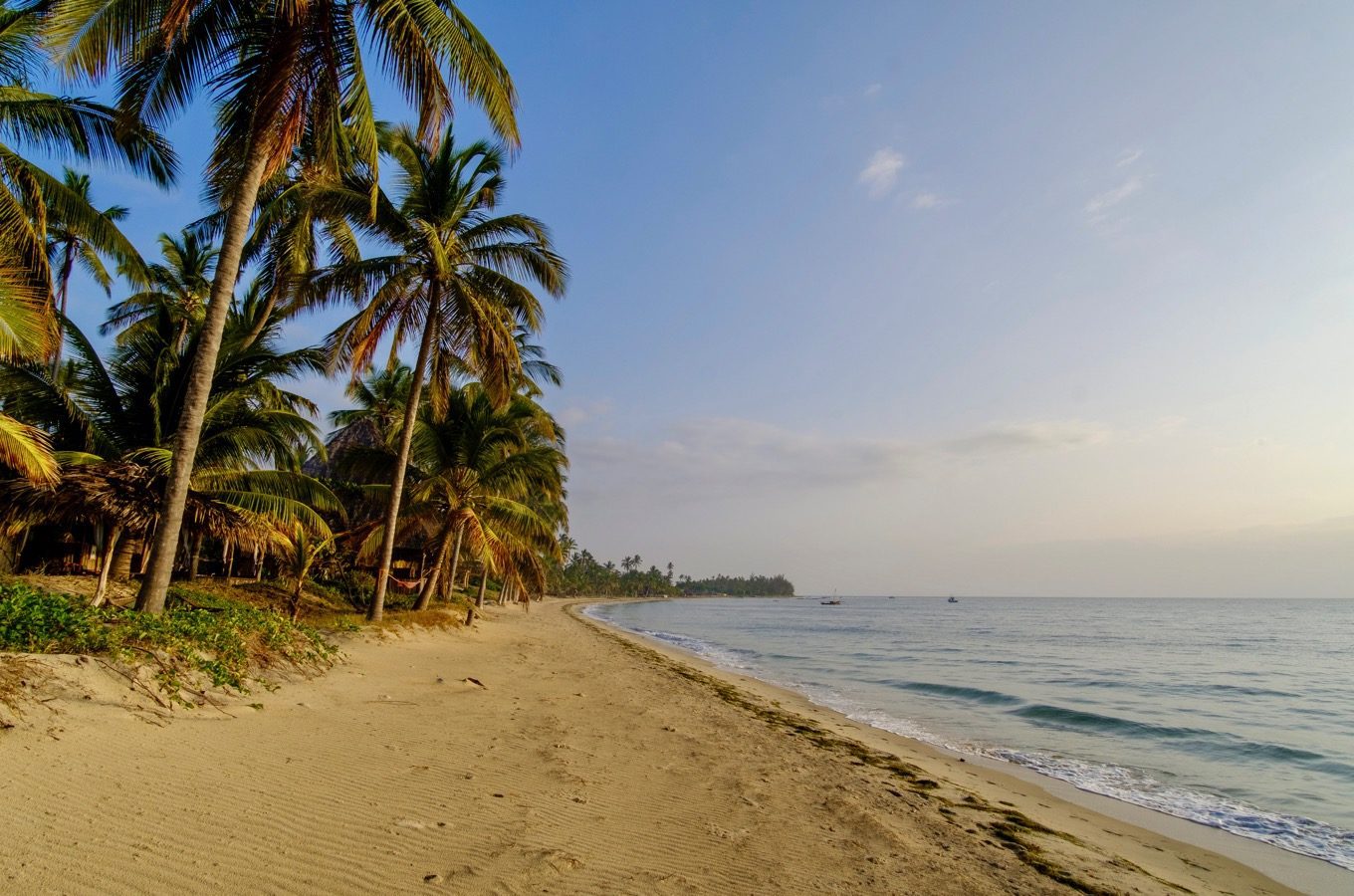
Who Should Visit Pangani?
Pangani is ideal for:
-
Travelers seeking quiet, unspoiled beaches
-
Cultural and history enthusiasts
-
Eco-conscious tourists
-
Couples and honeymooners
-
Safari travelers looking to add a coastal experience
It may not appeal to travelers seeking nightlife or luxury shopping, but for those valuing authenticity and tranquility, Pangani is exceptional.
Why Pangani Is Truly “The Beach Destinations Africa”
Pangani represents a different, deeply meaningful side of African beach travel. Its pristine beaches, historic town, vibrant Swahili culture, and diverse ecosystems combine to create a destination that is both relaxing and enriching.
In a continent known for dramatic wildlife and landscapes, Pangani reminds travelers that Africa’s coastline offers experiences just as powerful and memorable. For those seeking a beach destination that goes beyond sun and sand—offering history, culture, and nature in harmony—Pangani stands proudly among the finest beach destinations in Africa.