
Pwani Mchangani

Pwani Mchangani: The Beach Destinations Africa
Africa’s coastline stretches across thousands of kilometers, touching both the Atlantic and Indian Oceans and giving rise to some of the most spectacular beach destinations in the world. From the powdery sands of the Seychelles to the dramatic shores of Mozambique and the Swahili Coast of East Africa, the continent offers an extraordinary diversity of seaside experiences. Among these gems lies Pwani Mchangani, a serene and captivating beach destination on the northeastern coast of Zanzibar, Tanzania.
Pwani Mchangani is not as globally famous as some of Africa’s luxury island escapes, yet this is precisely its charm. It represents a more authentic, relaxed, and culturally rich beach experience—where turquoise waters meet traditional fishing villages, palm-lined beaches stretch endlessly, and life follows the rhythm of the tides. This article explores in depth why Pwani Mchangani deserves recognition as one of the outstanding beach destinations in Africa, examining its location, history, natural beauty, marine environment, activities, accommodation, culture, best time to visit, sustainability, and its place within African coastal tourism.
Where Is Pwani Mchangani Located?
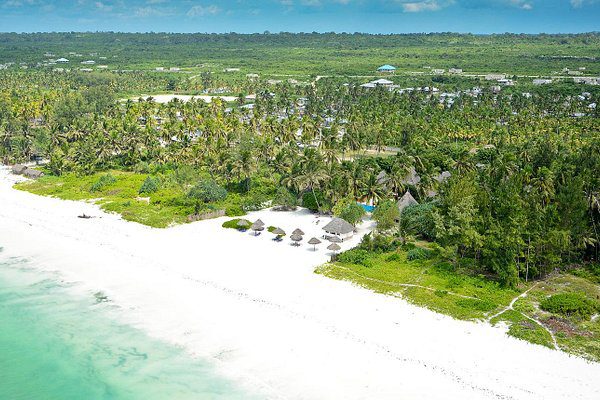
Pwani Mchangani is located on the northeastern coast of Unguja Island, the main island of the Zanzibar Archipelago in Tanzania. It lies approximately 45–50 kilometers from Stone Town, Zanzibar’s historic capital and UNESCO World Heritage Site, making it accessible yet peaceful.
The beach stretches along a gently curving coastline between Kiwengwa to the south and Matemwe to the north. Facing the open Indian Ocean, Pwani Mchangani enjoys cooling sea breezes, expansive ocean views, and some of the calmest, clearest waters on the island during high tide.
The Meaning and History of Pwani Mchangani
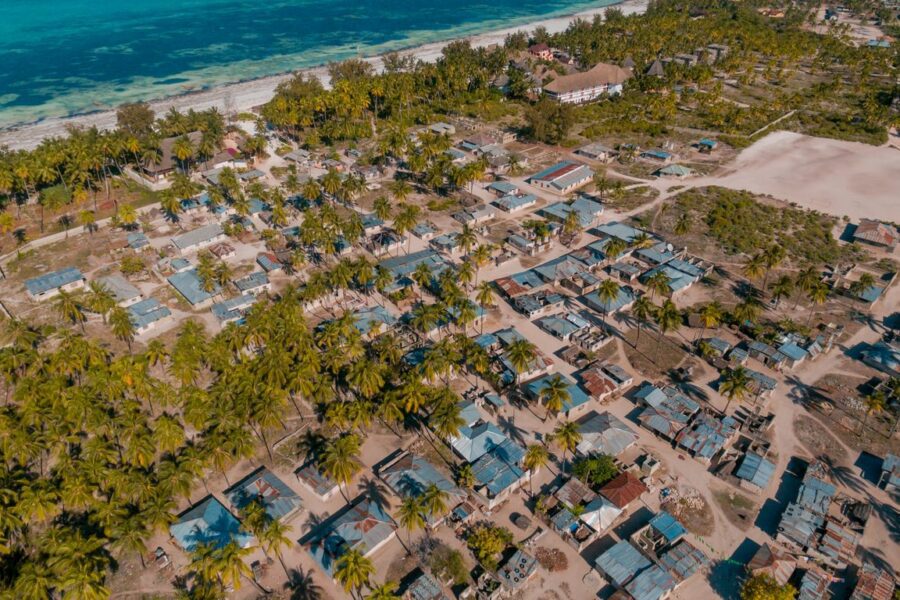
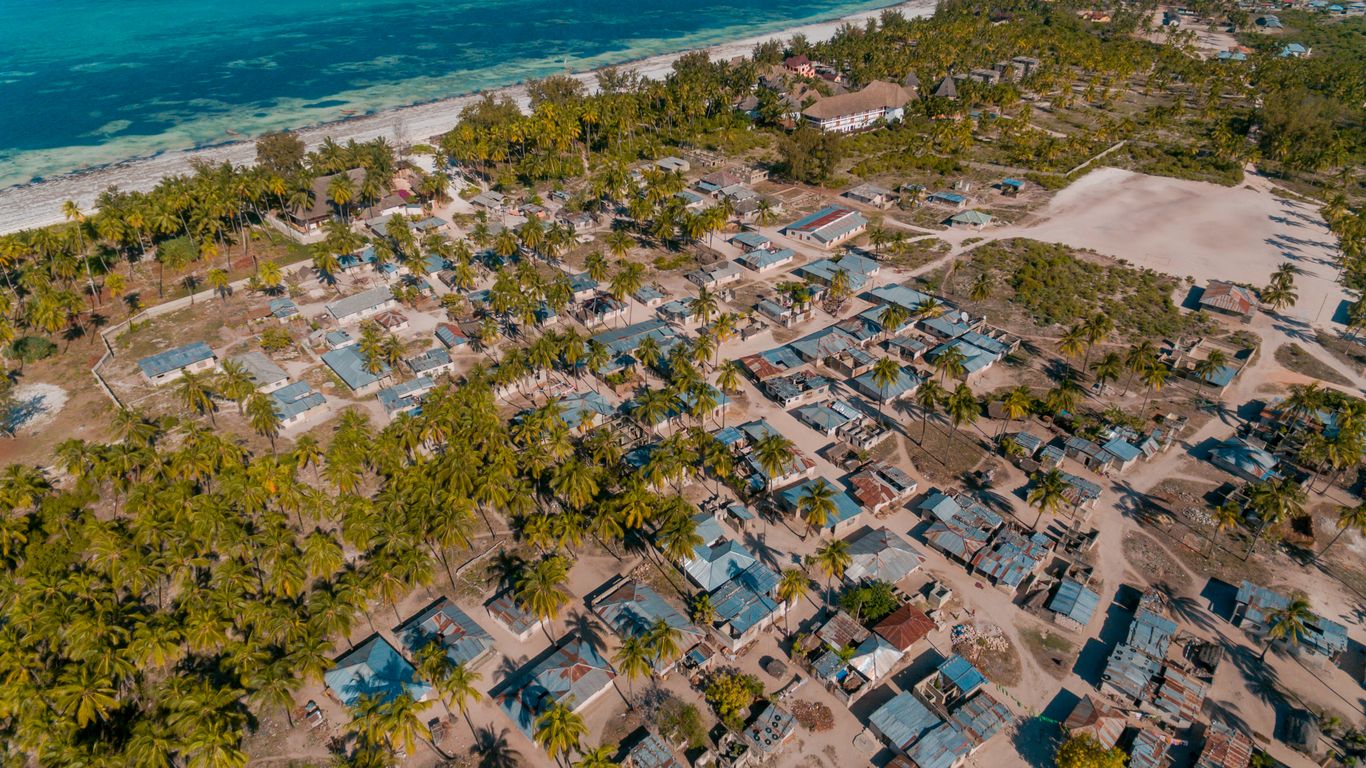
The name Pwani Mchangani comes from Kiswahili, meaning “sandy coast”—a fitting description for a destination defined by wide, pale sandy beaches. Historically, this area was home to small fishing and farming communities who depended on the sea, coconut palms, and seasonal agriculture for their livelihoods.
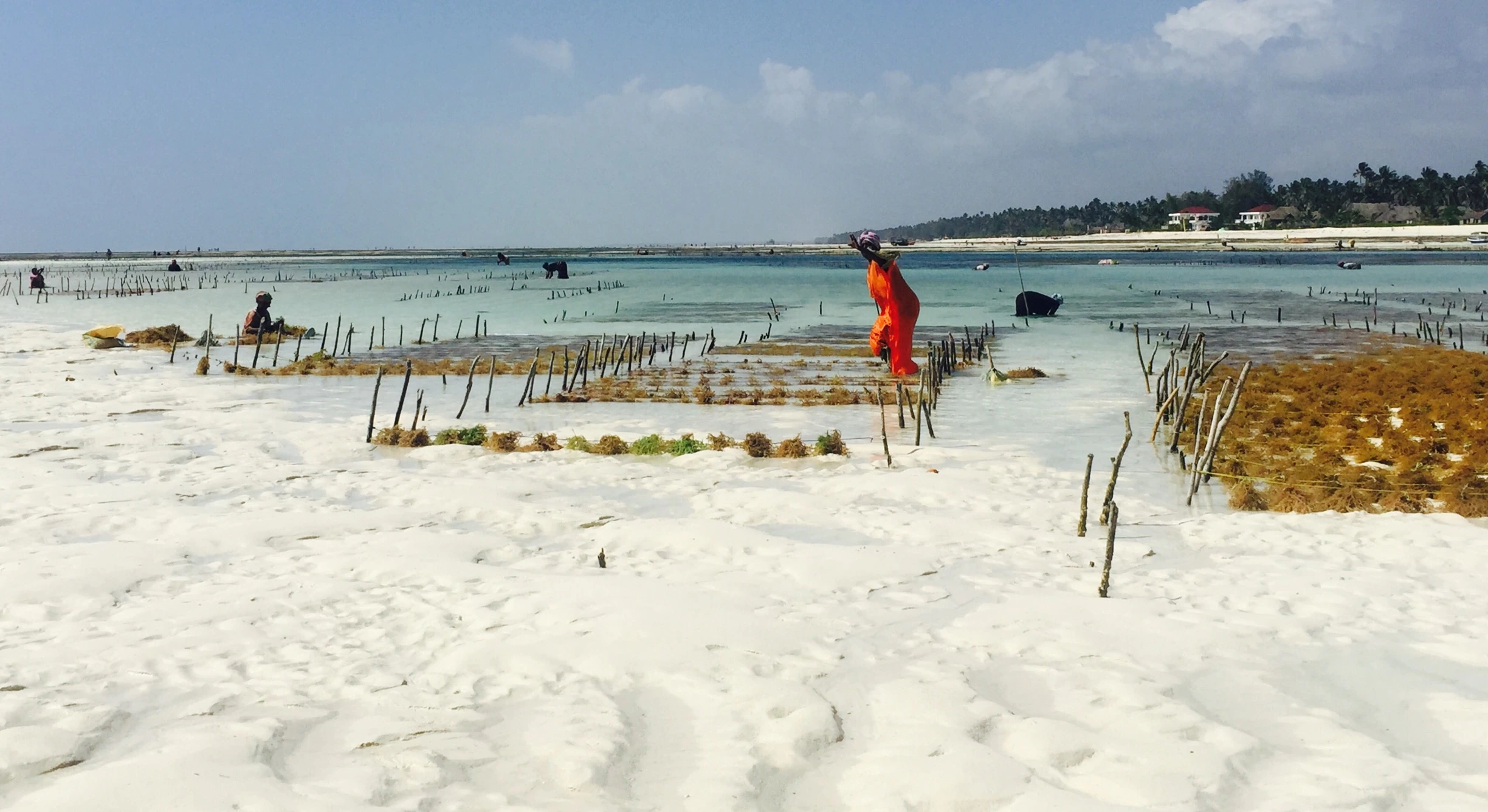
For generations, local fishermen used traditional wooden dhows and outrigger canoes to harvest fish from the nearby reefs. Seaweed farming, particularly among women, also became an important economic activity along this stretch of coast. Unlike more commercialized parts of Zanzibar, Pwani Mchangani developed gradually as a tourism destination, allowing it to retain much of its cultural identity and natural appeal.
Natural Beauty: A Classic African Beach Landscape
Endless White-Sand Beaches
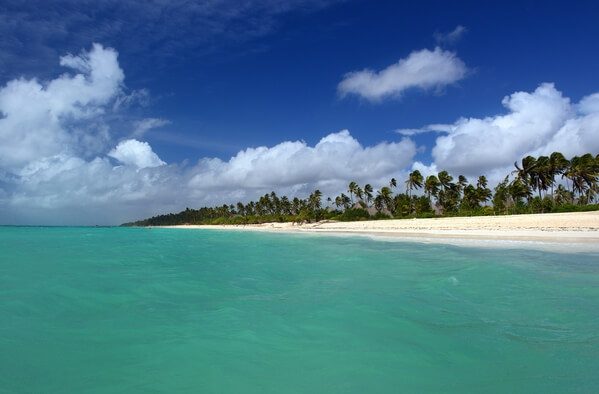
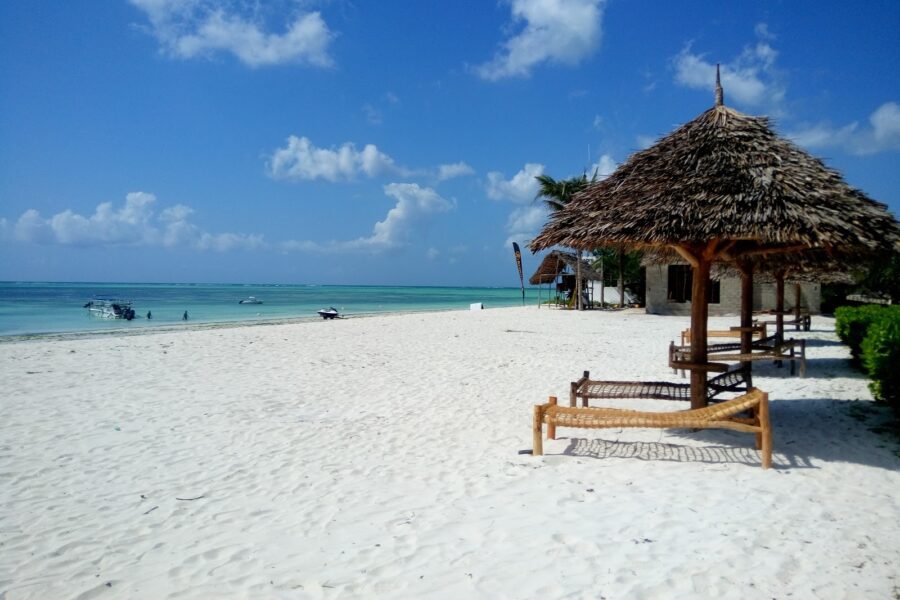
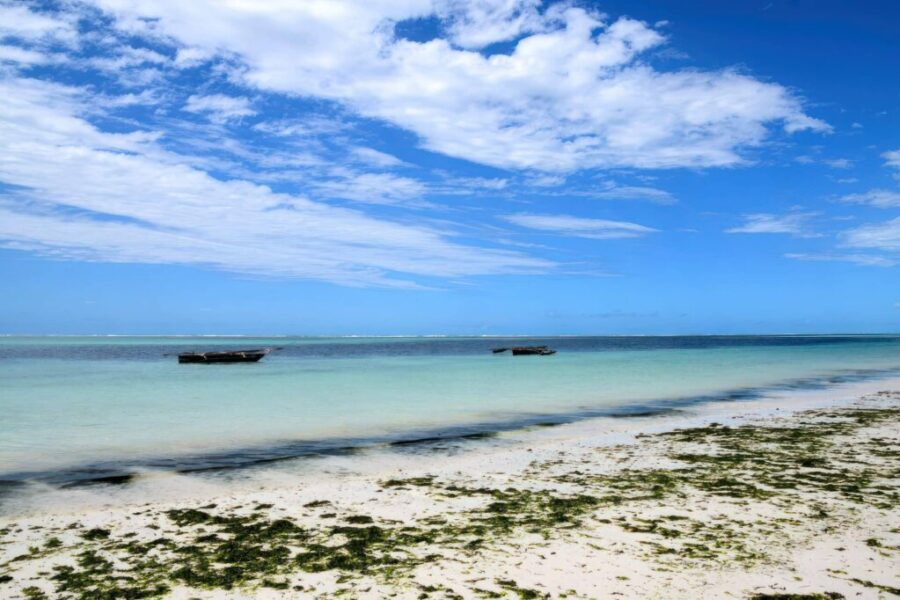
Pwani Mchangani is characterized by long, wide beaches of soft white sand, fringed with palm trees and dotted with traditional fishing boats. The beach feels expansive and uncrowded, even during peak travel seasons, making it ideal for travelers seeking space and tranquility.
Walking along the shoreline reveals ever-changing scenery—tidal pools, coral fragments, fishermen repairing nets, and children playing near the water. The beach is particularly beautiful at sunrise, when the sky glows in soft pastel colors and the ocean is calm and glassy.
Turquoise Waters and Dramatic Tides
One of the defining features of Pwani Mchangani is its dramatic tidal variation. At high tide, the sea comes close to the beach, creating perfect conditions for swimming and water sports. At low tide, the ocean retreats far into the distance, revealing vast stretches of exposed seabed.
This tidal movement creates a dynamic landscape that is fascinating to observe and explore. During low tide, visitors can walk far out onto the reef flats, discovering starfish, sea urchins, small crabs, and shallow tidal pools.
The Marine Environment and Coastal Ecosystem
Coral Reefs and Marine Life
Pwani Mchangani is part of Zanzibar’s broader coral reef system, which supports a rich diversity of marine life. While the reefs are located slightly offshore, boat excursions provide access to excellent snorkeling and diving sites.
Marine life commonly encountered includes:
-
Tropical reef fish such as parrotfish, surgeonfish, and butterflyfish
-
Octopus, moray eels, and reef rays
-
Sea turtles, especially green turtles
-
Occasionally dolphins and larger pelagic species
The coral reefs not only attract marine enthusiasts but also protect the coastline from erosion, playing a vital ecological role.
Seaweed Farming and Coastal Livelihoods
Along the shallow waters of Pwani Mchangani, seaweed farms are visible during low tide. Seaweed farming is an important source of income for local women and contributes to both the economy and global markets, where seaweed is used in cosmetics, food products, and pharmaceuticals.
Visitors often find this activity fascinating, as it highlights the close relationship between the community and the ocean.
Things to Do in Pwani Mchangani
Pwani Mchangani offers a balance between relaxation and adventure, making it suitable for a wide range of travelers.
Swimming and Beach Relaxation
At high tide, the calm, warm waters are ideal for swimming. The beach’s gentle slope makes it safe and enjoyable for both adults and children. Sunbathing, beach walks, and simply enjoying the ocean breeze are central to the Pwani Mchangani experience.
Snorkeling and Diving Excursions
While snorkeling directly from the beach can be limited due to tides, boat trips take visitors to nearby reefs and marine reserves, including areas around Mnemba Atoll, one of Zanzibar’s top snorkeling and diving destinations.
These excursions offer vibrant coral gardens, excellent visibility, and encounters with diverse marine species.
Traditional Dhow Cruises
A dhow cruise is one of the most iconic activities along Zanzibar’s coast. In Pwani Mchangani, visitors can enjoy sunset or daytime dhow trips, gliding across the Indian Ocean while learning about Swahili maritime traditions.
Kitesurfing and Water Sports
Thanks to consistent trade winds, particularly between June and September, Pwani Mchangani is suitable for kitesurfing and wind-based water sports. Several nearby beaches host kitesurfing schools that cater to beginners and experienced riders alike.
Cultural Village Walks
Exploring the local village offers insight into daily life on Zanzibar’s coast. Guided walks may include visits to:
-
Fishing areas and boat-building sites
-
Seaweed farms
-
Local markets and schools
These experiences foster cultural exchange and support community-based tourism.
Accommodation: From Boutique Resorts to Beach Lodges
Pwani Mchangani offers a variety of accommodation options, appealing to different budgets and travel styles.
Beachfront Resorts
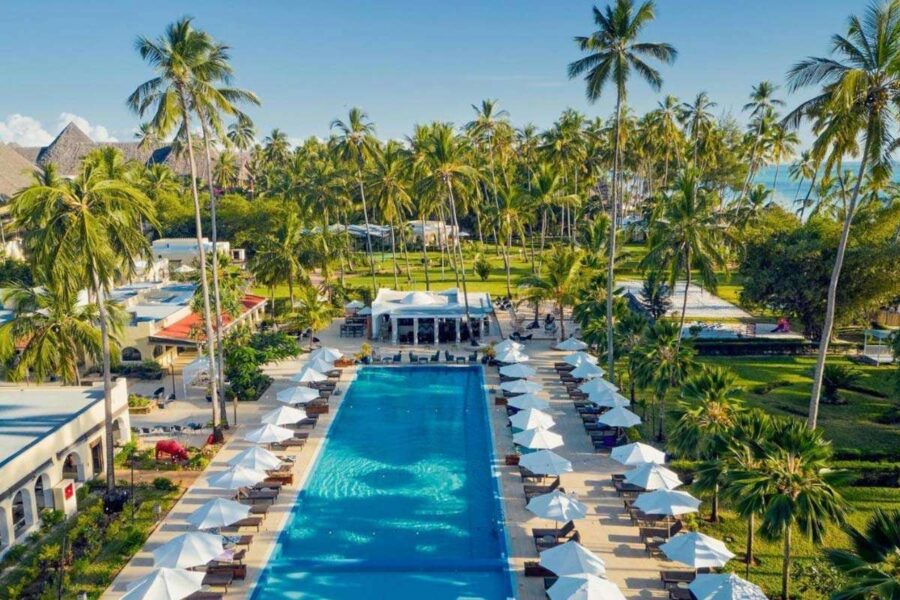
Several mid-range to upscale beachfront resorts line the coast, offering amenities such as:
-
Ocean-view rooms
-
Swimming pools
-
Spa and wellness facilities
-
On-site restaurants featuring Swahili and international cuisine
These resorts often blend modern comfort with traditional Zanzibari design elements.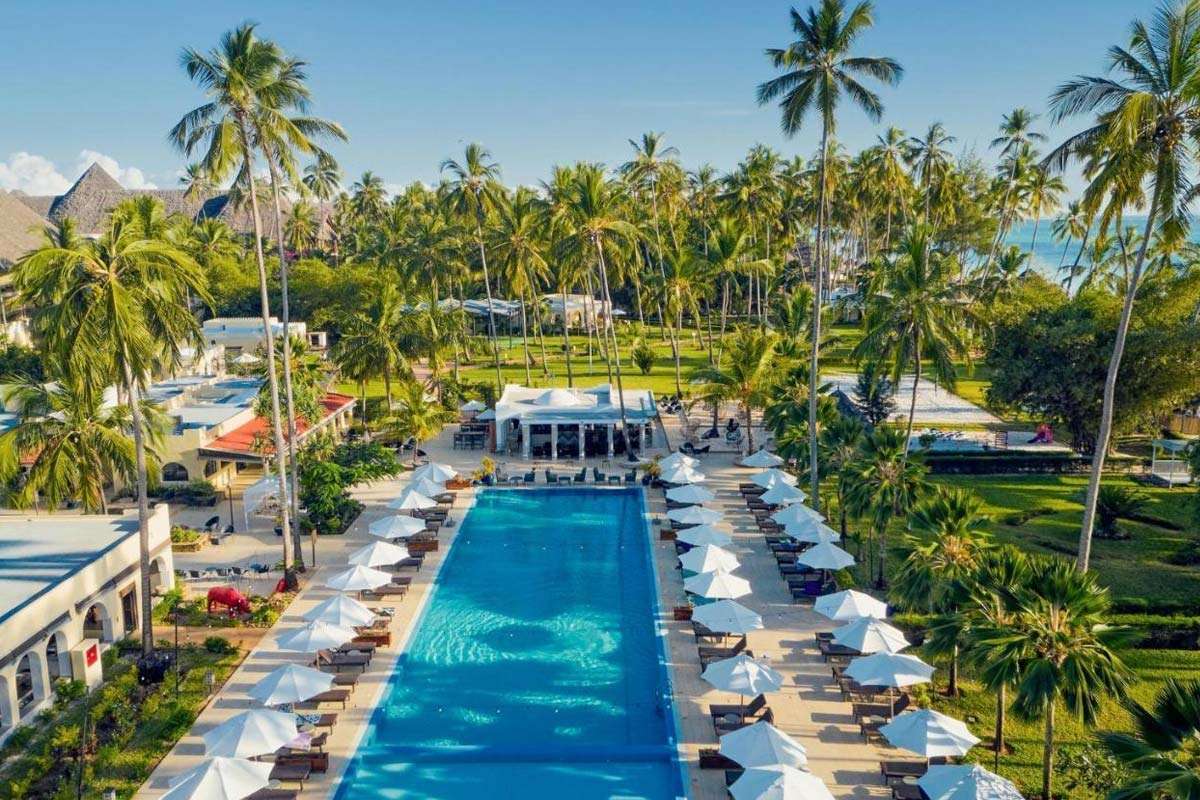
Eco-Lodges and Boutique Hotels
Eco-conscious travelers can find smaller boutique hotels and eco-lodges that emphasize sustainability, local employment, and minimal environmental impact. These properties often provide a more intimate and personalized experience.
Long-Stay and Budget Options
Pwani Mchangani is also attractive to long-stay travelers and digital nomads, with guesthouses and budget-friendly accommodations available in nearby villages.
Food and Cuisine in Pwani Mchangani
Food in Pwani Mchangani reflects Zanzibar’s rich culinary heritage, influenced by African, Arab, Indian, and Persian cultures.
Seafood Delights
Fresh seafood is a highlight, with dishes featuring:
-
Grilled fish and lobster
-
Coconut-based fish curries
-
Octopus stew
-
Prawns and calamari
Swahili Flavors
Local meals often include staples such as rice, chapati, ugali, and spiced vegetables, flavored with cloves, cardamom, cinnamon, and turmeric—spices that Zanzibar is famous for.
Best Time to Visit Pwani Mchangani
Pwani Mchangani is a year-round destination, but seasons influence weather and sea conditions.
Dry Season (June to October)
-
Cooler temperatures
-
Low humidity
-
Ideal for beach activities and exploration
Short Dry Season (January to February)
-
Hotter weather
-
Excellent ocean conditions
-
Popular with winter travelers
Rainy Seasons (March to May & November)
-
Lush landscapes
-
Fewer tourists
-
Occasional heavy rainfall
For most travelers, June to October and January to February provide the best overall experience.
Pwani Mchangani in the Context of Africa’s Beach Destinations
Africa offers an impressive array of beach destinations, from luxury island retreats to vibrant coastal towns. Compared to destinations like the Seychelles or Mauritius, Pwani Mchangani stands out for its authenticity and cultural depth.
Rather than focusing solely on luxury, Pwani Mchangani offers a more grounded experience—where visitors interact with local communities, observe traditional livelihoods, and experience a slower pace of life. This makes it an excellent complement to safari adventures in Tanzania or cultural exploration in Zanzibar.
Sustainability and Responsible Tourism
As tourism grows, sustainability has become increasingly important in Pwani Mchangani. Efforts include:
-
Support for local employment and training
-
Community-based tourism initiatives
-
Marine conservation and reef awareness programs
-
Reduction of plastic waste and promotion of eco-friendly practices
Travelers are encouraged to respect local customs, minimize environmental impact, and support locally owned businesses.
Who Should Visit Pwani Mchangani?
Pwani Mchangani is ideal for:
-
Travelers seeking a peaceful beach escape
-
Couples and honeymooners
-
Families looking for a relaxed coastal destination
-
Eco-conscious and culturally curious travelers
-
Visitors combining beach time with Zanzibar exploration
It may not suit those seeking nightlife or high-energy entertainment, but for travelers who value serenity, culture, and natural beauty, it is an excellent choice.
Why Pwani Mchangani Is Truly “The Beach Destinations Africa”
Pwani Mchangani embodies the essence of Africa’s Indian Ocean coastline—natural beauty, cultural richness, and a deep connection between people and the sea. Its white-sand beaches, turquoise waters, welcoming communities, and relaxed atmosphere make it one of Zanzibar’s most appealing coastal destinations.
In a continent known for dramatic landscapes and wildlife, Pwani Mchangani reminds travelers that Africa’s beaches are equally deserving of attention. It is not just a place to visit, but a place to slow down, reflect, and experience coastal Africa in its most genuine form. For those seeking a meaningful and memorable beach holiday, Pwani Mchangani stands proudly among the great beach destinations of Africa.