Selous game reserve
Selous Game Reserve: Safari Destinations Africa
Africa is the birthplace of the safari. From the sweeping savannahs of East Africa to the dense forests and wetlands of the south, the continent offers wildlife experiences found nowhere else on Earth. Among Africa’s most extraordinary and historically significant safari destinations stands the Selous Game Reserve, a vast wilderness in southern Tanzania that represents the very essence of untouched Africa.
Now officially known as Nyerere National Park (while the wider ecosystem is still commonly referred to as Selous), this iconic reserve is one of the largest protected wildlife areas in Africa and a UNESCO World Heritage Site. Selous is not defined by crowds or mass tourism; instead, it offers remote, immersive, and diverse safari experiences that include classic game drives, boat safaris, walking safaris, and fly-in adventures.
This article explores in depth why Selous Game Reserve is one of Africa’s premier safari destinations, examining its location, history, ecosystems, wildlife, safari experiences, accommodation, best time to visit, conservation challenges, and its unique position within African safari tourism.
Where Is Selous Game Reserve Located?
Selous Game Reserve is located in southern Tanzania, covering an immense area of over 50,000 square kilometers when including the broader ecosystem—making it larger than Switzerland. The core tourism area, now designated as Nyerere National Park, lies approximately 230 kilometers southwest of Dar es Salaam.
The reserve is bordered and shaped by the Rufiji River, Tanzania’s largest river, which flows through the heart of the park before emptying into the Indian Ocean. This river system creates a mosaic of habitats that distinguish Selous from the more famous northern safari parks.
Historical Background of Selous Game Reserve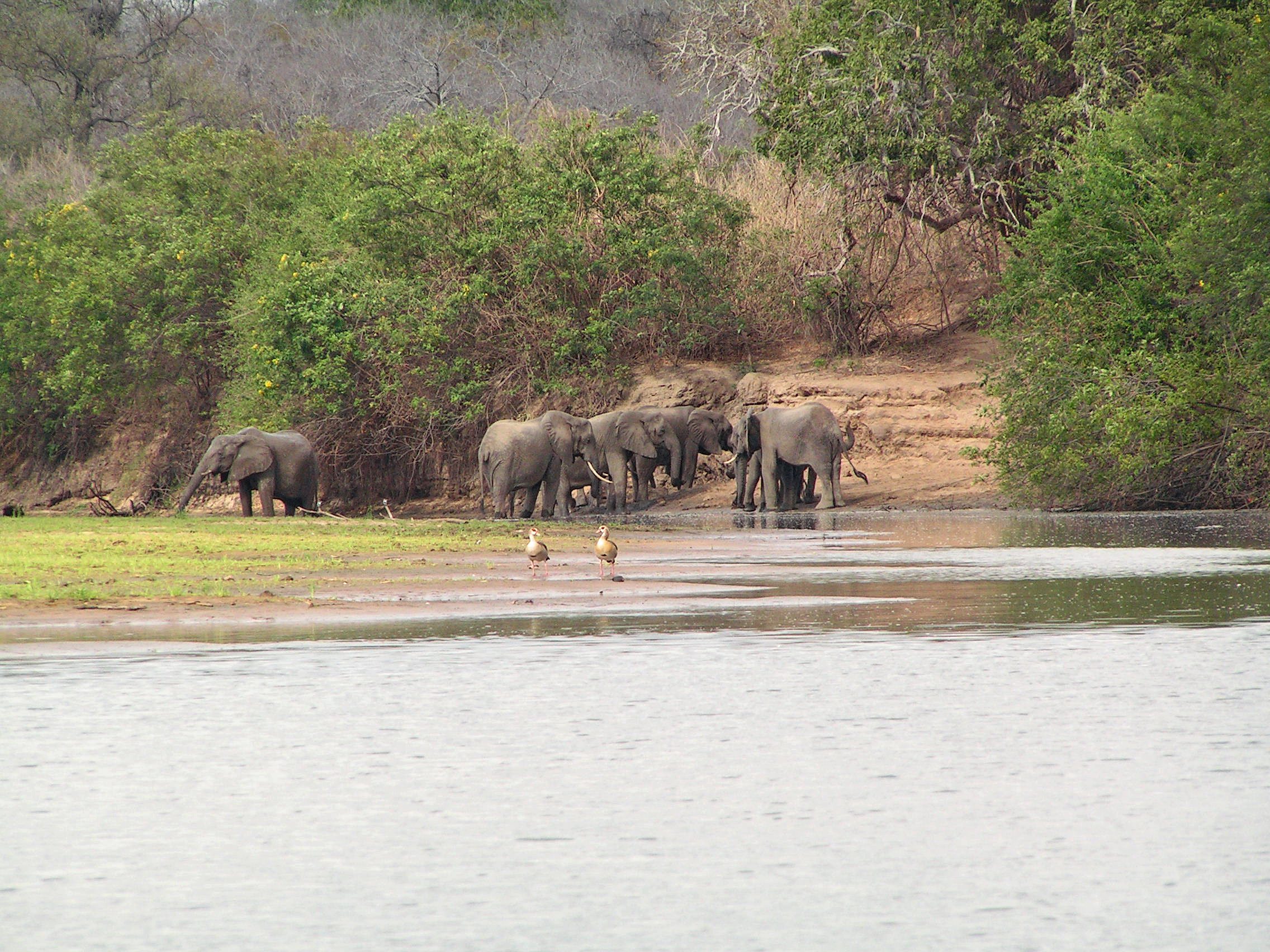
Early History and Naming
The Selous Game Reserve was named after Frederick Courteney Selous, a British explorer, conservationist, and big-game hunter who later became a strong advocate for wildlife preservation. Established in 1922, Selous is one of the oldest protected areas in Africa.
UNESCO World Heritage Status
In 1982, Selous was designated a UNESCO World Heritage Site due to its immense size, biodiversity, and largely undisturbed ecosystems. Its remoteness helped preserve vast tracts of wilderness at a time when many African landscapes were increasingly developed.
Transition to Nyerere National Park
In recent years, the northern section of Selous was reclassified as Nyerere National Park, named after Tanzania’s first president, Julius Nyerere. This move aimed to strengthen conservation management and boost sustainable tourism while preserving the Selous ecosystem’s integrity.
Landscapes and Ecosystems: A Safari Like No Other
One of Selous’ greatest strengths is its ecological diversity, which sets it apart from classic savannah parks like the Serengeti.
River Systems and Wetlands
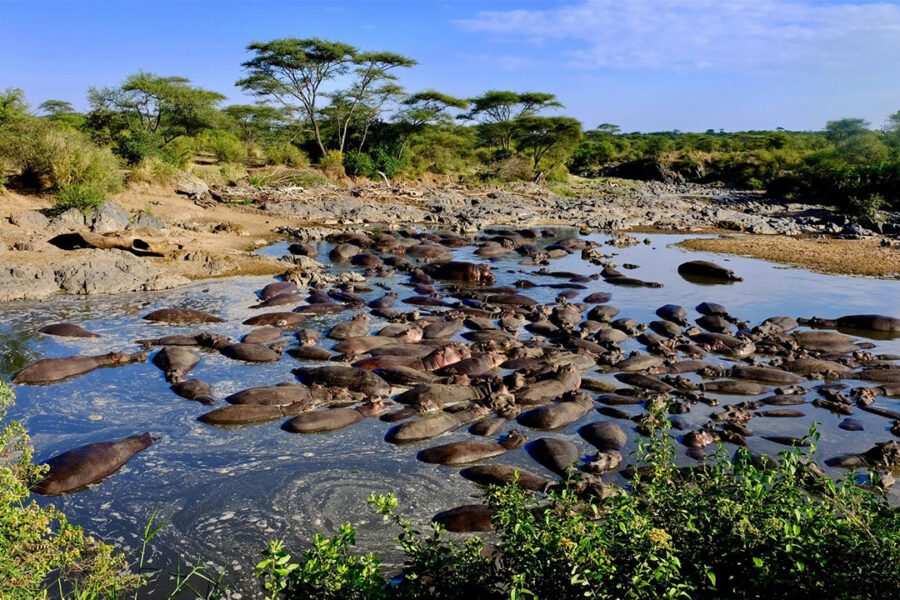
The Rufiji River is the lifeblood of Selous. Its channels, lagoons, oxbow lakes, and floodplains support enormous concentrations of wildlife, particularly during the dry season. These wetlands attract hippos, crocodiles, birds, and grazing animals in large numbers.
Woodlands and Grasslands
Miombo woodlands dominate much of the reserve, interspersed with open grasslands, seasonal swamps, and palm-fringed riverbanks. This mix of habitats supports a wide range of species and provides ever-changing safari scenery.
Remote and Untouched Wilderness
Unlike many safari destinations, Selous remains vastly undeveloped, with only a small fraction open to tourism. This ensures a sense of exclusivity and solitude that is increasingly rare in Africa.
Wildlife of Selous Game Reserve
Selous is one of the most wildlife-rich ecosystems in Africa, hosting an extraordinary variety of species.
Large Mammals
Selous is renowned for its populations of:
-
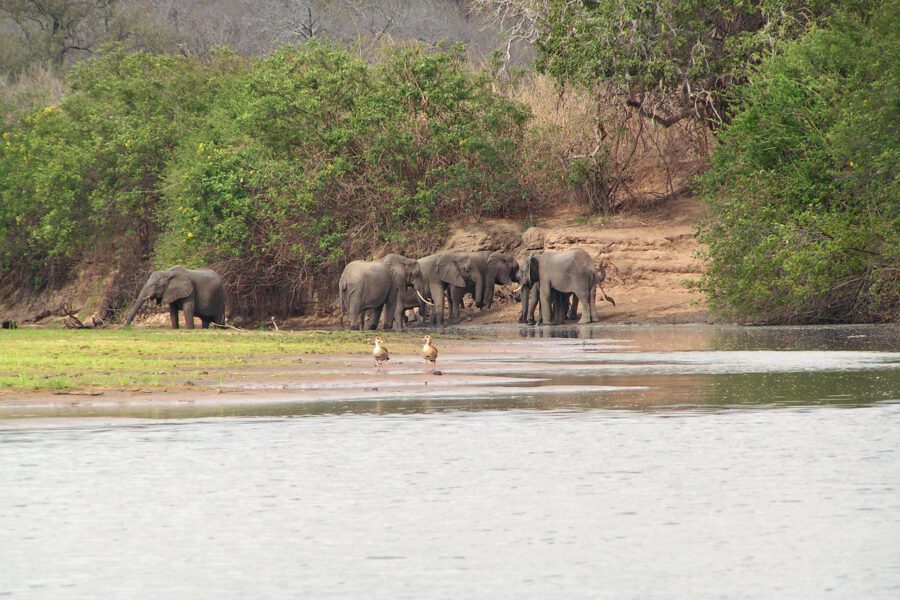
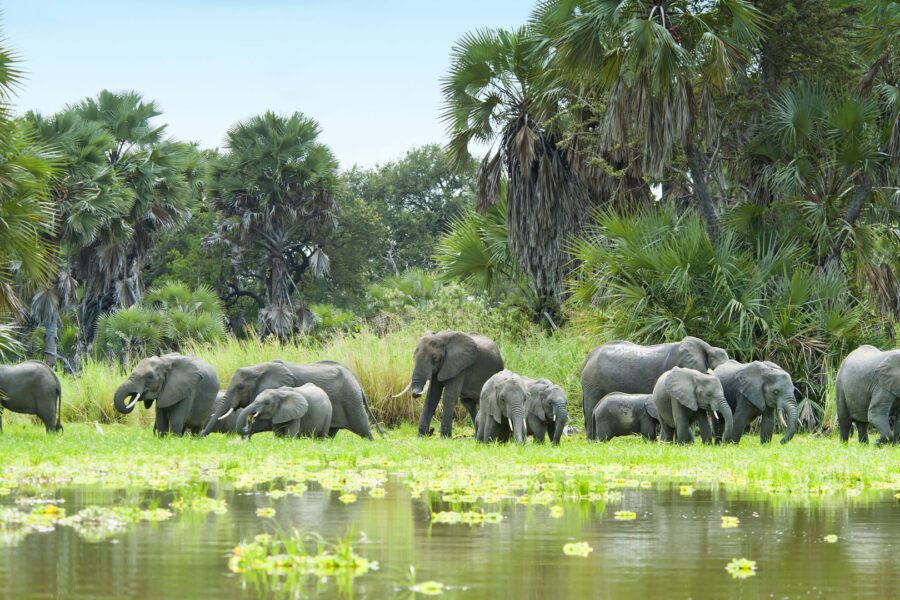
African elephants – one of the largest remaining populations in East Africa
-
African buffalo – often seen in massive herds
-
Lions – thriving due to abundant prey
-
Leopards – elusive but regularly spotted
-
African wild dogs – Selous is one of their most important strongholds
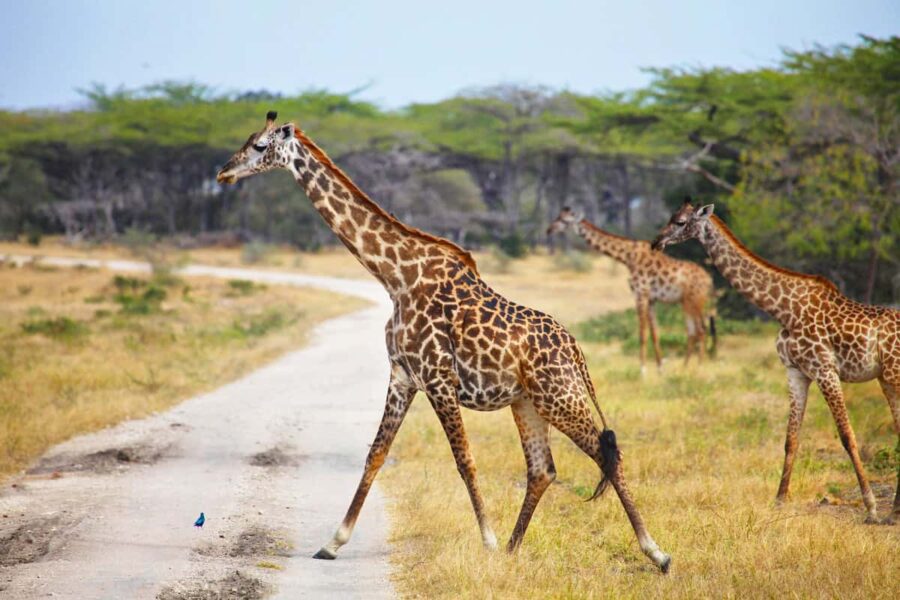
Other mammals include giraffes, zebras, wildebeest, sable antelope, eland, kudu, waterbuck, impala, and warthog.
Hippos and Crocodiles
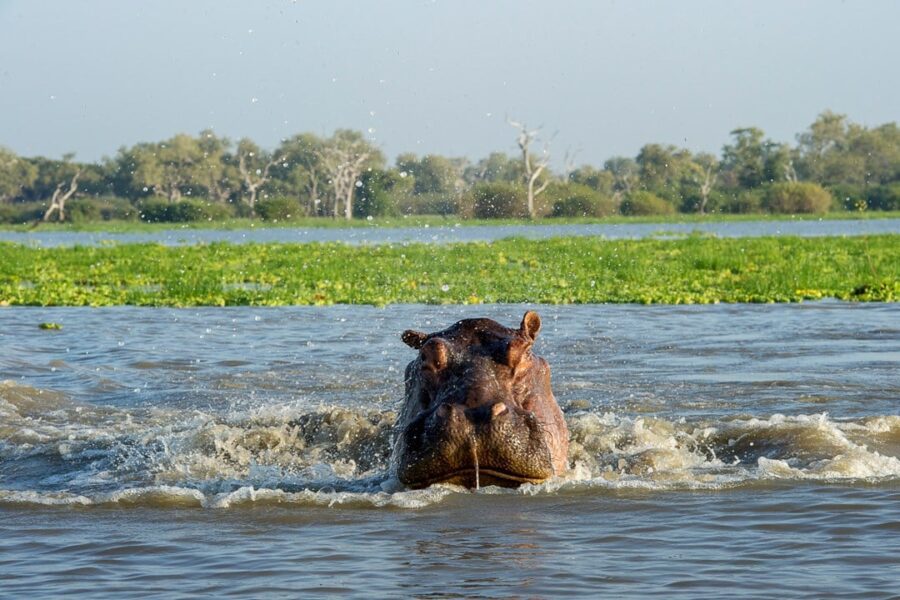
The Rufiji River supports huge numbers of hippos and Nile crocodiles, making river safaris a highlight of any visit.
Birdlife
With over 440 recorded bird species, Selous is a paradise for birdwatchers. Notable species include:
-
African fish eagle
-
Pel’s fishing owl
-
Saddle-billed stork
-
Goliath heron
-
Bee-eaters, kingfishers, and hornbills
Both resident and migratory birds thrive in the park’s wetlands and woodlands.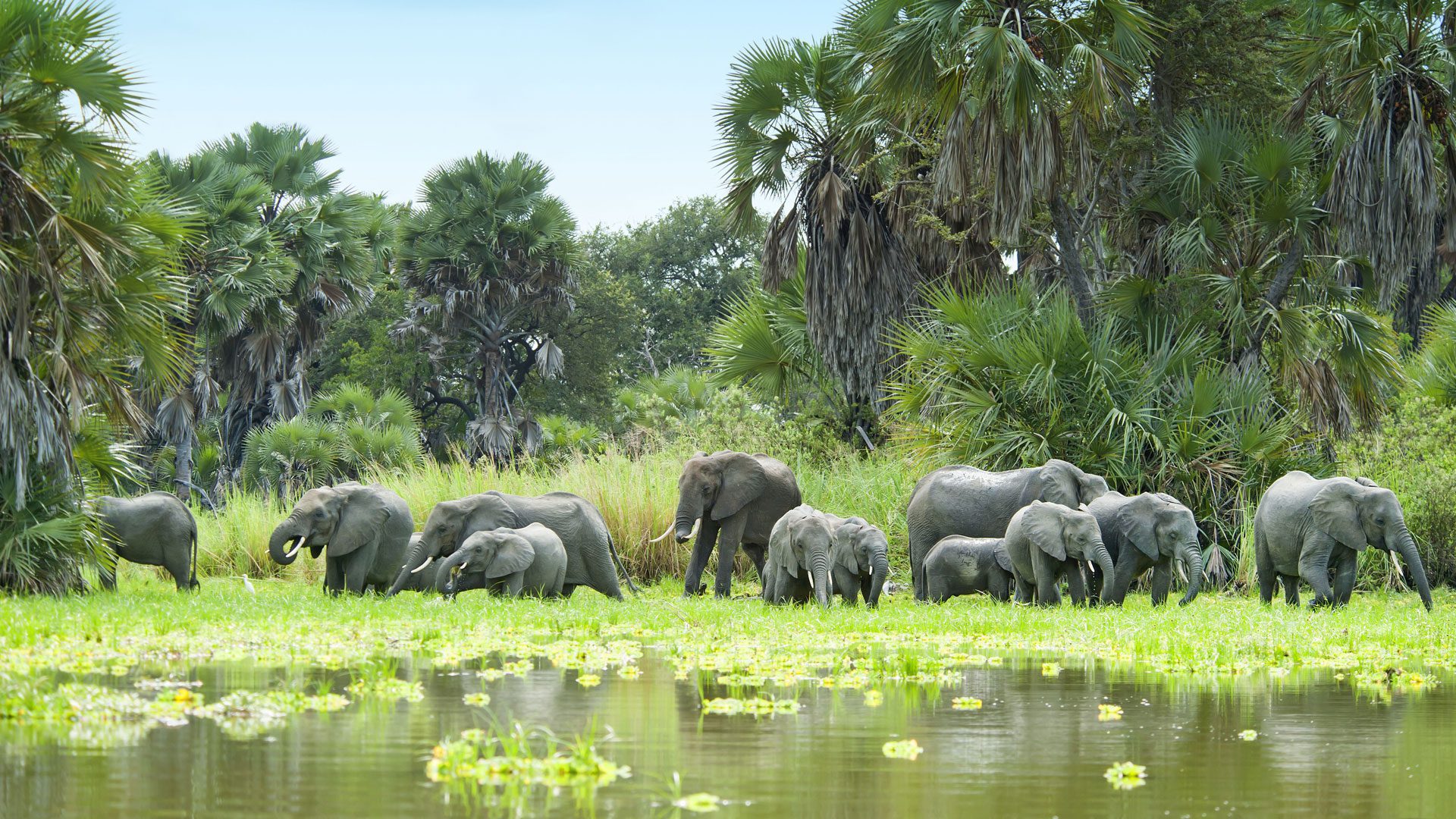
Unique Safari Experiences in Selous
What truly distinguishes Selous from other safari destinations in Africa is the variety of safari activities available.
Classic Game Drives
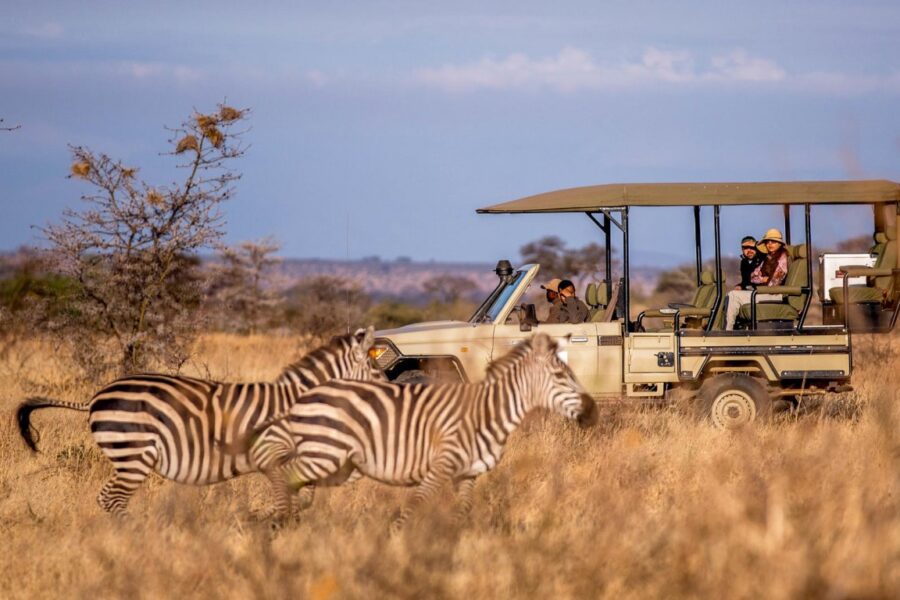
Game drives in Selous take place across open plains, riverbanks, and woodland tracks. Because tourist numbers are low, sightings are often private and unhurried, allowing for more intimate wildlife encounters.
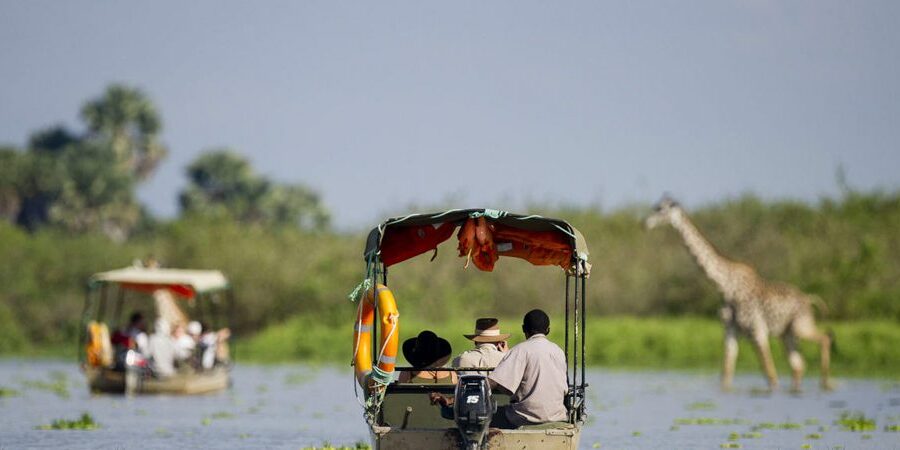
Boat Safaris on the Rufiji River
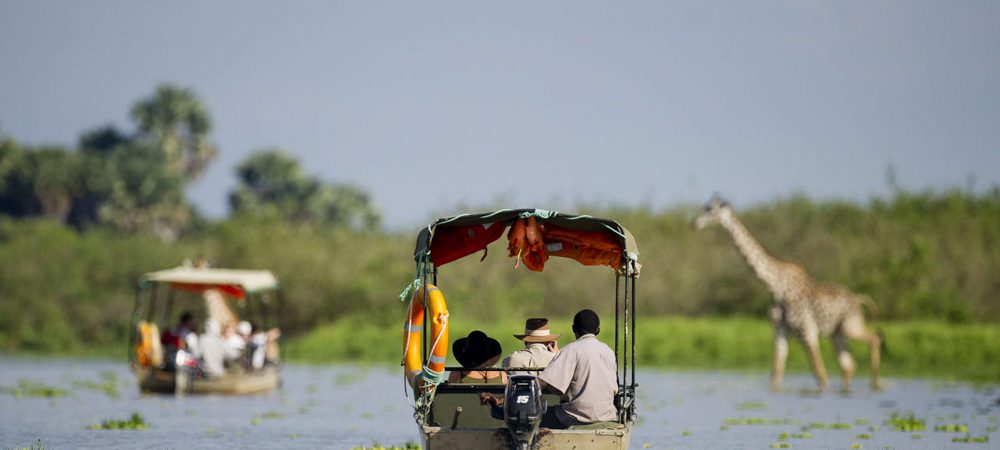
Boat safaris are a signature experience of Selous and rare in most African parks. From the water, guests can observe:
-
Hippos surfacing nearby
-
Crocodiles basking on riverbanks
-
Elephants crossing the river
-
Abundant birdlife at close range
Boat safaris offer a completely different perspective on wildlife and landscape.
Walking Safaris
Selous is one of the best places in Africa for guided walking safaris. Accompanied by armed rangers and expert guides, visitors explore the bush on foot, learning about animal tracks, plants, insects, and the finer details of the ecosystem.
Fly-In Safaris
Given Selous’ vast size and remoteness, many visitors arrive by light aircraft, landing on bush airstrips near their lodges. Fly-in safaris enhance the sense of adventure and provide spectacular aerial views of the landscape.
Accommodation in Selous Game Reserve
Selous offers a range of accommodations that emphasize low-impact, high-quality safari experiences.
Luxury Safari Lodges
Luxury lodges in Selous are known for:
-
Spacious tented suites or chalets
-
Riverfront locations
-
Private verandas and plunge pools
-
Personalized service
These lodges blend seamlessly into the environment while providing exceptional comfort.
Tented Camps
Authentic tented camps offer a classic safari atmosphere with modern amenities. They are often seasonal and designed to minimize environmental impact.
Exclusive and Private Experiences
Many camps in Selous cater to small numbers of guests, ensuring privacy and tailored safari activities. This exclusivity is one of Selous’ strongest appeals.
Best Time to Visit Selous Game Reserve
Selous is a seasonal safari destination, with wildlife movements influenced by rainfall and river levels.
Dry Season (June to October)
-
Best time for wildlife viewing
-
Animals congregate near rivers and water sources
-
Cooler temperatures
-
Ideal for game drives and walking safaris
Green Season (November to March)
-
Lush landscapes and dramatic scenery
-
Excellent birdwatching with migratory species
-
Fewer visitors and lower rates
-
Wildlife still abundant, though more dispersed
Rainy Season (April to May)
-
Heavy rains
-
Some lodges close
-
Limited access in certain areas
The peak safari season is from June to October, while November to March appeals to photographers and bird enthusiasts.
Selous vs. Northern Tanzania Safari Circuit
Tanzania’s northern safari circuit—including Serengeti, Ngorongoro, and Tarangire—is world-famous. Selous offers a compelling alternative or complement.
Key Differences
-
Fewer tourists and more exclusivity
-
Boat and walking safaris, rarely available in northern parks
-
More remote and wilderness-focused experience
-
Ideal for repeat safari travelers
Many visitors combine Selous with Zanzibar’s beaches for a balanced bush-and-beach itinerary.
Conservation and Challenges
Poaching and Protection
Historically, Selous faced significant poaching threats, particularly to elephants. Increased government action, international support, and improved management have led to encouraging conservation progress.
Community Involvement
Community-based conservation and tourism initiatives help local populations benefit directly from wildlife protection, reducing conflict and promoting sustainable livelihoods.
Sustainable Tourism
Strict limits on lodge numbers and visitor capacity help preserve Selous’ ecosystems while maintaining high-quality safari experiences.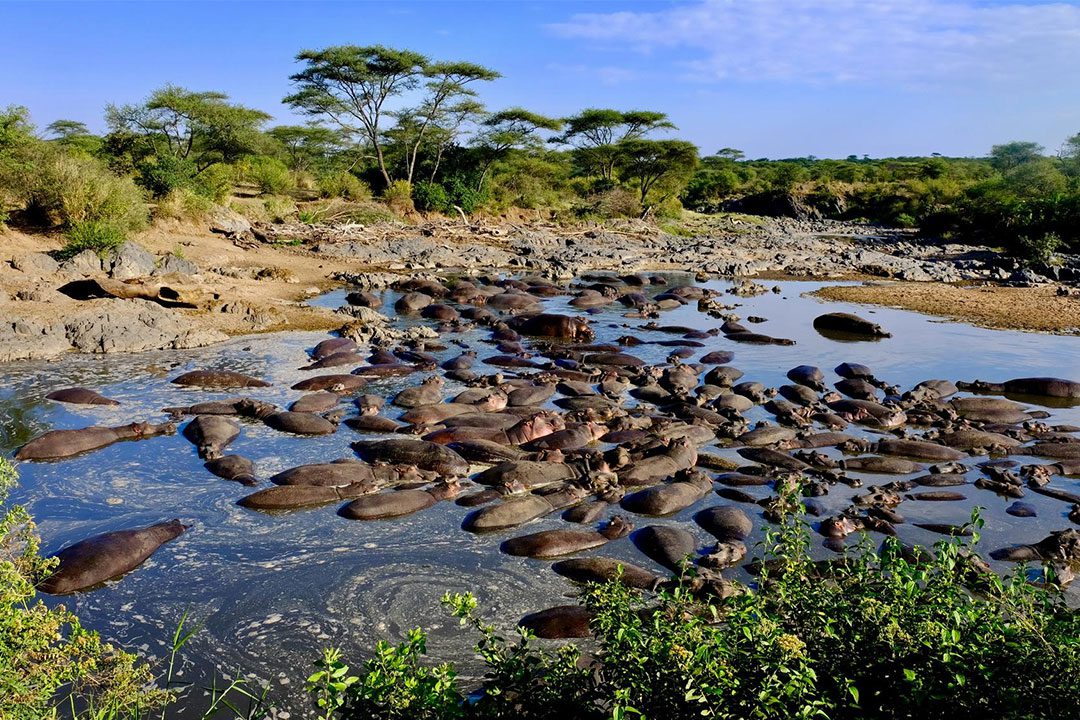
Who Should Visit Selous Game Reserve?
Selous is ideal for:
-
Safari enthusiasts seeking exclusivity
-
Travelers interested in walking and boat safaris
-
Photographers and birdwatchers
-
Honeymooners and luxury travelers
-
Visitors looking beyond mainstream safari routes
It may not suit travelers with limited time who want guaranteed big-cat sightings, but for those valuing depth and diversity, Selous is exceptional.
Why Selous Is a Top Safari Destination in Africa
Selous Game Reserve represents the soul of African wilderness. Its vast landscapes, rich wildlife, and diverse safari experiences offer something increasingly rare—true immersion in nature. Free from crowds and mass tourism, Selous allows travelers to experience Africa as it once was: raw, expansive, and deeply moving.
As one of Africa’s greatest conservation landscapes and most rewarding safari destinations, Selous stands proudly among the continent’s finest. For travelers seeking authenticity, adventure, and connection with the wild, Selous Game Reserve is not just a safari destination—it is Africa in its purest form.