Serengeti National Park: The Heart of Tanzania Wildlife Safaris
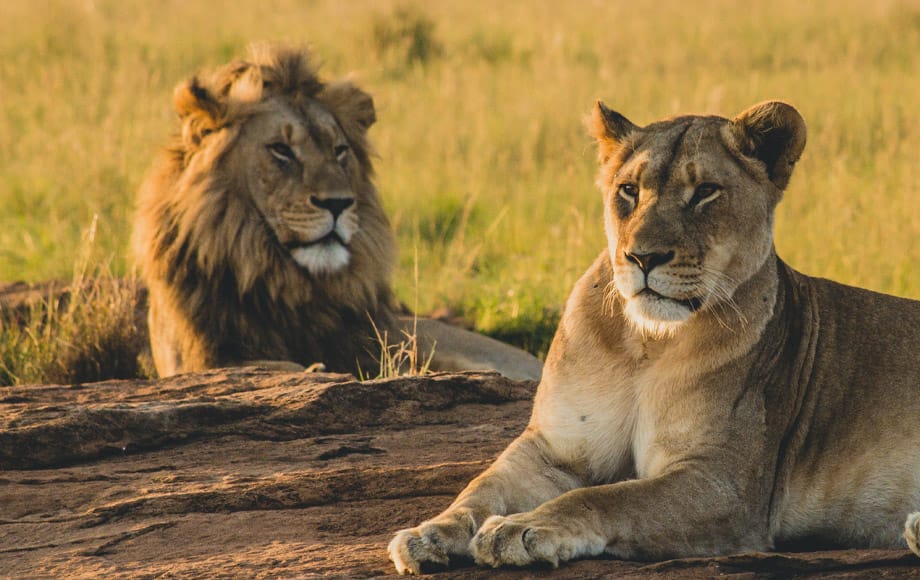
Few places on Earth capture the imagination quite like the Serengeti. Its name alone conjures images of endless golden plains, thundering herds of wildebeest, majestic lions resting beneath scattered acacias, and a horizon so vast it seems to stretch into eternity. Serengeti National Park is the beating heart of Tanzania’s wildlife safari experience, a sanctuary where ancient rhythms of survival and migration continue largely unchanged by the passage of time.
Spanning nearly 15,000 square kilometers, the Serengeti is one of the world’s most iconic protected ecosystems. It is a land sculpted by geological forces, nurtured by seasonal rains, and kept alive through the remarkable movements of millions of herbivores and the predators that follow them. Whether you dream of witnessing the Great Migration, observing lions in their natural kingdom, exploring varied landscapes from grassy plains to rocky kopjes, or simply experiencing the profound stillness of African wilderness, the Serengeti offers an adventure unlike any other.
This comprehensive guide explores the history, ecology, wildlife, seasons, regions, and experiences that make Serengeti National Park the true heart of Tanzania’s safari world.
The Legacy of the Serengeti
The Serengeti story is deeply rooted in history and conservation. The region takes its name from the Maasai word Siringet, meaning “endless plains,” a fitting description for landscapes that stretch unbroken across northern Tanzania. Long before the creation of the national park, these plains were home to pastoralist communities whose lives intertwined with the rhythms of wildlife.
In 1951, Serengeti National Park was officially established, protecting one of Africa’s greatest ecological treasures. Over the decades, the park became a global icon of conservation, home to some of the world’s most ambitious wildlife protection programs. Today, the Serengeti is recognized as a UNESCO World Heritage Site and a symbol of the importance of preserving natural ecosystems for future generations.
The park is part of a much larger protected network that includes the Ngorongoro Conservation Area, Maswa Game Reserve, and Kenya’s Maasai Mara National Reserve. Together, they form the Serengeti-Mara ecosystem—one of the last remaining natural migratory corridors that support the Great Migration, Africa’s most extraordinary wildlife spectacle.
The Landscapes of Endless Beauty
The Serengeti is far from uniform. Its sweeping plains are interspersed with kopjes, river valleys, acacia woodlands, seasonal swamps, and rolling hills. Each landscape supports unique wildlife communities and offers different safari experiences.
The southern plains are flat and open, formed by ancient volcanic ash from the Ngorongoro highlands. During the green season, these plains transform into lush grazing grounds where wildebeest give birth to thousands of calves. The central Serengeti, also known as Seronera, is a rich mosaic of grasslands, rocky outcrops, and permanent rivers that attract animals year-round. Further north, the terrain becomes more rugged, with dense bush and river crossings that turn into dramatic migration hotspots during the dry season.
The diverse landscapes of the Serengeti create a constantly changing tableau for visitors—each day revealing new scenes, new wildlife encounters, and new natural wonders.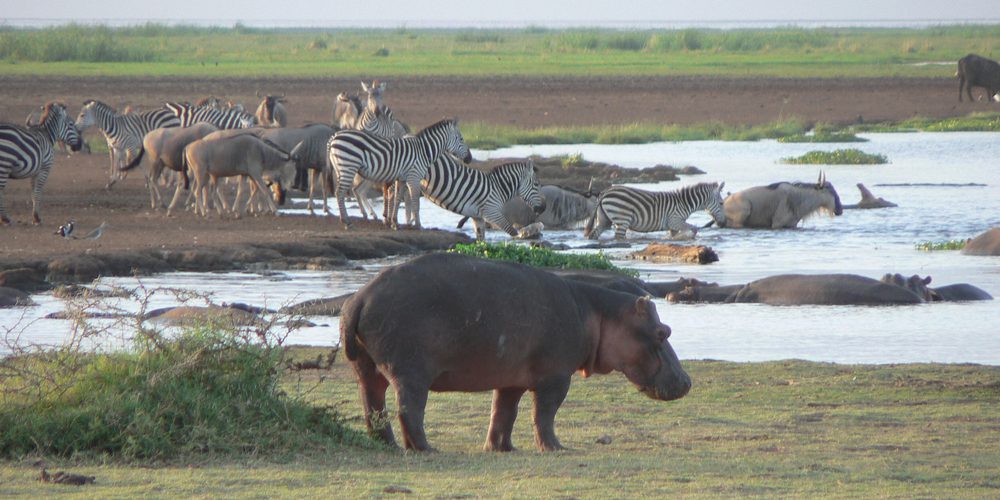
The Great Migration: Serengeti’s Most Iconic Event
No discussion of the Serengeti is complete without mentioning the Great Migration. This monumental movement of more than 1.5 million wildebeest, 200,000 zebras, and thousands of gazelles is the beating pulse of the ecosystem. Driven by rainfall and the availability of fresh grazing, the herds follow a circular route through the Serengeti and into Kenya’s Maasai Mara, covering nearly 3,000 kilometers each year.
The migration is a cycle of survival, birth, and death. From late December to March, the herds gather in the southern plains of the Serengeti to calve. In just a few weeks, more than half a million newborn wildebeest take their first steps—an event that attracts predators and offers travellers thrilling sightings of nature’s rawest interactions.
As the rains fade in April and May, the herds move northwest toward the lush grasslands of the Western Corridor. The Grumeti River crossings during this time mark the beginning of the migration’s most dramatic sequences. Crocodiles lay in wait as wildebeest attempt to cross the swollen waters, turning the river into a battleground between instinct and danger.
By July, the herds reach the northern Serengeti, where they face the formidable Mara River. The Mara crossings are the most famous and emotional moments of the migration. Thousands of animals gather at the riverbanks, hesitating before a sudden burst of energy propels the herd into the water. The sounds of splashing hooves, rushing currents, and the frantic cries of animals create a sensory experience unlike anything else in the natural world.
By November, the rains begin to fall again in the south, drawing the herds back toward the short-grass plains where the cycle will begin anew. Witnessing any part of the migration—not just the river crossings—is a privilege, as every phase offers a unique glimpse into one of Earth’s last great wildlife phenomena.
Wildlife of the Serengeti: A Kingdom of Animal Diversity
While the migration brings global attention, the Serengeti’s year-round wildlife density is equally impressive. The park is home to Africa’s largest lion population, numbering more than 3,000 individuals. Seronera Valley, often referred to as the “Predator Capital of Africa,” offers exceptional sightings of lions, leopards, and cheetahs.
Leopards often lounge on the branches of acacia trees in the central Serengeti, their sleek bodies perfectly camouflaged. Cheetahs, built for speed and agility, thrive in the open plains where they chase gazelles across the grasslands. Hyenas, often misunderstood, play a critical role in the ecosystem as skilled hunters and essential scavengers.
Elephants roam freely through the woodlands, buffaloes graze in wide-open plains, and giraffes move gracefully across the horizon. Hippos crowd the river pools, while crocodiles bask along sandy banks waiting for their next opportunity.
Birdlife in the Serengeti is equally rich, with more than 500 species recorded. From ostriches sprinting across the plains to brightly colored lilac-breasted rollers perched in the sun, the park offers spectacular opportunities for bird photography and observation.
The Regions of the Serengeti: A Guide to Safari Highlights
Because the Serengeti is vast, safari experiences vary significantly depending on which region you explore. First-time visitors benefit from understanding these regions as each one offers distinct wildlife patterns and scenic highlights.
The southern Serengeti and Ndutu region become the epicenter of wildlife activity during the calving season. This is where large herds gather from December to March and predators take advantage of the abundance of newborn wildlife. The area is known for its dramatic wildlife interactions, stunning photography opportunities, and vibrant green landscapes.
The central Serengeti, especially around Seronera, offers exceptional year-round game viewing thanks to permanent water sources that sustain animals throughout the dry season. This region is known for its density of big cats—particularly leopards and lions—and the iconic kopjes that rise dramatically from the plains. These rock formations provide shade, shelter, and hunting vantage points for predators, making them wildlife magnets.
The western Serengeti is characterized by its dense bushland and proximity to the Grumeti River. From May to July, this region becomes a migration corridor, offering opportunities to witness early river crossings and large herds gathering along the riverbanks.
The northern Serengeti, stretching toward the Kenyan border, is the stage for the spectacular Mara River crossings. From July to October, this area attracts visitors from around the world eager to witness the migration’s most dramatic moments. Despite its popularity, the northern Serengeti remains one of the most tranquil regions of the park, with fewer vehicles and expansive vistas that feel utterly wild and remote.
The Serengeti Safari Experience: Days Filled with Wonder
A day on safari in the Serengeti follows the rhythm of the wilderness. Early mornings begin with soft golden light and cool air, the perfect conditions for spotting predators returning from nighttime hunts. As the sun rises, the plains become alive with movement—giraffes grazing, elephants heading to water, and gazelles skittering across open fields.
Midday often offers a slower pace. Many animals seek shade, and travellers return to camp for relaxation, meals, or quiet reflection. The afternoons bring renewed energy as temperatures cool and animals become active again. Evening game drives often reveal predators preparing for nighttime patrols, hyenas calling across the plains, and elephants crossing rivers bathed in the warm glow of sunset.
As night falls, the Serengeti transforms once again. Stars scatter across the sky in spectacular brilliance, unchallenged by city lights. The distant roars of lions, the whoops of hyenas, and the chirping of insects create a natural symphony that stays with travellers long after they leave.
Safari camps and lodges in the Serengeti range from luxury retreats to intimate tented camps that immerse guests in the heart of nature. Each night, you drift to sleep surrounded by the sounds of the wild, fully aware that you are part of something elemental and timeless.
Cultural Connections: The People of the Serengeti Region
Beyond its wildlife, the Serengeti is part of a region rich in cultural significance. The Maasai people, known for their deep connection to the land, live in the surrounding areas and maintain traditions passed down through generations. Many travellers choose to visit Maasai communities to gain insight into their lifestyle, cattle herding customs, traditional dances, and unique architecture.
These interactions offer a deeper appreciation of how humans and wildlife have coexisted for centuries. Learning about Maasai history and values enriches the safari experience and highlights the importance of community involvement in conservation.
The Seasons of the Serengeti: When to Visit
One of the Serengeti’s greatest strengths is that it offers extraordinary wildlife viewing throughout the year. The best time to visit depends largely on what you hope to experience.
For travellers seeking lush landscapes, newborn animals, and dramatic predator interactions, the green season from December to March is ideal. The calving season brings unparalleled wildlife encounters and stunning photographic opportunities.
Those who dream of witnessing the legendary Mara River crossings should travel between July and October, when the northern Serengeti becomes the focal point of the migration.
Visitors interested in fewer crowds and moderate weather may prefer the transitional months of November or April. Meanwhile, the dry season from June to October provides excellent general game viewing, with clear skies, open landscapes, and plentiful wildlife around central water sources.
Conservation in the Serengeti
The Serengeti’s ecological richness endures thanks to decades of conservation efforts aimed at protecting its wildlife and migratory corridors. Anti-poaching patrols, research programs, and community-based initiatives play a vital role in preserving the ecosystem. Tourism contributes significantly to these efforts, with park fees supporting conservation work and community development projects.
Sustainable tourism practices help ensure that the Serengeti remains a thriving sanctuary for future generations. Travellers who visit and support ethical safari operators contribute directly to the conservation of one of Earth’s last great natural wonders.
Why You Should Book With a Trusted Tour Operator
Experiencing the Serengeti to its fullest requires expert planning, knowledge of seasonal movements, and skilled guiding. A trusted tour operator ensures seamless logistics, personalized itineraries, and access to the best wildlife locations at the right times.
Travellers seeking an unforgettable Serengeti safari adventure are encouraged to book with Wildlife Safaris Tanzania, a respected operator known for crafting exceptional, immersive wildlife experiences. With deep local insight, professional guides, and a commitment to quality, Wildlife Safaris Tanzania ensures your journey through the heart of Tanzania’s wilderness is truly extraordinary.