
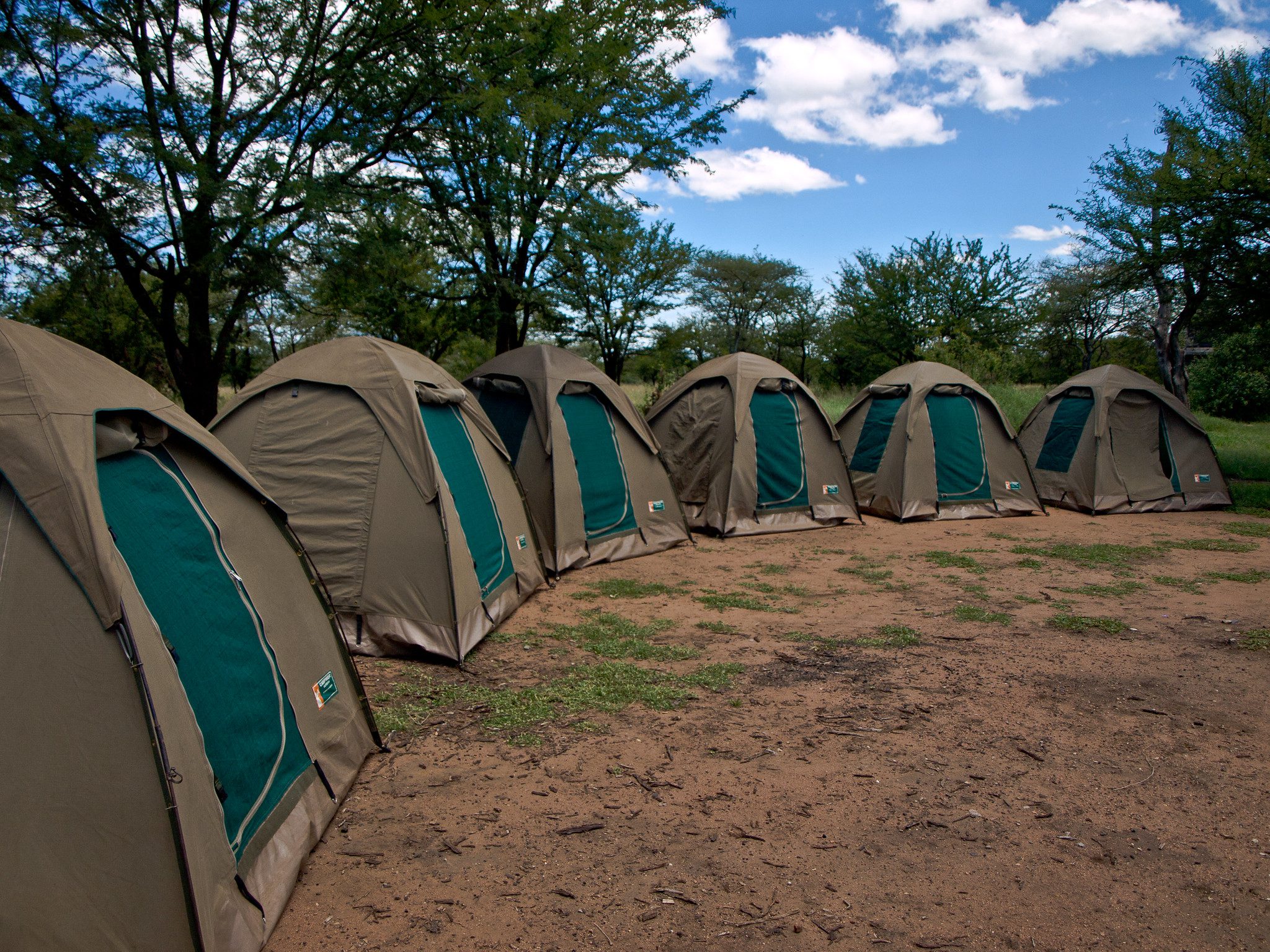
Tanzania Tented Safaris: An Immersive Journey Into Africa’s Wild Heart
Tanzania tented safaris represent one of the most authentic and immersive ways to experience African wildlife, combining the romance of traditional exploration with modern comfort and ecological sensitivity. Tanzania tented safaris have long been regarded as the gold standard for travelers seeking close encounters with nature while maintaining a refined sense of luxury and exclusivity. Rooted in the country’s vast wilderness landscapes, these safaris are designed to bring guests closer to the rhythms of the wild without disrupting them, allowing an intimate connection to some of the most iconic ecosystems on Earth.
Tanzania tented safaris are defined not only by where they take place but by how they are experienced. Unlike conventional lodges, tented camps are often situated deep within national parks and conservation areas, ensuring uninterrupted views, immediate access to wildlife corridors, and a heightened sense of being part of the environment rather than a visitor observing from afar. This form of safari travel has steadily grown in popularity due to its ability to deliver both adventure and comfort in equal measure, making it appealing to seasoned explorers and first-time safari travelers alike.
Understanding Tanzania Tented Safaris and Their Unique Appeal
Tanzania tented safaris are structured around semi-permanent or mobile camps that are carefully positioned in wildlife-rich areas. These camps are designed to blend seamlessly into the landscape, minimizing environmental impact while maximizing proximity to wildlife. Canvas tents, often spacious and elegantly furnished, are equipped with en-suite bathrooms, comfortable beds, and private verandas that open directly onto the wilderness.
The appeal of Tanzania tented safaris lies in their ability to preserve the essence of classic African exploration. The sounds of the savannah at night, the sight of wildlife passing near camp, and the absence of physical barriers between guests and nature create an atmosphere that cannot be replicated by traditional accommodations. This immersive quality has positioned Tanzania tented safaris as a preferred choice for travelers seeking authenticity without sacrificing comfort.
The Evolution of Tented Safaris in Tanzania
Tanzania tented safaris have their roots in early exploratory expeditions, when temporary camps were established to support wildlife research and hunting parties. Over time, these camps evolved into refined hospitality experiences, driven by a growing appreciation for conservation and responsible tourism. Modern Tanzania tented safaris now prioritize sustainability, community engagement, and conservation funding, ensuring that tourism contributes positively to local ecosystems and livelihoods.
The evolution of Tanzania tented safaris has also been shaped by technological advancements and improved logistics. Solar energy, eco-friendly waste management systems, and locally sourced materials are commonly integrated into camp design. These innovations allow tented camps to operate in remote areas without compromising environmental integrity, reinforcing Tanzania’s reputation as a leader in sustainable safari tourism.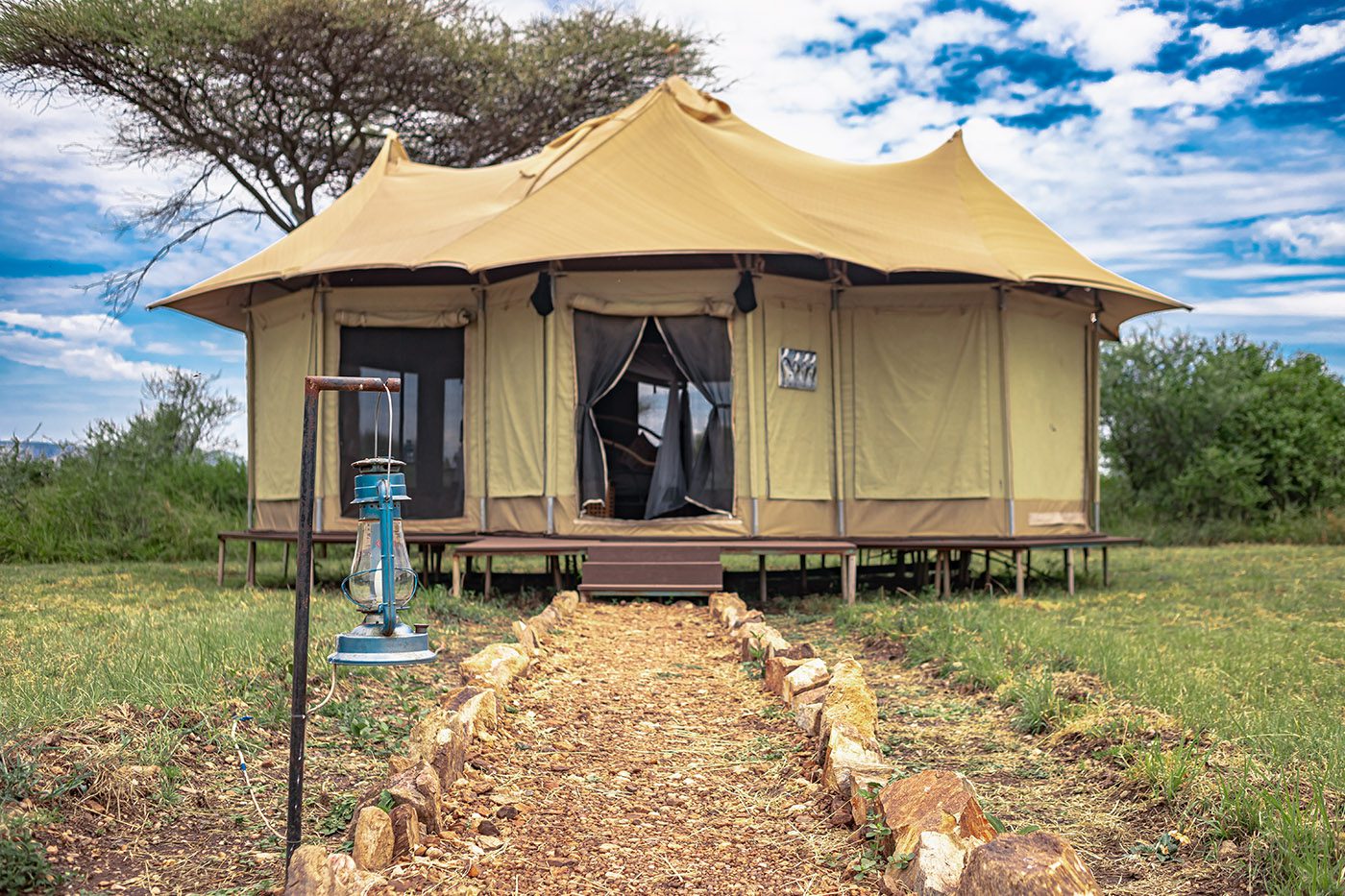
Prime Destinations for Tanzania Tented Safaris
Serengeti National Park and the Essence of Tented Safaris
Tanzania tented safaris are most famously associated with the Serengeti National Park, a vast expanse of grasslands and woodlands that hosts the world-renowned Great Migration. The Serengeti provides an unparalleled setting for tented camps, with seasonal movements of wildebeest, zebra, and predators shaping the safari experience throughout the year.
Tented camps in the Serengeti are often strategically relocated to follow the migration, allowing guests to witness river crossings, calving seasons, and dramatic predator-prey interactions. This mobility is a defining feature of Tanzania tented safaris, offering dynamic wildlife viewing opportunities that are closely aligned with natural cycles.
Ngorongoro Conservation Area and Elevated Safari Experiences
Tanzania tented safaris within the Ngorongoro Conservation Area offer a unique blend of wildlife density and cultural significance. The Ngorongoro Crater, a UNESCO World Heritage Site, supports an extraordinary concentration of animals within its volcanic caldera. Tented camps located along the crater rim or nearby highlands provide sweeping views and cooler climates, enhancing the overall safari experience.
These Tanzania tented safaris are often complemented by cultural interactions with Maasai communities, whose traditional lifestyles coexist with wildlife conservation efforts. Such experiences add depth and context to the safari journey, highlighting the interconnectedness of people, land, and wildlife.
Tarangire National Park and Intimate Wilderness Encounters
Tanzania tented safaris in Tarangire National Park are characterized by a sense of seclusion and intimacy. Known for its large elephant herds, ancient baobab trees, and seasonal river systems, Tarangire offers a quieter alternative to more frequented parks. Tented camps here are typically smaller and more exclusive, emphasizing personalized service and immersive nature experiences.
The appeal of Tanzania tented safaris in Tarangire lies in the diversity of landscapes and the opportunity to observe wildlife behaviors away from crowded routes. Game drives, walking safaris, and night excursions are often incorporated, providing varied perspectives on the ecosystem.
Ruaha National Park and the Remote Safari Frontier
Tanzania tented safaris in Ruaha National Park cater to travelers seeking remote and less-explored destinations. As one of Tanzania’s largest national parks, Ruaha offers rugged terrain, dramatic river systems, and high predator concentrations. Tented camps in this region are designed to maximize isolation and exclusivity, creating a true wilderness experience.
The remoteness of Ruaha enhances the appeal of Tanzania tented safaris by delivering unfiltered encounters with nature. Wildlife sightings are often accompanied by a profound sense of solitude, reinforcing the park’s reputation as a haven for adventurous safari enthusiasts.
Accommodation Styles Within Tanzania Tented Safaris
Tanzania tented safaris encompass a range of accommodation styles, each catering to different preferences and expectations. Luxury tented camps feature expansive tents with refined interiors, gourmet dining, and private butler services. These camps are designed to rival high-end lodges while maintaining the intimacy and authenticity of canvas living.
Mid-range Tanzania tented safaris balance comfort and value, offering well-appointed tents with essential amenities and attentive service. These camps are popular among travelers seeking immersive experiences without excessive indulgence.
Mobile tented safaris represent the most traditional form, involving temporary camps that move seasonally. This style allows for maximum flexibility and access to prime wildlife viewing areas, appealing to photographers and wildlife enthusiasts focused on specific natural events.
Wildlife Encounters and Safari Activities
Tanzania tented safaris are centered around exceptional wildlife encounters, facilitated by expert guides with in-depth knowledge of local ecosystems. Game drives are conducted in open vehicles, allowing unobstructed views and close observation of animals in their natural habitats.
Beyond game drives, Tanzania tented safaris often include walking safaris led by armed rangers. These excursions provide an intimate understanding of the environment, focusing on tracks, vegetation, and smaller wildlife often overlooked during vehicle-based safaris.
Night safaris, where permitted, reveal nocturnal species and behaviors that add a new dimension to the safari experience. These activities are carefully regulated to ensure minimal disturbance to wildlife, aligning with conservation principles.
The Role of Guides in Tanzania Tented Safaris
The quality of Tanzania tented safaris is closely linked to the expertise of safari guides. Guides are typically trained in wildlife biology, tracking, and conservation, enabling them to interpret animal behavior and ecological relationships with authority and insight.
In Tanzania tented safaris, guides also serve as cultural ambassadors, sharing knowledge about local communities, history, and conservation challenges. Their ability to tailor experiences to guest interests enhances satisfaction and fosters a deeper appreciation for the natural world.
Sustainability and Conservation in Tanzania Tented Safaris
Tanzania tented safaris are increasingly recognized for their contribution to conservation and sustainable tourism. Camps are designed to operate with minimal environmental footprints, utilizing renewable energy, water conservation systems, and biodegradable materials.
Revenue generated from Tanzania tented safaris supports wildlife protection initiatives, anti-poaching efforts, and community development projects. Employment opportunities for local residents further strengthen the link between conservation and economic empowerment, ensuring long-term benefits for both people and wildlife.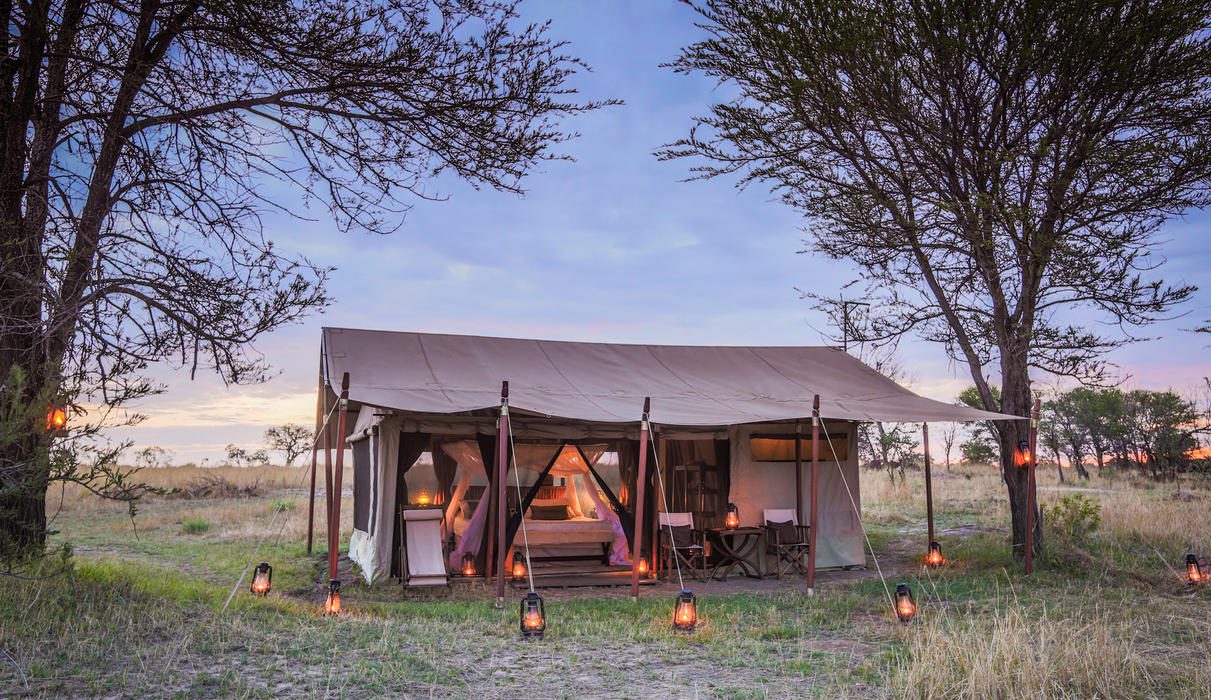
Seasonal Considerations for Tanzania Tented Safaris
The experience of Tanzania tented safaris varies throughout the year, influenced by rainfall patterns and wildlife movements. The dry season, typically from June to October, is favored for wildlife viewing due to concentrated animal activity around water sources.
The green season, from November to May, offers lush landscapes, fewer visitors, and exceptional birdlife. Tanzania tented safaris during this period are valued for their scenic beauty and photographic opportunities, particularly during calving seasons.
Understanding seasonal dynamics is essential for selecting the most suitable Tanzania tented safari itinerary, ensuring alignment with individual interests and expectations.
Cultural Dimensions of Tanzania Tented Safaris
Tanzania tented safaris often incorporate cultural elements that enrich the overall journey. Visits to local villages, guided by community members, provide insights into traditional lifestyles and contemporary challenges.
These interactions are conducted with respect and sensitivity, emphasizing mutual learning and cultural exchange. By integrating cultural experiences, Tanzania tented safaris foster a holistic understanding of the landscapes and societies that define the country.
Culinary Experiences in Tanzania Tented Safaris
Dining is an integral aspect of Tanzania tented safaris, reflecting both local flavors and international influences. Meals are typically prepared by skilled chefs using fresh, locally sourced ingredients, ensuring quality and sustainability.
Bush dining experiences, such as breakfasts in the open savannah or candlelit dinners under the stars, enhance the sensory appeal of Tanzania tented safaris. These moments contribute to lasting memories, blending gastronomy with the natural environment.
Safety and Comfort in the Wilderness
Despite their remote settings, Tanzania tented safaris prioritize safety and comfort. Camps adhere to strict safety protocols, including secure camp layouts, trained staff, and clear guidelines for guest movement.
Comfort is ensured through thoughtful design, quality furnishings, and attentive service. The balance between safety, comfort, and immersion is a defining characteristic of Tanzania tented safaris, allowing guests to relax and fully engage with their surroundings.
Who Should Choose Tanzania Tented Safaris
Tanzania tented safaris are suited to a wide range of travelers, from couples seeking romantic escapes to families and solo adventurers. Their adaptability and variety make them accessible to different travel styles and budgets.
Photographers, wildlife enthusiasts, and conservation-minded travelers are particularly drawn to Tanzania tented safaris due to their proximity to wildlife and commitment to sustainable practices.
The Enduring Allure of Tanzania Tented Safaris
Tanzania tented safaris continue to captivate travelers by offering a rare combination of authenticity, comfort, and ecological responsibility. They provide a gateway to some of Africa’s most iconic landscapes while fostering meaningful connections to nature and culture.
As interest in experiential and sustainable travel grows, Tanzania tented safaris are poised to remain at the forefront of global safari tourism. Their ability to deliver transformative experiences ensures that they are not merely vacations but journeys that leave lasting impressions.