Tanzania vs Kenya: Which Country Offers the Best Wildlife Safaris?
For decades, Tanzania and Kenya have stood at the pinnacle of African safari travel. These two East African giants share vast ecosystems, dramatic landscapes, and extraordinary wildlife biodiversity. They are home to the Great Migration, the Big Five, ancient cultures, and national parks that define the very essence of a safari. For many travellers planning their dream African adventure, the question often arises: Which country offers the best wildlife safaris—Tanzania or Kenya?
The answer is neither simple nor uniform. Both countries boast world-class safari experiences. Both offer breathtaking natural scenery, flourishing populations of iconic animals, and deeply rooted cultural heritage. Yet they cater to slightly different travel styles, expectations, and priorities. Understanding what sets them apart—and what unites them—is essential for travellers seeking the most fulfilling safari experience.
This comprehensive guide explores Tanzania and Kenya through the lenses of wildlife, landscapes, safari styles, conservation, cultural experiences, accommodation, value, and overall travel logistics. By the end, you’ll have a clearer understanding of which destination best aligns with your safari goals, and why Tanzania continues to be a top choice for travellers seeking authenticity, diversity, and immersive wildlife encounters.
Shared Heritage: The Great Migration and the Serengeti–Mara Ecosystem
One of the strongest links between Tanzania and Kenya is the Serengeti–Mara ecosystem, one of the world’s most important wildlife corridors. This shared ecosystem spans the Serengeti National Park in Tanzania and the Maasai Mara National Reserve in Kenya. It is home to the Great Migration—the largest overland movement of animals in the world.
Every year, more than 1.5 million wildebeest, 200,000 zebras, and thousands of gazelles undertake a circular journey in search of fresh grazing. The migration unfolds primarily in Tanzania, where the herds spend over 70% of the year, particularly during the calving season in the southern Serengeti, the green season movement through the central plains, and the western corridor crossings of the Grumeti River.
Kenya hosts the dramatic Mara River crossings from July to September or October, offering high-stakes scenes where animals face crocodile-infested waters and treacherous currents. Both countries play essential roles in this extraordinary event, but Tanzania offers longer and more varied opportunities to experience different phases of the migration.
Wildlife Density and Diversity
Both Tanzania and Kenya are rich in wildlife, but Tanzania has the advantage of scale. With larger parks, fewer fences, and greater unbroken wilderness, Tanzania often offers a more naturalistic and expansive safari experience.
Tanzania is home to the Big Five—lion, leopard, buffalo, elephant, and rhino—in healthy numbers across multiple parks. The Serengeti is known for its predator densities, particularly lions and cheetahs, while Ngorongoro Crater offers some of the continent’s most consistent Big Five sightings within a confined, stunning landscape.
Kenya equally excels in wildlife variety and density, especially in the Maasai Mara, Amboseli, Tsavo, Samburu, and Laikipia conservancies. Kenya’s private conservancies often allow visitors to engage in night drives, walking safaris, and off-road experiences unavailable in many national parks. This gives travellers a sense of exclusivity and intimacy that complements Kenya’s wildlife encounters.
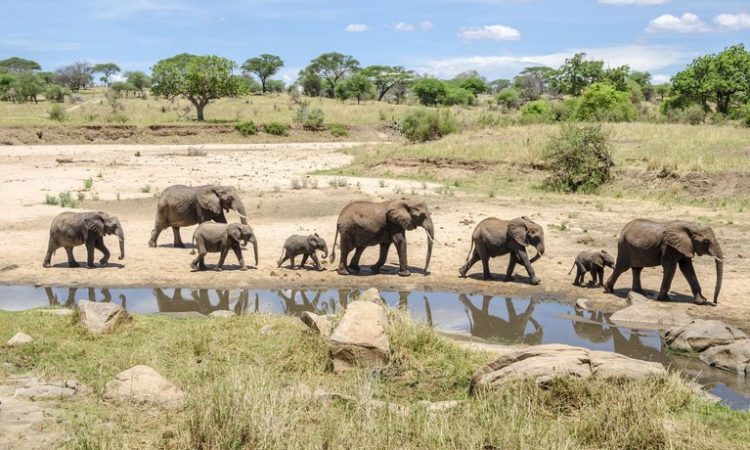
Yet Tanzania’s landscapes support enormous wildlife populations. Tarangire hosts one of East Africa’s largest elephant concentrations. Nyerere National Park (Selous) and Ruaha teem with predators, large herbivores, and wild dogs. The sheer scale and biodiversity of Tanzania’s conservation areas often outweigh those of its northern neighbor, giving Tanzania a distinct ecological edge.
Landscapes and Scenery
Landscape diversity plays a significant role in shaping safari experiences. Tanzania offers some of the most dramatic and varied scenery on the continent—from the volcanic bowl of Ngorongoro Crater to the vast Serengeti plains, towering baobabs of Tarangire, and rugged wilderness of Ruaha and Nyerere.
The country also boasts Mount Kilimanjaro, Africa’s highest peak, and Mount Meru, which serves as a stunning backdrop to Arusha National Park. The Rift Valley lakes of Manyara and Natron add geological beauty, while remote regions like Mahale and Katavi offer forests, mountains, and lake shores in untouched forms.
Kenya’s landscapes are equally beautiful but more compact. The savannahs of the Maasai Mara, the iconic views of Kilimanjaro from Amboseli, and the red-earth plains of Tsavo form Kenya’s visual identity. The northern regions of Samburu and Laikipia provide dramatic arid landscapes and rare wildlife species.
Overall, Tanzania’s landscapes feel more expansive, remote, and varied, while Kenya’s offer iconic beauty with easier accessibility.
Crowd Levels and Safari Atmosphere
For many travellers, the atmosphere and crowd levels are decisive factors in choosing between the two countries.
Kenya, particularly the Maasai Mara, can become crowded during migration season. Its smaller size and larger number of accessible lodges and camps mean that wildlife sightings often attract several vehicles.
Tanzania, by contrast, emphasizes low-impact tourism. The Serengeti is vast, able to disperse visitors across many regions. Ngorongoro can become busy during peak months, but parks like Tarangire, Ruaha, Nyerere, and Katavi offer extraordinary wildlife viewing with few other visitors.
For travellers seeking solitude, intimacy, and a sense of unspoiled wilderness, Tanzania holds a significant advantage.
Cultural Encounters and Human Heritage
Both Tanzania and Kenya offer profound cultural experiences rooted in ancient traditions.
Kenya’s Maasai communities are renowned for cultural tourism, with many villages near the Maasai Mara welcoming visitors. Kenya’s Samburu people also offer captivating cultural interactions in the northern region.
Tanzania is equally rich in cultural diversity. The Maasai inhabit northern Tanzania, particularly around Ngorongoro and Serengeti. The Hadzabe hunter–gatherers and Datoga smiths in the Lake Eyasi region provide some of Africa’s most authentic cultural encounters. The Chagga people of Mount Kilimanjaro, the Sukuma of northern Tanzania, and coastal Swahili communities add further layers of tradition and heritage.
Tanzania also hosts Olduvai Gorge—the Cradle of Humankind—where some of the world’s earliest human fossils were discovered. This site offers historical and scientific depth unique to Tanzania.
Types of Safari Experiences
Kenya and Tanzania both excel in offering different styles of safaris.
In Tanzania, classic game drives are the main focus, supported by optional walking safaris, fly camping, and hot-air balloon experiences. Tanzania’s vast landscapes, dense predator populations, and migration events make it one of the world’s premier destinations for vehicle-based wildlife viewing.
Kenya is strong in diversified safari experiences, especially within private conservancies. These include night game drives, horseback safaris, camel trekking, and off-road tracking—activities that add creative variety to traditional game-viewing experiences.
Travellers who want a wider range of activities may gravitate toward Kenya. Those who prioritize wildlife density, dramatic natural events, and large ecosystems tend to prefer Tanzania.
Accommodation Options and Comfort Levels
Kenya offers a wide variety of accommodation, from ultra-luxury lodges to more affordable camps. Private conservancies often feature high-end eco-lodges that deliver exclusivity and premium guest services.
Tanzania mirrors Kenya’s luxury offerings, especially in the Serengeti, Ngorongoro, and northern circuit. Mobile camps in the Serengeti provide front-row seating to the migration, while southern parks offer intimate lodges ideal for low-volume tourism.
While Kenya’s accommodation is slightly more varied in mid-range to budget tiers, Tanzania excels in offering luxury wilderness lodges set in larger, more isolated conservation areas.
Accessibility and Travel Logistics
Kenya is often considered more accessible for shorter safaris due to its compact geography. Travellers can easily explore multiple parks in a few days, especially in the southern region where Amboseli, Tsavo, and the Mara are relatively close.
Tanzania’s northern circuit is also efficient but covers greater distances, offering larger reserves and varied landscapes. Bush flights between parks simplify travel, making even remote regions accessible.
For travellers with limited time, Kenya may offer a quicker option. For those with flexibility, Tanzania’s vastness provides a deeper, more layered experience.
Cost Considerations
Both countries offer safari experiences for a range of budgets, from mid-range to ultra-luxury. Kenya can be slightly more affordable due to proximity between parks and diverse accommodation options. Meanwhile, Tanzania offers exceptional value for the scale, wildlife density, and exclusivity it provides.
Travellers seeking the highest return on investment in terms of wildlife and scenery often find Tanzania the better choice.
Conservation Models and Sustainability
Conservation in both Tanzania and Kenya is strong, though each country takes different approaches.
Kenya’s private conservancies play a crucial role in wildlife protection, creating models that benefit local communities directly. These conservancies allow controlled tourism, ensuring sustainability and ecological balance.
Tanzania relies on vast national parks and game reserves with strict protection laws. Parks like Serengeti, Ruaha, and Nyerere form some of the world’s largest wildlife areas. Tanzania prioritizes low-density tourism, reducing environmental impact and preserving the wilderness for future generations.
Both systems have strengths, but Tanzania’s emphasis on large, untouched ecosystems often attracts conservation-minded travellers.
Tanzania vs Kenya: Which is Best for First-Time Safari Travellers?
First-time safari-goers often seek a combination of high wildlife density, iconic scenery, and ease of logistics. Tanzania’s northern circuit offers all of this, making it an outstanding destination for first-time visitors. Serengeti and Ngorongoro provide everything that travellers expect from a safari—Big Five sightings, dramatic landscapes, and extraordinary natural events.
Kenya is also a fantastic option for first-time travellers, especially those who value cultural experiences and shorter travel distances.
However, Tanzania’s scale, diversity, and year-round wildlife abundance give it a slight edge for travellers wanting a quintessential safari.
Tanzania vs Kenya: Which is Best for Experienced Safari Travellers?
Seasoned travellers often seek remote destinations, fewer crowds, and unique experiences. Tanzania offers exceptional depth with parks like Ruaha, Nyerere, Katavi, and Mahale—places that feel untouched, wild, and deeply immersive.
Kenya’s conservancies offer personalized experiences and varied activities that appeal to experienced safari enthusiasts.
Both countries excel for repeat travellers, but Tanzania’s wilderness expanses provide unmatched adventurous appeal.
Emotional and Experiential Differences
A safari is more than sightings—it is a journey of emotion and connection. Tanzania often evokes a sense of vastness, ancient natural rhythm, and deep immersion in wilderness. The Serengeti can make travellers feel small in the best possible way, as millions of animals move in harmony across timeless landscapes.
Kenya, in contrast, often provides intimate and varied safari experiences with strong cultural engagements and close-up wildlife encounters in private conservancies.
Safari atmospheres differ, and these emotional nuances are a key consideration for travellers choosing between the two.
Why Tanzania Often Emerges as the Ultimate Safari Destination
While both countries are exceptional, Tanzania frequently stands out for travellers prioritizing wildlife density, migration experiences, vast landscapes, and exclusivity. The Serengeti alone offers more migration-viewing opportunities than the Mara. Ngorongoro Crater is unmatched in its wildlife concentration and geological beauty. Tarangire, Ruaha, and Nyerere provide elephant spectacles, predator encounters, and remote adventures few destinations can rival.
Tanzania’s diversity—from the plains to the crater highlands, baobab forests, lakes, mountains, and tropical chimpanzee regions—creates a richness unmatched anywhere else in Africa.
Why You Should Book With a Trusted Tour Operator
A safari in Tanzania or Kenya requires expert planning, knowledge of seasonal movements, and access to the best locations at the right time. Travellers seeking a seamless, well-crafted safari—whether comparing countries or choosing Tanzania—should rely on an experienced operator who understands both the logistics and the emotional impact of a safari.
For those inspired to explore the magnificent landscapes and wildlife of Tanzania, Wildlife Safaris Tanzania offers exceptional expertise, personalized itineraries, and professional guiding that ensures every moment of your safari is unforgettable.