Tanzania Wildlife: A Comprehensive Guide to One of Africa’s Greatest Natural Treasures
Tanzania wildlife represents one of the richest, most diverse, and most intact ecosystems on Earth. Few countries can rival Tanzania in terms of wildlife abundance, habitat variety, and long-term conservation success. From the sweeping plains of the Serengeti to the lush forests of Mahale and the vast wetlands of Nyerere National Park, Tanzania is a living showcase of Africa’s natural heritage. Wildlife is not only central to Tanzania’s identity but also fundamental to its economy, culture, and global conservation importance.
This in-depth guide explores Tanzania wildlife in its full scope, covering major animal species, ecosystems, migration patterns, conservation efforts, and the reasons Tanzania continues to be regarded as one of the world’s premier wildlife destinations. Designed to inform travelers, researchers, and wildlife enthusiasts alike, this article provides a detailed, authoritative, and experience-based perspective on what makes Tanzania wildlife truly exceptional.
By the end of this guide, readers will understand why Tanzania stands at the pinnacle of global wildlife destinations and how its ecosystems continue to thrive despite modern challenges.
Understanding the Importance of Tanzania Wildlife
To fully appreciate Tanzania wildlife, it is essential to understand the scale and diversity of the country’s natural environment. Tanzania contains over 30 percent protected land, including national parks, conservation areas, marine parks, and game reserves. This commitment to preservation has allowed wildlife populations to remain relatively stable compared to many other regions in Africa.
Tanzania’s wildlife significance extends beyond tourism. Its ecosystems play a critical role in global biodiversity, climate regulation, and scientific research. Many species found in Tanzania depend on large, interconnected landscapes that support natural migration, breeding, and predator-prey dynamics.
This holistic approach to conservation has positioned Tanzania as a global leader in wildlife protection and sustainable nature-based tourism.
The Big Five and Iconic Species of Tanzania Wildlife
The Big Five are often the starting point for discussions about Tanzania wildlife. Lions, elephants, leopards, rhinoceroses, and buffaloes are all present in Tanzania, with some of the largest and most visible populations on the continent.
Tanzania is particularly famous for its lion population, which is estimated to be among the largest in Africa. Lions are commonly seen in the Serengeti, Ngorongoro Conservation Area, Ruaha National Park, and Tarangire National Park. Their social behavior, hunting strategies, and interactions with other predators are among the most studied in the world.
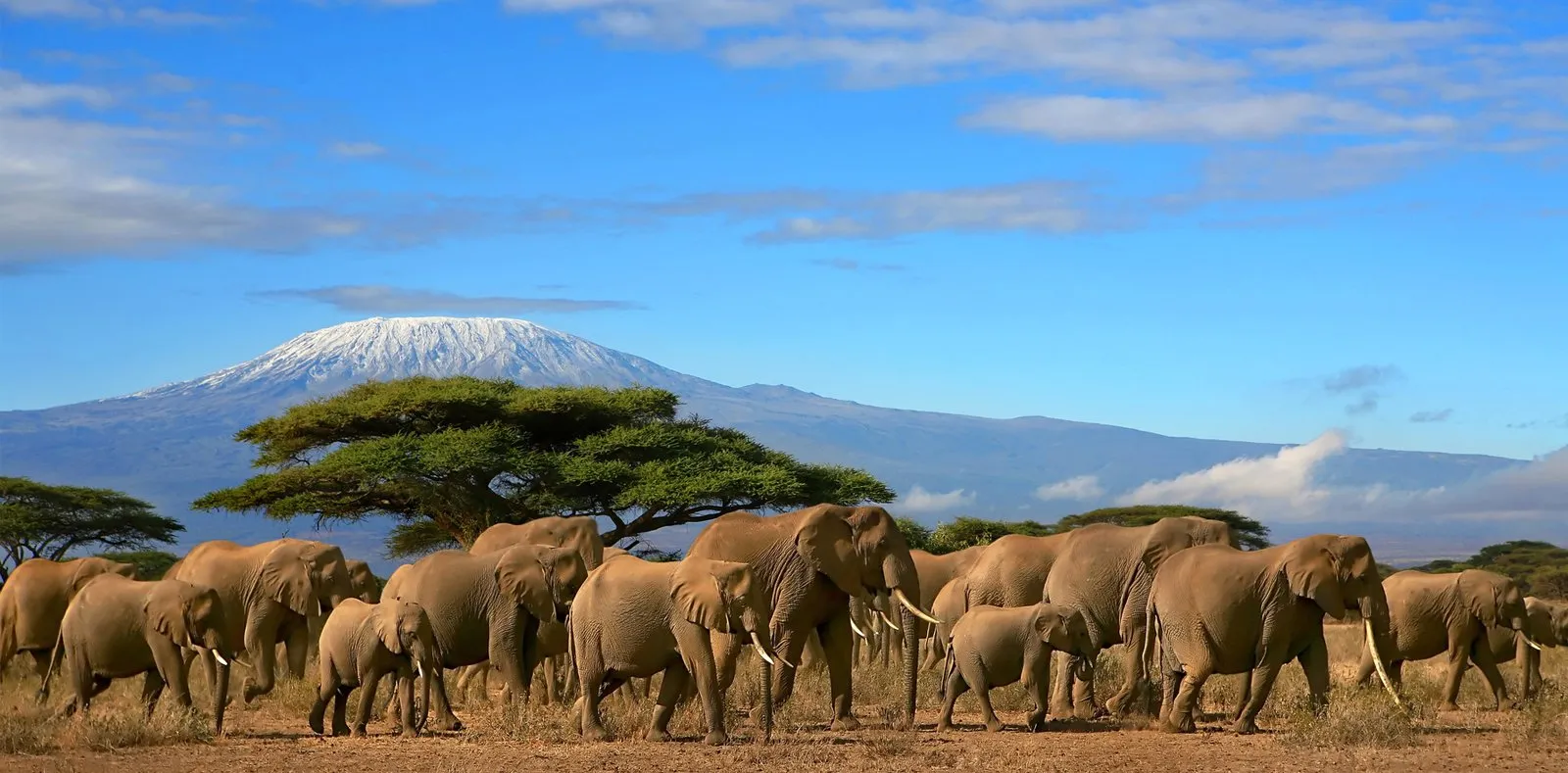
African elephants are another cornerstone of Tanzania wildlife. Tarangire National Park and Ruaha National Park support massive elephant populations that migrate seasonally in search of water and grazing. These elephants play a crucial ecological role by shaping landscapes, dispersing seeds, and creating habitats for other species.
Leopards, while elusive, are widespread across Tanzania and are particularly well observed in riverine forests and wooded savannahs. Buffaloes are abundant and adaptable, forming large herds that roam across many parks. Black rhinoceroses, though critically endangered, survive in protected areas such as Ngorongoro Crater under intensive conservation management.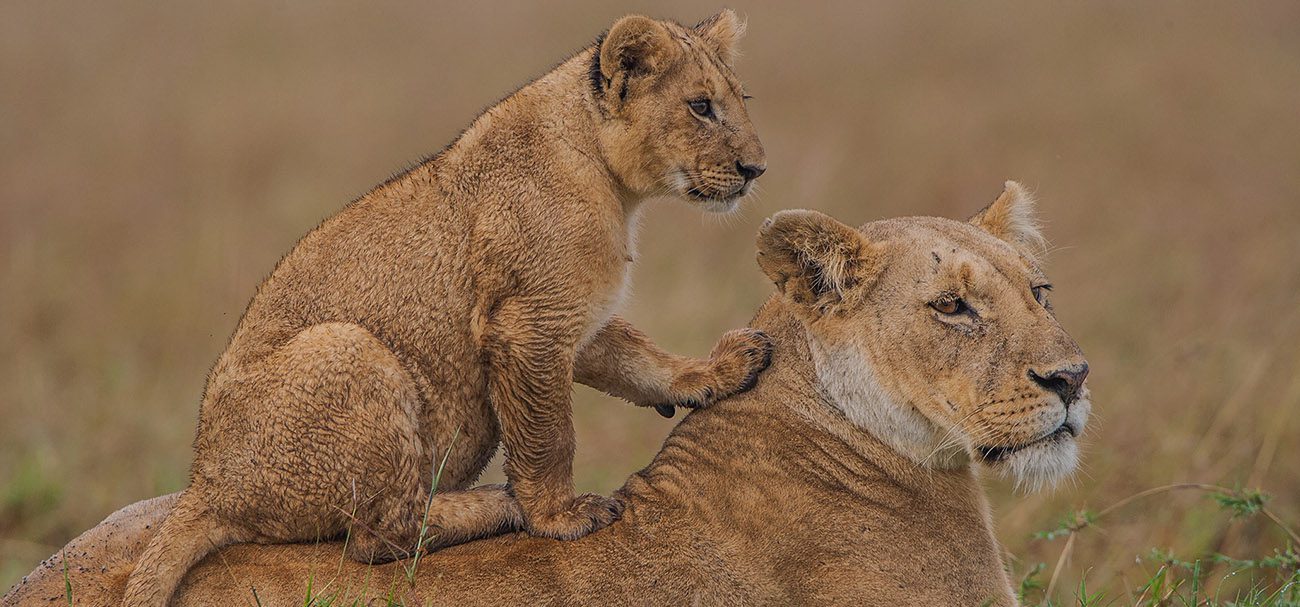
The Great Wildebeest Migration and Its Global Significance
One of the defining features of Tanzania wildlife is the Great Wildebeest Migration. This annual movement of over two million wildebeest, zebras, and gazelles across the Serengeti ecosystem is the largest terrestrial migration on the planet.
The migration is driven by rainfall patterns and the availability of fresh grazing. It is not a single event but a continuous cycle that unfolds throughout the year. Calving occurs in the southern Serengeti, while dramatic river crossings take place in the northern Serengeti as animals move toward the Maasai Mara in Kenya.
This migration sustains predators, scavengers, and countless other species, making it a cornerstone of the entire ecosystem. The Great Migration is not only a wildlife spectacle but also a powerful symbol of ecological balance and resilience.
Predator Diversity and Dynamics
Beyond the Big Five, Tanzania wildlife includes an extraordinary array of predators. Cheetahs thrive in the open plains of the Serengeti, where speed and visibility favor their hunting style. Tanzania is one of the best places in the world to observe cheetah behavior, including daytime hunts and maternal care.
Spotted hyenas are among the most abundant large carnivores in Tanzania. Often misunderstood, they are highly intelligent, socially complex, and efficient hunters. Their presence is essential for maintaining healthy ecosystems by controlling prey populations and scavenging carcasses.
African wild dogs, also known as painted wolves, are found in select areas such as Ruaha and Nyerere National Park. These highly endangered predators require large territories and are sensitive to human disturbance, making their presence an indicator of ecosystem health.
Smaller predators, including servals, caracals, jackals, and various mongoose species, contribute to the intricate food web that defines Tanzania wildlife.
Herbivores and Grazing Species
The richness of Tanzania wildlife is strongly reflected in its herbivore populations. Antelope species are particularly diverse, ranging from massive eland to graceful impala and elusive dik-dik.
Zebras are widespread and often accompany wildebeest during migration, benefiting from their complementary grazing strategies. Giraffes browse on acacia trees across many regions, playing a key role in shaping vegetation structure.
Hippos and crocodiles dominate river systems and wetlands, particularly in parks such as Serengeti, Katavi, and Nyerere. These semi-aquatic species influence water ecosystems through grazing, movement, and nutrient cycling.
The abundance and diversity of herbivores form the foundation of Tanzania’s wildlife ecosystems, supporting predators and maintaining ecological balance.
Birdlife and Avian Diversity
Tanzania wildlife is not limited to mammals. The country is home to over 1,100 bird species, making it one of Africa’s top birding destinations. Habitats range from alkaline lakes and coastal mangroves to montane forests and savannahs.
Flamingos gather in massive numbers at lakes such as Natron and Manyara, creating striking visual displays. Birds of prey, including martial eagles, bateleurs, and fish eagles, are commonly observed and reflect healthy food chains.
Migratory birds from Europe and Asia add seasonal diversity, particularly during the green season. Endemic species, such as the Udzungwa forest partridge, highlight Tanzania’s unique evolutionary history.
Birdlife adds depth and color to Tanzania wildlife experiences and appeals to both casual observers and dedicated ornithologists.
Aquatic and Marine Wildlife
While often overshadowed by terrestrial safaris, aquatic ecosystems are an essential part of Tanzania wildlife. Freshwater habitats support fish species, amphibians, and reptiles that play key ecological roles.
Tanzania’s coastline and islands, including Zanzibar and Mafia, host vibrant marine ecosystems. Coral reefs support a wide range of fish species, dolphins, turtles, and seasonal whale sharks.
Marine conservation areas protect these ecosystems from overfishing and environmental degradation, contributing to biodiversity preservation both on land and at sea.
Unique Ecosystems That Support Tanzania Wildlife
Tanzania’s wildlife diversity is closely linked to its varied ecosystems. The Serengeti plains support large herbivore herds and predators, while the Ngorongoro Crater creates a natural wildlife enclosure with exceptionally high density.
Mountain ecosystems, such as those found on Mount Kilimanjaro and Mount Meru, support unique plant and animal communities adapted to altitude. Forests in western Tanzania provide habitat for chimpanzees and other primates, adding another dimension to Tanzania wildlife.
Wetlands, rivers, and lakes act as ecological lifelines, sustaining animals during dry seasons and supporting migratory species.
Primate Wildlife in Tanzania
Primates represent a distinctive component of Tanzania wildlife. Chimpanzees are found in Mahale Mountains National Park and Gombe Stream National Park, where long-term research has provided unparalleled insight into primate behavior.
These forest habitats contrast sharply with savannah ecosystems, offering a completely different wildlife experience. Encounters with chimpanzees are intimate and deeply impactful, emphasizing the cognitive and social complexity of our closest relatives.
Other primates, including baboons, colobus monkeys, and vervet monkeys, are widespread and adapt well to diverse environments.
Conservation and Protection of Tanzania Wildlife
Conservation is central to the survival of Tanzania wildlife. The country employs a mix of national parks, conservation areas, community-based initiatives, and international partnerships to protect its ecosystems.
Anti-poaching efforts, habitat protection, and sustainable tourism models have contributed to the recovery of several species. Community involvement plays a growing role, ensuring that local populations benefit from wildlife conservation through employment and revenue sharing.
Challenges remain, including human-wildlife conflict, climate change, and illegal wildlife trade. However, Tanzania’s long-term commitment to conservation provides a strong foundation for future success.
The Role of Tourism in Supporting Wildlife
Wildlife tourism is one of the most important economic pillars supporting Tanzania wildlife. Revenue generated from park fees, lodges, and safari operations funds conservation initiatives and supports local communities.
Well-regulated tourism ensures that wildlife viewing does not compromise animal welfare or habitat integrity. Tanzania’s low-volume, high-value tourism model prioritizes sustainability over mass visitation.
Responsible travel choices by visitors directly contribute to the protection of wildlife and natural landscapes.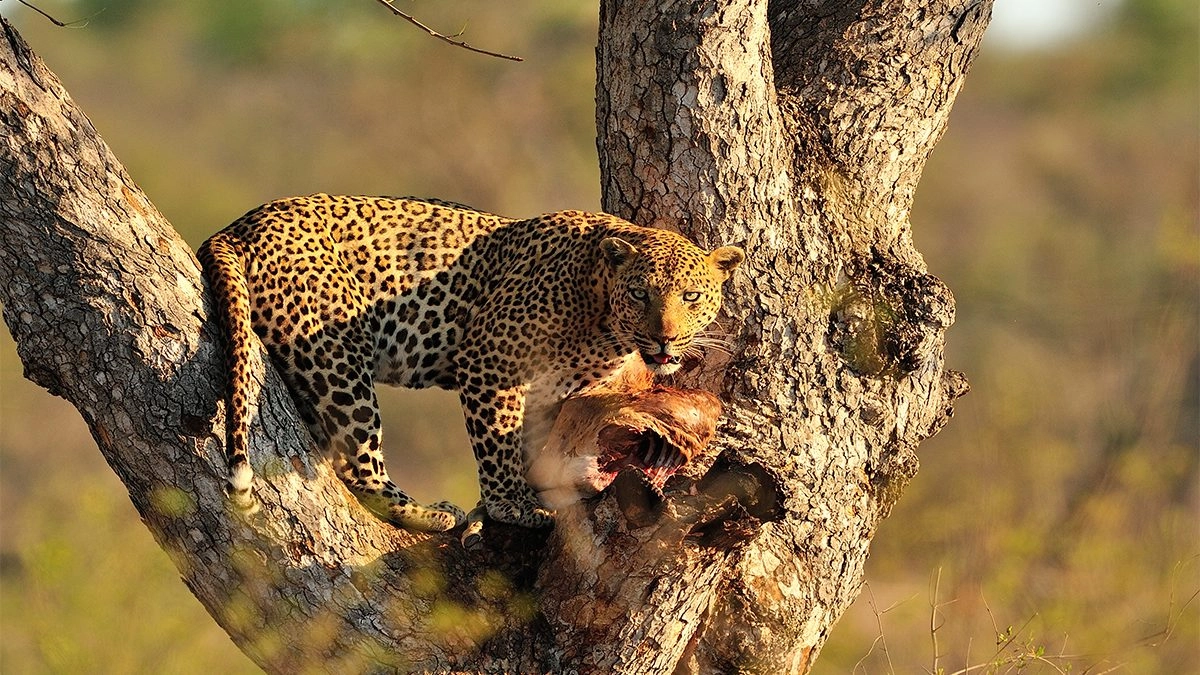
Seasonal Changes and Wildlife Behavior
Seasonality plays a major role in shaping Tanzania wildlife experiences. Dry seasons concentrate animals around water sources, making wildlife viewing easier. Wet seasons transform landscapes and trigger breeding cycles, migration movements, and increased bird activity.
Understanding seasonal patterns enhances appreciation of animal behavior and ecosystem dynamics. Tanzania’s year-round wildlife presence ensures that each season offers unique opportunities.
Why Tanzania Wildlife Stands Apart Globally
What sets Tanzania wildlife apart is not only abundance, but authenticity. Large, unfenced ecosystems allow animals to behave naturally, free from artificial boundaries. Predator-prey interactions unfold without human interference, creating genuine wilderness experiences.
Tanzania’s landscapes remain vast and largely undeveloped, preserving the sense of scale and timelessness that defines classic African wildlife imagery.
This authenticity is increasingly rare in a rapidly changing world and is one of Tanzania’s greatest strengths.
The Future of Tanzania Wildlife
The future of Tanzania wildlife depends on continued conservation investment, responsible tourism, and global cooperation. Climate change presents new challenges, affecting rainfall patterns, vegetation, and migration routes.
Innovation in conservation technology, community engagement, and policy development offers hope for long-term sustainability. Education and awareness, both locally and internationally, play a crucial role in safeguarding Tanzania’s natural heritage.
With ongoing commitment, Tanzania wildlife can continue to thrive for generations to come.
Final Thoughts on Tanzania Wildlife
Tanzania wildlife represents one of the planet’s most extraordinary natural assets. Its ecosystems support unmatched biodiversity, iconic species, and complex ecological processes that continue to inspire wonder and scientific discovery. From the thunder of migrating wildebeest to the quiet watchfulness of a leopard in the trees, Tanzania offers wildlife experiences that are both profound and transformative.
Whether viewed through the lens of conservation, tourism, or pure appreciation of nature, Tanzania wildlife stands as a global benchmark for what is possible when protection, respect, and sustainable use align.