The Apex of Wildlife Safaris Tanzania and Deep in Serengeti National Park
Tanzania stands as the undisputed heart of African wildlife safaris, a land where nature still reigns supreme and ancient rhythms continue uninterrupted. From the sweeping plains of the Serengeti to the dramatic depths of the Ngorongoro Crater, wildlife safaris Tanzania offer something far beyond simple game viewing—they offer immersion into one of the last great natural spectacles on Earth. Here, predators and prey follow timeless patterns, rivers become stages for survival, and vast horizons stretch endlessly beneath golden skies.
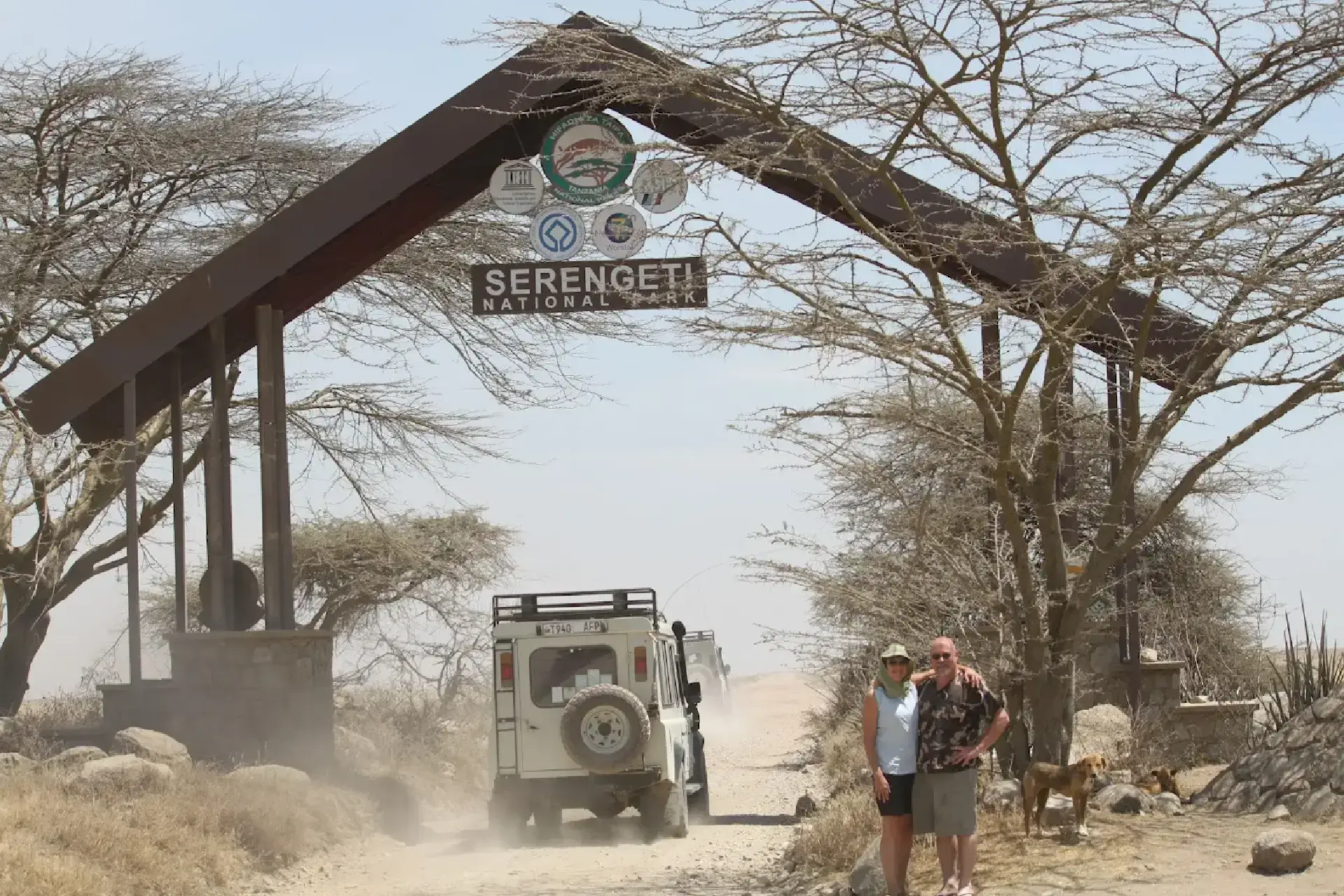
At the apex of these experiences lies Serengeti National Park, a name that has become synonymous with authentic African safari adventure. “Serengeti” comes from the Maasai word Siringet, meaning “the place where the land runs forever,” and few descriptions are more fitting. This is a wilderness on a monumental scale, home to the largest concentration of plains game in Africa and the backdrop to the Great Wildebeest Migration—often called the greatest wildlife show on the planet.
Wildlife safaris Tanzania are not only about animals; they are about landscapes, cultures, seasons, and stories written in dust and hoofprints. Whether you are a first-time safari traveler or a seasoned explorer returning for deeper discovery, Tanzania delivers an experience that feels raw, powerful, and profoundly moving. This piece explores why Tanzania, and especially the Serengeti, represents the pinnacle of safari travel, diving deep into its ecosystems, iconic wildlife, seasonal wonders, and unforgettable experiences.
Popular Safari Packages
Serengeti: The True Wilderness of Wildlife Safaris Tanzania
The Serengeti is not merely a national park—it is a living, breathing ecosystem that defines the soul of wildlife safaris Tanzania. Covering approximately 14,750 square kilometers, the Serengeti is vast enough to swallow time itself. Here, roads fade into the grasslands, and the modern world feels impossibly distant.
What makes the Serengeti unique is its ecological integrity. Unlike many protected areas, the Serengeti ecosystem extends beyond park boundaries, linking with the Maasai Mara in Kenya and forming one of the last remaining large-scale migratory systems on Earth. This continuity allows wildlife to move freely, driven by rain, grass growth, and instinct.
The landscape shifts dramatically as you travel through the park. Endless short-grass plains dominate the south, acacia-dotted savannahs spread across the central region, and riverine forests and rolling hills define the north. Each area supports different wildlife concentrations, making every journey through the Serengeti a constantly evolving experience.
Predators thrive here in remarkable numbers. Lions lounge on kopjes like ancient kings, cheetahs scan the plains with aerodynamic precision, and leopards melt into the shadows of sausage trees. Hyenas laugh into the night, while jackals, servals, and bat-eared foxes add to the rich carnivore tapestry. For travelers seeking the purest expression of wildlife safaris Tanzania, the Serengeti remains unmatched.
The Great Wildebeest Migration
At the core of Serengeti’s global fame lies the Great Wildebeest Migration, a cyclical movement involving over 1.5 million wildebeest, accompanied by hundreds of thousands of zebras and gazelles. This is not a single event but a year-round journey driven by rainfall and the search for fresh grazing.
The migration begins in the southern Serengeti, where wildebeest calve between January and March. During this short window, more than 400,000 calves are born, creating a vulnerable yet abundant food source for predators. Lions, cheetahs, hyenas, and leopards are drawn to this region, resulting in some of the most dramatic predator-prey interactions seen anywhere in Africa.
As the dry season approaches, the herds move northwest through the central Serengeti, following ancient routes etched into the land by generations of hooves. This movement transforms the plains into living rivers of animals, stretching from horizon to horizon. Dust rises, hooves thunder, and the air vibrates with life.
The Great Migration is the heartbeat of wildlife safaris Tanzania, an awe-inspiring reminder of nature’s scale and resilience. No documentary or photograph can fully prepare you for the sensation of standing among such numbers, witnessing survival unfold in real time.
The Mara and Grumeti River Crossings
Among the most iconic and perilous moments of the Great Migration are the river crossings at the Grumeti and Mara Rivers. These crossings, typically occurring between June and September, represent the ultimate test of survival for the migrating herds.
The Grumeti River, located in the western corridor of the Serengeti, is often the first major obstacle. Its deep pools are home to massive Nile crocodiles, some of the largest in Africa. Wildebeest gather nervously along the banks, hesitating for hours or even days before a single animal makes the leap—triggering a chaotic surge as thousands follow.
Further north, the Mara River crossings are even more dramatic. Strong currents, steep banks, and waiting predators create scenes of raw intensity. Crocodiles explode from the water, lions ambush exhausted animals on the opposite shore, and the river itself claims many lives. Yet, despite the danger, the herds persist, driven by instinct and necessity.
For travelers on wildlife safaris Tanzania, witnessing a river crossing is often described as a once-in-a-lifetime experience. It encapsulates the brutality and beauty of the natural world, leaving a lasting impression that few other wildlife encounters can rival.
Ngorongoro Crater: The Wilder Neighbour
Often paired with the Serengeti on wildlife safaris Tanzania, the Ngorongoro Crater offers a completely different yet equally extraordinary experience. Formed by the collapse of a massive volcanic mountain millions of years ago, the crater is the world’s largest intact volcanic caldera.
Within its steep walls lies a self-contained ecosystem teeming with life. The crater floor hosts an astonishing density of wildlife, including lions, elephants, buffalo, hippos, flamingos, and one of the highest concentrations of black rhinos in Africa. Because many animals remain inside the crater year-round, game viewing is exceptionally reliable.
The contrast between Serengeti’s open plains and Ngorongoro’s enclosed bowl creates a powerful safari combination. While the Serengeti emphasizes movement and scale, the crater offers intimacy and concentration. Together, they represent two essential pillars of wildlife safaris Tanzania.
The presence of Maasai communities around the crater rim adds a cultural dimension, reminding visitors that conservation and human tradition coexist in this remarkable landscape.
Also Think About the Maasai Mara
Although located in Kenya, the Maasai Mara is an integral part of the greater Serengeti ecosystem. Wildlife safaris Tanzania are deeply connected to this neighboring reserve through the Great Migration, which does not recognize political boundaries.
Many travelers choose to combine the Serengeti and Maasai Mara in a single safari, gaining a broader perspective on the migration and predator dynamics. The Mara’s rolling hills and river systems complement the Serengeti’s plains, while its high predator density offers excellent game viewing.
Understanding the Maasai Mara’s role enriches any Serengeti safari, highlighting the importance of cross-border conservation and the vast scale of East Africa’s remaining wilderness.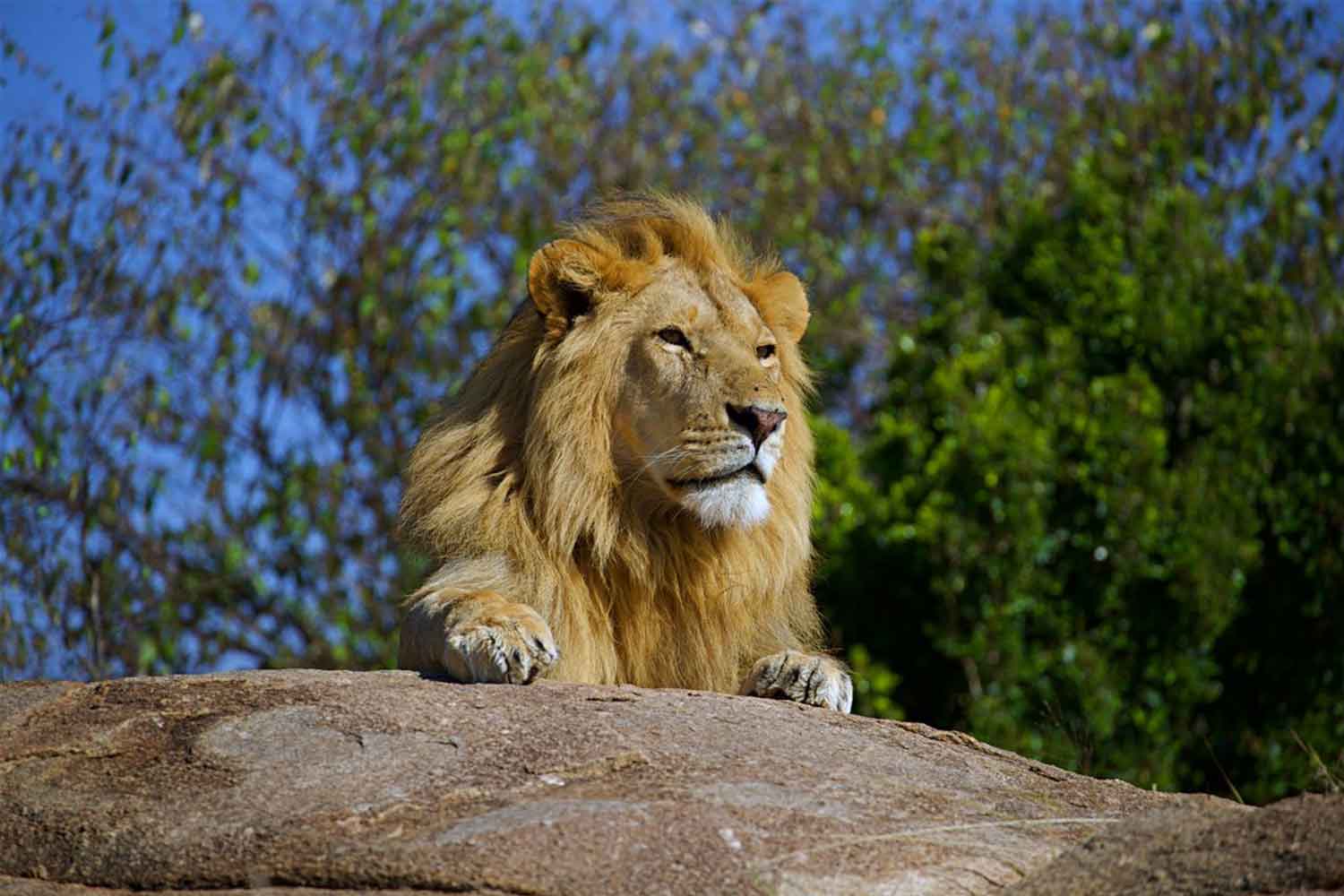
The Big Five and Beyond on Wildlife Safaris Tanzania
The Big Five—lion, leopard, elephant, buffalo, and rhinoceros—remain a major draw for wildlife safaris Tanzania. All five can be found within the Serengeti-Ngorongoro ecosystem, making it one of the best destinations in Africa to complete this iconic checklist.
However, Tanzania’s wildlife richness extends far beyond the Big Five. Cheetahs sprint across the plains in daylight, giraffes browse acacia treetops, and massive herds of elephants move silently through riverine forests. Hippos crowd muddy pools, while crocodiles lurk beneath the surface.
Birdlife is equally impressive, with over 500 species recorded in the Serengeti alone. From ostriches striding across the plains to lilac-breasted rollers flashing color in flight, bird enthusiasts find endless rewards.
Wildlife safaris Tanzania excel because they offer ecological completeness—predators, prey, birds, insects, and landscapes all woven into a balanced, thriving system.
The Season of Wildlife Safaris Tanzania in Serengeti
The Serengeti offers rewarding safari experiences throughout the year, but each season brings distinct characteristics. The dry season (June to October) is ideal for general game viewing, as animals congregate around water sources and vegetation is sparse.
The green season (November to May) transforms the landscape into a lush paradise. While rains occur, they are often brief, and the scenery becomes vibrant. This period includes the calving season and dramatic predator activity, making it a favorite for photographers.
Understanding seasonal movements is key to planning wildlife safaris Tanzania, particularly for those focused on the Great Migration. Choosing the right time ensures you align your journey with the experiences you value most.
Safari Experiences and Activities in Serengeti
Serengeti safaris offer far more than standard game drives. Early morning and late afternoon drives reveal peak animal activity, while full-day explorations allow deeper immersion into the park.
Hot air balloon safaris provide a breathtaking aerial perspective, floating silently over herds at sunrise before landing for a champagne breakfast in the bush. Walking safaris, available in select areas, offer intimate encounters with the smaller details of the ecosystem.
Cultural visits to Maasai communities add human context to the wilderness, enriching the overall safari experience. For photographers, specialized safaris focus on light, composition, and animal behavior.
These diverse activities elevate wildlife safaris Tanzania into multi-dimensional journeys that engage all senses.
The Best Time to go wildlife safaris Tanzania
The best time to visit the Serengeti depends on your priorities. For river crossings, June to September is ideal. For calving and predator action, January to March is exceptional. For fewer crowds and lush landscapes, the green season offers excellent value and beauty.
Wildlife safaris Tanzania are not limited to a single “perfect” time—each month reveals a different face of the Serengeti, ensuring meaningful experiences year-round.
What to Pack for wildlife safaris Tanzania
Packing appropriately enhances your safari comfort and enjoyment. Essential items include:
-
Neutral-colored clothing (khaki, beige, olive)
-
Lightweight layers for cool mornings and evenings
-
Comfortable walking shoes
-
Wide-brimmed hat and sunglasses
-
Sunscreen and insect repellent
-
Binoculars for wildlife viewing
-
Camera with extra batteries and memory cards
-
Personal medications and travel documents
Soft-sided luggage is recommended for small aircraft transfers, common on Serengeti safaris.
Wildlife safaris Tanzania represent the pinnacle of African safari experiences, and deep within the Serengeti lies their beating heart. From the thunder of the Great Migration to the silent intensity of a lion’s gaze, from endless plains to volcanic craters, Tanzania delivers nature in its most powerful form.
The Serengeti is not simply a destination—it is a reminder of the world as it once was and, in rare places, still is. For those seeking authenticity, scale, and soul-stirring encounters, wildlife safaris Tanzania and the Serengeti National Park stand unrivaled at the apex of global safari travel.