The Big Cats of Tanzania Photography Safari: Capturing Africa’s Most Iconic Predators
The big cats of Tanzania photography safari is one of the most sought-after wildlife experiences in the world, combining extraordinary biodiversity, dramatic landscapes, and unparalleled photographic opportunities. Tanzania is home to some of Africa’s most iconic predators, including lions, leopards, cheetahs, and the elusive serval and caracal. For wildlife photographers, both amateur and professional, a photography safari focused on the big cats of Tanzania offers a rare chance to document raw power, intimate behavior, and breathtaking moments in the wild.
A big cats of Tanzania photography safari is not simply about seeing animals; it is about storytelling through images. From golden savannahs glowing at sunrise to tense predator-prey interactions unfolding in real time, Tanzania provides a natural stage where light, movement, and wildlife align in extraordinary ways. This in-depth guide explores why Tanzania is the ultimate destination for big cat photography, where to go, what to expect, and how to maximize your chances of capturing unforgettable images.
The Big Cats of Tanzania Photography Safari and Why Tanzania Is Unmatched
The big cats of Tanzania photography safari stands apart because Tanzania offers one of the most intact and expansive wildlife ecosystems on the planet. Unlike destinations where wildlife is confined to smaller reserves, Tanzania’s national parks and conservation areas stretch across vast landscapes, allowing big cats to roam freely and exhibit natural behaviors.
The country’s commitment to conservation has preserved habitats where predator populations thrive. Tanzania hosts one of the largest lion populations in Africa, alongside significant numbers of cheetahs and leopards. This density makes the big cats of Tanzania photography safari exceptionally rewarding, as sightings are frequent and behavior is often dynamic.
Equally important is Tanzania’s varied terrain. Open plains, rocky kopjes, riverine forests, and volcanic craters create diverse photographic backdrops. Each environment influences how big cats hunt, rest, and interact, offering photographers a wide range of compositions and storytelling opportunities throughout a single safari.
The Big Cats of Tanzania Photography Safari and the African Lion
The African lion is the undisputed symbol of the big cats of Tanzania photography safari. Tanzania is home to more lions than any other country in East Africa, with strong populations in the Serengeti, Ngorongoro Conservation Area, and Ruaha National Park.
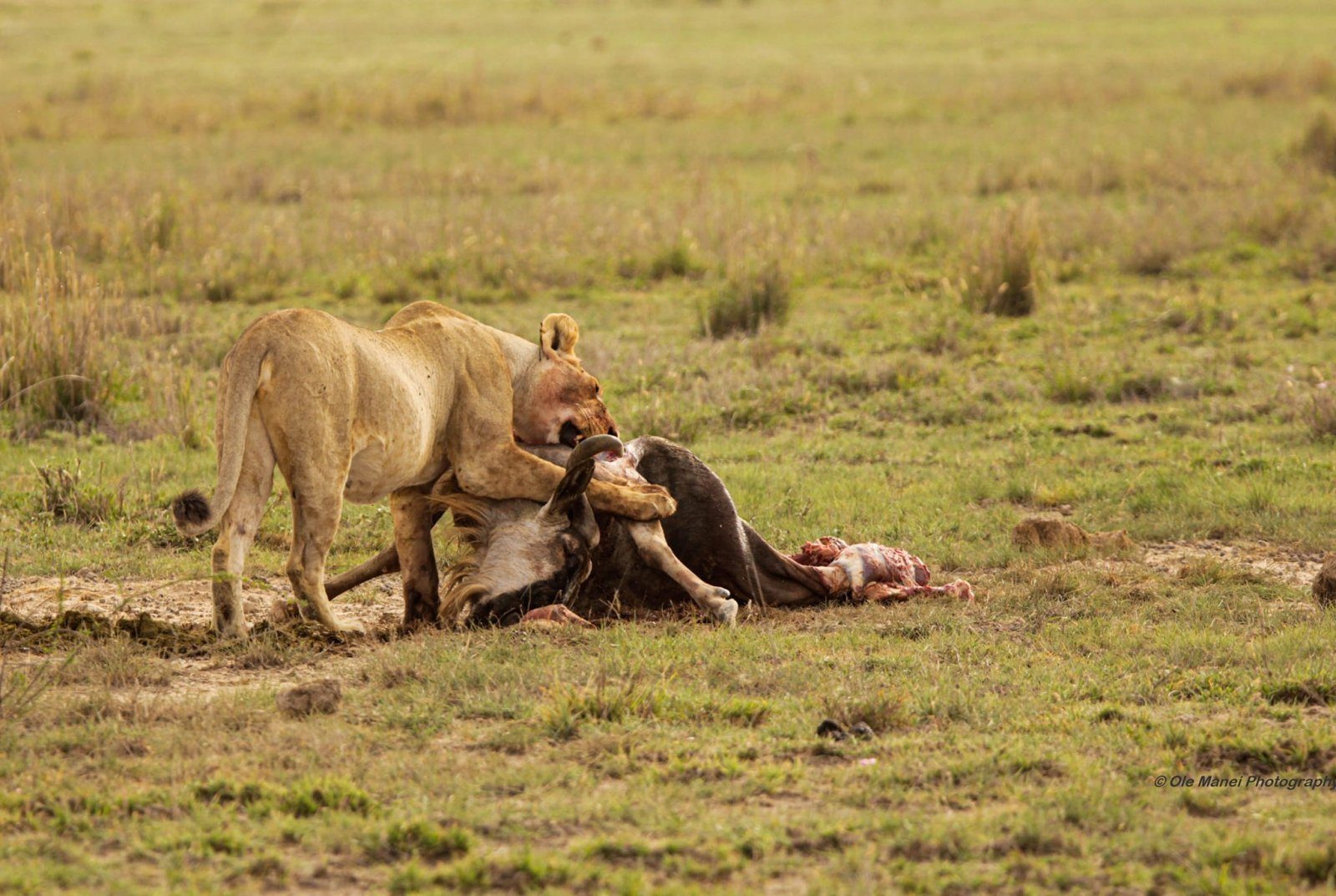
Photographing lions in Tanzania allows for intimate documentation of pride dynamics. Lions are highly social animals, and a photography safari often reveals scenes of cubs playing, lionesses coordinating hunts, and dominant males asserting control. These interactions provide powerful visual narratives that go beyond simple portrait shots.
Light plays a critical role in lion photography. Early morning and late afternoon offer warm tones that accentuate the lion’s mane and muscular form. On a big cats of Tanzania photography safari, photographers frequently capture lions silhouetted against dramatic skies or resting atop kopjes, surveying their territory with regal authority
 The Big Cats of Tanzania Photography Safari and the Elusive Leopard
The leopard is perhaps the most challenging yet rewarding subject on a big cats of Tanzania photography safari. Known for its stealth and solitary nature, the leopard thrives in Tanzania’s diverse habitats, from dense riverine forests to rocky outcrops.
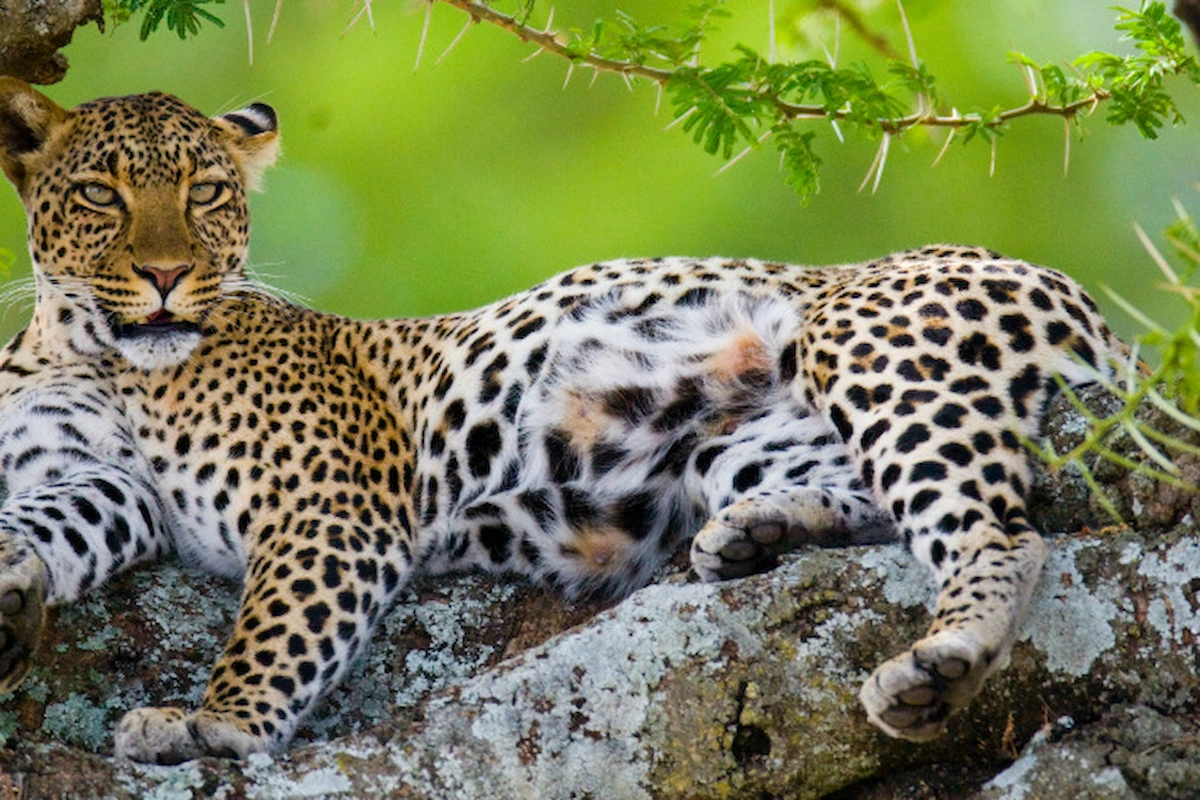
Leopard photography requires patience, skilled tracking, and a deep understanding of behavior. In Tanzania, particularly in the Serengeti and Tarangire National Park, leopards are often spotted draped over tree branches or dragging prey into the safety of the canopy. These moments are iconic images associated with the big cats of Tanzania photography safari.
Capturing a leopard’s piercing gaze, intricate rosette patterns, and fluid movements demands technical precision and compositional awareness. Tanzania’s open landscapes and experienced guides significantly increase the chances of prolonged leopard sightings, allowing photographers time to refine their shots and tell a complete visual story.
The Big Cats of Tanzania Photography Safari and the Speed of the Cheetah
The cheetah represents speed, grace, and vulnerability, making it a compelling subject on the big cats of Tanzania photography safari. Tanzania’s Serengeti plains are one of the best places in the world to photograph cheetahs, thanks to expansive open terrain that supports their high-speed hunting style.
Cheetah photography is dynamic and unpredictable. A big cats of Tanzania photography safari often provides opportunities to capture cheetahs scanning the horizon, sprinting after prey, or nurturing cubs in the grass. These moments demand fast shutter speeds, anticipation, and an understanding of animal behavior.
The emotional depth of cheetah imagery is striking. Photographs often convey the delicate balance between survival and fragility, as cheetahs face competition from larger predators. Tanzania’s healthy cheetah population allows photographers to explore this narrative in depth, capturing images that are both visually stunning and emotionally resonant.
The Big Cats of Tanzania Photography Safari and Lesser-Known Felines
While lions, leopards, and cheetahs dominate attention, the big cats of Tanzania photography safari also includes smaller and rarer feline species. Servals, caracals, and African wildcats add an element of exclusivity and excitement to a photography safari.
Servals, with their long legs and distinctive spotted coats, are often photographed in grassy wetlands, particularly in the Ngorongoro Crater. Caracals, though elusive, may be seen in semi-arid regions such as Tarangire. Capturing these lesser-known cats requires keen observation and quick reflexes, but the reward is a unique portfolio that sets a photographer apart.
Including these species in a big cats of Tanzania photography safari enriches the experience, highlighting the full diversity of Tanzania’s feline predators and the ecosystems that support them.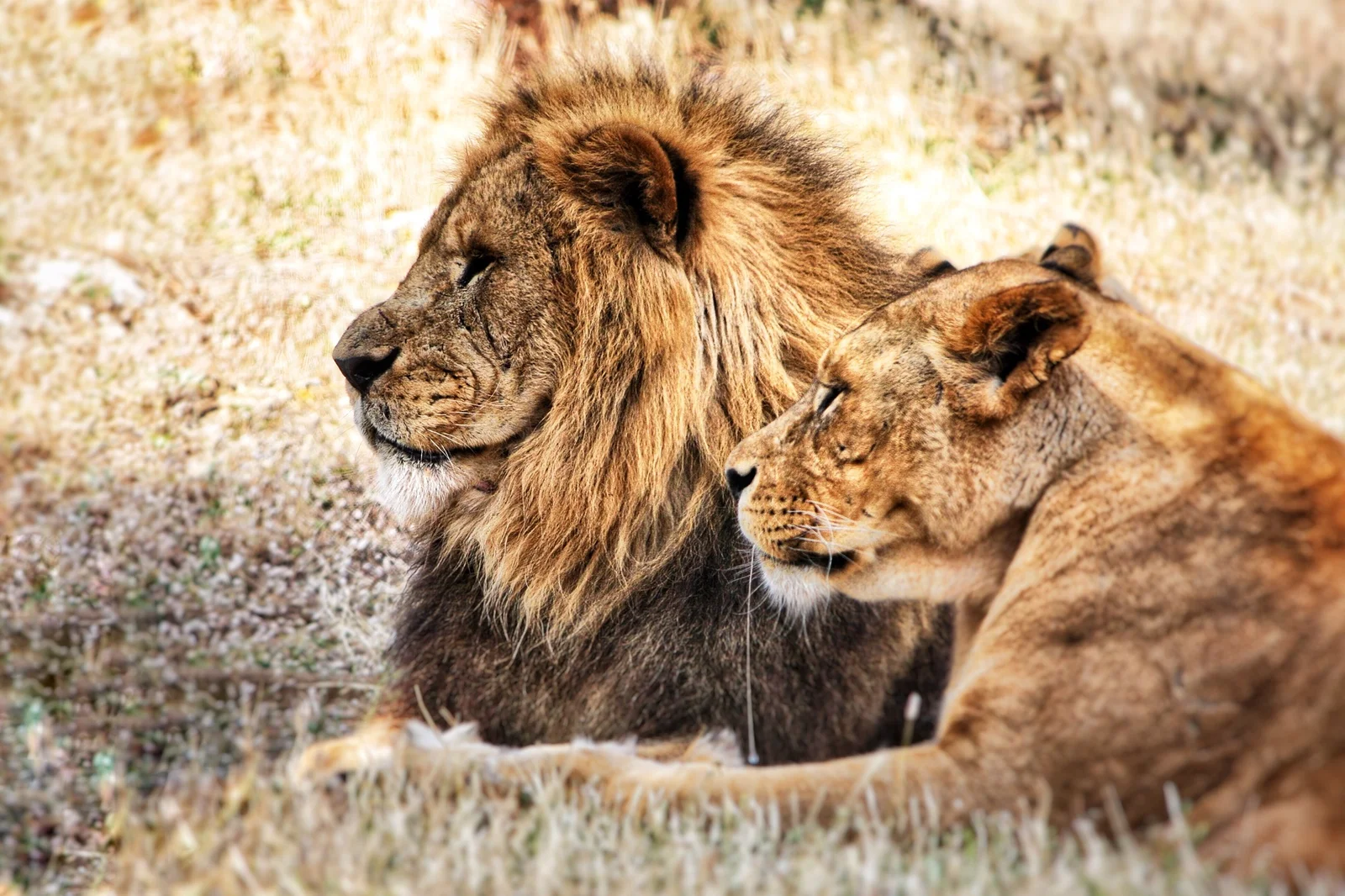
The Big Cats of Tanzania Photography Safari and Iconic Destinations
The success of a big cats of Tanzania photography safari is closely tied to location. Tanzania offers several world-renowned destinations that consistently deliver exceptional big cat encounters.
The Serengeti National Park is the crown jewel of big cat photography. Its vast plains support high predator densities year-round, and the Great Migration adds dramatic predator-prey interactions that are unrivaled anywhere else in Africa. The Serengeti is particularly famous for lion and cheetah photography, with open visibility that allows for clean, unobstructed shots.
The Ngorongoro Conservation Area provides a unique setting for a big cats of Tanzania photography safari. The crater’s enclosed ecosystem concentrates wildlife, increasing the likelihood of sightings. The dramatic crater walls and shifting light conditions create striking photographic compositions.
Tarangire National Park offers a different aesthetic, with baobab trees, river systems, and seasonal migrations. Leopards and lions are frequently photographed against these distinctive landscapes, adding visual variety to a photography safari.
Ruaha National Park, less crowded and more remote, is ideal for photographers seeking exclusivity. Its rugged terrain and large predator populations make it a hidden gem within the big cats of Tanzania photography safari circuit.
The Big Cats of Tanzania Photography Safari and Seasonal Considerations
Timing is a critical factor in planning the big cats of Tanzania photography safari. Tanzania’s dry season, typically from June to October, is considered the best time for wildlife photography. During this period, vegetation is sparse, animals congregate around water sources, and visibility is excellent.
The wet season, from November to May, offers its own photographic advantages. Lush landscapes, dramatic skies, and fewer tourists create a different atmosphere. Calving seasons attract predators, increasing the chances of witnessing hunts. For photographers interested in mood, color, and storytelling, the wet season can be incredibly rewarding.
Understanding seasonal behavior enhances the success of a big cats of Tanzania photography safari, allowing photographers to anticipate movements and position themselves for optimal shots.
The Big Cats of Tanzania Photography Safari and Photographic Techniques
A big cats of Tanzania photography safari demands both technical skill and creative vision. Mastery of camera settings is essential, particularly when capturing fast-moving subjects like cheetahs or low-light scenes at dawn and dusk.
Composition plays a vital role in storytelling. Wide-angle shots that include landscape elements convey a sense of scale, while tight portraits emphasize emotion and detail. On a big cats of Tanzania photography safari, photographers often balance these approaches to create a diverse and compelling portfolio.
Patience is perhaps the most important skill. Big cat behavior unfolds on its own terms, and waiting for the perfect moment often yields the most powerful images. Tanzania’s abundance of wildlife provides the time and space necessary for this patient approach.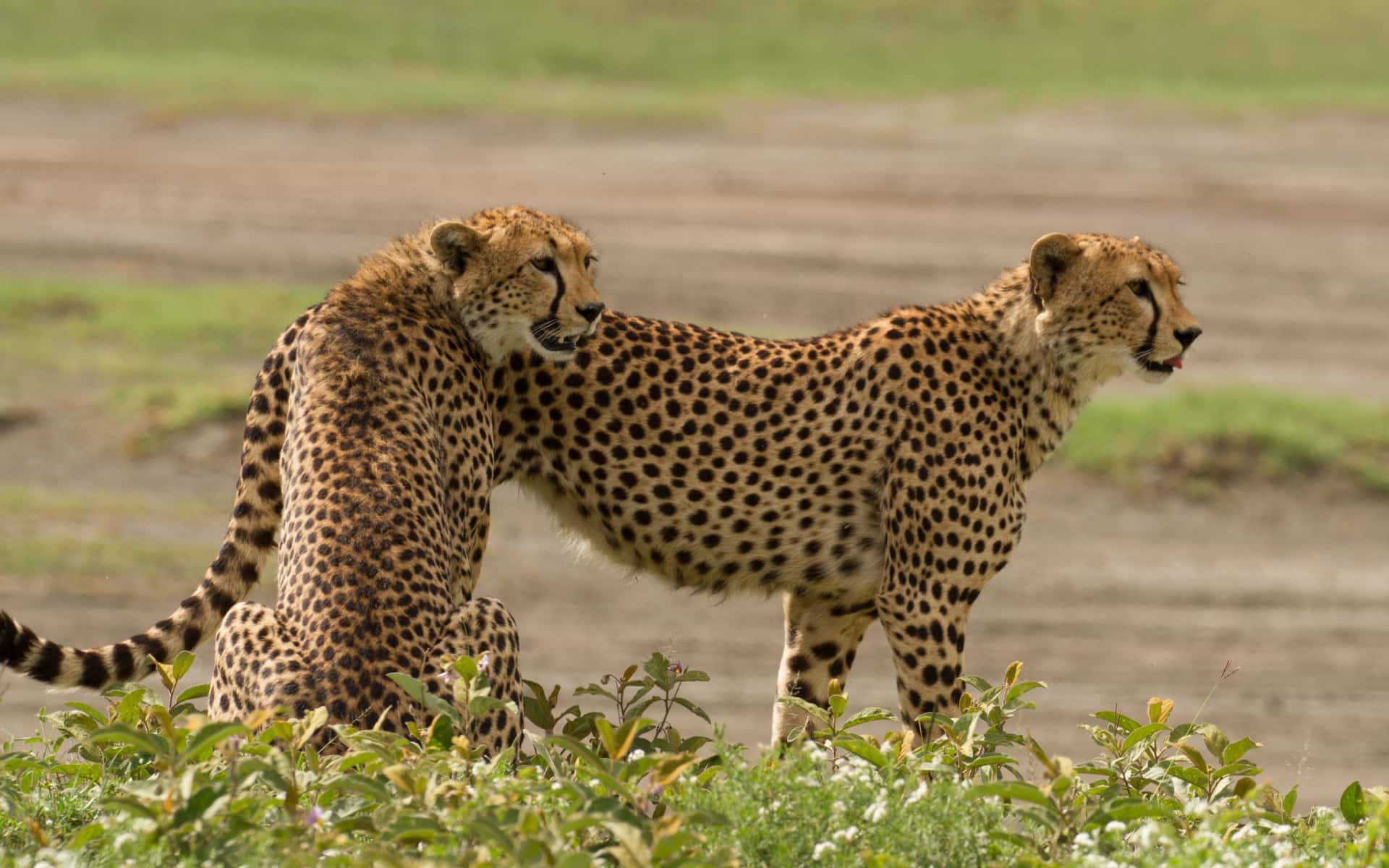
The Big Cats of Tanzania Photography Safari and Ethical Wildlife Photography
Ethics are central to the big cats of Tanzania photography safari. Responsible photography prioritizes the well-being of animals over the pursuit of images. Tanzania’s safari regulations and experienced guides help ensure that photographers maintain respectful distances and avoid disturbing natural behavior.
Ethical photography enhances image quality by capturing authentic moments rather than forced interactions. A big cats of Tanzania photography safari grounded in respect and conservation produces images that resonate with honesty and integrity.
Supporting conservation-focused lodges and guides also contributes to the long-term protection of Tanzania’s big cats, ensuring that future generations can experience and photograph these magnificent animals.
The Big Cats of Tanzania Photography Safari as a Transformative Experience
Beyond photography, the big cats of Tanzania photography safari is a deeply transformative journey. Witnessing predators in their natural environment fosters a profound appreciation for the complexity and fragility of ecosystems. Many photographers return from Tanzania with a renewed commitment to conservation and storytelling through imagery.
The emotional impact of locking eyes with a lion at sunrise or capturing a leopard’s silent descent from a tree is indescribable. These moments define the big cats of Tanzania photography safari, leaving lasting impressions that extend far beyond the images themselves.
The Big Cats of Tanzania Photography Safari: A Legacy Worth Preserving
The big cats of Tanzania photography safari represents more than an adventure; it is a celebration of life, wilderness, and the art of observation. Tanzania remains one of the last strongholds where big cats thrive in large numbers, offering photographers an unparalleled opportunity to document their beauty and behavior.
As environmental pressures increase across the globe, photography safaris play a crucial role in raising awareness and inspiring conservation action. Images captured during a big cats of Tanzania photography safari have the power to educate, move, and motivate audiences worldwide.
For those seeking the ultimate wildlife photography experience, Tanzania stands unmatched. The big cats of Tanzania photography safari is not just a journey into the wild, but a journey into the heart of nature itself.