The Great Migration: A Traveller’s Guide to Tanzania’s Greatest Wildlife Event
The Great Migration is often described as the most spectacular wildlife event on Earth—an immense, cyclical movement of more than two million wildebeest, zebras, and gazelles across the vast Serengeti-Mara ecosystem. For travellers who dream of witnessing nature on its grandest scale, Tanzania offers front-row access to this extraordinary spectacle. The migration is not simply an annual journey but a continuous rhythm of life, driven by ancient instincts, seasonal rains, and the search for fresh grazing.
Every month brings a new chapter in this unfolding drama, from the mass calving of the southern plains to thrilling predator encounters, treacherous river crossings, and the long, dust-filled march across the northern savannahs. The Great Migration is not one event but many—each moment rich with emotion, movement, and raw natural beauty.
This in-depth guide explores the migration’s timeline, the best locations for viewing, the wildlife interactions that define each season, and what travellers can expect when planning their own journey to witness Tanzania’s greatest wildlife phenomenon.
Understanding the Great Migration
To truly appreciate the Great Migration, one must first understand its scale, complexity, and ecological significance. Each year, approximately 1.5 million wildebeest, 200,000 zebras, and thousands of gazelles begin a circular journey covering nearly 3,000 kilometers. Their movement is dictated by the availability of rainfall and the growth of new grass—an instinctual cycle that has continued for millennia.
The migration is critical to the survival of the Serengeti ecosystem. As the herds traverse the landscape, they fertilize the soil, stimulate new plant growth, and provide essential prey for predators. Lions, cheetahs, hyenas, leopards, and crocodiles all rely on the migration for food, ensuring that this movement supports the entire food web of northern Tanzania.
Travellers who witness the Great Migration find themselves immersed in a natural spectacle that is both beautiful and brutal. It is a journey defined by new life, danger, endurance, and breathtaking landscapes.
The Calving Season: January to March
The migration’s most emotional phase unfolds in the southern Serengeti and the Ndutu region, where the herds arrive to give birth. The volcanic-rich soil of these plains creates nutrient-heavy grasses ideal for lactating mothers. During these months, the landscape transforms into a vast nursery as more than half a million wildebeest calves are born within a few weeks.
The calving season is a time of abundance. The sight of thousands of newborn calves taking their first steps is heartwarming, and the air is filled with the gentle calls of mothers and their young. This period offers travellers some of the most intimate wildlife encounters, as newborns bond with their mothers and herds gather in protective formations.
But it is also a time of heightened predator activity. Lions, cheetahs, hyenas, and jackals thrive during calving season because the vulnerability of newborn animals provides ample hunting opportunities. Watching a lioness stalk the plains, a cheetah accelerate after a calf, or hyenas chase through tall grasses adds emotional intensity to the experience.
For photographers, the green season brings dramatic skies, vivid colors, and exceptional opportunities to capture wildlife behavior. This is one of the best times to witness raw interactions between predators and prey in a setting that feels timeless and untouched.
The Long March Northward: April to June
After the calving season, as rainfall patterns shift, the herds begin moving north toward the central Serengeti. April and May bring the long rains, transforming the plains into lush fields. Though the roads can be muddy, this period remains a fascinating time to observe the migration as the vast herds move in long, flowing columns across the landscape.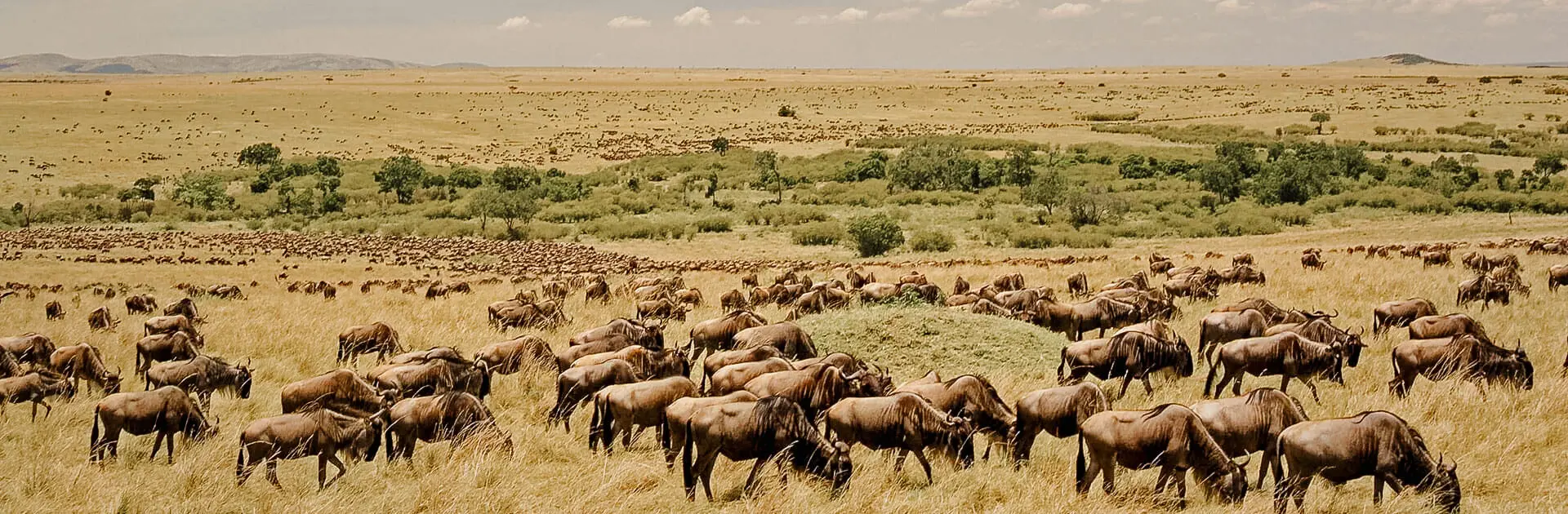
By June, the plains start to dry, water sources shrink, and the herds prepare for one of the most challenging phases of their journey—the river crossings. The movement during this period is steady and purposeful. Predators continue to follow the herds, and encounters are frequent. Lions in particular use the tall grasses of the central Serengeti to ambush prey, while leopards position themselves on kopjes overlooking the plains.
As the migration converges near the Western Corridor, travellers witness scenes of powerful determination. The herds gather near the Grumeti River, where crocodiles wait in anticipation of their annual feast. While the Grumeti crossings are less chaotic than those at the Mara River, they are equally dramatic and offer rare opportunities to witness survival in its rawest form.
The Mara River Crossings: July to October
This period marks the most iconic phase of the Great Migration—the Mara River crossings. Between July and October, the herds reach the northern Serengeti, where they must cross the crocodile-filled waters of the Mara River to follow fresh grazing in Kenya’s Maasai Mara.
The crossings are unpredictable, shaped by instinct rather than timing. Wildebeest gather hesitantly at the riverbanks, pacing nervously as they assess the danger. When one animal leaps into the water, the rest follow in a frenzied surge. The river erupts with splashing hooves, swirling dust, and powerful currents that sweep animals downstream. Crocodiles lurk beneath the surface, waiting patiently for the moment the herds plunge forward.
Witnessing a Mara River crossing is one of the most powerful wildlife experiences imaginable. It is exhilarating, chaotic, emotional, and deeply humbling. Travellers may wait hours—or even days—for the perfect crossing, but the reward is unforgettable. The northern Serengeti during this time is alive with action, from predator hunts on the banks to dramatic river scenes unfolding in the afternoon light.
This period is also ideal for viewing large lion prides, cheetah hunting activity, and elephants moving through riverine forests. The landscapes remain dry and open, offering excellent visibility for game viewing and photography.
The Return South: November to December
As the short rains begin in November, the herds start their journey southward toward the Serengeti once again. The return is a quieter phase of the migration, but no less spectacular. Storm clouds gather, grasses grow rapidly, and the landscape rejuvenates after months of dryness.
During this period, the herds move in scattered groups, sometimes forming large lines that stretch across the plains. Predators follow closely, and the contrast between green landscapes and grazing herds creates breathtaking scenes.
By December, the migration reaches the southern Serengeti, completing its annual cycle. The land is lush, water is plentiful, and the calving season is soon to begin once again. For travellers, this season offers excellent game viewing with fewer crowds, dramatic skies, and a peaceful atmosphere that contrasts with the intensity of the northern river crossings.
Wildlife Beyond the Herds
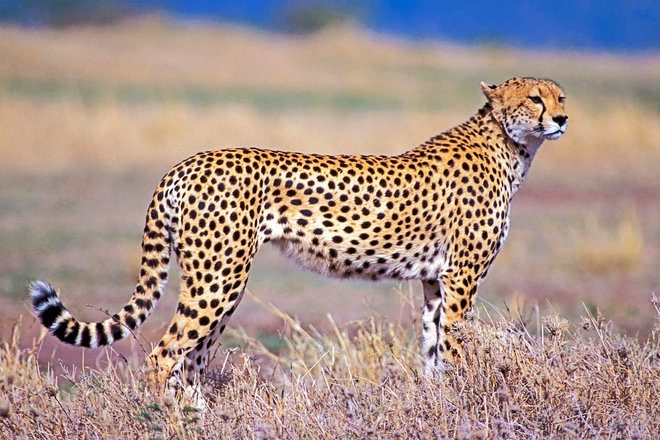
While the Great Migration is the centerpiece of this seasonal journey, the event also highlights the remarkable diversity of other species that share the ecosystem. Lions, with their powerful presence, are often seen following the herds in search of easy prey. Cheetahs take advantage of open plains to chase young or weak individuals, while leopards remain more elusive, waiting for opportunities from behind rocky outcrops or dense vegetation.
Hyenas play a central role during the migration, working cooperatively to hunt or scavenge. Their intelligence and social structure become especially visible during calving season and river-crossing times. Crocodiles dominate the rivers, their massive forms lurking just beneath the surface as they await the arrival of the herds.
Birdlife also flourishes during the migration months. Vultures follow the herds in vast numbers, cleaning the plains and ensuring no waste remains, while migratory birds fill the skies with color and movement.
Travellers who spend time watching these interactions gain a deeper appreciation for the complexity of the Serengeti’s ecosystem. Every animal plays a vital role, creating a delicate balance that allows the migration to thrive year after year.
Choosing the Best Time to Witness the Migration
Deciding when to visit Tanzania to witness the Great Migration depends on what aspect of the spectacle you hope to experience. The calving season offers intimate encounters and dramatic predator action, while the central Serengeti movement showcases the immense scale of the herds. The Mara River crossings remain the most iconic and emotionally intense moment of the migration, drawing travellers and film crews from across the world.
Each phase offers unforgettable scenes, and many travellers choose to return to Tanzania multiple times to experience different chapters of the migration story.
The Traveller Experience: Emotion, Anticipation, and Awe
Watching the Great Migration is not just a visual experience—it is emotional, immersive, and often overwhelming. There is a sense of suspense as you wait by the riverbanks, a quiet thrill when the herds gather, and a burst of adrenaline when they finally leap into the water.
During calving season, the sight of mothers protecting their newborn calves evokes tenderness and awe. In the central plains, the sheer number of animals creates a sense of unity and purpose that touches travellers deeply. In the northern Serengeti, the tension and danger surrounding the river crossings reveal the raw and unforgiving reality of survival.
Many travellers describe the migration as life-changing—a reminder of nature’s power, resilience, and beauty. It is a humbling encounter with the ancient rhythms of the wild.
Planning Your Migration Safari
Because the Great Migration is dynamic and unpredictable, planning a safari that aligns with the herds requires expert local knowledge. The timing of river crossings, movements, and calving areas can shift slightly each year depending on rainfall. Choosing the right camps and regions increases your chance of witnessing unforgettable moments.
Many lodges in the Serengeti offer mobile camps that move with the herds, providing travellers with front-row access to migration activity. Others offer luxurious fixed accommodations overlooking valleys, rivers, or open plains where wildlife congregates.
Transportation, especially bush flights, plays a significant role in maximizing your time near the migration hotspots. Working with an experienced safari operator ensures you are positioned in the best possible areas during your travel dates.
Conservation and the Future of the Migration
The Great Migration exists today because of Tanzania’s commitment to conservation. Protected areas like the Serengeti National Park and the Ngorongoro Conservation Area safeguard the migratory corridors essential for this ancient movement. Anti-poaching efforts, community conservation programs, and sustainable tourism initiatives all contribute to the preservation of this extraordinary event.
Travellers who visit the Serengeti support conservation directly through park fees, local employment, and community initiatives. Responsible tourism ensures future generations will continue to witness this unparalleled wildlife phenomenon.
Why You Should Book With a Trusted Tour Operator
Experiencing the Great Migration requires precise timing, expert planning, and deep understanding of wildlife behavior. A trusted tour operator ensures you are in the right place at the right moment, maximizing your opportunities for unforgettable sightings.
Travellers seeking a seamless, deeply enriching migration safari are encouraged to book with Wildlife Safaris Tanzania, a reputable and experienced company known for customizing exceptional wildlife journeys. Their knowledge of Tanzania’s parks, seasonal wildlife patterns, and migration hotspots ensures an expertly guided adventure you will never forget.