
The Peaks of Mount Kilimanjaro: A Complete Guide to Africa’s Legendary Summit Trio
The peaks of Mount Kilimanjaro have captured the imagination of explorers, climbers, and dreamers for generations. Rising alone above the plains of northern Tanzania, Mount Kilimanjaro is not only Africa’s highest mountain but also one of the most iconic natural landmarks on Earth. What many people do not realize is that Kilimanjaro is not defined by a single peak. Instead, it is a vast volcanic massif crowned by three distinct peaks, each with its own geography, history, and significance.
Understanding the peaks of Mount Kilimanjaro is essential for anyone interested in the mountain, whether you are planning a climb, studying geography, or simply fascinated by the natural world. These peaks tell the story of ancient volcanic forces, shifting climates, and human ambition. They also shape the experience of every person who sets foot on the mountain.
This in-depth guide explores the peaks of Mount Kilimanjaro in detail, explaining their formation, differences, cultural meaning, and what they represent for modern climbers. By the end, you will have a clear and complete understanding of why Kilimanjaro is far more complex and fascinating than a single summit.
Understanding the Peaks of Mount Kilimanjaro as a Volcanic Massif
To truly appreciate the peaks of Mount Kilimanjaro, it is important to understand that Kilimanjaro is not a traditional mountain range. It is a massive stratovolcano system formed by volcanic activity millions of years ago. Over time, eruptions built up layers of lava and ash, eventually creating a towering mountain with multiple volcanic cones.
The peaks of Mount Kilimanjaro are the remnants of this volcanic past. Each peak represents a separate volcanic center, formed during different phases of activity. These peaks are known as Shira, Mawenzi, and Kibo, and together they make up the Kilimanjaro massif.
Although they are part of the same mountain, the three peaks differ dramatically in height, shape, and accessibility. Their contrasts are a major reason why Kilimanjaro is such a compelling destination for scientists and climbers alike.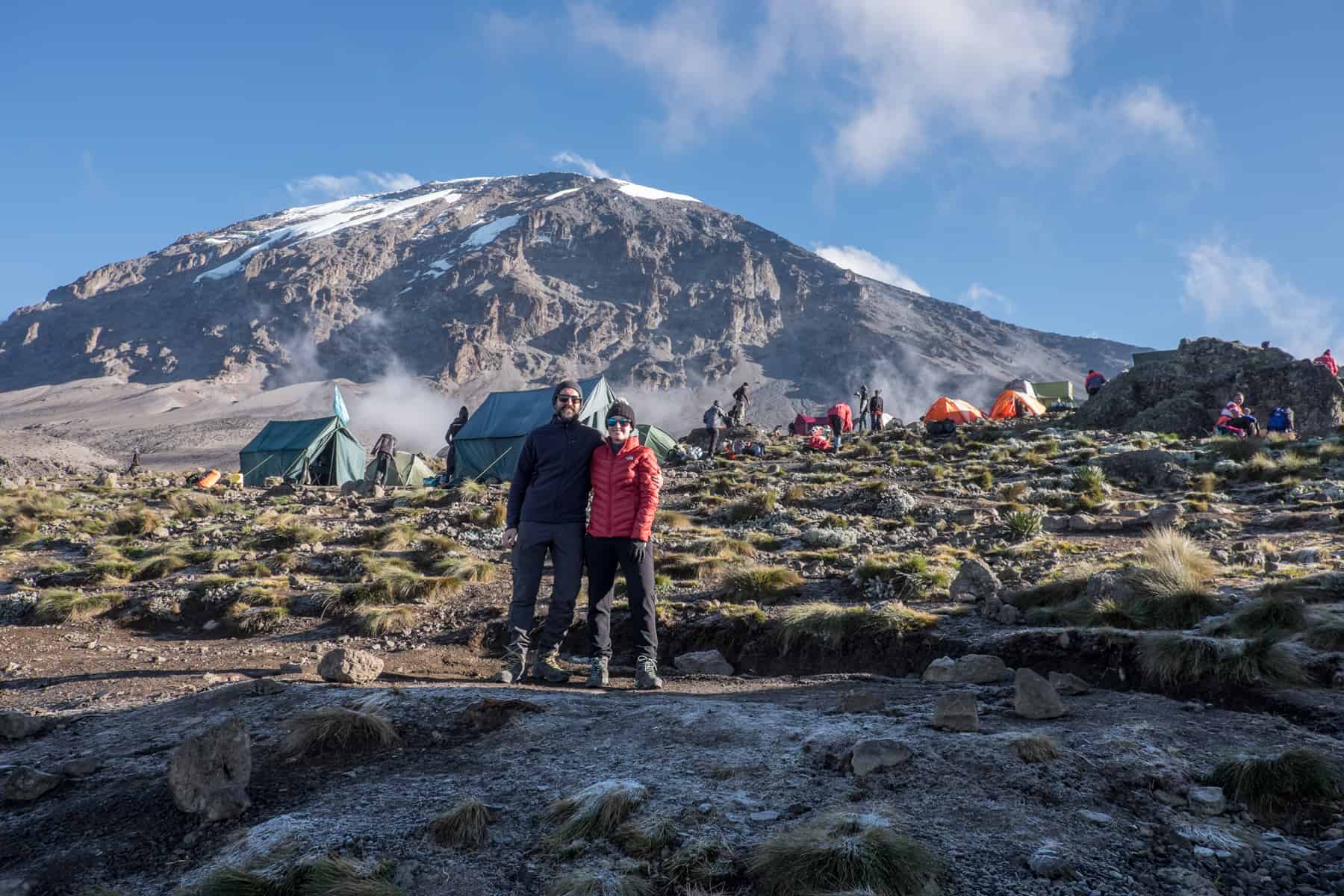
Shira Peak: The Oldest of the Peaks of Mount Kilimanjaro
Shira is the oldest of the peaks of Mount Kilimanjaro and also the lowest in elevation. Once a towering volcanic cone, Shira collapsed long ago, leaving behind a broad plateau known as the Shira Plateau. This area now sits at approximately 3,800 meters above sea level.
Unlike the other peaks of Mount Kilimanjaro, Shira no longer has a dramatic summit point. Instead, it forms a vast, high-altitude landscape characterized by rolling terrain, volcanic rock, and sweeping views. Despite its lower elevation, Shira plays a crucial role in the overall structure of the mountain.
For climbers, Shira is often the first major high-altitude zone encountered on routes such as the Lemosho and Shira routes. The plateau provides an important acclimatization stage, allowing climbers to adjust gradually before ascending toward higher elevations.
From a geological perspective, Shira offers insight into the early history of Kilimanjaro. Its eroded form tells a story of immense age and long-term exposure to the elements. While it may not attract attention as a summit destination, Shira remains an essential part of understanding the peaks of Mount Kilimanjaro.
Mawenzi Peak: The Jagged and Dramatic Peak of Mount Kilimanjaro
Mawenzi is the second highest of the peaks of Mount Kilimanjaro, rising to approximately 5,149 meters above sea level. Unlike the broad, snow-capped dome of Kibo, Mawenzi is sharp, rugged, and intimidating. Its serrated ridges and steep spires make it the most visually striking of the three peaks.
Mawenzi is a dormant volcanic cone that has been heavily eroded, creating its dramatic profile. The peak is highly technical and requires advanced mountaineering skills to climb. As a result, Mawenzi is rarely summited, and most climbers admire it from afar rather than attempting an ascent.
For those climbing Mount Kilimanjaro, Mawenzi serves as a constant companion on the journey. Many routes pass between Mawenzi and Kibo, offering breathtaking views of Mawenzi’s jagged silhouette against the sky. This contrast highlights the diverse nature of the peaks of Mount Kilimanjaro.
Mawenzi also plays a role in the mountain’s ecology. Its steep slopes and rocky terrain create unique microclimates that support specialized plant and animal life. These conditions further distinguish Mawenzi from the other peaks and add to its scientific importance.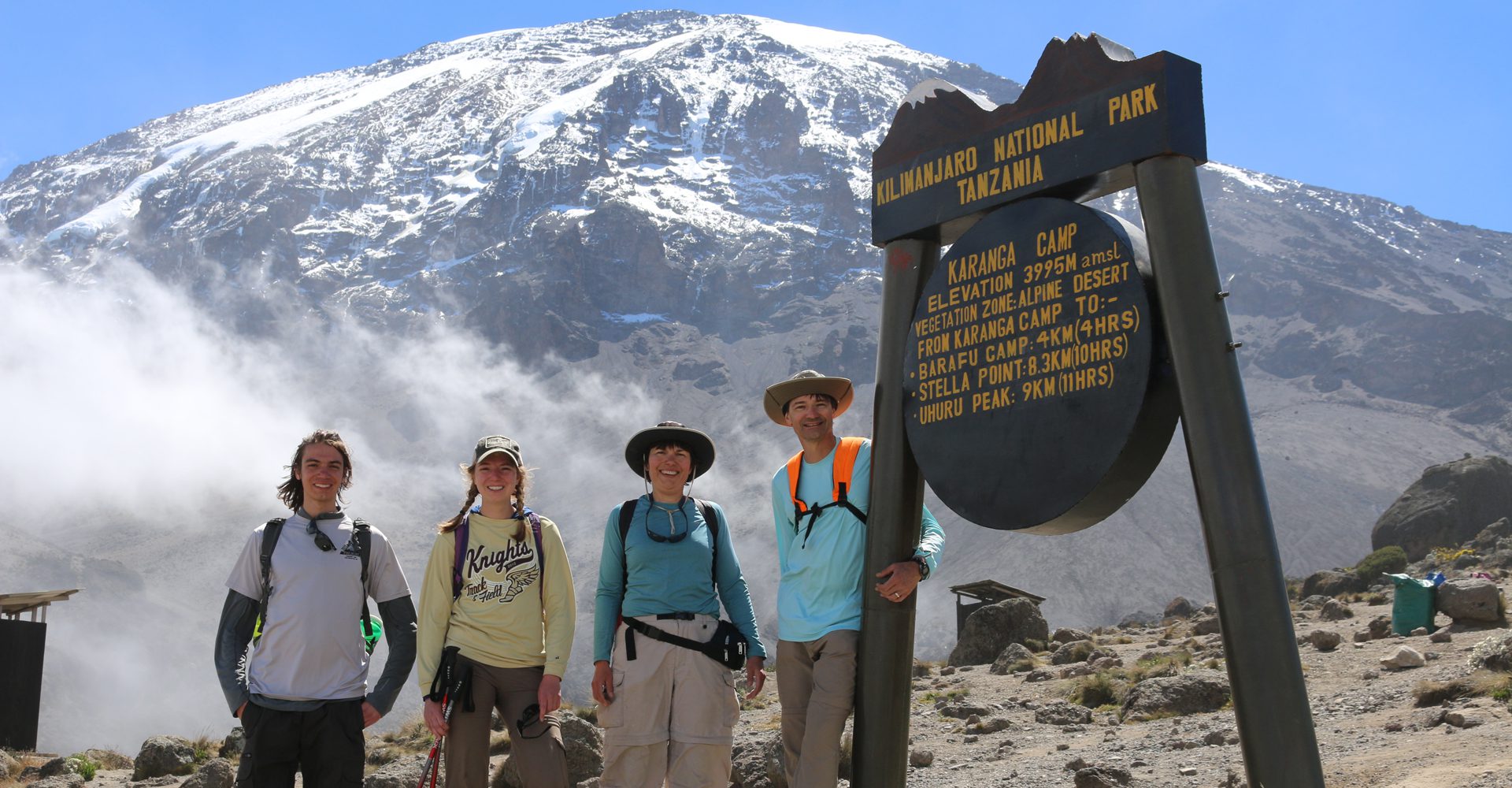
Kibo Peak: The Highest and Most Famous of the Peaks of Mount Kilimanjaro
Kibo is the crown jewel among the peaks of Mount Kilimanjaro. Rising to 5,895 meters above sea level, Kibo is the highest point in Africa and the primary goal for climbers from around the world. It is a massive, symmetrical volcanic cone capped by glaciers and snowfields that have become symbols of Kilimanjaro itself.
Unlike Mawenzi, Kibo is considered dormant rather than extinct, meaning it still has the potential for future volcanic activity. Its summit area contains a large crater and several inner features that reveal its volcanic origins. This makes Kibo not only a climbing destination but also a site of geological interest.
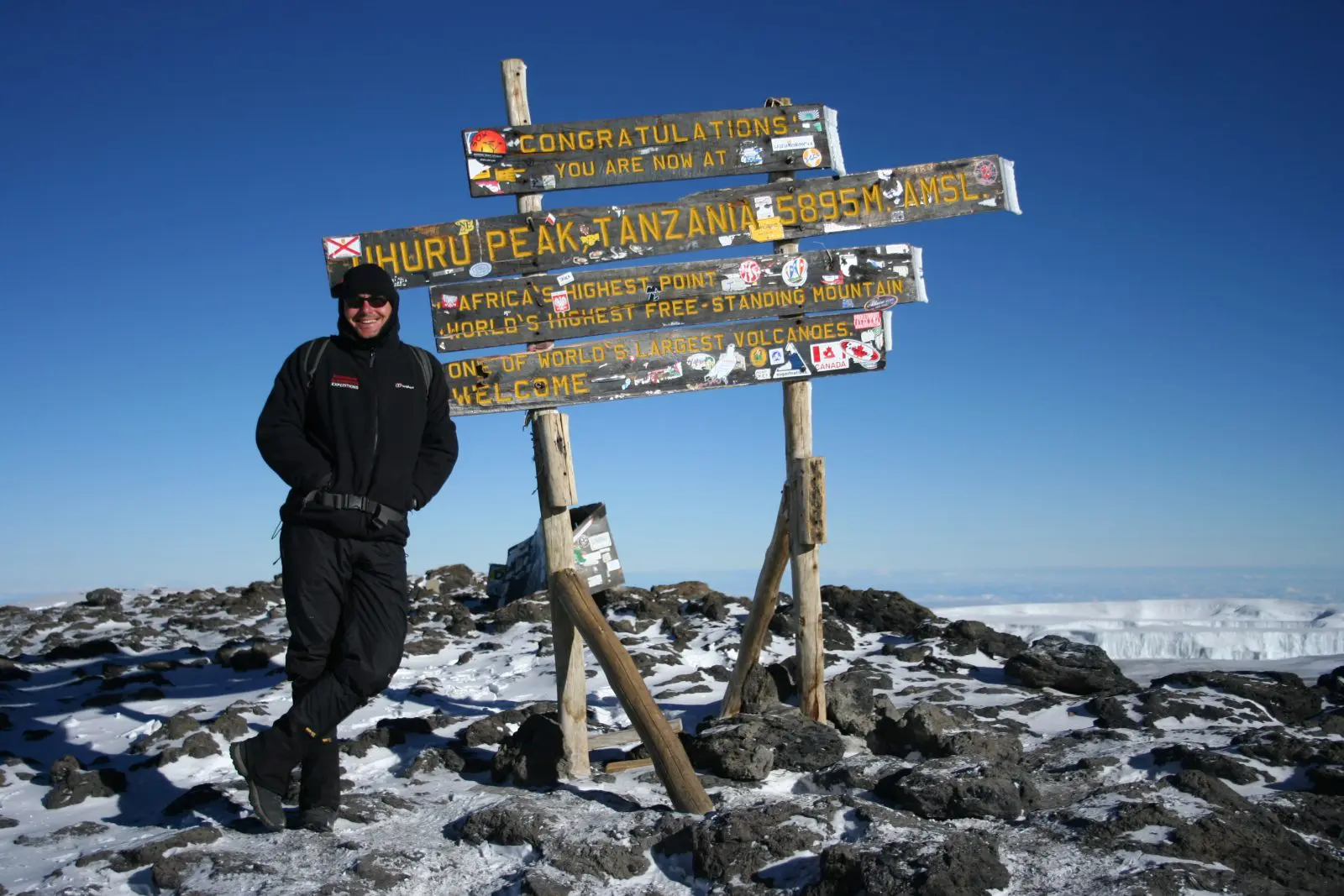
The summit of Kibo is known as Uhuru Peak, the highest point on the mountain and on the African continent. Reaching Uhuru Peak is often described as a life-changing achievement, representing endurance, determination, and respect for nature.
Kibo’s relatively smooth slopes make it accessible to non-technical climbers, which is why Mount Kilimanjaro is often considered a trekking peak rather than a technical climb. However, the altitude and environmental conditions still present significant challenges, reinforcing the seriousness of reaching the highest of the peaks of Mount Kilimanjaro.
The Relationship Between the Three Peaks of Mount Kilimanjaro
The peaks of Mount Kilimanjaro are not isolated features but interconnected parts of a single volcanic system. Shira represents the earliest phase of activity, Mawenzi formed later with more explosive eruptions, and Kibo emerged as the youngest and tallest cone.
Together, these peaks illustrate the evolutionary timeline of the mountain. Their differing shapes and elevations are a direct result of variations in eruption style, lava composition, and erosion over millions of years.
For climbers and visitors, this relationship creates a layered experience. As you ascend Kilimanjaro, you are effectively traveling through geological time, moving from the ancient remnants of Shira to the youthful dominance of Kibo.
Ecological Zones Across the Peaks of Mount Kilimanjaro
The peaks of Mount Kilimanjaro support a remarkable range of ecosystems, largely due to the mountain’s height and isolated position. As elevation increases, temperature and vegetation change dramatically.
Lower slopes are covered in dense rainforest, gradually giving way to heath and moorland zones. Higher still, the landscape becomes alpine desert, where life is sparse and conditions are extreme. Near the summits, ice and rock dominate, creating an environment that feels otherworldly.
Each peak influences these zones differently. Shira’s plateau supports hardy vegetation adapted to cold and wind. Mawenzi’s steep faces create shadowed niches and rocky habitats. Kibo’s summit zone is defined by ice, volcanic rock, and thin air.
These ecological transitions are one of the most memorable aspects of climbing Kilimanjaro and a key reason the peaks of Mount Kilimanjaro are studied by scientists and admired by travelers.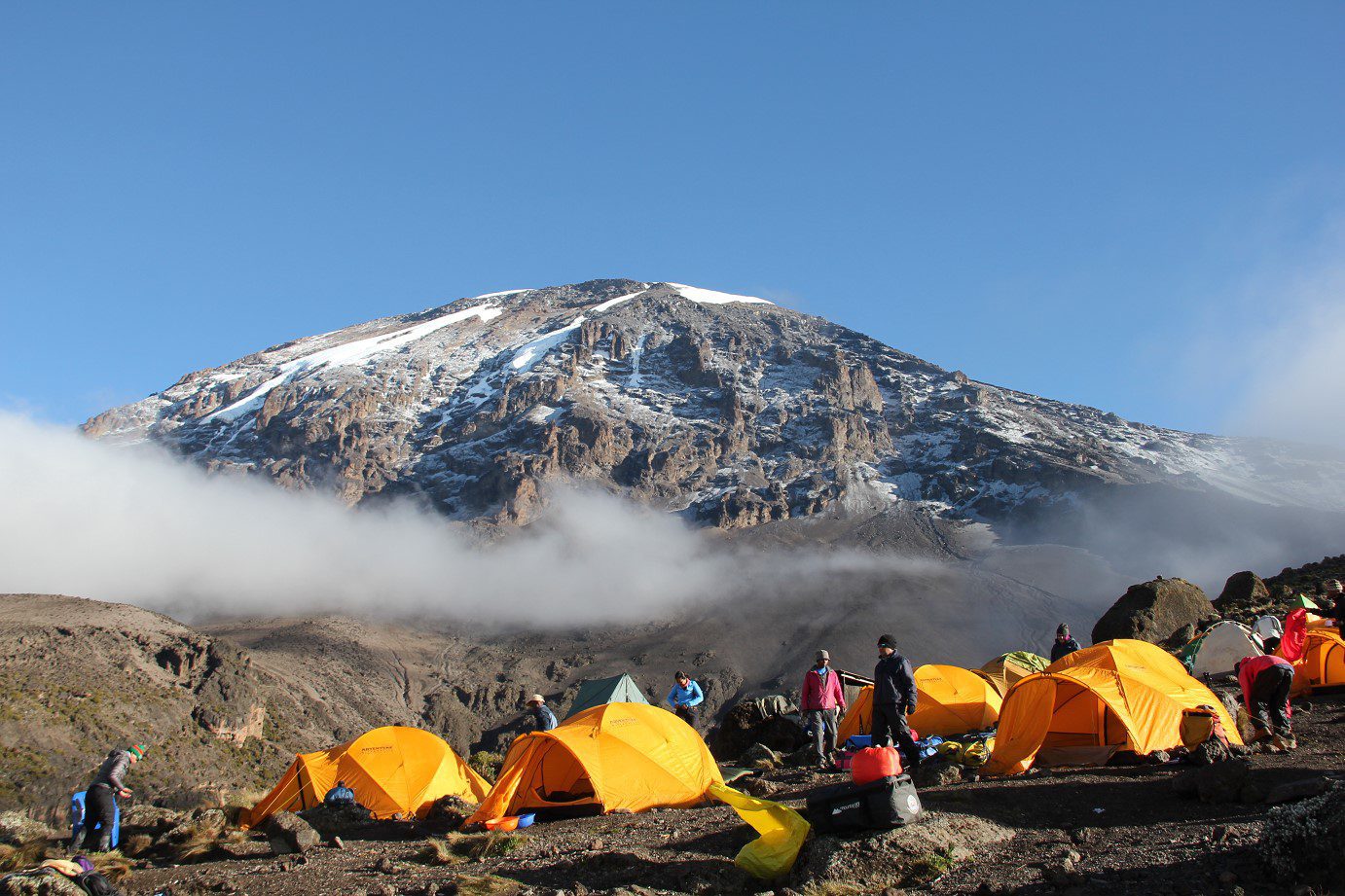
Cultural Significance of the Peaks of Mount Kilimanjaro
For the local Chagga people, the peaks of Mount Kilimanjaro hold deep cultural and spiritual meaning. The mountain has long been viewed as a sacred place, a source of life-giving water, and a symbol of permanence and strength.
Different peaks have been associated with spirits, legends, and traditional beliefs passed down through generations. Even today, Kilimanjaro’s presence shapes local identity and cultural practices.
Understanding the cultural dimension of the peaks of Mount Kilimanjaro adds depth to any visit. It reminds climbers and observers that the mountain is not just a physical challenge but also a place of human history and meaning.
Climbing Routes and How They Interact With the Peaks of Mount Kilimanjaro
Most climbing routes on Mount Kilimanjaro are designed to approach Kibo, as it is the only peak commonly summited. However, the routes often traverse or pass near Shira and Mawenzi, allowing climbers to experience all three peaks in different ways.
Routes such as Lemosho and Shira cross the Shira Plateau early in the climb, providing expansive views and gentle acclimatization. Routes like Machame and Rongai offer dramatic perspectives of Mawenzi as climbers move higher. All routes eventually converge toward Kibo for the final ascent.
This interaction with multiple peaks is a defining feature of the Kilimanjaro experience. Few mountains in the world offer such diversity within a single climb, making the peaks of Mount Kilimanjaro uniquely rewarding.
Climate Change and the Future of the Peaks of Mount Kilimanjaro
One of the most discussed aspects of the peaks of Mount Kilimanjaro is the retreat of its glaciers. Over the past century, the ice fields on Kibo have significantly diminished due to rising temperatures and changing precipitation patterns.
These changes affect not only the visual character of the mountain but also local water systems and ecosystems. The disappearing ice has become a powerful symbol of global climate change and its impact on even the most iconic natural landmarks.
The future appearance of the peaks of Mount Kilimanjaro will likely differ from what past generations knew. This reality adds urgency to conservation efforts and underscores the importance of responsible tourism.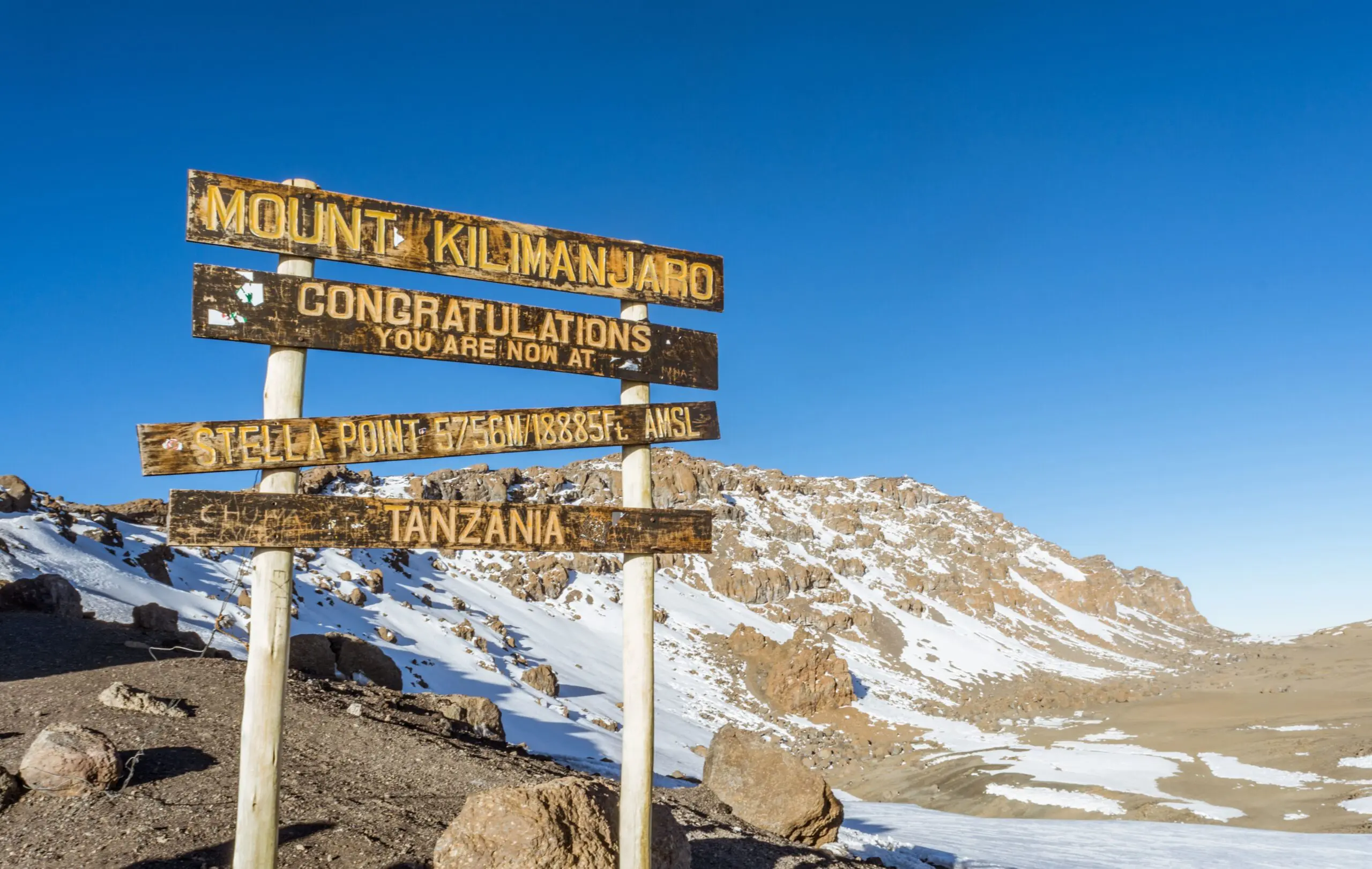
Why the Peaks of Mount Kilimanjaro Continue to Inspire
The peaks of Mount Kilimanjaro represent more than elevation statistics. They embody geological history, ecological diversity, cultural meaning, and human aspiration. Each peak contributes a distinct chapter to the mountain’s story, creating a whole that is greater than the sum of its parts.
Whether you are drawn to the ancient plateau of Shira, the jagged drama of Mawenzi, or the snow-capped summit of Kibo, Kilimanjaro offers something profound. Its peaks challenge our bodies, expand our understanding of the natural world, and remind us of our place within it.
For climbers, reaching the highest of the peaks of Mount Kilimanjaro is a personal triumph. For others, simply learning about these peaks deepens appreciation for one of Earth’s most extraordinary mountains.
Final Thoughts on the Peaks of Mount Kilimanjaro
The peaks of Mount Kilimanjaro tell a story that spans millions of years and touches countless lives. They are a testament to the power of nature and the enduring human desire to explore and understand our world.
By learning about Shira, Mawenzi, and Kibo, we gain insight into how mountains are formed, how ecosystems adapt, and how cultures connect with the landscapes around them. Kilimanjaro’s peaks are not just high points on a map. They are symbols of time, change, and possibility.
Whether you plan to climb the mountain or simply admire it from afar, understanding the peaks of Mount Kilimanjaro enriches the experience and deepens respect for one of the planet’s most remarkable natural wonders.