
The risks and the essential safety measures for Kilimanjaro Trek
While the mountain beckons with its majestic challenge and unparalleled views, we prioritize transparency regarding the risks and the essential safety measures required for a successful and memorable journey. The primary cause of serious complications on Kilimanjaro is Acute Mountain Sickness (AMS), which, if ignored, can progress to life-threatening conditions like High Altitude Pulmonary/Cerebral Edema (HAPE/HACE). Our commitment is to manage this risk rigorously, ensuring that your focus remains on the experience, not the danger. By strictly adhering to proven acclimatization strategies and utilizing our expert-guided protocols, the vast majority of trekkers safely achieve their goal. Join Active African Vacations to transform an ambitious challenge into a triumphant reality, secured by the highest standards of safety and professionalism.
Things Tragically claim the lives of trekkers: Mount Kilimanjaro altitude-related illness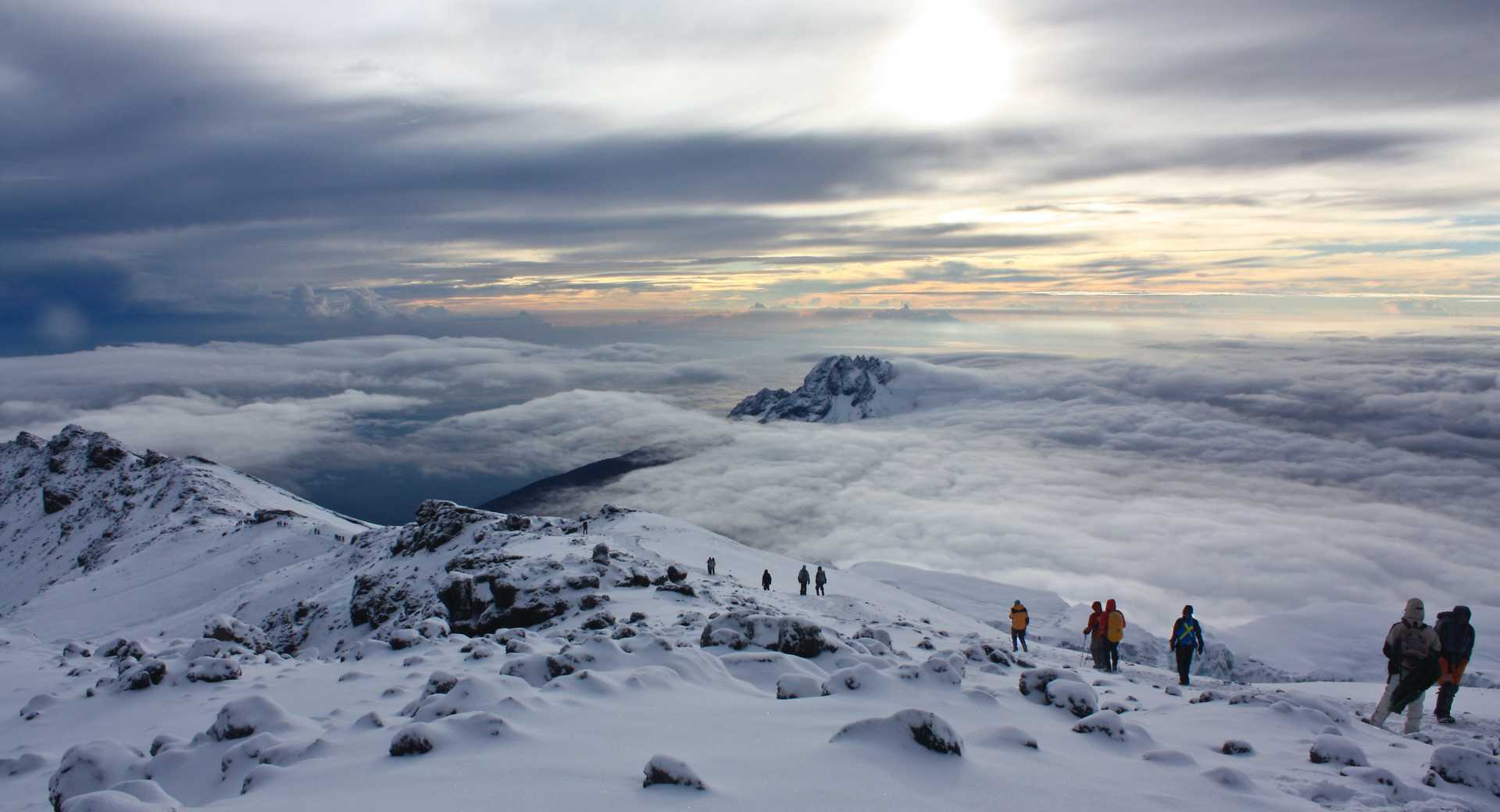
- High-Altitude Illness (Altitude Sickness)
The most common fatal factor: As trekkers ascend, the decrease in available oxygen can cause the body to react in life-threatening ways, particularly if the ascent is too rapid, which is often the case on shorter routes.
- High Altitude Pulmonary Edema (HAPE): This is the single deadliest form of altitude sickness on Kilimanjaro. It involves fluid buildup in the lungs, which makes breathing extremely difficult, even at rest. HAPE accounts for a significant majority of altitude-related fatalities.
- High Altitude Cerebral Edema (HACE): This involves swelling of the brain, leading to symptoms like severe confusion, loss of coordination (ataxia), and eventually unconsciousness.
- Acute Mountain Sickness (AMS): While mild AMS is common and not usually fatal (headache, nausea), it can rapidly progress to HAPE or HACE if the trekker continues to ascend without proper rest or descent.
- Pre-Existing Medical Conditions
The extreme physical exertion and high altitude can exacerbate underlying health issues, most notably those related to the heart.
- Heart Attacks (Myocardial Infarction): The combination of reduced oxygen and strenuous climbing puts significant strain on the cardiovascular system, posing a risk to trekkers with pre-existing heart or blood pressure conditions.
- Accidents and Trauma
While Kilimanjaro is a non-technical trek, accidents still occur.
- Falls/Slips: Trekkers can slip on loose scree, muddy paths, or icy patches, especially on the descent or in adverse weather.
- Rockfalls: Certain sections, like the Western Breach route, are susceptible to rockfalls, which have historically caused fatalities and are often avoided by modern operators.
- Environmental Factors
These are less common but still contribute to fatalities, especially when combined with other issues like exhaustion or altitude sickness.
- Hypothermia: Temperatures on the upper slopes, especially near the summit, can drop well below freezing. Inadequate gear or getting wet can quickly lead to lethal hypothermia.
- Dehydration: The high altitude increases the rate of water loss, and severe dehydration can worsen the symptoms of altitude sickness.