The Ultimate Guide to Wildlife Safaris in Tanzania
Tanzania is a land where ancient migration routes carve their way across endless savannahs, where volcanic craters shelter some of the densest wildlife on the continent, and where baobabs stand like silent guardians over great elephant herds. A safari here is not just a holiday; it is an immersion into one of the world’s last great wildernesses. This ultimate guide to wildlife safaris in Tanzania takes you deep into the country’s most extraordinary ecosystems, from iconic plains to remote frontiers, unraveling everything you need to know to plan an unforgettable journey.
Understanding Tanzania’s Safari Circuit
Tanzania’s beauty lies in its diversity. While the country is most famous for the Serengeti, it is only one part of a vast network of protected areas that together create a world-class safari destination. Travellers often explore the northern circuit first, discovering the country’s most famous wildlife locations, before venturing into less-visited regions that offer solitude and exclusivity. The choice of region depends on your interests, the time you have, and the type of experience you dream of. Each circuit carries its own rhythm, wildlife density, landscapes, and cultural encounters.
The Northern Safari Circuit
The northern circuit is Tanzania’s most celebrated safari region, offering a rich concentration of parks that can easily be combined into a single journey. This is where you encounter the wildlife documentaries that shaped your imagination growing up—where lions lounge in golden grass, where wildebeest thunder across rivers, and where dramatic volcanic landscapes form natural amphitheaters for wildlife.
Serengeti National Park
The Serengeti is Africa’s most iconic wildlife destination, a place where the landscape stretches unbroken to the horizon and where predators and prey reenact timeless scenes of survival. Across its sweeping plains, more than two million wildebeest, zebras, and gazelles participate in the world-famous Great Migration. Depending on the season, travellers may witness river crossings filled with adrenaline and danger, birthing seasons when new life floods the plains, or predator-rich interactions during the dry months. The Serengeti is vast enough to feel untouched and personal; game drives here often feel like solitary expeditions into nature’s raw beauty. Sunrises shimmer through the acacia trees, hot-air balloons glide silently over the plains, and nocturnal sounds echo around remote tented camps, creating a sense of timelessness unique to this corner of Africa.
Ngorongoro Crater
Often referred to as the Eighth Wonder of the World, Ngorongoro Crater is a dramatic caldera formed millions of years ago. Within its circular walls lies a self-contained ecosystem that supports an extraordinarily high density of wildlife in a relatively compact area. Descending into the crater is like stepping into a prehistoric Eden—lions roam the grasslands, huge bull elephants feed among fever trees, and hippos crowd freshwater pools. The crater is one of the best places in Tanzania to see endangered black rhinos, and its natural boundaries allow for easy game viewing throughout the year. For photographers, Ngorongoro’s mix of dramatic scenery and close wildlife encounters creates unforgettable images.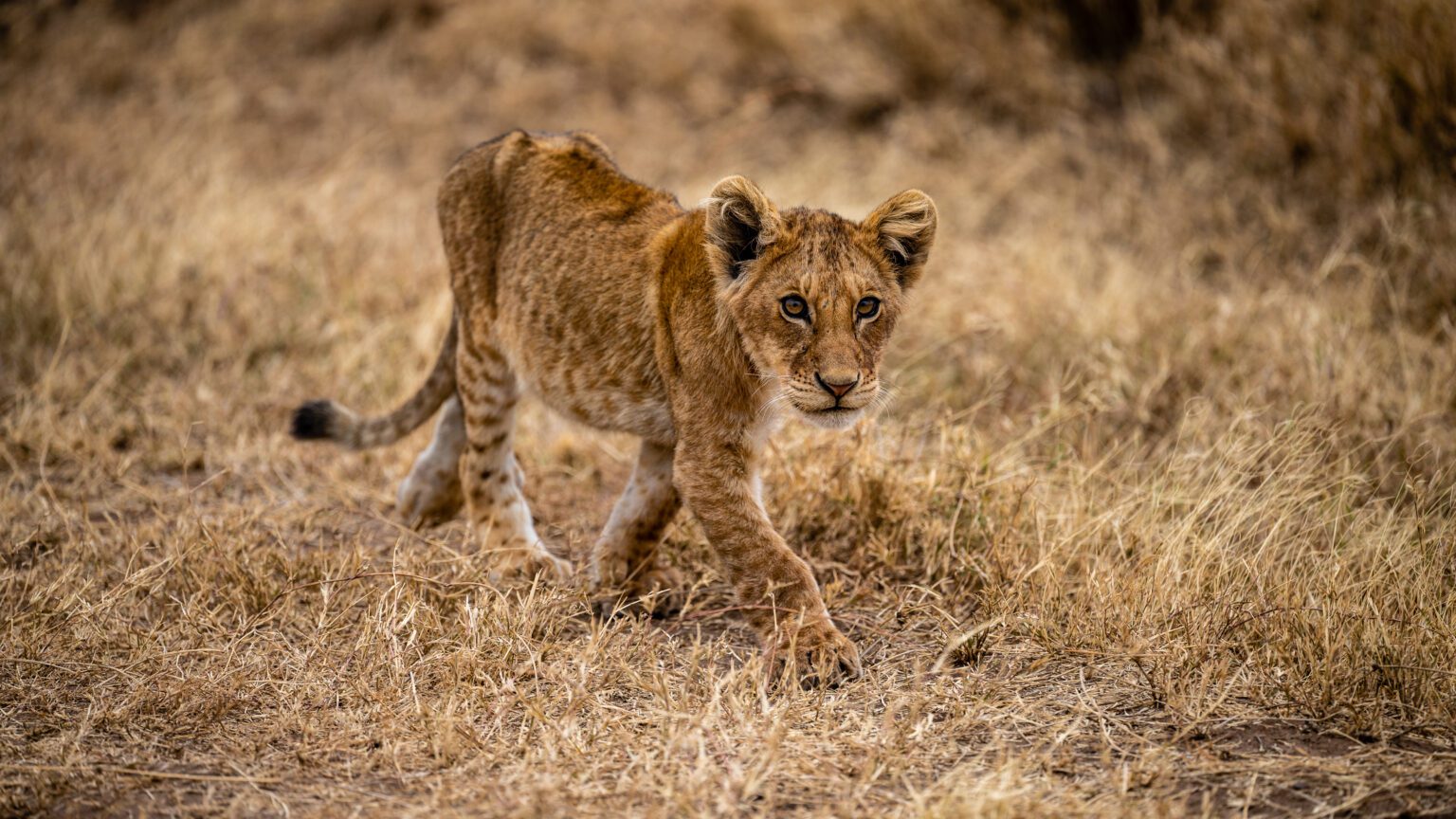
Tarangire National Park
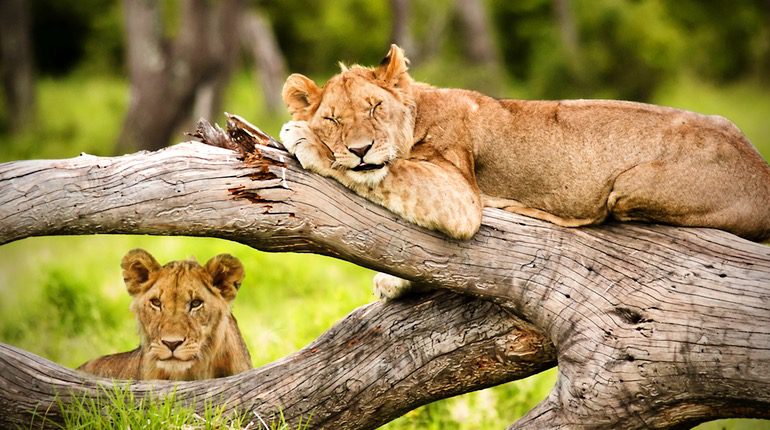
Tarangire is known for its towering baobabs, sweeping woodlands, and impressive elephant herds that gather in the thousands during the dry season. The Tarangire River acts as a magnet for wildlife, drawing zebras, wildebeest, giraffes, and predators to its banks. Tarangire’s ecosystem supports an array of species less frequently seen in northern parks, including fringe-eared oryx, kudu, and large populations of lions that are increasingly known for their tree-climbing behavior. The park remains quieter than other northern destinations, which allows travellers to enjoy intimate wildlife encounters without the crowds often found in more famous areas.
Lake Manyara National Park
Nestled at the base of the Rift Valley escarpment, Lake Manyara holds a lush beauty that distinguishes it from the savannah parks. The groundwater forest at its entrance feels cool and alive, with blue monkeys, troops of baboons, and birdlife thriving within. Further into the park, travellers encounter floodplains and the shimmering alkaline lake, where flamingos and pelicans create splashes of pink and white. Manyara is also known for its tree-climbing lions and the dramatic landscapes that shift with the seasons. Though compact, it offers surprising diversity for a single-day safari.
The Southern Safari Circuit
The southern circuit offers a different kind of safari—remote, wild, and untouched by mass tourism. This is where travellers come for exclusive wilderness experiences, vast game reserves, and the feeling of being alone in nature. The parks here are larger, less crowded, and often more adventurous, making them ideal for seasoned safari lovers or those looking for deeper immersion.
Nyerere National Park (Formerly Selous Game Reserve)
Nyerere National Park is one of the largest protected areas in Africa and a haven for elephants, hippos, crocodiles, and predators. Its network of rivers and lakes offers opportunities for boat safaris, giving travellers a unique viewpoint as they glide past pods of hippos or watch elephants drinking at water’s edge. Nyerere’s landscapes shift between riverine forests, savannahs, and wetlands, creating a rich tapestry of habitats. The remoteness of the region ensures a private, secluded safari atmosphere.
Ruaha National Park
Ruaha embodies Africa’s rugged spirit. It is Tanzania’s second-largest national park and one of its most predator-rich ecosystems. Here, lions gather in unusually large prides, leopards lurk on rocky outcrops, and cheetahs chase prey across open plains. Ruaha is also home to rare species such as sable antelope, roan antelope, and wild dogs. The park’s isolation means fewer vehicles, more authentic wilderness, and long stretches of uninterrupted game viewing. Its dramatic baobab landscapes and seasonal riverbeds make Ruaha one of Tanzania’s most visually striking parks.
The Western Safari Circuit
The western circuit is for the adventurous traveller seeking once-in-a-lifetime encounters. Unlike the savannah parks, these remote regions offer forested landscapes where travellers come face to face with great apes and explore untouched marine environments.
Mahale Mountains National Park
The Mahale Mountains rise sharply from the shores of Lake Tanganyika, creating a setting of ethereal beauty. The park is famed for its population of wild chimpanzees, and tracking them through dense forests is one of Africa’s most profound wildlife experiences. The trek involves hiking through tangled vines, listening for distant calls, and quietly approaching the primates as they interact, feed, and communicate. After encounters in the forest, travellers often retreat to lakeside lodges where crystal-clear waters invite swimming and kayaking. Mahale combines adventure, serenity, and cultural richness in a way few places can match.
Katavi National Park
Katavi is Tanzania’s wild frontier—a remote and untouched park where vast herds of buffalo roam, hippos crowd shrinking pools, and lions rule entire regions. During the dry season, the concentration of wildlife around Katavi’s remaining water sources creates dramatic scenes of survival and competition. Only a handful of visitors make it to Katavi each year, ensuring a safari experience that feels entirely exclusive. It is a park for true wilderness lovers and photographers seeking rare, uncrowded moments.
The Great Migration: Nature’s Greatest Spectacle
The Great Migration is the Serengeti’s most extraordinary phenomenon. Every year, more than two million animals follow ancient routes in search of fresh grazing, creating a circular movement that spans Tanzania and Kenya. From December to March, the southern Serengeti becomes a massive nursery as wildebeest give birth to thousands of calves each day. Predators are never far behind, leading to breathtaking scenes of hunting and survival.
From June to October, the herds push northward, culminating in the dramatic river crossings of the Mara and Grumeti Rivers. Watching the struggle of the wildebeest as they face crocodile-infested waters is one of the most powerful wildlife experiences on Earth. Timing is crucial for witnessing specific migration events, but Tanzania offers exceptional viewing opportunities year-round.
Best Time to Visit Tanzania for a Safari
Tanzania offers excellent safari experiences throughout the year, though certain seasons bring distinct advantages. The dry season, from June to October, is the most popular period due to clear skies, thinning vegetation, and high concentrations of wildlife around water sources. This is also the best time for the Great Migration river crossings.
From November to March, the landscape transforms with lush greenery, migratory birds fill the skies, and the calving season begins in the southern Serengeti. Photographers often prefer this time for its dramatic skies and vibrant colors. April and May bring heavier rains, which can limit accessibility in some parks but also create quieter, more affordable safaris. Every season holds something magical, and the ideal time depends on the traveller’s interests.
Choosing the Right Safari Style
Tanzania offers a variety of safari styles to match traveller preferences. Classic game-drive safaris allow you to explore vast landscapes in open vehicles with experienced guides interpreting animal behavior. Fly-in safaris are ideal for those seeking comfort and speed, allowing access to remote locations like Ruaha or Mahale without long road transfers. Walking safaris offer a deeper, more intimate connection to nature, focusing on tracking wildlife, identifying plants, and learning about ecosystems. Cultural safaris complement wildlife experiences by providing opportunities to engage with Maasai, Datoga, or Hadzabe communities, adding depth to your understanding of Tanzania’s heritage.
Planning Your Safari: What to Expect
A well-planned safari blends comfort, adventure, and immersion. Travellers typically stay in tented camps or lodges, each offering a unique atmosphere that blends luxury with wilderness. Days often begin at dawn, when wildlife is most active, followed by relaxing afternoons and magical sunset drives. Meals are prepared with fresh local ingredients, and evenings conclude around campfires under star-filled skies. Guides play a central role—knowledgeable, skilled, and deeply connected to the land, they elevate the safari from sightseeing to storytelling.
Conservation and Responsible Travel
Tanzania’s parks exist because of decades of conservation efforts and community involvement. Park fees directly support wildlife protection, anti-poaching units, and community development projects. Travellers can contribute by choosing eco-friendly lodges, respecting wildlife distances, avoiding single-use plastics, and supporting local crafts and cultural initiatives. A responsible safari ensures that the landscapes and animals you enjoy today remain protected for future generations.
Why You Should Book With a Trusted Tour Operator
The success of a safari depends greatly on planning, logistics, and the expertise of your guide. A trusted operator ensures seamless coordination—from airport transfers to lodge bookings, migration tracking, and personalized experiences. For travellers seeking a well-organized, safe, and unforgettable safari in Tanzania, partnering with a professional company makes all the difference.
For an exceptional safari experience shaped by local expertise, deep wildlife knowledge, and careful attention to detail, travellers are encouraged to book with Wildlife Safaris Tanzania, a trusted operator known for delivering outstanding safari adventures.