
Top 10 Spots Where to Spot the Big Five in Tanzania for an Authentic African Safari
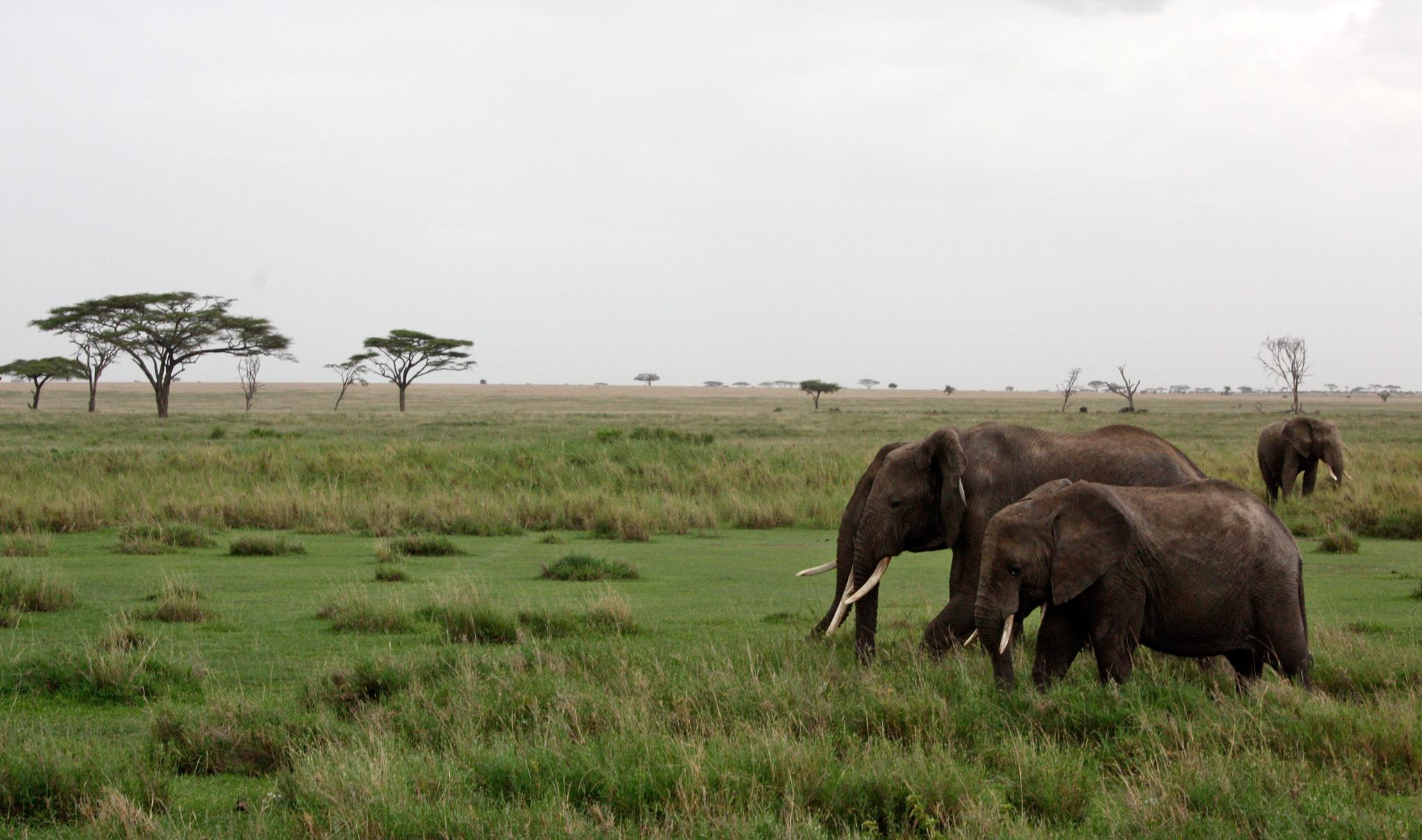
Top 10 spots where to spot the Big Five in Tanzania remains one of the most searched and discussed topics among safari enthusiasts seeking a complete and meaningful wildlife experience. Tanzania is widely regarded as one of Africa’s most reliable destinations for encountering the Big Five, namely lion, leopard, elephant, buffalo, and rhinoceros, within natural and protected ecosystems. The country’s diverse landscapes, well-managed national parks, and strong conservation frameworks create ideal conditions for observing these iconic animals in their natural habitats.
The Big Five concept originated during the colonial hunting era, referring to the five most difficult animals to hunt on foot. Today, the meaning has evolved into a conservation-driven safari goal, representing both wildlife abundance and ecological health. Tanzania offers a rare advantage in that all Big Five species can still be found roaming freely across multiple parks, each providing a distinct environment, viewing style, and safari atmosphere.
This in-depth guide explores the top 10 spots where to spot the Big Five in Tanzania, examining each location through the lens of wildlife density, habitat diversity, accessibility, and viewing reliability. By understanding where and why these destinations excel, travelers are better equipped to plan a safari that balances expectations with ecological reality.
Serengeti National Park as the Ultimate Big Five Destination
When discussing the top 10 spots where to spot the Big Five in Tanzania, Serengeti National Park consistently stands at the forefront. Covering vast plains and woodlands, the Serengeti supports one of the highest concentrations of wildlife in Africa. Lions are particularly abundant, with large prides thriving year-round, while leopards are frequently encountered along riverine areas and rocky kopjes.
Elephants roam the park’s northern and central regions, often moving between wooded corridors and open plains. Buffalo herds are widespread and visible throughout the year. Rhinoceros sightings, while rarer, are possible in protected zones, especially in the northern Serengeti. The sheer scale of the Serengeti increases the likelihood of encountering all five species during a well-planned safari.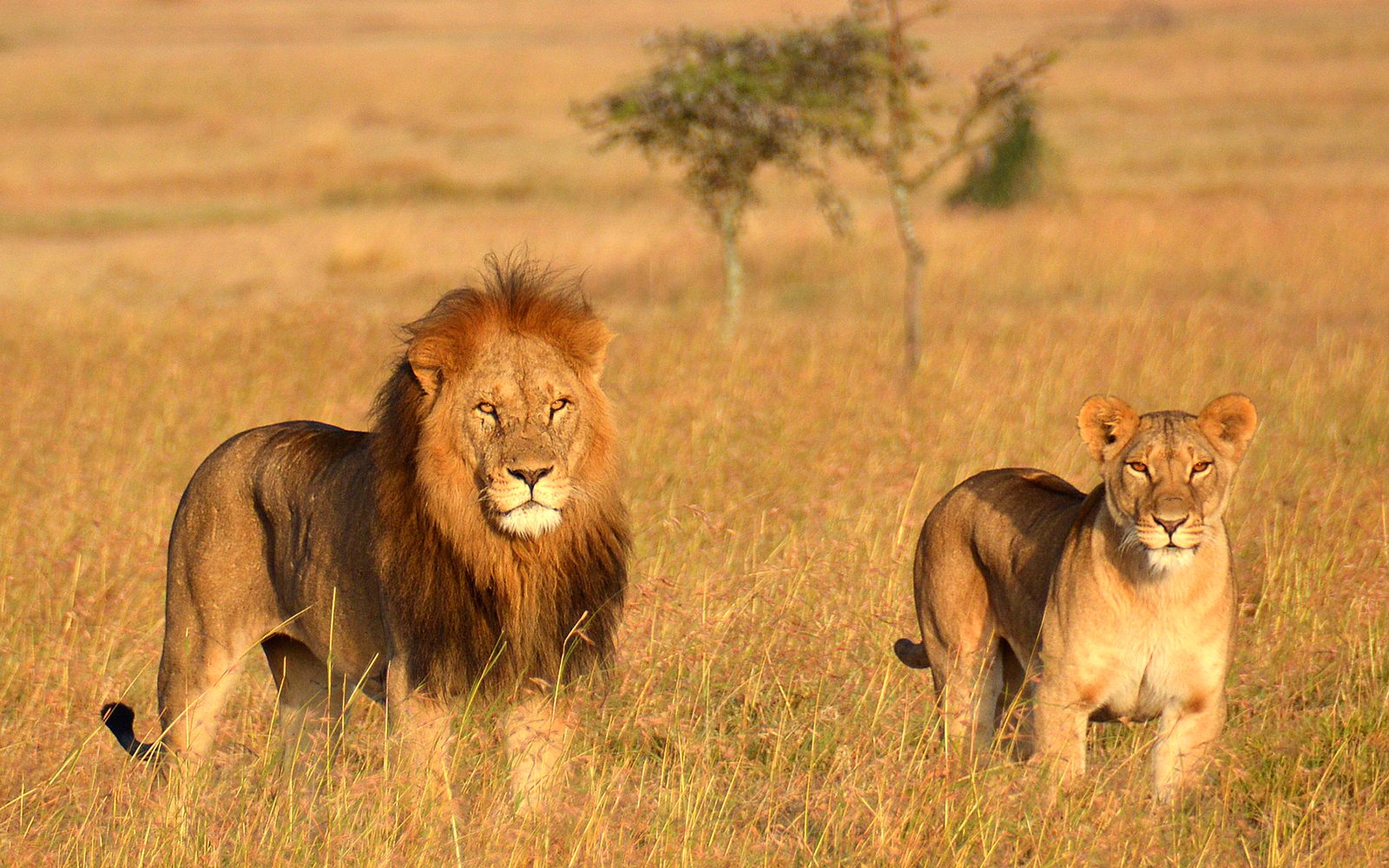
Ngorongoro Conservation Area and the Power of the Crater
Among the top 10 spots where to spot the Big Five in Tanzania, the Ngorongoro Conservation Area offers a uniquely concentrated experience. The Ngorongoro Crater, a UNESCO World Heritage Site, functions as a natural enclosure that supports dense wildlife populations within a relatively small area.
Lions are frequently observed hunting on the crater floor, while elephants, including some of Africa’s largest tuskers, inhabit the forested slopes and open grasslands. Buffalo are present in large numbers, and leopards are occasionally seen along wooded crater walls. Most notably, the crater is one of the most reliable places in Tanzania to see the critically endangered black rhinoceros, making it a cornerstone destination for Big Five safaris.
Tarangire National Park and Its Elephant Dominance
Tarangire National Park earns its place among the top 10 spots where to spot the Big Five in Tanzania due to its exceptional elephant population and seasonal wildlife density. During the dry season, vast numbers of animals migrate toward the Tarangire River, creating concentrated viewing opportunities.
Lions are regularly seen resting in trees or stalking prey across open plains. Leopards, while elusive, are present along riverine forests. Buffalo herds are common, particularly near water sources. Although rhino sightings are rare due to historical poaching, conservation efforts continue to strengthen the park’s ecological balance. Tarangire’s landscape of baobab trees and rolling savannahs adds visual richness to the Big Five experience.
Lake Manyara National Park and Forest-Based Sightings
Lake Manyara National Park is often underestimated, yet it remains one of the top 10 spots where to spot the Big Five in Tanzania, particularly for travelers seeking varied habitats within a compact area. The park is famous for its tree-climbing lions, a rare behavioral adaptation linked to the region’s ecology.
Elephants move gracefully through groundwater forests, while buffalo are frequently seen grazing near the lake’s floodplains. Leopards inhabit the dense woodland, though sightings require patience and expert guiding. Rhinoceros are no longer present, but the park’s proximity to other Big Five regions allows it to complement a broader safari itinerary focused on diversity rather than completeness.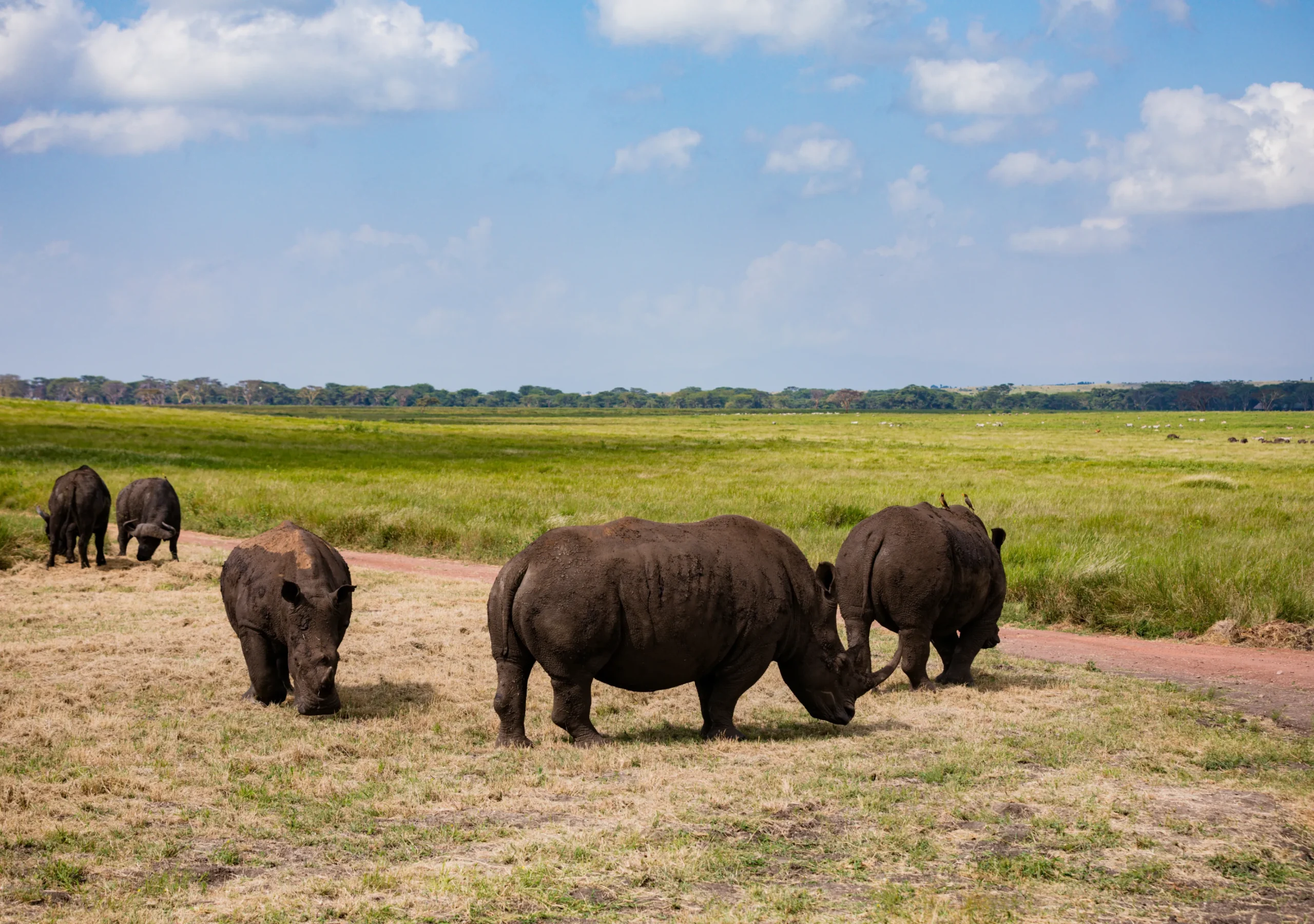
Ruaha National Park and Remote Big Five Encounters
Ruaha National Park represents one of the most authentic and least crowded options among the top 10 spots where to spot the Big Five in Tanzania. Located in southern Tanzania, Ruaha offers vast, rugged landscapes that support a thriving predator population.
Lions in Ruaha are known for their impressive size and strength, while leopards are frequently observed along the Great Ruaha River. Elephants are present in large numbers, particularly during the dry season. Buffalo herds roam freely across the park’s open plains. Although rhino populations are extremely limited, the park’s overall Big Five potential remains strong due to its predator density and low visitor pressure.
Selous Game Reserve and Nyerere National Park Transition
Now largely designated as Nyerere National Park, the Selous ecosystem ranks highly among the top 10 spots where to spot the Big Five in Tanzania. This immense protected area offers river-based safaris, walking safaris, and traditional game drives, creating a multi-dimensional wildlife experience.
Lions and leopards are present, though sightings can be more sporadic due to the park’s size. Elephants are abundant, and buffalo herds are among the largest in Tanzania. Rhino conservation zones exist, but sightings remain rare and highly regulated. The sense of scale and wilderness in Nyerere enhances the significance of each Big Five encounter.
Katavi National Park and Raw Wilderness Appeal
Katavi National Park is one of Tanzania’s most remote and least visited parks, yet it firmly deserves recognition among the top 10 spots where to spot the Big Five in Tanzania. During the dry season, wildlife congregates around shrinking water sources, resulting in dramatic and intense viewing conditions.
Buffalo herds in Katavi are enormous, often numbering in the thousands. Lions and leopards take advantage of this abundance, while elephants dominate the park’s floodplains and woodlands. Rhino presence is minimal, but the park’s raw, untamed atmosphere compensates by delivering some of Africa’s most primal safari moments.
Mahale Mountains National Park and Specialized Big Five Viewing
Mahale Mountains National Park is primarily known for chimpanzee trekking, yet it remains relevant when discussing the top 10 spots where to spot the Big Five in Tanzania due to its unique ecosystem. While not all Big Five species are commonly encountered, lions, leopards, and elephants are present in the surrounding landscapes.
Buffalo are occasionally seen in forest clearings, while rhino are absent. Mahale’s value lies in its integration of primate experiences with classic safari elements, appealing to travelers seeking ecological depth rather than checklist-driven travel.
Gombe Stream National Park and Niche Safari Experiences
Gombe Stream National Park, like Mahale, is not a traditional Big Five destination but still contributes to the broader narrative of the top 10 spots where to spot the Big Five in Tanzania. The park supports limited populations of lions and leopards in surrounding regions, while elephants occasionally traverse nearby corridors.
The emphasis in Gombe is on biodiversity and conservation history rather than comprehensive Big Five viewing. Its inclusion highlights Tanzania’s ecological variety and reinforces the importance of habitat protection across all wildlife zones.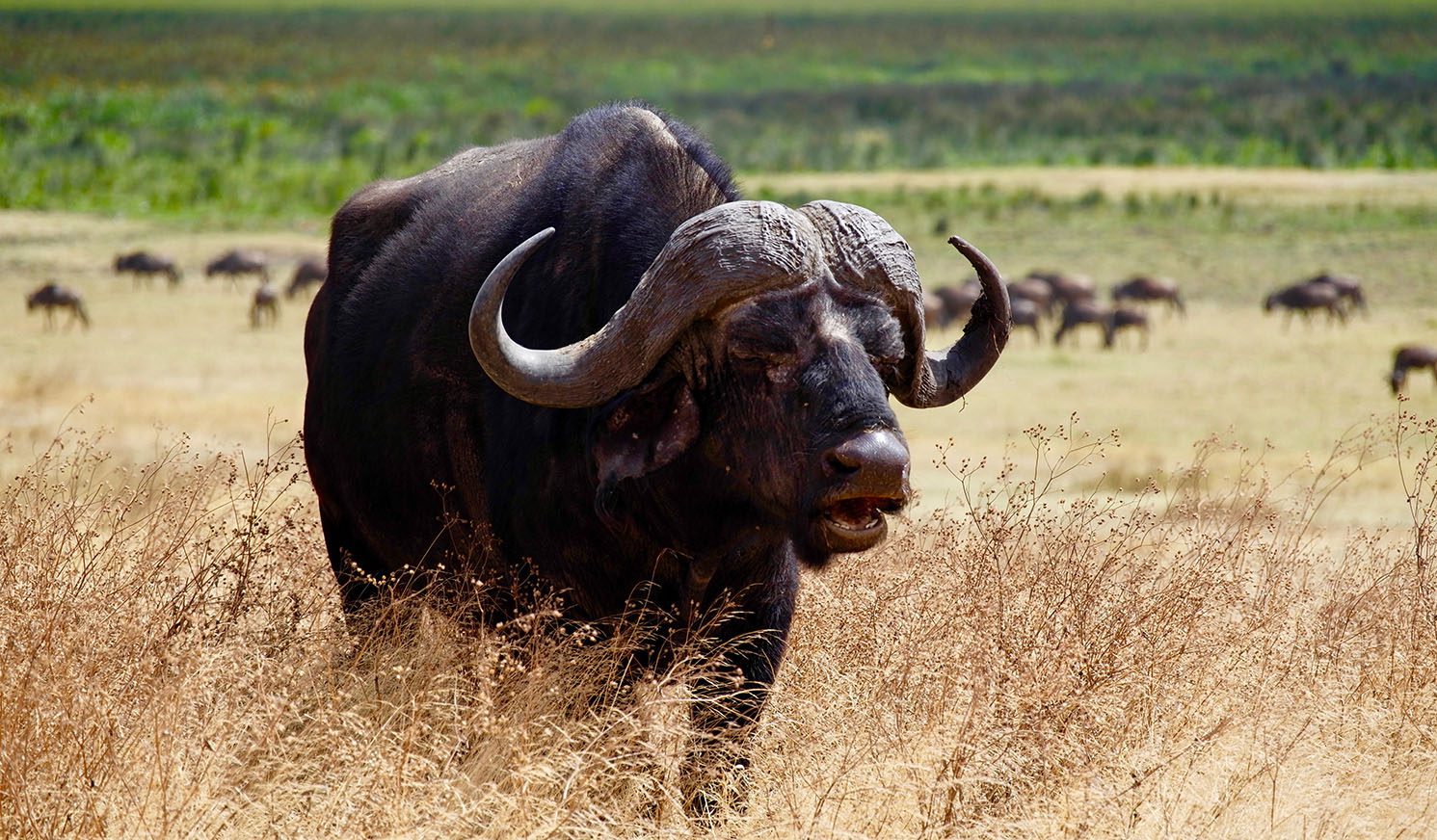
Mikumi National Park as an Accessible Big Five Option
Mikumi National Park completes the list of the top 10 spots where to spot the Big Five in Tanzania by offering accessibility and consistent wildlife sightings. Located near major urban centers, Mikumi supports lions, elephants, buffalo, and leopards within open savannah landscapes.
Rhino sightings are rare, but the park’s ease of access and relatively high wildlife density make it an excellent introduction to Big Five safaris. Mikumi’s role is particularly valuable for travelers with limited time who still seek meaningful encounters.
Choosing the Right Big Five Destination in Tanzania
Understanding the top 10 spots where to spot the Big Five in Tanzania requires aligning personal travel goals with ecological realities. Some parks offer higher probabilities for all five species, while others excel in specific wildlife or experiences. Seasonality, accommodation placement, guide expertise, and conservation policies all influence the quality of sightings.
Rather than viewing the Big Five as a checklist, Tanzania rewards travelers who approach safari planning with patience, curiosity, and respect for nature’s rhythms. Each park contributes uniquely to the country’s reputation as one of Africa’s premier wildlife destinations.
Final Perspective on the Top 10 Spots Where to Spot the Big Five in Tanzania
The top 10 spots where to spot the Big Five in Tanzania collectively demonstrate the country’s unmatched wildlife diversity and conservation leadership. From the iconic plains of the Serengeti to the remote wilderness of Katavi and Ruaha, Tanzania offers experiences that go beyond observation, fostering connection and understanding.
A well-planned safari across these destinations does more than deliver sightings; it tells a story of coexistence, resilience, and natural balance. For travelers seeking authenticity and depth, Tanzania remains a destination where the Big Five are not just seen, but truly experienced.