
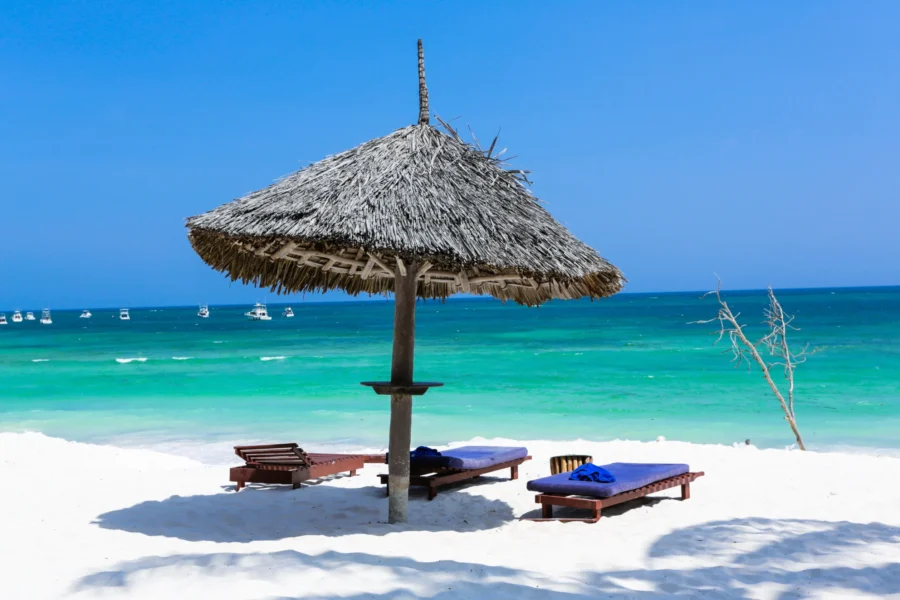
Watamu
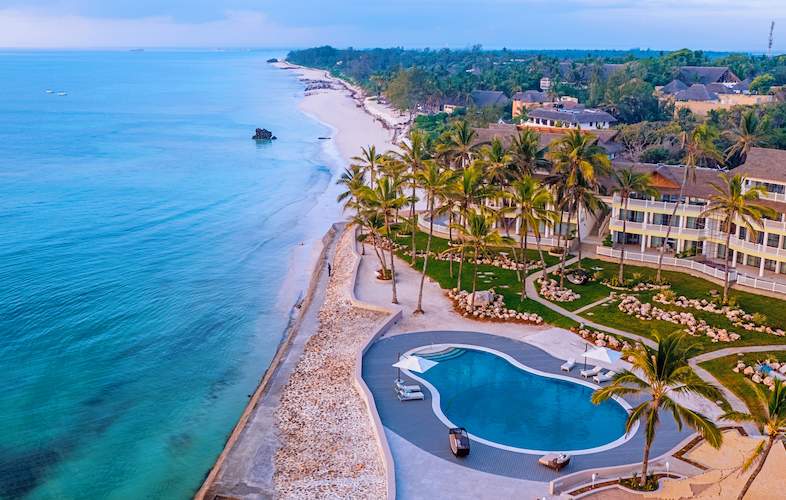
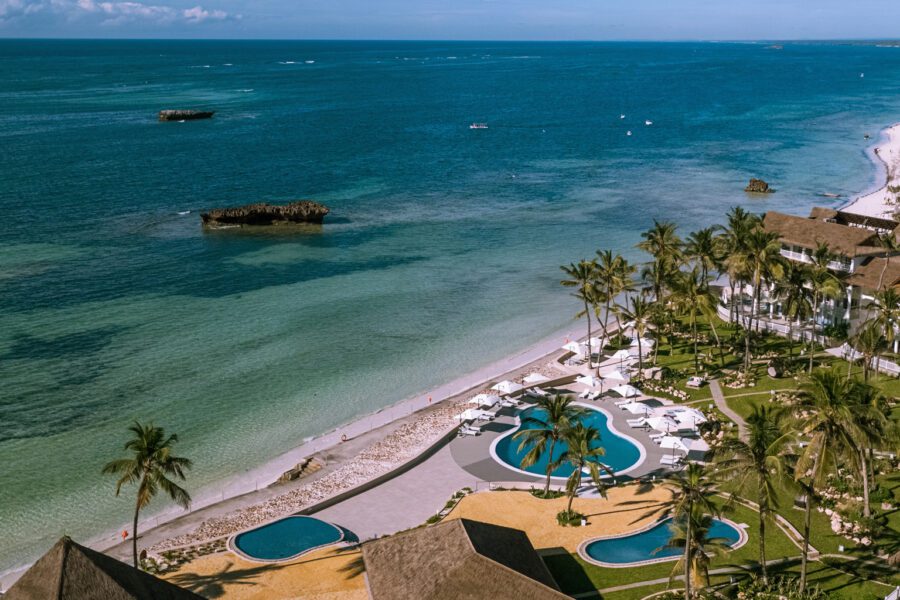
Watamu Beach: A Premier Vacation Destination on Kenya’s Coast
Along the sun-kissed shores of the Indian Ocean, just north of Malindi on Kenya’s northern coast, lies Watamu Beach—a destination that effortlessly blends natural beauty, marine biodiversity, cultural heritage, and relaxed coastal charm. Famous for its powder-white sands, crystal-clear waters, and vibrant coral reefs, Watamu has evolved from a quiet fishing village into one of East Africa’s most beloved vacation destinations.
Unlike busier resort towns, Watamu offers a slower pace of life, making it ideal for travelers seeking tranquility, romance, adventure, and meaningful connection with nature. Whether you are planning a beach holiday, honeymoon, family vacation, or eco-tourism escape, Watamu Beach delivers a unique and memorable experience.
Location and Setting
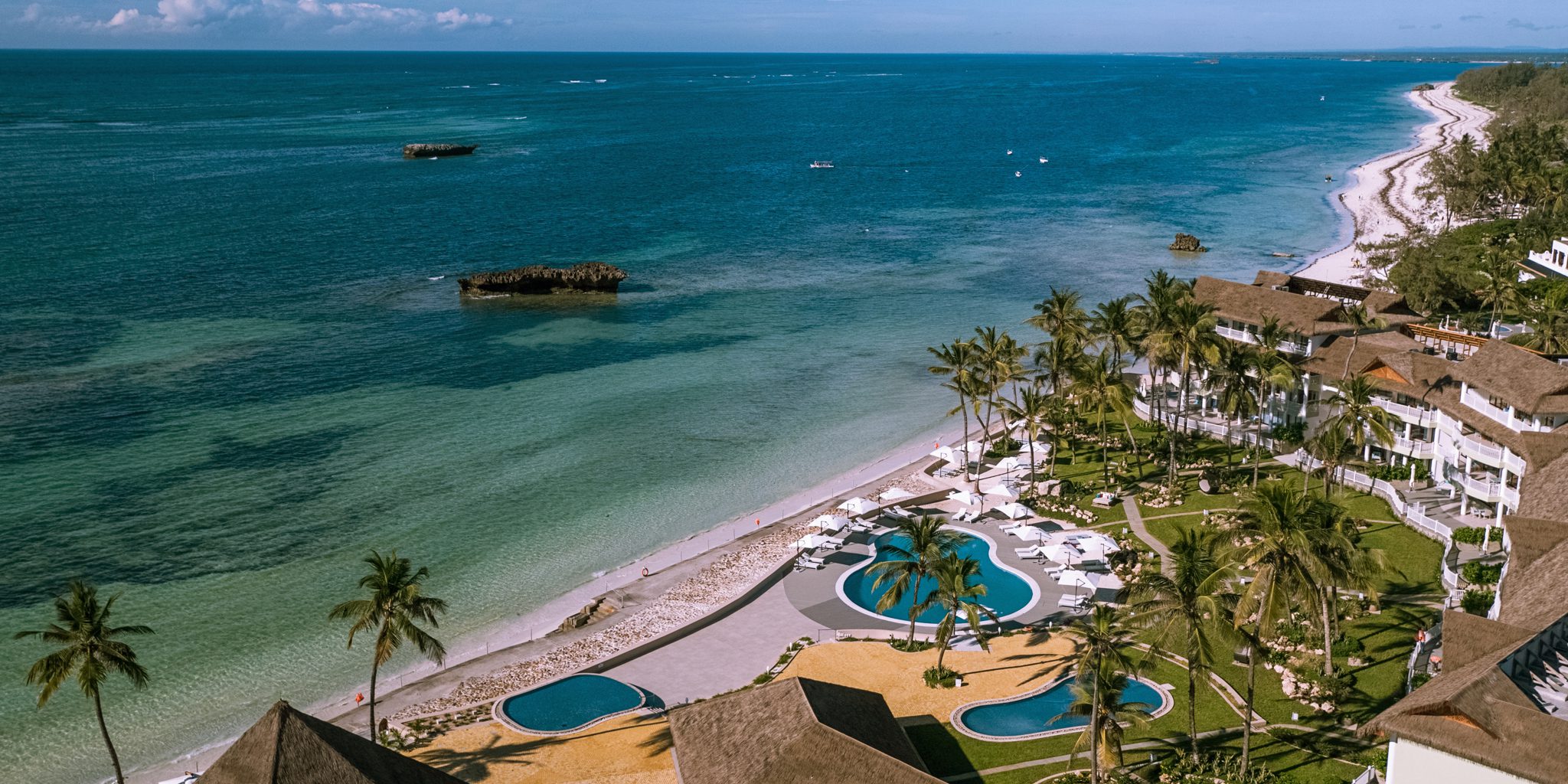
Watamu Beach is located in Kilifi County, approximately 120 kilometers north of Mombasa and about 25 kilometers south of Malindi. It sits within a protected coastal area that includes the Watamu Marine National Park and Reserve, one of Kenya’s most important marine conservation zones.
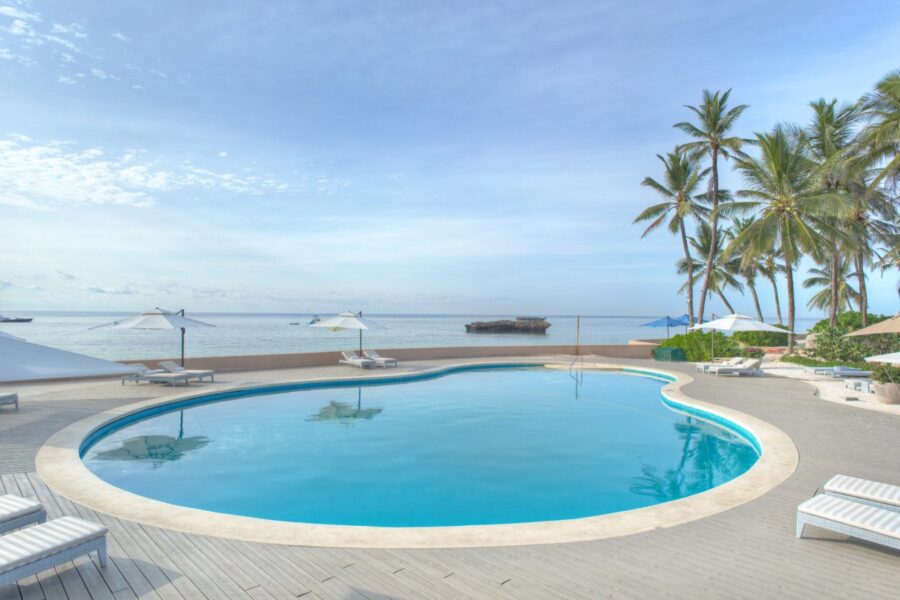
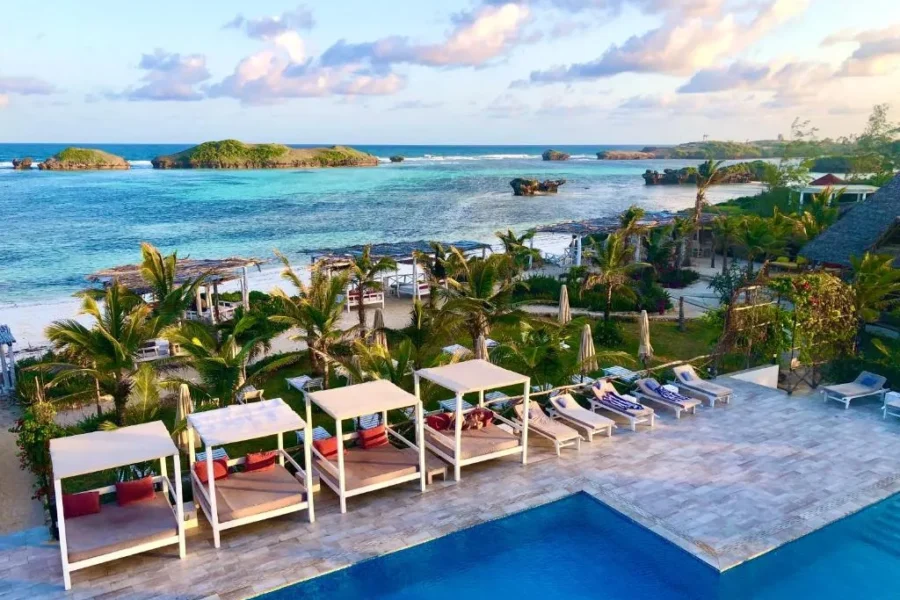
The setting is nothing short of spectacular. Long stretches of soft white sand meet shallow turquoise lagoons, protected by offshore coral reefs that calm the waves and create ideal swimming conditions. Palm trees, mangroves, and coastal forests frame the beach, adding to its tropical appeal. The surrounding environment remains largely unspoiled, giving Watamu a natural, peaceful atmosphere that sets it apart from more commercialized beach destinations.
 A Brief History of Watamu
Historically, Watamu was a small fishing settlement inhabited by local Swahili communities who relied on the ocean for food and trade. Like much of the Kenyan coast, the area was influenced by centuries of interaction between African, Arab, and Asian traders. This cultural exchange shaped the Swahili culture that still defines coastal life today.
Tourism in Watamu began to develop in the late 20th century, particularly attracting international travelers—especially from Europe—drawn by the region’s marine life and relaxed lifestyle. Unlike rapid mass tourism growth seen elsewhere, Watamu developed gradually, allowing conservation and community involvement to remain central to its identity. Today, it is known for responsible tourism, eco-lodges, and strong environmental awareness.
The Beach Experience
Watamu Beach is often described as one of the most beautiful beaches in Africa, and for good reason. The sand is soft and bright, the water is warm year-round, and the tidal changes create stunning natural patterns.
Tides and Lagoons
One of Watamu’s most distinctive features is its dramatic tidal movement. At low tide, the ocean retreats to reveal sandbanks, coral pools, and shallow lagoons where visitors can walk far into the sea and observe marine life up close. At high tide, the water becomes perfect for swimming, kayaking, and snorkeling.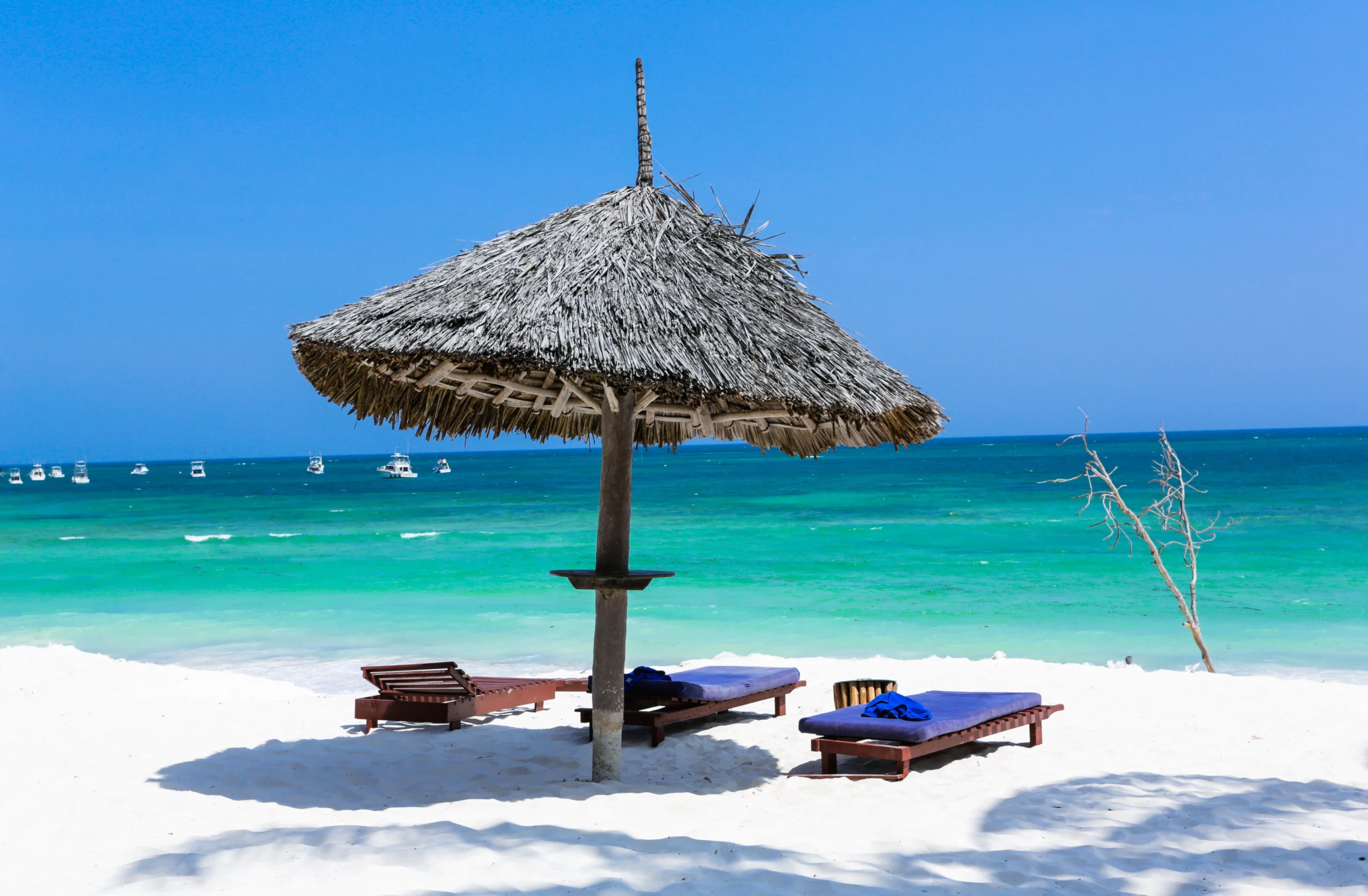
Swimming and Relaxation
Thanks to the protective coral reef, the sea is generally calm, making Watamu ideal for swimming, even for families with children. Beach walks, sunbathing, yoga sessions, and quiet reading under palm trees are popular ways to enjoy the shoreline.
Watamu Marine National Park and Reserve
At the heart of Watamu’s appeal is the Watamu Marine National Park, one of the oldest marine protected areas in East Africa. This park plays a crucial role in preserving coral reefs, marine species, and coastal ecosystems.
Marine Life
The park is home to:
-
Colorful coral reefs
-
Tropical fish species
-
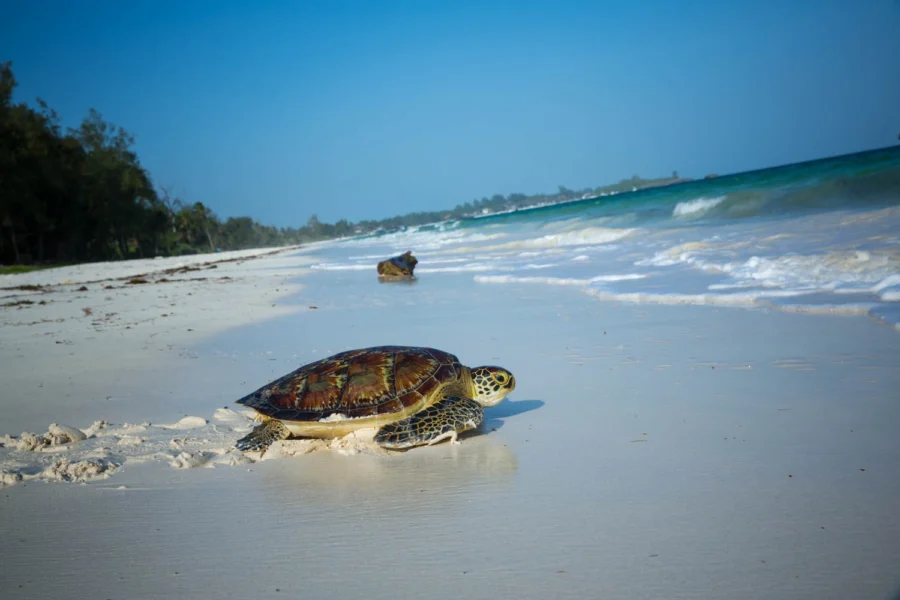
Sea turtles
-
Dolphins
-
Rays and reef sharks
-
Seasonal whale sharks and humpback whales
Snorkeling and diving within the park offer unforgettable underwater experiences, with excellent visibility and rich biodiversity.
Conservation Importance
Watamu is internationally recognized for marine conservation. Turtle protection programs, coral restoration projects, and community education initiatives help safeguard the environment while supporting local livelihoods.
Activities and Things to Do
Watamu Beach offers a wide range of activities, making it suitable for all types of travelers.
1. Snorkeling and Scuba Diving
The coral reefs around Watamu are among the best in Kenya. Beginners and experienced divers alike can explore colorful reef systems, underwater caves, and diverse marine life. Snorkeling is accessible directly from the beach in many areas.
2. Dolphin and Whale Watching
Boat trips provide opportunities to see dolphins year-round. Between July and October, humpback whales migrate along the coast, offering spectacular sightings.
3. Deep-Sea Fishing
Watamu is a renowned deep-sea fishing destination. The offshore waters are rich in marlin, sailfish, tuna, and dorado, attracting sport fishing enthusiasts from around the world.
4. Kayaking and Paddleboarding
Calm lagoons and mangrove creeks make kayaking and paddleboarding peaceful and scenic activities, especially during high tide.
5. Nature Walks and Birdwatching
The area around Watamu is rich in birdlife. Nature walks through coastal forests and mangrove systems reveal kingfishers, herons, eagles, and migratory birds.
Cultural and Historical Attractions
Watamu is not only about beaches—it is also surrounded by sites of cultural and historical significance.
Gede Ruins
Just a short drive from Watamu lies the Gede Ruins, a mysterious ancient Swahili town dating back to the 13th century. Hidden within a forest, the ruins include mosques, palaces, and residential buildings, offering insight into early coastal civilization.
Swahili Culture
Visitors can experience Swahili culture through local villages, traditional cuisine, music, and daily coastal life. Respectful interaction with local communities enhances cultural understanding and supports sustainable tourism.
Local Markets
Small markets and craft shops sell handmade jewelry, carvings, baskets, and textiles, providing opportunities to support local artisans.
Food and Dining
Watamu’s food scene reflects its coastal heritage and international influence.
Seafood and Swahili Cuisine
Fresh fish, prawns, lobster, and crab are widely available, often prepared with coconut milk, spices, and herbs. Popular dishes include:
-
Grilled fish with coconut rice
-
Seafood curries
-
Chapati and samosas
-
Tropical fruits like mangoes and coconuts
International Options
Thanks to its international visitor base, Watamu also offers Italian, Mediterranean, and fusion cuisine, alongside casual beach cafés and fine-dining restaurants.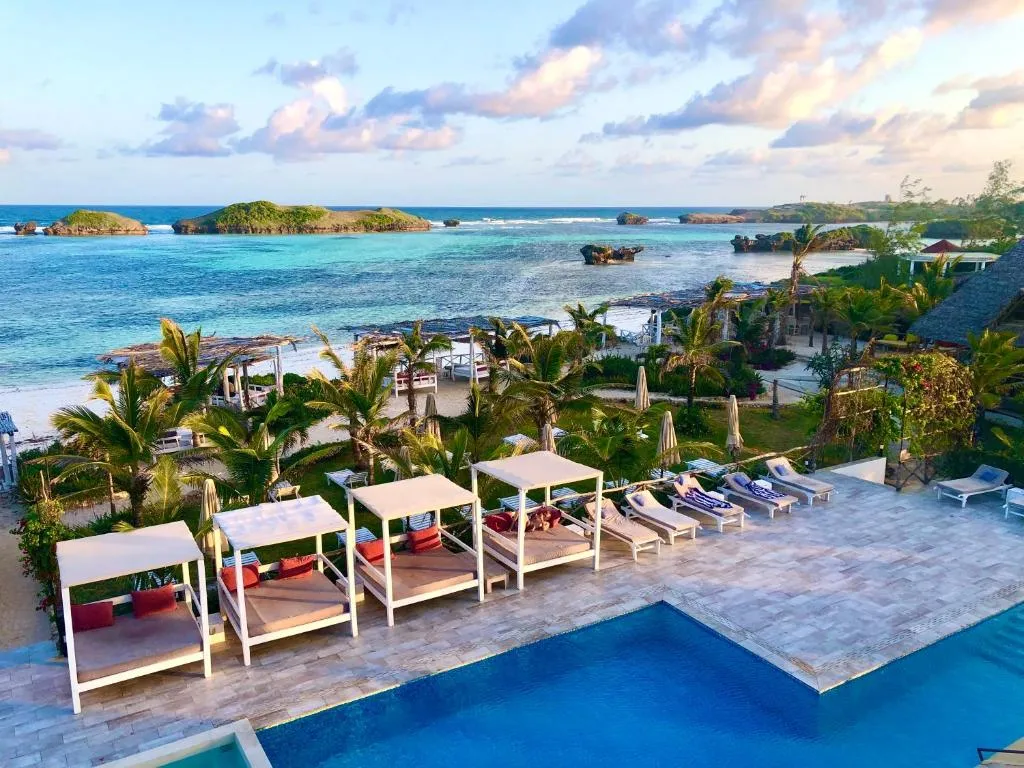
Accommodation Options
Watamu Beach offers accommodation for every budget and travel style.
Luxury Resorts
High-end beachfront resorts provide private beaches, swimming pools, spas, fine dining, and personalized services—ideal for honeymooners and luxury travelers.
Boutique Hotels and Eco-Lodges
Smaller properties focus on sustainability, intimate experiences, and nature-friendly designs, blending comfort with environmental responsibility.
Villas and Apartments
Private villas and self-catering apartments are popular among families and long-stay visitors, offering privacy and flexibility.
Budget Guesthouses
Affordable lodges and guesthouses provide comfortable stays for backpackers and budget-conscious travelers.
Best Time to Visit Watamu Beach
Watamu enjoys a warm tropical climate throughout the year, making it a year-round destination.
Dry Seasons (December–March & July–October)
-
Ideal beach weather
-
Calm seas for snorkeling and diving
-
Peak tourist season with higher prices
Green Seasons (April–June & November)
-
Fewer visitors and lower rates
-
Lush landscapes
-
Occasional rainfall, usually short and refreshing
The shoulder seasons are especially attractive for travelers seeking quieter beaches and better value.
Getting to Watamu
By Air
The nearest airport is Malindi Airport, which receives flights from Nairobi and other regional destinations. Watamu is about a 30-minute drive from Malindi.
By Road
Watamu is accessible by road from Mombasa and Malindi via scenic coastal highways. Private transfers and taxis are commonly used.
Sustainable Tourism and Conservation
Watamu is widely recognized for its commitment to eco-tourism and conservation. Community-based initiatives focus on:
-
Marine protection
-
Turtle conservation
-
Plastic waste reduction
-
Environmental education
Many hotels and tour operators actively support sustainable practices, allowing visitors to enjoy their vacation while contributing positively to the environment and local communities.
Why Choose Watamu Beach as a Vacation Destination
Watamu stands out for several reasons:
-
Pristine, uncrowded beaches
-
Exceptional marine biodiversity
-
Peaceful, laid-back atmosphere
-
Strong conservation ethos
-
Cultural and historical depth
-
Diverse activities beyond the beach
It offers the perfect balance between relaxation and exploration, luxury and simplicity, nature and culture.
Watamu Beach is more than just a place to relax—it is a destination that nourishes the soul. From its sparkling lagoons and vibrant coral reefs to its ancient ruins and welcoming communities, Watamu offers an authentic coastal experience unlike any other.
Whether you are watching the tide roll in over the reef, snorkeling among colorful fish, exploring centuries-old Swahili ruins, or enjoying a quiet sunset dinner by the ocean, Watamu leaves a lasting impression. As a vacation destination, it promises beauty, serenity, adventure, and meaningful connection with nature—making it one of Kenya’s true coastal treasures.