What Is Gorilla Trekking?
Understanding Gorilla Trekking
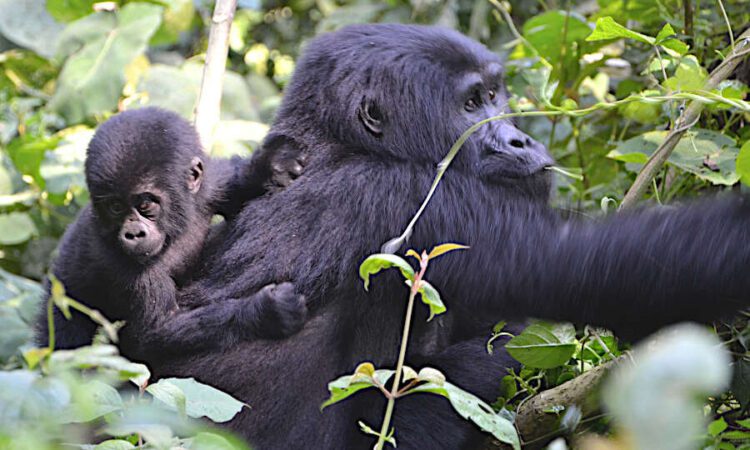
Gorilla trekking is a guided hike through tropical rainforest to find and spend time with wild, but habituated, gorilla families in their natural habitat. Small groups of visitors, accompanied by trained ranger guides and trackers, follow forest trails and fresh signs such as footprints, dung and broken vegetation until they locate a particular family of gorillas. Once the group is found, visitors are allowed a limited amount of time, usually about one hour, to quietly observe and photograph the gorillas while keeping a safe and respectful distance.
Unlike seeing animals in a zoo or safari park, gorilla trekking takes place where the gorillas actually live. The experience is designed to be low-impact, carefully managed and focused on conservation, giving you a rare, intimate encounter with one of the world’s most endangered great apes while helping to protect them and support the communities that live around their forests.
Where Does Gorilla Trekking Take Place?
Gorilla trekking is done mainly in a few mountainous and forested regions of East and Central Africa. Most treks are for mountain gorillas, a subspecies that lives in high-altitude forests on the slopes of volcanic mountains and in dense, ancient rainforests. These gorillas are found in protected national parks in countries such as Uganda, Rwanda and the Democratic Republic of Congo. Each country manages gorilla tourism through its wildlife authority, setting rules on how many people can visit each gorilla family, how long visitors can stay and what behaviour is allowed in the forest.
Because the gorillas move freely through their habitat, there are no fixed viewing platforms or cages. Instead, rangers locate the families each morning before visitors arrive, then guide the trekking groups to those positions. This means no two treks are exactly the same and the distance and time it takes to reach the gorillas can vary from day to day.
How Gorilla Trekking Works
A typical gorilla trek starts early in the morning at a park briefing point. Visitors are checked in, given a safety and behaviour briefing and then divided into small groups, each assigned to a specific gorilla family. The groups are matched as much as possible to guests’ fitness levels, because some gorilla families may be closer while others may require a longer, steeper hike.
With your ranger guide at the front and often an additional guard at the back, you set off along marked paths or, in some cases, freshly cut routes through the forest. The hike can involve climbing, descending, stepping over roots, crossing small streams and pushing through thick vegetation. When the trackers radio that they have located the gorillas, the group moves carefully into position. At this stage, voices are kept low, movements are slow and the group aims to keep the minimum required distance from the gorillas while still allowing a clear view.
Once with the gorillas, the clock starts on your viewing time, normally around one hour. During this period you can watch the family feed, groom, play, climb or simply rest. A silverback might keep a close eye on the group, younger gorillas may tumble together, and mothers gently look after their infants. Rangers help explain what you are seeing and ensure everyone follows the rules for the safety of both gorillas and visitors. After the hour is over, the group quietly leaves the area and hikes back to the starting point.
Why Gorillas Are Habituated for Trekking
The gorilla families that visitors see on treks have gone through a long, careful process known as habituation. This means researchers and rangers have spent many months or even years visiting the same group regularly, staying at a distance and slowly allowing the gorillas to become used to human presence without feeling threatened. The goal is for the gorillas to behave naturally, continuing their normal feeding, resting and social activities while accepting a small group of humans nearby.
Habituation is important because it reduces stress for the gorillas and greatly lowers the chance of aggressive or defensive behaviour. It also allows scientists to study the gorillas more closely and helps park authorities monitor their health and movements. Only a limited number of families are habituated for tourism, and the number of daily visitor permits is controlled to protect the animals.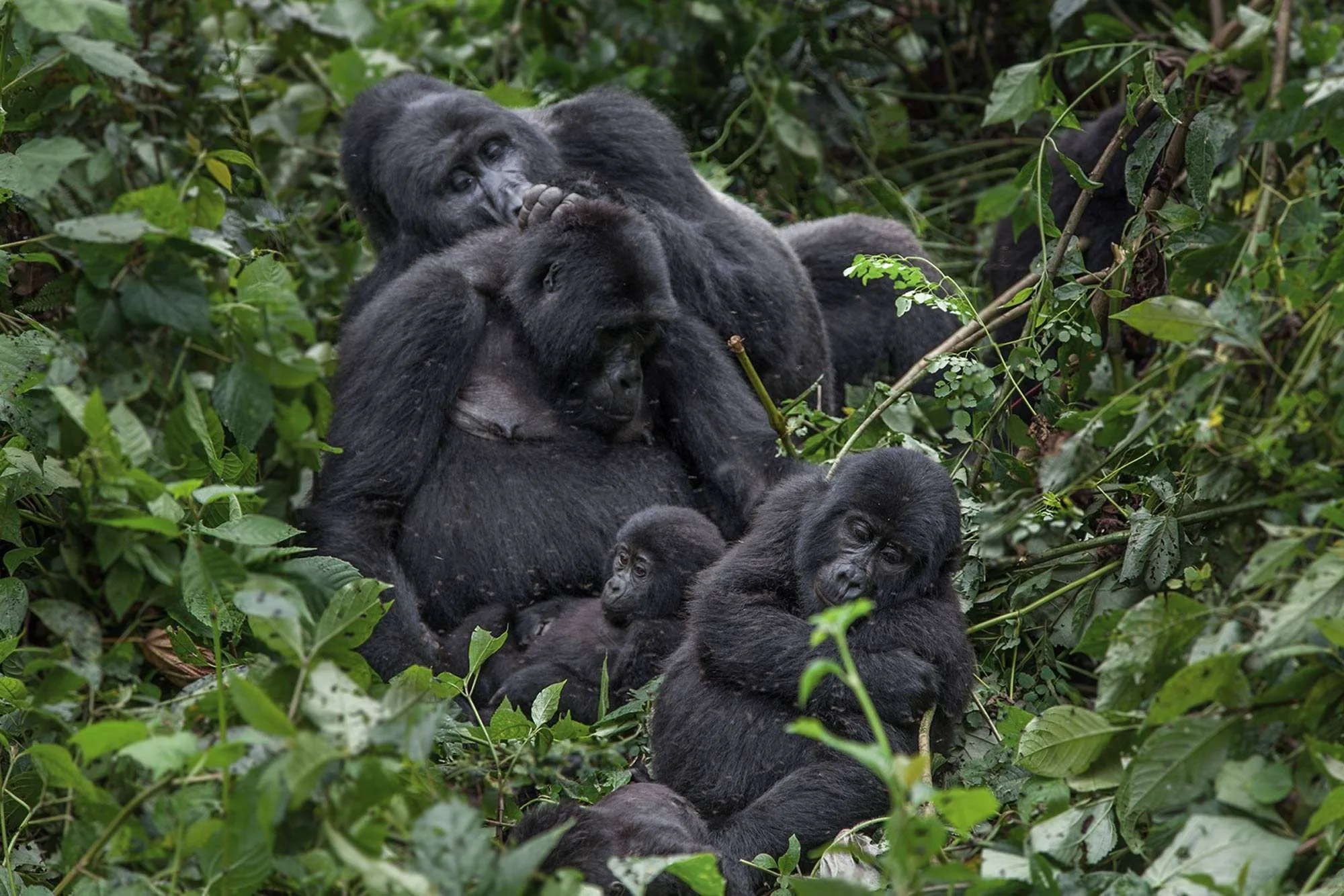
Health, Safety and Rules on a Trek
Because gorillas are closely related to humans, they can catch many of the same illnesses. For this reason, health and safety rules are a big part of gorilla trekking. Visitors who are sick with flu-like symptoms are usually not allowed to trek. During the hike and viewing, guides remind guests to cover their mouths if they need to cough or sneeze, avoid leaving rubbish in the forest and keep a minimum distance from the gorillas whenever possible.
Touching the gorillas is not allowed, and visitors are asked not to make sudden movements, point directly at the animals or speak loudly. Flash photography is normally forbidden, and the viewing time is limited to reduce disturbance. Armed rangers are present as a precaution in wildlife areas, and guides are trained in how to respond calmly to various situations, including if a gorilla approaches the group or if the forest terrain becomes challenging.
Who Can Go Gorilla Trekking?
Most gorilla trekking destinations set a minimum age for visitors, often around fifteen years old, to make sure participants are mature enough to follow the rules and handle the physical demands. There is no strict upper age limit, but the hikes can involve steep slopes, thick vegetation and sometimes slippery or muddy conditions, so a reasonable level of fitness is recommended. Before booking, many travellers talk with their tour operator or lodge about any health concerns or mobility issues so they can be matched to the most suitable trek.
Some parks offer the option of hiring a local porter to help carry your daypack or lend a hand on difficult sections of the trail. This not only supports the community economically but also makes the experience more accessible to people who might otherwise worry about the physical challenge. With good preparation, proper footwear, enough drinking water and realistic expectations, many different ages and fitness levels successfully enjoy gorilla trekking.
Why Gorilla Trekking Matters for Conservation
Gorilla trekking is more than just an exciting wildlife experience; it is also a major part of conservation efforts. The permits visitors pay for go directly toward funding the protection of gorilla habitats, paying rangers, supporting anti-poaching patrols and running research programmes. A portion of the revenue often goes to local communities in the form of schools, clinics, infrastructure and community projects, giving people a reason to value living alongside protected forests.
By visiting responsibly, following guidelines and choosing ethical operators, travellers help show that living gorillas are worth more than any short-term destructive use of the forest. This financial and social support has played a key role in stabilising and, in some areas, slowly increasing some mountain gorilla populations. In this way, gorilla trekking has become a powerful example of how carefully managed wildlife tourism can contribute to the survival of a species while offering visitors an unforgettable experience.
What Makes Gorilla Trekking Special?
Gorilla trekking stands out from many other wildlife activities because of the closeness and emotional impact of the encounter. You are not viewing the animals from far away, but standing quietly among them as they interact, feed and play, often just a few metres from your position. You hear their low grunts, the rustle of leaves as they move and the gentle sounds of the forest around you. There is a strong sense of being a guest in their world, on their terms, for a short, carefully managed moment.
For many people, this hour with gorillas becomes one of the most memorable experiences of their lives. It combines adventure, physical effort, learning about conservation and a deep sense of connection with a species that shares much of our DNA yet lives in a completely different environment. That blend of emotion, respect and wonder is at the heart of what gorilla trekking really is.