
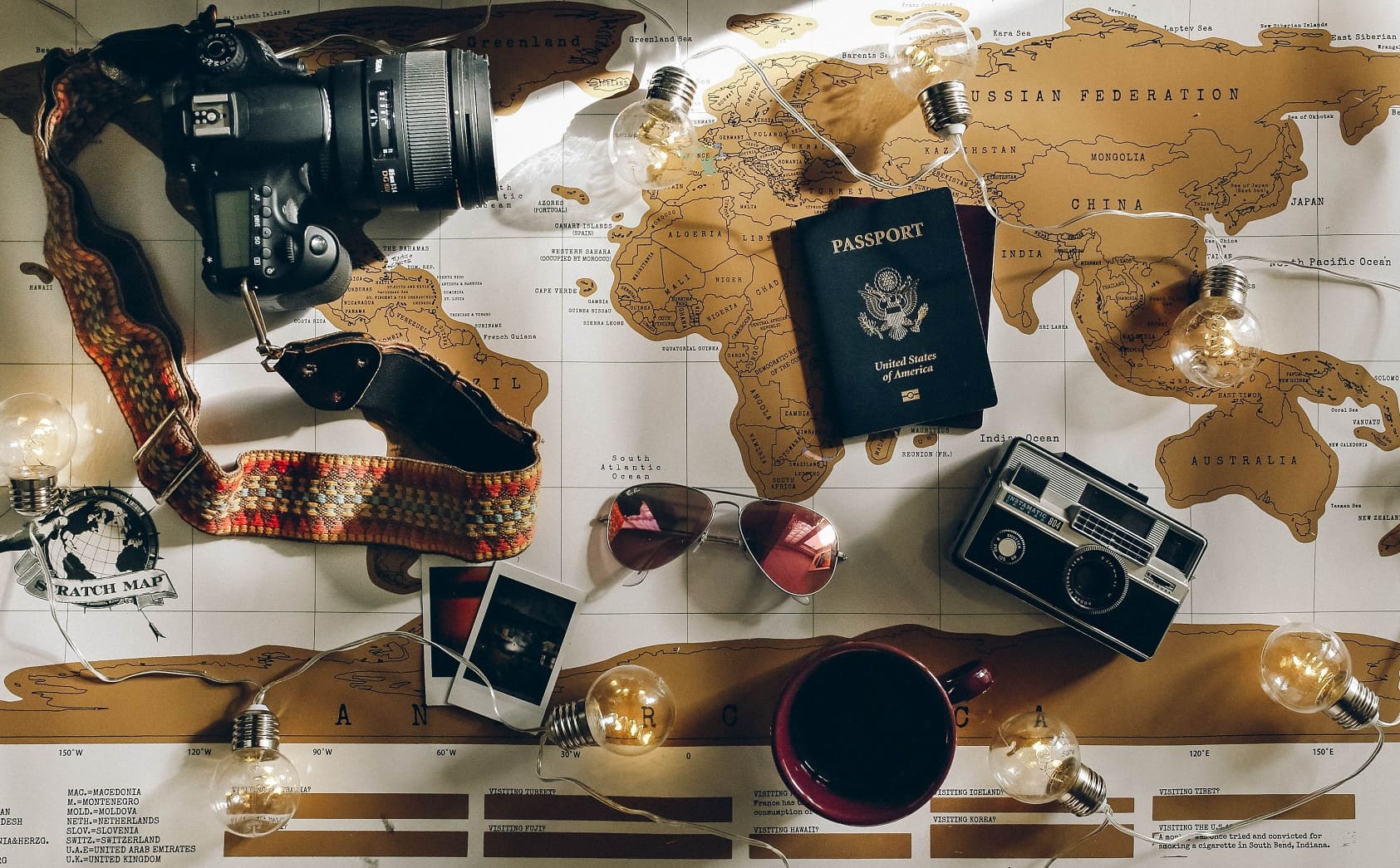
What to Pack for Serengeti Safari
Knowing what to pack for Serengeti safari is one of the most important steps in preparing for a successful and comfortable wildlife experience in Tanzania. The Serengeti is not only one of Africa’s most iconic safari destinations, but also a vast and remote ecosystem where conditions can change throughout the day. Packing correctly ensures comfort, safety, and the ability to fully immerse in game drives, walking experiences, and lodge life without unnecessary inconvenience.
This comprehensive guide on what to pack for Serengeti safari has been carefully structured to reflect real safari conditions, professional travel insight, and practical experience. Every item discussed serves a clear purpose, helping travelers strike the right balance between preparedness, comfort, and minimalism while respecting safari travel guidelines.
Understanding the Serengeti Environment Before Packing
Before deciding what to pack for Serengeti safari, it is essential to understand the environment. The Serengeti spans vast open plains, woodlands, river systems, and rocky outcrops. Days are typically warm to hot, while early mornings and evenings can be surprisingly cool, especially during game drives conducted at dawn and dusk.
Dust is common during the dry season, while short rains and greener landscapes define the wet season. Safari activities often involve long hours in open or semi-open vehicles, exposure to sun and wind, and time spent in remote camps where access to supplies is limited. Packing thoughtfully is therefore not about luxury, but about adaptability and comfort.
Clothing Essentials for Serengeti Safari
When considering what to pack for Serengeti safari, clothing choices should focus on comfort, breathability, and practicality. Neutral-colored clothing is strongly recommended, as it blends into the environment and avoids attracting insects or disturbing wildlife. Earth tones such as khaki, olive, beige, and muted brown are ideal.
Lightweight, breathable fabrics are best suited for daytime game drives, where temperatures can rise quickly. Long-sleeved shirts and lightweight trousers are particularly useful, as they offer protection from sun exposure and insects without causing discomfort. Early morning and evening game drives require warmer layers, such as fleece jackets or light sweaters, due to cooler temperatures and wind chill.
Packing clothing that can be layered allows travelers to adjust easily throughout the day, making layering one of the most important principles when deciding what to pack for Serengeti safari.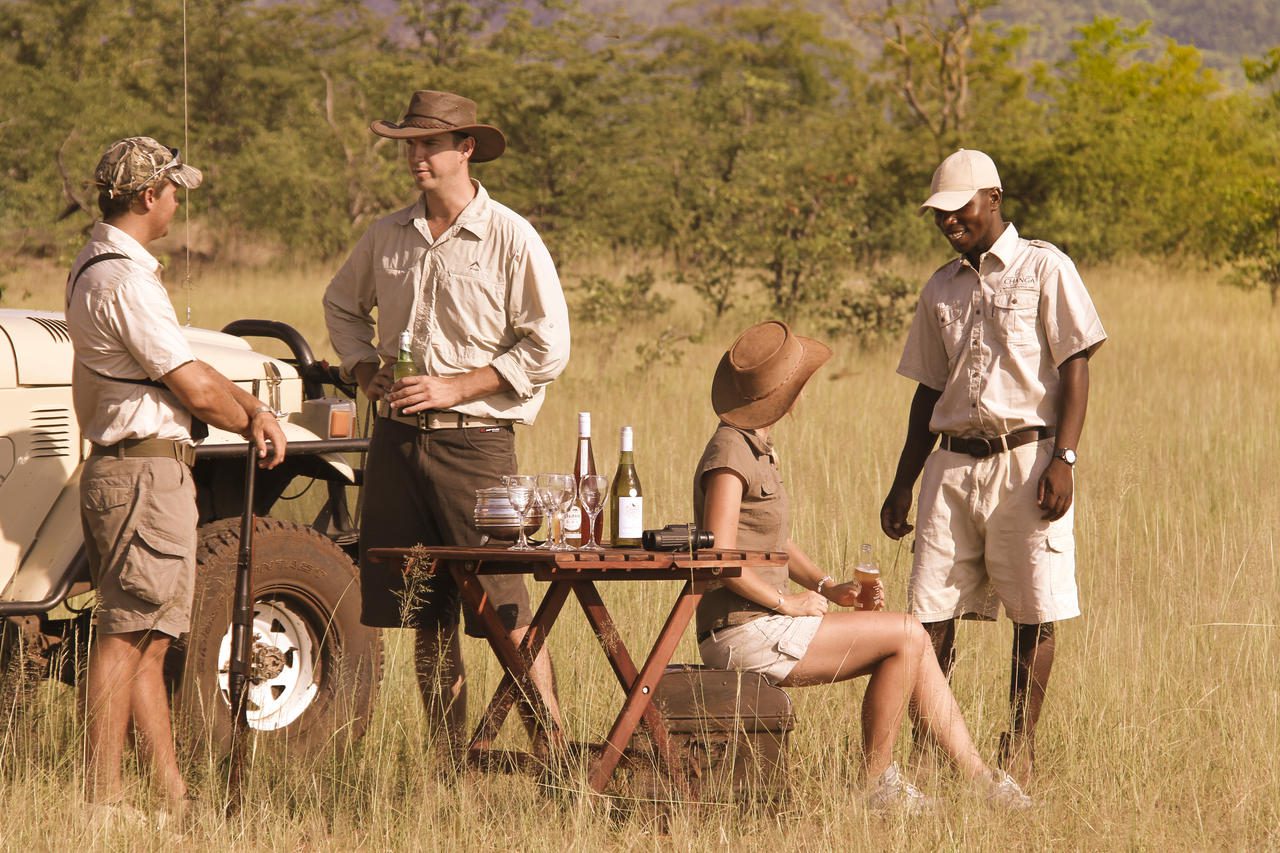
Footwear and Comfort While Exploring
Footwear is often overlooked when planning what to pack for Serengeti safari, yet it plays a crucial role in overall comfort. Most safari activities take place in vehicles, so heavy hiking boots are rarely necessary. Instead, comfortable closed-toe shoes or lightweight walking shoes are sufficient for lodge grounds, short walks, and transfers.
A pair of sandals or slip-on shoes is useful for relaxing at camp after game drives. Footwear should be easy to put on and remove, especially in tented camps where dust may accumulate. Comfort, breathability, and durability should guide footwear choices rather than style.
Outerwear and Weather Protection
Weather conditions in the Serengeti can vary depending on the season, making protective outerwear an important consideration in what to pack for Serengeti safari. A lightweight, windproof jacket is highly recommended for early morning drives, particularly during the dry season when temperatures can feel cold before sunrise.
During the green season, a compact rain jacket or poncho becomes essential, as short rain showers can occur unexpectedly. These rain showers are usually brief, but having protection ensures uninterrupted enjoyment of game drives and outdoor activities.
A wide-brimmed hat or safari-style cap provides sun protection during daytime drives and helps reduce glare, making it an indispensable item when packing for the Serengeti.
Safari Accessories That Enhance the Experience
Accessories play a significant role in refining what to pack for Serengeti safari. Sunglasses with UV protection are essential for eye comfort during long game drives, particularly in open vehicles where sunlight is constant. A lightweight scarf or buff can serve multiple purposes, including sun protection, warmth, and dust shielding.
Binoculars are one of the most valuable safari accessories. While some lodges provide shared binoculars, having a personal pair ensures consistent access during wildlife sightings. Compact binoculars with good magnification significantly enhance wildlife observation, especially for birds and distant predators.
A small daypack is also useful for carrying personal items such as cameras, sunscreen, water bottles, and extra layers during game drives.
Health, Hygiene, and Personal Care Items
When planning what to pack for Serengeti safari, personal care and health items should be given careful attention. Due to the remote nature of the Serengeti, access to pharmacies and stores is limited. Packing personal medications, prescriptions, and basic first-aid supplies is essential.
Insect repellent containing effective active ingredients is strongly recommended to protect against mosquitoes, particularly in the evenings. Sunscreen with high SPF is equally important, as sun exposure during game drives can be intense even on cooler days.
Personal hygiene items such as wet wipes, hand sanitizer, and lip balm are practical additions, especially during long drives and dusty conditions. Many lodges provide basic toiletries, but travelers should pack preferred personal products to ensure comfort.
Technology and Electronics for Safari Travel
Electronics are an important part of modern safari travel and should be considered carefully when deciding what to pack for Serengeti safari. Cameras are often a priority, as the Serengeti offers exceptional wildlife photography opportunities. A camera with a zoom lens allows for flexibility when photographing animals at varying distances.
Extra memory cards and spare batteries are essential, as charging opportunities may be limited in remote camps. Power banks and universal travel adapters ensure that devices remain charged throughout the journey.
Headlamps or small flashlights are useful for navigating camps at night, especially in tented accommodations where pathways may be dimly lit.
Travel Documents and Important Essentials
Proper organization of travel documents is a critical part of what to pack for Serengeti safari. Passports, visas, vaccination certificates, and travel insurance documents should be stored securely and kept easily accessible during transit.
Copies of important documents, both digital and physical, provide an added layer of security in case of loss or damage. A lightweight document organizer or travel wallet helps keep everything in one place, reducing stress during airport transfers and park entry points.
Luggage Considerations for Serengeti Safari
Choosing the right luggage is often as important as deciding what to pack for Serengeti safari. Soft-sided duffel bags are strongly recommended, as they are easier to load into safari vehicles and light aircraft commonly used for internal transfers.
Hard-shell suitcases are often restricted on small aircraft due to weight and space limitations. Luggage should be compact, durable, and easy to carry. Packing cubes can help organize clothing and accessories efficiently, maximizing space and accessibility.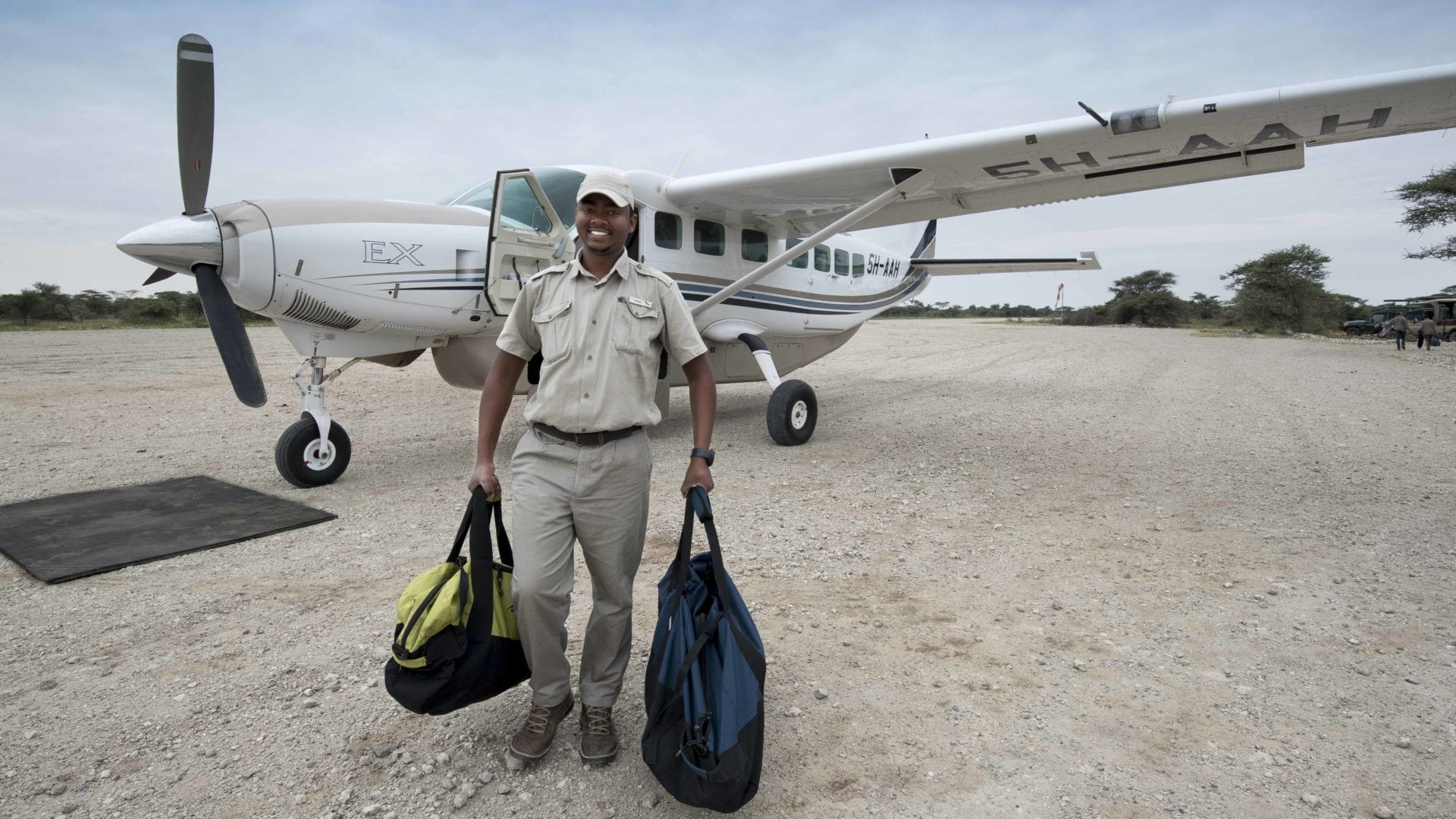
Packing Light While Staying Prepared
One of the key principles of what to pack for Serengeti safari is packing light without sacrificing essential items. Safari travel emphasizes practicality over excess, and many lodges offer laundry services, allowing travelers to reuse clothing during longer stays.
Neutral, versatile clothing items that can be mixed and layered reduce the need for overpacking. Focusing on quality rather than quantity ensures comfort while maintaining manageable luggage weight.
Cultural Sensitivity and Appropriate Attire
Cultural awareness is an often-overlooked aspect of what to pack for Serengeti safari. While safari lodges are generally relaxed environments, modest clothing is recommended when visiting local communities or cultural sites.
Covering shoulders and knees is a respectful practice during village visits or interactions with local guides and staff. This consideration enhances cultural exchange and reflects responsible travel values.
Optional Items That Add Value
While not strictly essential, certain optional items can enhance the Serengeti experience. Journals or notebooks allow travelers to document daily sightings and reflections, creating lasting memories beyond photographs.
Reusable water bottles help reduce plastic waste and are often refillable at lodges. Lightweight gloves may be useful for early morning drives in cooler months, particularly for travelers sensitive to cold.
These thoughtful additions round out a well-prepared packing list for the Serengeti.
Seasonal Packing Considerations
Understanding seasonal differences further refines what to pack for Serengeti safari. During the dry season, dust protection becomes more important, making scarves and protective eyewear useful. During the green season, rain protection and quick-drying clothing become priorities.
Despite seasonal variations, the core packing principles remain consistent: comfort, adaptability, and respect for the environment.
Final Thoughts on What to Pack for Serengeti Safari
Preparing what to pack for Serengeti safari is not about bringing everything, but about bringing the right things. The Serengeti rewards thoughtful preparation with unforgettable wildlife encounters, breathtaking landscapes, and immersive experiences that unfold naturally.
By packing strategically, travelers ensure that discomfort and inconvenience do not distract from the essence of the safari. Proper clothing, essential accessories, personal care items, and well-chosen luggage allow full focus on the rhythms of the wild, the movement of animals, and the timeless beauty of the Serengeti.
With careful planning and mindful packing, the Serengeti safari experience becomes not only comfortable, but deeply enriching and memorable.