What’s the Best Month to Go on Safari in Tanzania: A Complete Guide to Seasons, Wildlife, and Travel Timing
What’s the best month to go on safari in Tanzania is one of the most common and important questions asked by travelers planning a once-in-a-lifetime African safari. What’s the best month to go on safari in Tanzania depends largely on what a traveler hopes to experience, as Tanzania offers exceptional wildlife viewing throughout the year. From the dramatic movements of the Great Migration to lush green landscapes, predator action, calving seasons, and birdlife, each month delivers a distinct safari character shaped by climate, ecology, and animal behavior.
Understanding what’s the best month to go on safari in Tanzania requires a deeper look at seasonal patterns, rainfall cycles, wildlife movements, and travel conditions. Tanzania’s safari calendar is not defined by a single perfect month but by a range of optimal periods depending on priorities such as game density, weather comfort, photography, budget, and exclusivity. This comprehensive guide explores each season in detail to help determine the best possible time for a Tanzanian safari experience.
Understanding Tanzania’s Safari Seasons
What’s the best month to go on safari in Tanzania is closely tied to the country’s distinct dry and wet seasons. Tanzania experiences two primary rainfall periods, known as the long rains and the short rains, which influence vegetation growth, water availability, and animal movement. These seasonal shifts shape wildlife visibility and overall safari conditions.
The dry season generally runs from June through October and is widely considered the classic safari period. The green season spans from November through May and offers a more atmospheric, quieter, and often more affordable safari experience. Each season has unique advantages that influence what’s the best month to go on safari in Tanzania for different types of travelers.
June to October: The Classic Dry Season Safari
For many travelers, the answer to what’s the best month to go on safari in Tanzania lies within the dry season months of June, July, August, September, and October. During this period, rainfall is minimal, vegetation thins out, and animals congregate around rivers and water sources, making wildlife sightings more predictable and concentrated.
June marks the beginning of the dry season and is often regarded as one of the best months to go on safari in Tanzania. Landscapes remain green from the previous rains, wildlife visibility improves, and visitor numbers are still relatively moderate. This month offers a balance between scenic beauty and excellent game viewing.
July and August are peak safari months and are frequently cited when discussing what’s the best month to go on safari in Tanzania. These months coincide with cooler temperatures and some of the most dramatic wildlife activity, particularly in the Serengeti, where large herds of wildebeest and zebra move northward during the Great Migration. Predator sightings are frequent, and river crossings may begin to occur toward the end of this period.
September is another standout month in the dry season and is often favored by experienced safari travelers. Wildlife concentrations are high, crowds begin to thin slightly, and conditions remain dry and comfortable. October, the final dry month, offers intense game viewing as water becomes scarce and animals gather in predictable locations.
For travelers seeking classic safari imagery, abundant wildlife, and reliable conditions, the dry season months provide strong contenders for what’s the best month to go on safari in Tanzania.
The Great Migration and Timing Considerations
A major factor in determining what’s the best month to go on safari in Tanzania is the timing of the Great Migration. This natural phenomenon involves millions of wildebeest, zebra, and gazelle moving across the Serengeti ecosystem in search of fresh grazing.
From January to March, the migration is concentrated in the southern Serengeti, where calving takes place. During this time, thousands of wildebeest calves are born each day, attracting predators and creating extraordinary wildlife interactions. For travelers interested in predator action and newborn wildlife, this period strongly influences what’s the best month to go on safari in Tanzania.
From June through July, the herds begin moving west and north, while August through October often sees dramatic river crossings in the northern Serengeti. These crossings are unpredictable but iconic, making late dry-season months particularly appealing for migration-focused safaris.
January to March: Calving Season and Lush Landscapes
For many safari enthusiasts, January, February, and March represent a compelling answer to what’s the best month to go on safari in Tanzania. This period falls within the green season but offers exceptional wildlife activity, particularly in the southern Serengeti and Ndutu region.
January is characterized by short grasses, warm temperatures, and abundant wildlife. The migration herds settle in the southern plains, and predators follow closely. February is widely regarded as one of the most rewarding months for wildlife viewing due to the peak of calving season. Thousands of newborn animals attract lions, cheetahs, hyenas, and leopards, creating intense predator-prey dynamics.
March continues to deliver excellent game viewing, though rainfall begins to increase toward the end of the month. For photographers, this period offers dramatic skies, vibrant colors, and softer light, making it an ideal time for capturing Tanzania’s natural beauty.
For travelers seeking fewer crowds, lower rates, and extraordinary wildlife interactions, the early green season provides a strong alternative perspective on what’s the best month to go on safari in Tanzania.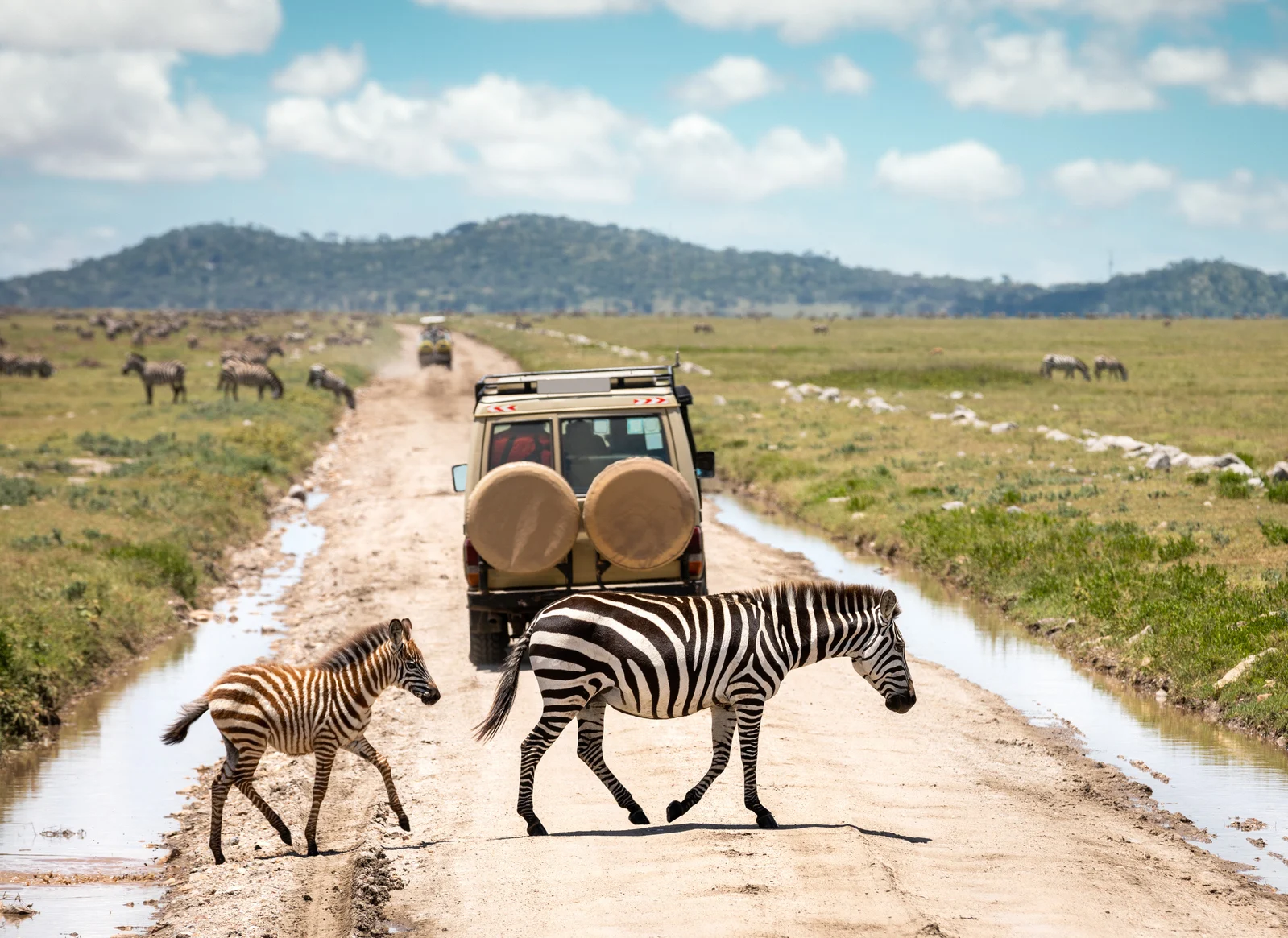
April and May: The Long Rains and Low Season
April and May are traditionally considered the low season, largely due to the long rains. During this period, heavy rainfall can make some roads difficult to navigate, and certain camps may close temporarily. However, these months still play an important role in discussions about what’s the best month to go on safari in Tanzania.
April offers lush landscapes, abundant birdlife, and very few visitors. Wildlife remains present, though animals are more dispersed due to plentiful water sources. May marks the transition toward the dry season, with improving conditions and increasingly rewarding game viewing.
For travelers prioritizing solitude, dramatic scenery, and budget-friendly pricing, April and May may still represent an appealing answer to what’s the best month to go on safari in Tanzania, particularly when paired with flexible expectations and experienced guides.
November and December: The Short Rains and Shoulder Season
November and December form part of the short rainy season and are often overlooked when considering what’s the best month to go on safari in Tanzania. However, these months offer a balanced blend of favorable conditions, improving wildlife visibility, and reduced visitor numbers.
November brings short, sporadic rains that refresh the landscape without significantly disrupting safari activities. Wildlife remains active, and migratory birds arrive in large numbers, enhancing biodiversity. December sees improving weather, festive travel energy, and excellent wildlife viewing across many parks.
For travelers seeking a quieter safari experience with strong value for money, November and December provide an alternative and often underestimated answer to what’s the best month to go on safari in Tanzania.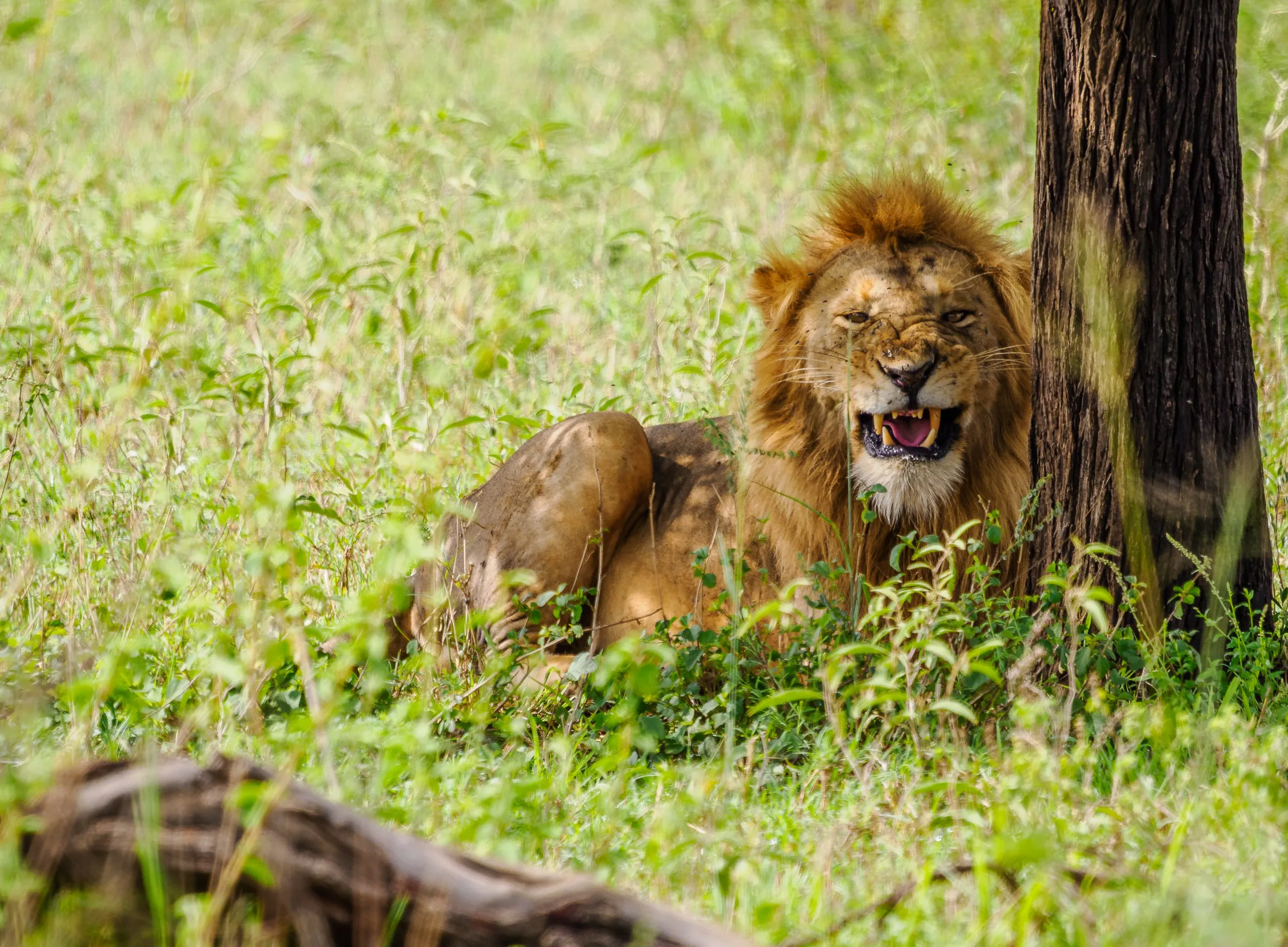
Weather, Comfort, and Travel Conditions
Weather comfort is a key consideration when determining what’s the best month to go on safari in Tanzania. Dry season months offer cooler mornings and evenings with warm daytime temperatures, creating ideal conditions for game drives.
Green season months are warmer and more humid, particularly in the afternoons, but they also offer softer light, vibrant landscapes, and a more immersive natural atmosphere. Travel conditions vary by region, and experienced safari operators adjust itineraries to ensure smooth logistics year-round.
Photography and Special Interest Safaris
Photography plays a major role in deciding what’s the best month to go on safari in Tanzania for many travelers. Dry season months offer clear skies, dust-free mornings, and high animal density, making wildlife easier to photograph.
Green season months provide lush backdrops, dramatic cloud formations, and active birdlife, appealing to photographers seeking artistic and atmospheric images. Each season offers unique photographic advantages that shape personal preferences regarding the best safari month.
Budget and Value Considerations
Cost is another influential factor in answering what’s the best month to go on safari in Tanzania. Peak dry-season months command higher rates due to demand and optimal conditions. Shoulder and green seasons often provide reduced pricing without sacrificing quality wildlife experiences.
Travelers with flexible schedules may find greater value during transitional months, when conditions remain favorable but crowds are fewer and rates more competitive.
So, What’s the Best Month to Go on Safari in Tanzania
What’s the best month to go on safari in Tanzania ultimately depends on individual priorities rather than a universal answer. For classic wildlife viewing and dry conditions, June through October stands out. For calving season and predator action, January through March is exceptional. For budget-conscious travelers and photographers, November, December, April, and May offer unique rewards.
Tanzania’s strength as a safari destination lies in its year-round appeal. Each month delivers a distinct experience shaped by nature’s rhythms, ensuring that there is no wrong time to explore its wilderness.
Final Thoughts on the Best Time for a Tanzania Safari
What’s the best month to go on safari in Tanzania is best answered by aligning travel goals with seasonal characteristics. Tanzania offers one of the most diverse and dynamic safari calendars in the world, ensuring unforgettable experiences regardless of timing.
With thoughtful planning and expert guidance, travelers can select the ideal month that balances wildlife, weather, budget, and personal interests, transforming a safari into a deeply rewarding journey into Africa’s wild heart.