Where to See Tanzania’s Most Iconic Animals (Big Five) for a Complete Safari Experience
Where to see Tanzania’s most iconic animals (Big Five) is a question that sits at the heart of African safari planning. Tanzania is globally recognized as one of the few destinations where all members of the Big Five—lion, leopard, elephant, buffalo, and rhinoceros—can still be found thriving in the wild across vast, protected ecosystems. These animals are not confined to a single park or region but are spread across a network of national parks and conservation areas that together form one of the most impressive wildlife strongholds on Earth.
The term “Big Five” was originally coined by early big-game hunters to describe the five most dangerous animals to hunt on foot. Today, the phrase has been reclaimed by conservationists and safari travelers to symbolize biodiversity, ecological integrity, and the ultimate wildlife-viewing achievement. Understanding where to see Tanzania’s most iconic animals (Big Five) requires more than naming destinations; it demands insight into habitats, seasonal movement, conservation history, and viewing conditions.
This comprehensive guide explores where Tanzania’s most iconic animals can be seen, how different parks contribute uniquely to Big Five sightings, and why Tanzania remains a benchmark for responsible and authentic safari experiences.
Understanding the Distribution of the Big Five in Tanzania
Before exploring where to see Tanzania’s most iconic animals (Big Five), it is important to understand that each species favors specific habitats. Lions dominate open plains and woodland edges, leopards prefer riverine forests and rocky terrain, elephants move between savannahs and forested corridors, buffalo thrive near water sources, and rhinoceros survive only in highly protected zones due to historic poaching pressures.
Tanzania’s strength lies in its ecological diversity. From volcanic craters and endless grasslands to river systems and remote wetlands, the country offers multiple environments that support the Big Five in different ways. This diversity allows travelers to encounter these animals not as isolated sightings, but as active participants in functioning ecosystems.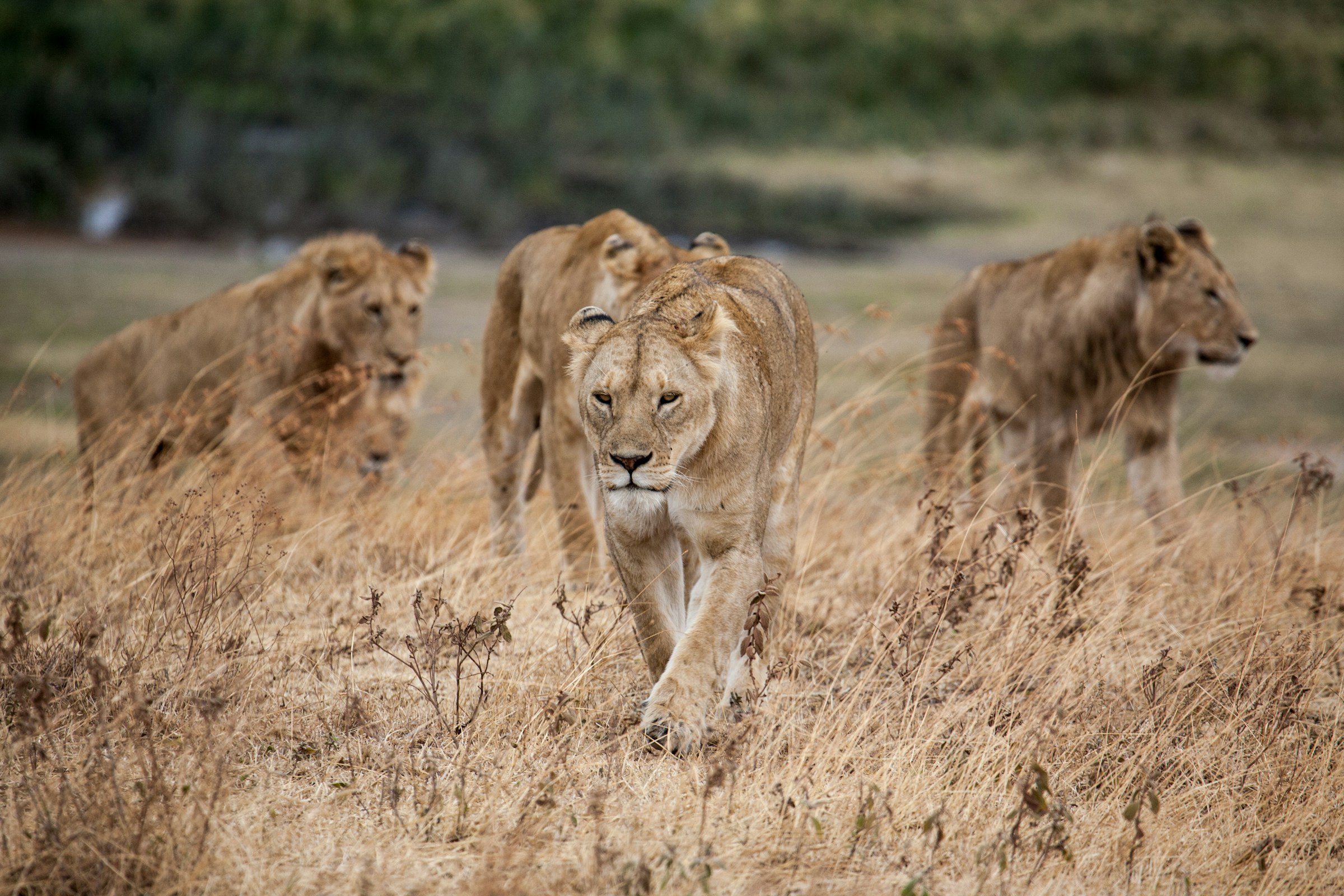
Serengeti National Park as the Core of Big Five Viewing
When discussing where to see Tanzania’s most iconic animals (Big Five), Serengeti National Park stands as the foundation. The Serengeti is one of the largest and most biologically productive ecosystems in Africa, supporting extraordinary wildlife densities throughout the year.
Lions are the undisputed icons of the Serengeti, with hundreds of prides distributed across the park. Leopards are regularly seen along rivers such as the Seronera, where fig trees and rocky kopjes provide ideal cover. Elephants inhabit both central and northern regions, while buffalo are widespread and often encountered in large herds. Rhinoceros remain rare but are present in carefully monitored areas, particularly in the northern Serengeti.
The Serengeti’s open landscapes make wildlife behavior highly visible, allowing extended observation of hunting, social interaction, and migration dynamics. For travelers seeking a high probability of encountering multiple Big Five species, the Serengeti remains unmatched.
Ngorongoro Conservation Area and the Natural Amphitheater Effect
One of the most reliable answers to where to see Tanzania’s most iconic animals (Big Five) is the Ngorongoro Conservation Area. The Ngorongoro Crater, formed by a collapsed volcanic caldera, creates a unique natural enclosure where wildlife remains concentrated year-round.
Lions are frequently seen hunting on the crater floor, while buffalo graze in large numbers across grasslands and swamps. Elephants, particularly older bulls with impressive tusks, inhabit both the crater and surrounding highlands. Leopards are more elusive but are occasionally spotted along the crater rim and forested slopes. Crucially, Ngorongoro is one of the few places in Tanzania where the critically endangered black rhinoceros can be seen with relative consistency.
The confined geography of the crater increases viewing efficiency, making Ngorongoro an essential destination for travelers focused on seeing Tanzania’s most iconic animals within a limited timeframe.
Tarangire National Park and Elephant-Centered Safaris
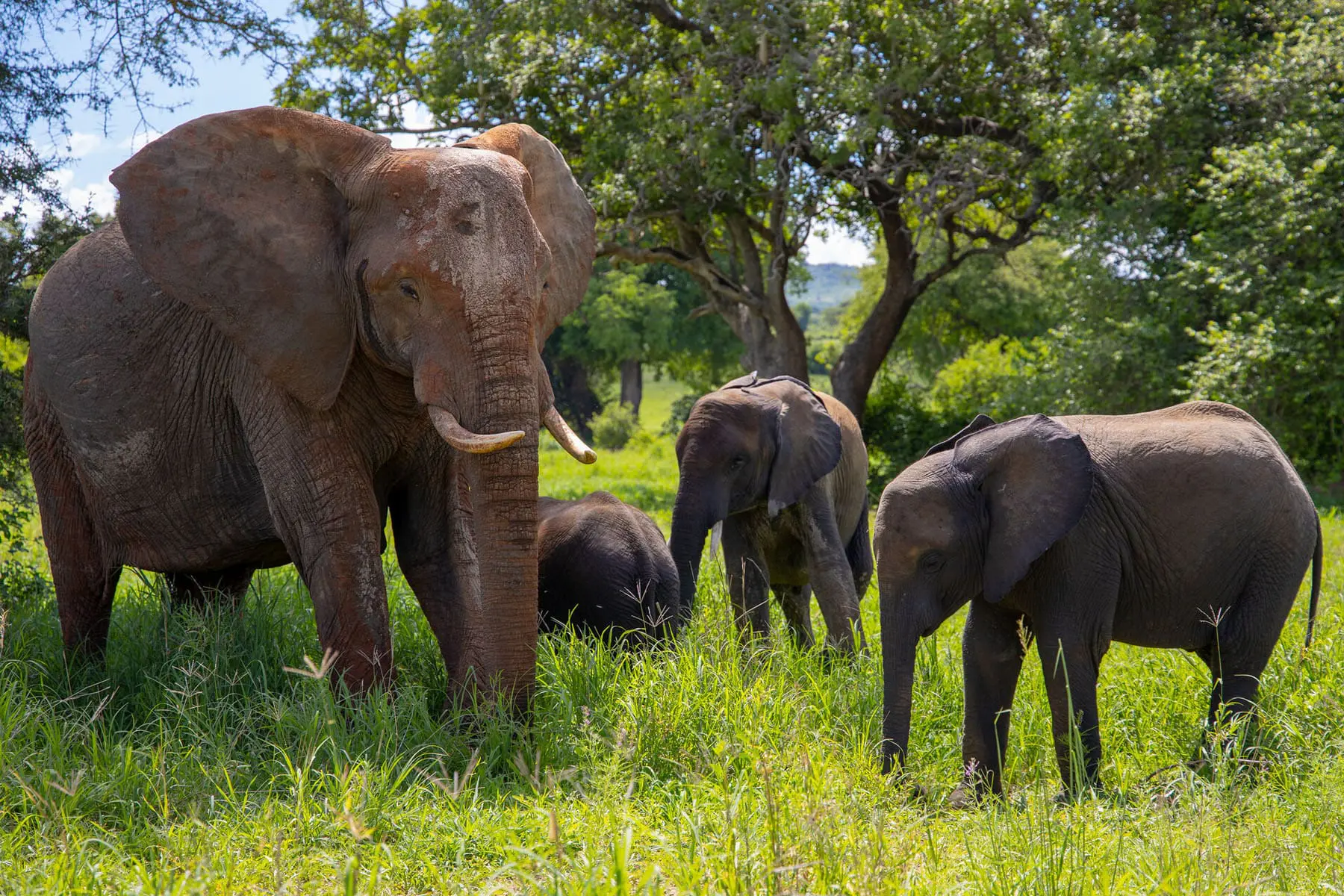
Tarangire National Park plays a vital role in understanding where to see Tanzania’s most iconic animals (Big Five), particularly elephants. The park supports one of the largest elephant populations in northern Tanzania, with herds often numbering in the hundreds during the dry season.
Lions are commonly seen resting in tall grasses or climbing trees, while leopards occupy riverine forests along the Tarangire River. Buffalo are frequently encountered near permanent water sources. Rhinoceros are no longer resident due to historical poaching, but ongoing conservation initiatives aim to restore ecological balance.
Tarangire’s distinctive baobab-dotted landscapes and seasonal wildlife concentration create powerful visual and behavioral encounters, especially between June and October.
Lake Manyara National Park and Habitat Diversity
Lake Manyara National Park offers a different perspective on where to see Tanzania’s most iconic animals (Big Five) by showcasing how varied habitats support wildlife in a compact area. The park features groundwater forests, open floodplains, acacia woodlands, and alkaline lake shores.
Elephants move gracefully through dense forests, while buffalo are commonly seen grazing near the lake. Lions in Manyara are famous for their tree-climbing behavior, a rare adaptation thought to be linked to insect avoidance and temperature regulation. Leopards inhabit forested areas, although sightings require patience and expert guiding. Rhinoceros are absent, but Manyara remains valuable as part of a broader Big Five itinerary.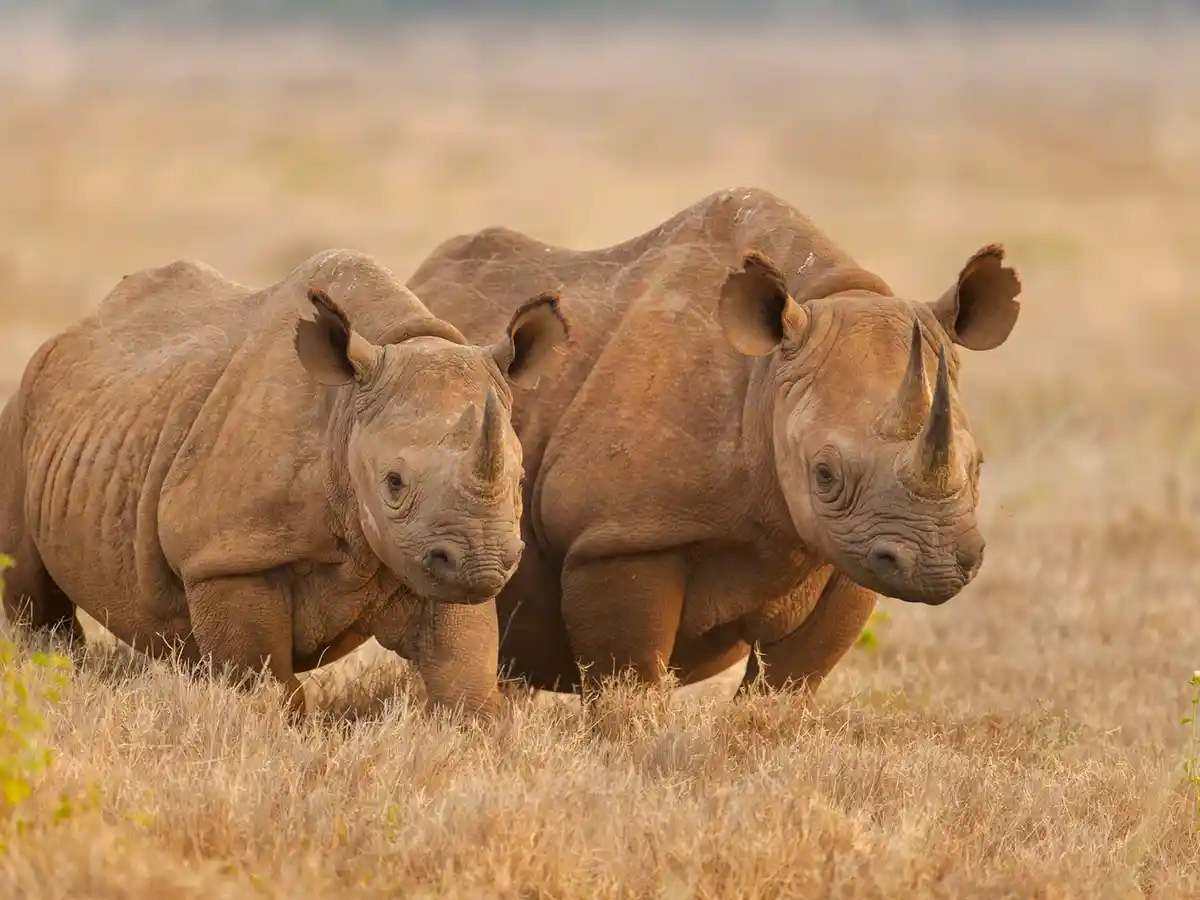
Ruaha National Park and Southern Tanzania’s Stronghold
Ruaha National Park is increasingly recognized as one of the most compelling answers to where to see Tanzania’s most iconic animals (Big Five), especially for travelers seeking fewer crowds and raw wilderness. Located in southern Tanzania, Ruaha is the country’s largest national park and supports robust predator populations.
Lions in Ruaha are known for their strength and complex pride structures, while leopards are frequently observed along the Great Ruaha River. Elephants migrate seasonally through the park, and buffalo herds are widespread. Rhino populations are extremely limited, but the park’s ecological integrity remains strong due to its size and low tourism density.
Ruaha offers a sense of exclusivity and immersion that appeals to experienced safari travelers and photographers.
Nyerere National Park and the Selous Ecosystem
Formerly part of the Selous Game Reserve, Nyerere National Park represents one of Africa’s largest protected wilderness areas. When considering where to see Tanzania’s most iconic animals (Big Five), Nyerere offers a distinct safari style that includes boat safaris and walking safaris alongside traditional game drives.
Elephants and buffalo are abundant, often seen in vast numbers along the Rufiji River system. Lions and leopards are present but more dispersed due to the park’s immense scale. Rhino conservation zones exist, though sightings are rare and strictly controlled.
The diversity of safari activities and the park’s remote character add depth to Big Five encounters, emphasizing quality over quantity.
Katavi National Park and Extreme Wildlife Concentration
Katavi National Park provides one of the most intense answers to where to see Tanzania’s most iconic animals (Big Five), particularly during the dry season. As water sources shrink, animals congregate in dramatic numbers, creating scenes of raw competition and survival.
Buffalo herds in Katavi are among the largest in Africa, while lions take advantage of concentrated prey. Elephants dominate floodplains and woodlands, and leopards remain active along river systems. Rhino presence is minimal, but the park’s extreme remoteness and minimal tourism result in some of the most unfiltered wildlife experiences available in Tanzania.
The Role of Conservation Areas and Protected Zones
Understanding where to see Tanzania’s most iconic animals (Big Five) also involves recognizing the importance of conservation areas beyond national parks. Controlled reserves, wildlife management areas, and private concessions play a crucial role in protecting migration corridors and breeding grounds.
Rhinoceros survival in Tanzania depends almost entirely on these protected zones, where anti-poaching measures and monitoring programs remain intensive. Supporting responsible tourism in these areas directly contributes to the long-term survival of the Big Five.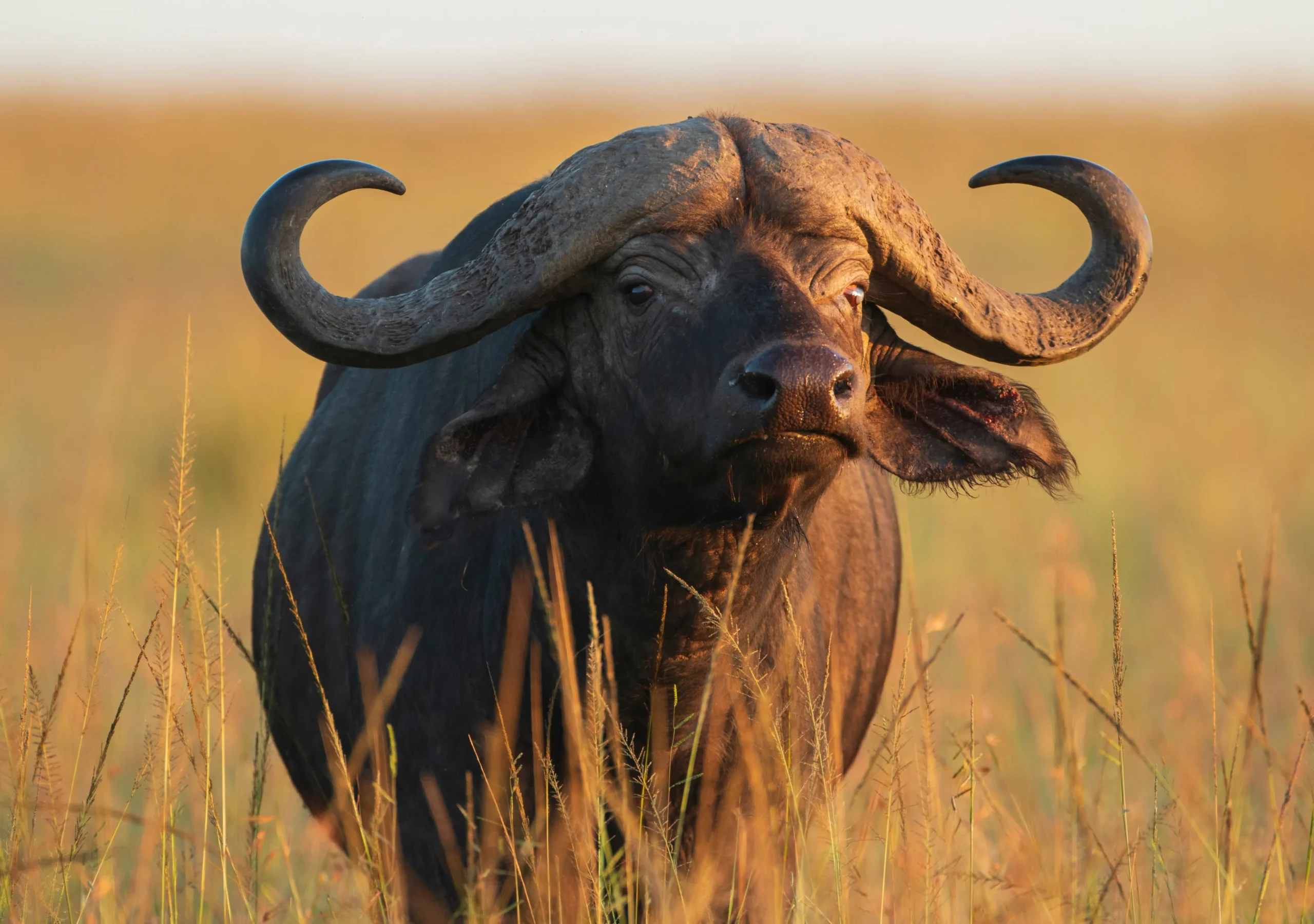
Seasonality and Timing for Optimal Big Five Viewing
Where to see Tanzania’s most iconic animals (Big Five) is inseparable from when they are seen. Dry seasons typically offer better visibility as animals gather near water sources, while wet seasons provide lush landscapes and fewer crowds.
Northern parks such as Serengeti, Ngorongoro, and Tarangire are excellent year-round, while southern parks like Ruaha and Nyerere peak during the dry months. Understanding seasonal movement patterns enhances the likelihood of meaningful encounters and reduces reliance on chance.
Accommodation Location and Safari Strategy
Choosing the right accommodation is fundamental when planning where to see Tanzania’s most iconic animals (Big Five). Lodges and camps positioned near water sources, predator territories, or migration routes significantly increase viewing opportunities.
Mobile camps and strategically placed lodges allow travelers to remain close to wildlife activity, reducing drive times and maximizing observation periods. Expert guides further elevate the experience by interpreting animal behavior and ecological relationships.
Final Perspective on Where to See Tanzania’s Most Iconic Animals (Big Five)
Where to see Tanzania’s most iconic animals (Big Five) is ultimately answered through a combination of geography, ecology, and thoughtful planning. Tanzania’s strength lies not in a single destination but in the interconnected network of parks and conservation areas that together sustain Africa’s most celebrated wildlife species.
From the endless plains of the Serengeti to the volcanic depths of Ngorongoro and the remote wilderness of Ruaha and Katavi, Tanzania offers opportunities to see the Big Five in ways that are ethical, immersive, and profoundly moving. When approached with patience and respect for nature, these encounters transcend tourism and become lasting connections to the natural world.