Where to Sleep on Mount Kilimanjaro
Understanding where to sleep on Mount Kilimanjaro is one of the most important aspects of planning a successful and comfortable trek to Africa’s highest peak. Mount Kilimanjaro is not climbed in a single day; it is a multi-day ascent that requires trekkers to sleep at various elevations while the body gradually acclimatizes to altitude. The sleeping arrangements on Kilimanjaro are carefully regulated, environmentally controlled, and directly tied to the route chosen, the duration of the climb, and the overall safety of climbers.
This in-depth guide on where to sleep on Mount Kilimanjaro has been written to provide a complete and realistic understanding of accommodation options on the mountain. From established mountain huts to high-altitude tented camps, every sleeping environment is explored in detail, offering clarity, reassurance, and expert insight for trekkers preparing for this extraordinary journey.
Introduction to Where to Sleep on Mount Kilimanjaro
The question of where to sleep on Mount Kilimanjaro cannot be separated from how the mountain is climbed. Kilimanjaro is a protected national park, and all overnight stays are strictly regulated by park authorities. Trekkers are required to sleep only at designated campsites or huts, depending on the route. These regulations are in place to protect the fragile alpine ecosystem, ensure climber safety, and manage altitude acclimatization.
Unlike technical mountaineering expeditions, Kilimanjaro does not require climbers to carry personal shelter when guided. Professional trekking teams provide tents, sleeping arrangements, and logistical support, allowing climbers to focus on the physical and mental demands of the ascent. Understanding where and how sleep occurs on the mountain helps set realistic expectations and contributes significantly to overall success.
The Role of Sleep in Kilimanjaro Acclimatization
Before examining where to sleep on Mount Kilimanjaro, it is essential to understand why sleeping locations matter. Altitude acclimatization is the single most critical factor in reaching the summit safely. Each night spent on the mountain allows the body to adapt to reduced oxygen levels, making sleeping altitude a carefully planned component of every route itinerary.
Sleeping locations are selected to follow the principle of gradual ascent, often described as climbing high during the day and sleeping lower at night. This structured approach significantly reduces the risk of altitude sickness and improves summit success rates. As a result, where trekkers sleep on Mount Kilimanjaro is not arbitrary, but part of a medically informed and well-tested progression.
Mountain Huts on Mount Kilimanjaro
One of the most distinctive answers to where to sleep on Mount Kilimanjaro involves mountain huts. These permanent structures are available only on specific routes and offer a more solid form of shelter compared to tents. Hut accommodation is managed by Kilimanjaro National Park and is allocated on a first-come, first-served basis through registered operators.
Huts provide communal sleeping arrangements with bunk beds and shared dining areas. While basic, they offer protection from wind and rain and are particularly appealing during wetter seasons. However, hut-based routes tend to be busier, and privacy is limited.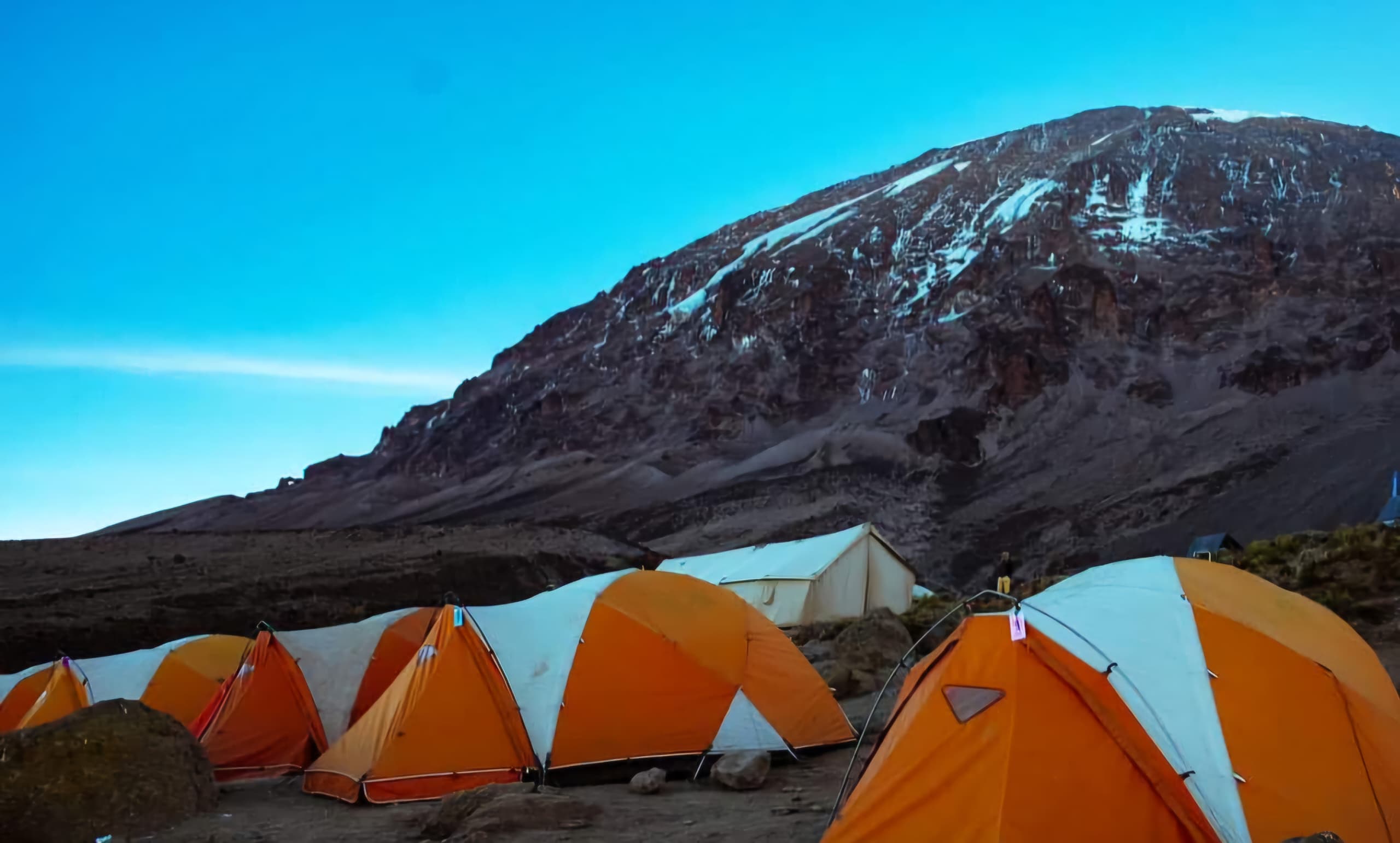
Sleeping on the Marangu Route
The Marangu Route is the only route on Mount Kilimanjaro that offers hut accommodation throughout the climb, making it a unique answer to where to sleep on Mount Kilimanjaro. Trekkers on this route sleep in a series of mountain huts positioned at increasing elevations.
Mandara Hut serves as the first overnight stop, located in the rainforest zone. Horombo Hut follows, situated in the moorland zone, where climbers often spend an additional night for acclimatization. Kibo Hut, positioned at the base of the summit cone, is the final sleeping point before the summit attempt.
While huts offer shelter and simplicity, they are often crowded, and temperatures inside can be cold due to altitude. Mattresses are provided, but sleeping bags are still required. The structured hut system makes the Marangu Route appealing to some, though its faster ascent profile can reduce acclimatization effectiveness.
Tented Camps on Mount Kilimanjaro
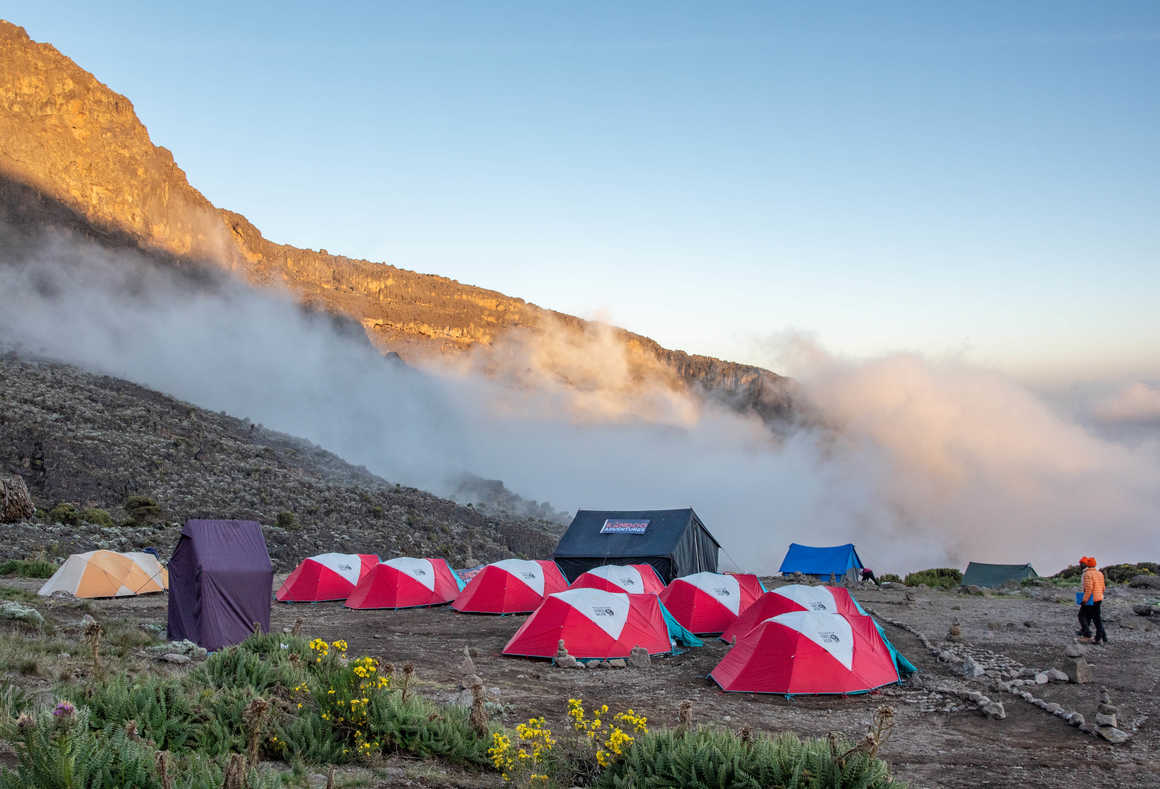
For most climbers, where to sleep on Mount Kilimanjaro involves high-quality tented camps. All other major routes, including Machame, Lemosho, Rongai, Northern Circuit, and Umbwe, rely on tents provided and set up by trekking crews.
These tents are designed for high-altitude conditions and are typically spacious enough to accommodate two climbers comfortably. Sleeping arrangements include insulated sleeping mats placed over the ground, with climbers using their own sleeping bags rated for extreme cold.
Tented camps offer greater flexibility in route design and acclimatization profiles. Campsites are strategically positioned to balance ascent progress with safe sleeping altitudes, making tent-based routes some of the most successful in terms of summit rates.
Sleeping on the Machame Route
The Machame Route, often referred to as the “Whiskey Route,” is one of the most popular answers to where to sleep on Mount Kilimanjaro due to its scenic beauty and effective acclimatization profile. Trekkers sleep in tents at designated campsites that move through multiple ecological zones.
Machame Camp is the first overnight stop, followed by Shira Camp, Barranco Camp, Karanga Camp, and Barafu Camp. Each campsite is positioned to gradually increase sleeping altitude while allowing climbers to adapt.
Sleeping in tents on the Machame Route offers a balance of challenge and comfort. Campsites are well-established, and trekking crews ensure tents are set up before climbers arrive, allowing for rest and recovery after each day’s hike.
Sleeping on the Lemosho Route
The Lemosho Route provides one of the most scenic and gradual approaches to Kilimanjaro, making it an excellent example of where to sleep on Mount Kilimanjaro for climbers prioritizing acclimatization. Sleeping takes place in remote, low-traffic campsites that enhance the wilderness experience.
Early nights are spent at camps such as Mti Mkubwa and Shira Camp, allowing climbers to acclimatize slowly before joining the southern circuit of the mountain. The extended duration of the Lemosho Route means sleeping altitudes increase gradually, significantly improving comfort and summit success.
Tented camps on Lemosho are often quieter than those on busier routes, providing a more peaceful sleeping environment and deeper sense of immersion in the mountain landscape.
Sleeping on the Northern Circuit Route
The Northern Circuit offers the longest and most comprehensive answer to where to sleep on Mount Kilimanjaro. This route circles the mountain, providing unparalleled acclimatization and solitude. Trekkers sleep in tents at a series of camps positioned around the quieter northern slopes.
Sleeping on the Northern Circuit allows for more nights at moderate altitudes before reaching higher camps. This extended acclimatization is one of the reasons the route boasts the highest summit success rates. Campsites are remote, and nights are often quieter, with fewer climbers sharing the space.
The sleeping experience on the Northern Circuit is defined by gradual progression, expansive views, and a strong sense of isolation, making it ideal for climbers seeking both success and serenity.
Sleeping on the Rongai Route
The Rongai Route approaches Kilimanjaro from the north and offers a drier climate, influencing where to sleep on Mount Kilimanjaro for climbers trekking during wetter months. Sleeping occurs in tents at designated camps that are less crowded than those on southern routes.
Campsites on the Rongai Route are positioned in open landscapes with clear views, and nights are often calmer due to lower traffic. While the route is slightly steeper in sections, the sleeping progression is well-managed, allowing climbers to acclimatize effectively.
This route’s northern exposure and quieter camps make sleeping conditions feel more relaxed, particularly for climbers seeking a less congested experience.
Sleeping at High Altitude Camps
One of the most challenging aspects of where to sleep on Mount Kilimanjaro occurs at high-altitude camps such as Barafu Camp and Kibo Hut. These camps are positioned near the summit attempt and represent the highest sleeping elevations on the mountain.
Sleeping at these altitudes is often restless due to reduced oxygen levels, cold temperatures, and anticipation of the summit climb. Sleep quality is typically lighter and shorter, but this is a normal and expected part of the experience.
Despite the discomfort, these camps are essential staging points for summit night. Guides monitor climbers closely, ensuring hydration, warmth, and readiness for the final ascent.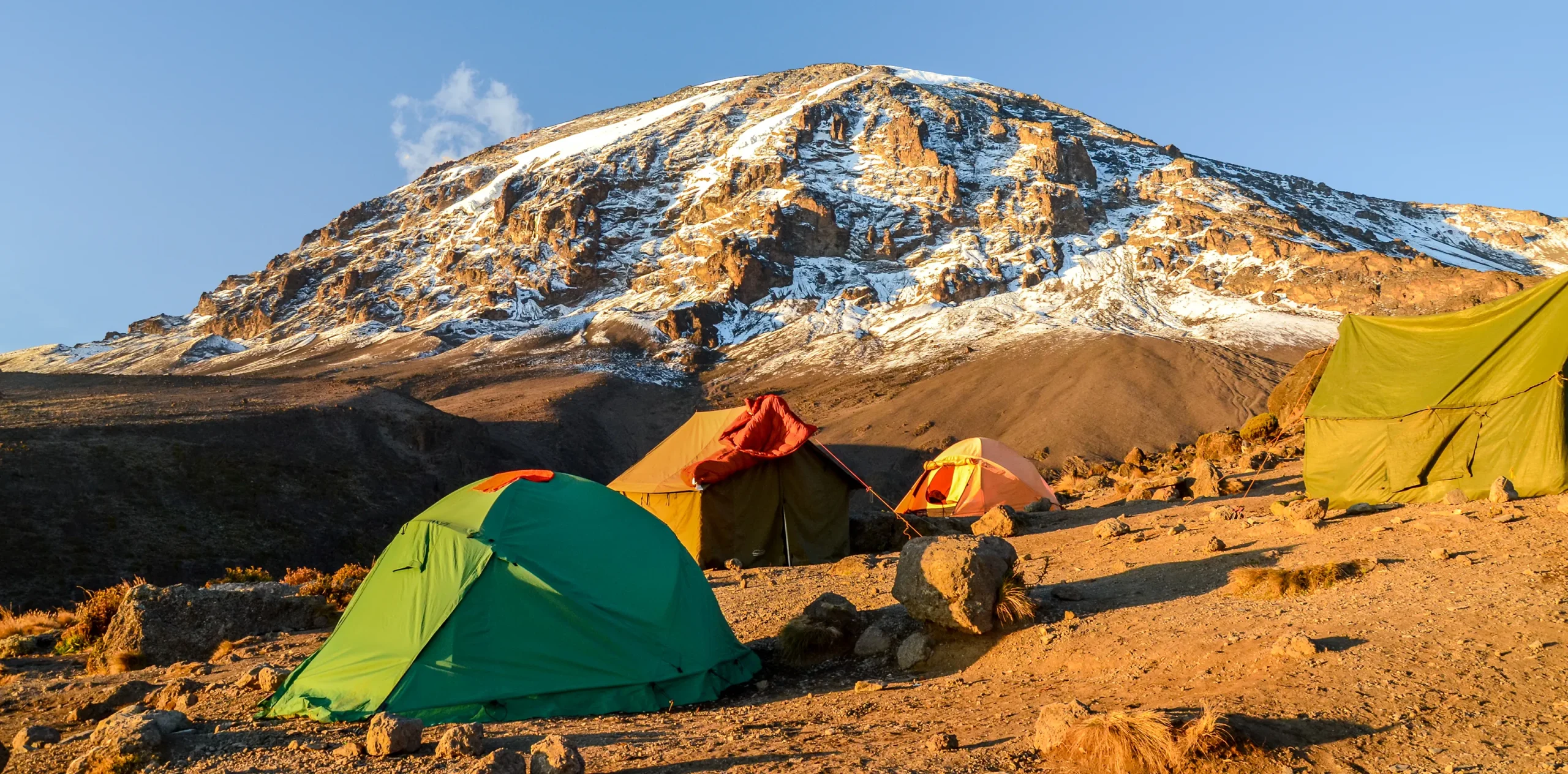
Sleeping Equipment and Comfort on Kilimanjaro
Understanding where to sleep on Mount Kilimanjaro also involves knowing what equipment contributes to comfort. While tents and mats are provided by trekking operators, climbers are responsible for personal sleeping bags and appropriate clothing.
Sleeping bags should be rated for extreme cold, as nighttime temperatures at higher camps can drop well below freezing. Layered sleep clothing, including thermal base layers, socks, and insulated hats, significantly improves comfort.
Proper preparation ensures that even in challenging conditions, sleep remains restorative enough to support daily climbs.
Safety and Regulation of Sleeping Areas
All sleeping locations on Mount Kilimanjaro are regulated by park authorities, reinforcing the safety aspect of where to sleep on Mount Kilimanjaro. Campsites and huts are monitored, and trekking crews are trained in emergency response, altitude illness recognition, and evacuation procedures.
Sleeping in unauthorized areas is strictly prohibited, ensuring that climbers remain within safe, managed zones. This structure contributes to Kilimanjaro’s reputation as one of the safest high-altitude trekking destinations in the world.
Environmental Considerations and Sustainable Sleeping Practices
Sustainability plays a critical role in determining where to sleep on Mount Kilimanjaro. Campsites are designated to minimize environmental impact, and strict waste management policies are enforced.
Trekking crews follow leave-no-trace principles, ensuring that camps are dismantled daily and waste is carried off the mountain. This approach preserves the fragile alpine ecosystem and ensures that future climbers experience the mountain in its natural state.
Choosing the Best Sleeping Experience for Your Climb
Selecting the right route directly influences where to sleep on Mount Kilimanjaro. Climbers who prefer solid structures may favor the Marangu Route, while those seeking better acclimatization and quieter camps may choose Lemosho, Machame, or the Northern Circuit.
Each sleeping environment offers distinct advantages, and the best choice depends on comfort preferences, acclimatization needs, and overall trekking goals. Understanding these differences allows climbers to select a route that aligns with both physical capability and personal expectations.
Final Thoughts on Where to Sleep on Mount Kilimanjaro
The question where to sleep on Mount Kilimanjaro is ultimately about preparation, safety, and experience. Sleeping arrangements on the mountain are carefully designed to support acclimatization, protect the environment, and ensure climber well-being.
Whether resting in a mountain hut surrounded by fellow climbers or sleeping in a tent beneath star-filled skies, each night on Kilimanjaro forms an essential part of the ascent. These sleeping experiences are not merely logistical necessities, but integral moments that shape the journey to the summit.
By understanding where sleep occurs and how it supports the climb, trekkers can approach Mount Kilimanjaro with confidence, clarity, and realistic expectations, ensuring that the journey is as rewarding as the summit itself.