
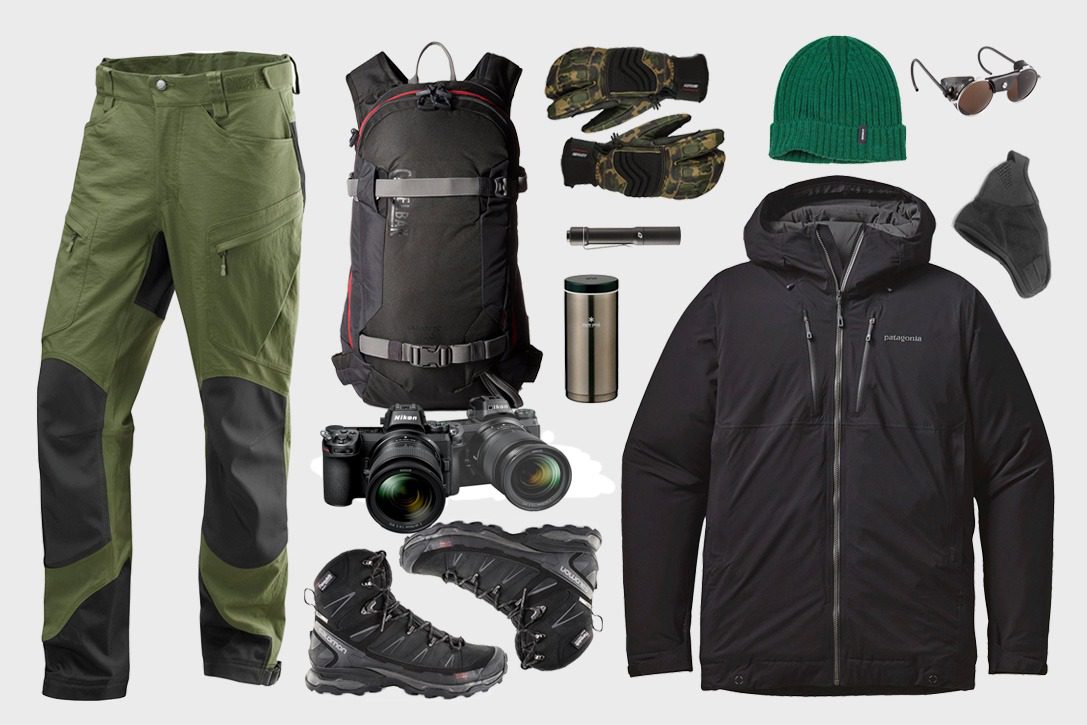
Why Can’t You Wear Black on a Safari: Understanding Safari Clothing, Wildlife Behavior, and Practical Safety
Why can’t you wear black on a safari is a question that often surprises first-time safari travelers. Why can’t you wear black on a safari is not a fashion rule or a myth passed down casually, but a practical guideline rooted in wildlife behavior, environmental conditions, insect attraction, and the realities of spending long hours in the African wilderness. Safari attire plays a far more important role than many travelers initially realize, directly affecting comfort, safety, and the quality of the overall experience.
Understanding why you can’t wear black on a safari helps travelers prepare more effectively and enhances the safari experience in meaningful ways. Safari destinations are not controlled environments; they are living ecosystems where animals, insects, weather, and terrain interact constantly. Clothing choices that may seem harmless in everyday life can have unexpected consequences in the wild. This detailed guide explores the reasons behind this guideline and explains why black clothing is generally discouraged on safari.
Understanding Safari Environments and Clothing Considerations
Why can’t you wear black on a safari becomes clearer when safari environments are properly understood. African safari destinations are typically located in open savannahs, woodlands, wetlands, and semi-arid regions where temperatures fluctuate dramatically throughout the day. Early mornings can be cold, midday heat can be intense, and evenings may cool rapidly.
Safari clothing is designed to regulate body temperature, provide protection from the sun and insects, and allow travelers to blend into the natural surroundings. Unlike urban travel, safari attire must balance practicality with subtlety. Black clothing, while stylish and versatile in many settings, often works against these goals in the wilderness.
Heat Absorption and Thermal Discomfort
One of the primary reasons why you can’t wear black on a safari is heat absorption. Black fabric absorbs more sunlight and heat than lighter colors. In safari regions, where daytime temperatures can rise significantly, this absorption can lead to discomfort and even heat exhaustion.
Game drives often last several hours and take place in open vehicles exposed to direct sunlight. Wearing black clothing during these drives can cause the body to heat up more quickly, making it harder to stay cool and hydrated. Neutral, light-colored clothing reflects sunlight more effectively, helping regulate body temperature and maintain comfort throughout the day.
The issue of heat absorption alone provides a compelling explanation for why you can’t wear black on a safari, especially during dry-season travel when shade may be limited.
Insect Attraction and Tsetse Fly Behavior
Another critical reason why you can’t wear black on a safari relates to insects, particularly the tsetse fly. Tsetse flies are present in several safari regions across East and Southern Africa and are known to be attracted to dark colors, especially black and navy blue.
Scientific observations have shown that tsetse flies use visual cues to locate hosts, and dark colors stand out against the natural environment. Wearing black significantly increases the likelihood of attracting these flies, which deliver painful bites and can disrupt the safari experience.
This insect-related factor is one of the most practical explanations for why you can’t wear black on a safari. While tsetse flies are not present in every park, their presence in certain regions makes color choice an important preventive measure.
Visibility to Wildlife and Natural Camouflage
Why can’t you wear black on a safari also relates to how wildlife perceives color and movement. While many animals do not see color in the same way humans do, contrast plays a major role in visibility. Black creates a stark contrast against natural backgrounds such as grasslands, sand, and foliage.
Safari etiquette emphasizes minimizing disturbance to wildlife. Neutral tones such as khaki, beige, olive, and muted greens help travelers blend into the environment, reducing visual disruption. Black clothing can make human movement more noticeable, particularly during walking safaris or when animals are nearby.
Although safari vehicles provide a degree of separation, subtlety remains important. Understanding why you can’t wear black on a safari highlights the broader principle of respecting wildlife by minimizing visual intrusion.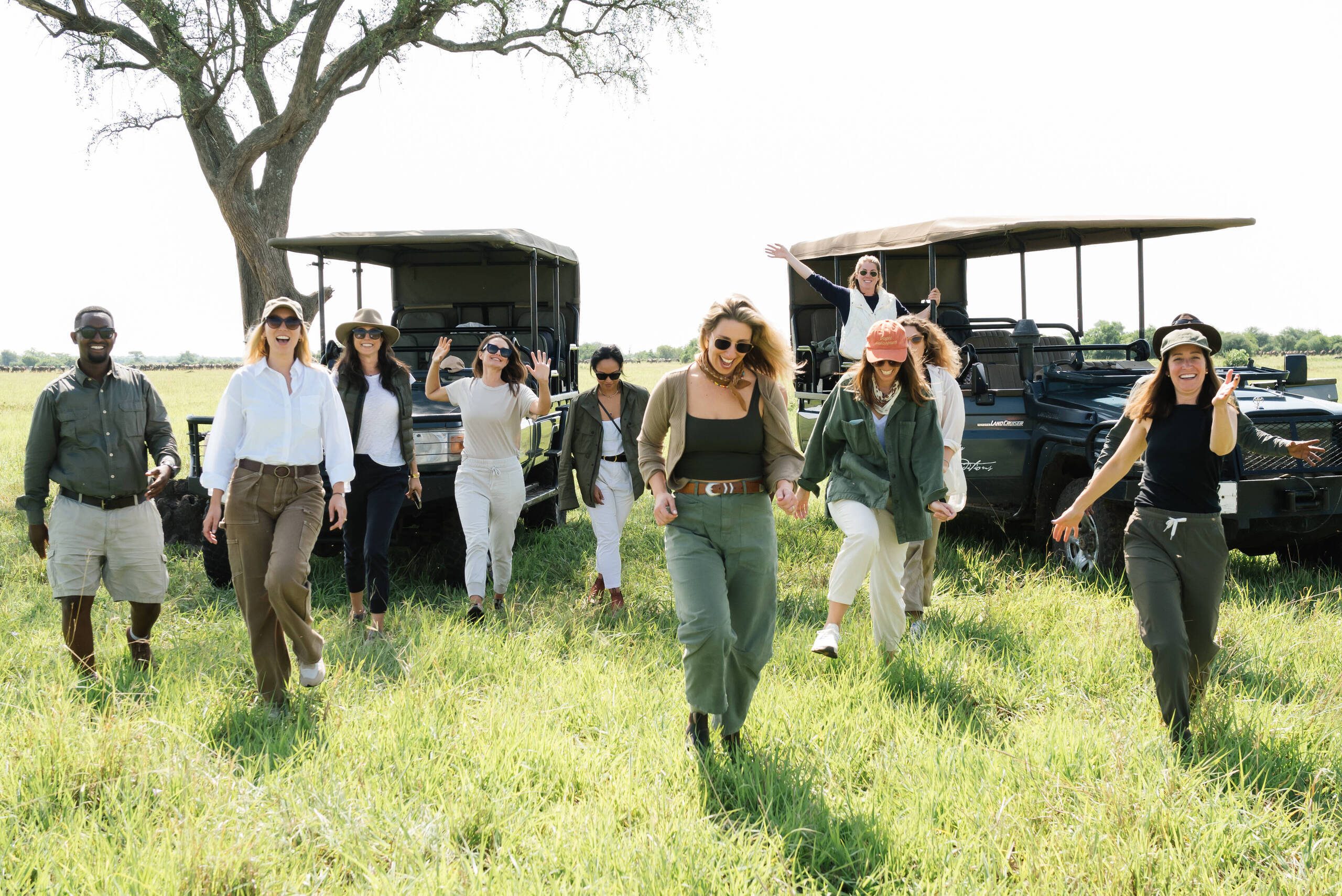
Dust, Dirt, and Practical Maintenance
Safari travel inevitably involves dust, dirt, and exposure to natural elements. Game drives often take place on unpaved roads, and dust accumulation is unavoidable, especially during the dry season.
One overlooked reason why you can’t wear black on a safari is how visibly dust shows on dark clothing. Black garments quickly reveal dust, dirt, and sweat marks, making them look worn and uncomfortable after only a short time. Lighter neutral colors conceal dust more effectively and remain presentable throughout the day.
Practicality is a defining feature of safari attire, and clothing that requires constant cleaning or adjustment detracts from the experience. This maintenance issue further reinforces why you can’t wear black on a safari.
Cultural and Guiding Practices in Safari Tourism
Safari guides and operators often advise against wearing black, not as a strict prohibition but as a well-informed recommendation based on years of experience. Understanding why you can’t wear black on a safari also involves recognizing the collective wisdom of guides who prioritize guest safety and comfort.
Guides are trained to read environmental cues and anticipate potential disruptions, including insect activity and animal behavior. Their clothing recommendations are shaped by practical outcomes observed over countless safaris. Choosing appropriate colors aligns travelers with established safari best practices and enhances trust between guests and guides.
Photography Considerations and Visual Impact
Photography is a major component of the safari experience, and clothing choices can influence photographic outcomes. Why can’t you wear black on a safari becomes evident when considering reflections, shadows, and heat distortion during photography sessions.
Black clothing absorbs light and can create harsh contrasts in photographs, particularly in bright conditions. Neutral colors blend seamlessly into the background, ensuring that the focus remains on wildlife and landscapes rather than human presence.
For photographers participating in walking safaris or close-range wildlife encounters, blending into the environment enhances both photographic opportunities and ethical wildlife observation.
Walking Safaris and Safety Awareness
Walking safaris offer an intimate way to explore the wilderness under the guidance of armed rangers and expert trackers. In this context, understanding why you can’t wear black on a safari becomes even more important.
On foot, visibility, insect exposure, and heat management are heightened concerns. Dark clothing increases the risk of attracting insects and retaining heat, which can compromise focus and comfort during extended walks. Neutral clothing supports alertness, reduces discomfort, and aligns with established safety protocols.
Walking safaris emphasize harmony with the environment, and clothing choices play a subtle but important role in maintaining that balance.
Myth Versus Reality: Is Black Dangerous on Safari
It is important to clarify that why you can’t wear black on a safari does not imply that black clothing is inherently dangerous or forbidden. Wearing black will not automatically provoke wildlife or result in unsafe situations.
However, safari travel prioritizes risk reduction and comfort optimization. The guidance against black clothing reflects accumulated knowledge rather than superstition. Understanding this distinction helps travelers make informed decisions rather than viewing safari attire rules as arbitrary.
Recommended Safari Colors and Their Benefits
Exploring why you can’t wear black on a safari naturally leads to understanding which colors are preferred. Neutral earth tones such as khaki, tan, beige, olive, and light brown are widely recommended. These colors reflect heat, conceal dust, and blend into natural landscapes.
Muted greens and light greys are also suitable options that provide balance between practicality and versatility. These colors support the core objectives of safari clothing: comfort, subtlety, and functionality.
Seasonal Considerations and Fabric Choice
Why you can’t wear black on a safari is further influenced by seasonal conditions. During the dry season, heat management and dust concealment are priorities, making lighter colors particularly advantageous.
In the green season, humidity and insect activity increase, reinforcing the importance of breathable fabrics and colors that deter insects. Regardless of season, black clothing remains less suitable due to its heat absorption and insect attraction properties.
Fabric choice complements color selection. Lightweight, breathable, and moisture-wicking materials enhance comfort and reduce the impact of environmental conditions.
Psychological Comfort and Safari Enjoyment
Safari travel is as much a mental experience as a physical one. Feeling comfortable, cool, and prepared enhances enjoyment and allows travelers to remain fully engaged.
Understanding why you can’t wear black on a safari contributes to psychological comfort by eliminating distractions caused by heat, insects, or discomfort. When clothing supports the experience rather than detracts from it, travelers are better positioned to appreciate the beauty and significance of the wilderness.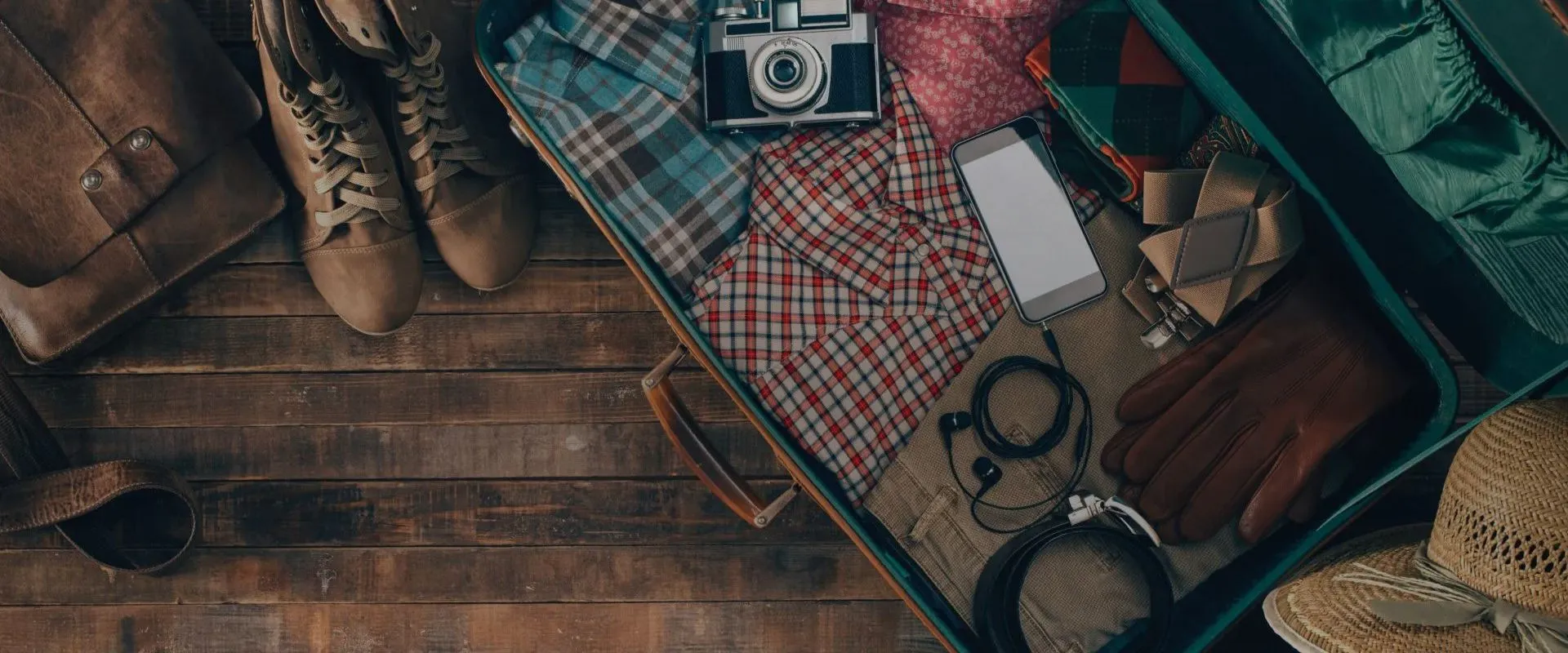
Sustainability and Environmental Respect
Safari tourism increasingly emphasizes sustainability and respect for natural environments. Clothing choices reflect this philosophy by minimizing disruption and supporting ethical wildlife observation.
Why you can’t wear black on a safari aligns with the broader goal of reducing human impact on sensitive ecosystems. By choosing colors that blend into the environment, travelers demonstrate respect for wildlife and contribute to responsible tourism practices.
Addressing Common Misconceptions
Some travelers assume that black clothing is discouraged solely for aesthetic reasons or outdated safari traditions. In reality, why you can’t wear black on a safari is grounded in science, comfort, and experience-based evidence.
Dispelling these misconceptions helps travelers approach safari preparation with confidence and clarity, ensuring that clothing choices are purposeful rather than restrictive.
Practical Packing Advice for Safari Travelers
When preparing for a safari, travelers are encouraged to prioritize function over fashion. Understanding why you can’t wear black on a safari allows for smarter packing decisions that reduce unnecessary discomfort.
Packing versatile neutral pieces that can be layered accommodates temperature changes and simplifies wardrobe planning. This approach ensures preparedness for a wide range of safari activities without excess luggage.
Final Thoughts on Why You Can’t Wear Black on a Safari
Why can’t you wear black on a safari is best understood as a practical guideline rather than a rigid rule. Black clothing absorbs heat, attracts insects, highlights dust, and increases visual contrast in natural environments. These factors collectively make it less suitable for safari conditions.
Choosing appropriate safari colors enhances comfort, safety, and immersion, allowing travelers to focus on the extraordinary landscapes and wildlife around them. When clothing aligns with the realities of the wilderness, the safari experience becomes smoother, more enjoyable, and more respectful of the environment.
By understanding why you can’t wear black on a safari, travelers are better equipped to prepare thoughtfully and experience the African wilderness in a way that is both comfortable and responsible.