Why Tanzania Is Africa’s Premier Big Five Safari Destination
Tanzania stands as one of the most remarkable wildlife destinations on the African continent, a land defined by sweeping savannahs, volcanic calderas, ancient migratory routes, and some of the most predator-rich ecosystems on Earth. The country’s unmatched diversity and density of wildlife have long earned it a prestigious reputation among safari enthusiasts, particularly those hoping to encounter Africa’s iconic Big Five: lions, elephants, leopards, buffaloes, and rhinos. While many destinations across the continent offer glimpses of these extraordinary species, Tanzania offers something far more profound—consistent sightings, expansive habitats, and dramatic landscapes that bring the Big Five experience to life in ways no other country can match.
This in-depth exploration reveals why Tanzania holds its title as Africa’s premier Big Five safari destination, guiding travellers through its legendary parks, its conservation successes, its extraordinary wildlife experiences, and the reasons it remains the beating heart of Africa’s safari world.
Tanzania’s Legendary Safari Heritage
Safaris in Tanzania carry a legacy built across decades of conservation, exploration, and storytelling. This is the land that inspired early explorers, the settings of countless documentaries, and the location of many of the world’s most iconic wildlife photographs. Tanzania’s national parks, game reserves, and conservation areas form one of the largest protected ecosystems anywhere on Earth. Together, they create a sanctuary where wildlife thrives in astonishing numbers, allowing both seasoned and first-time travellers to witness the Big Five in their natural environment without the constraints of fences or artificial boundaries.
The country’s habitats range from golden savannahs to vast wetlands, crater highlands, tropical forests, and wild river systems, forming a mosaic of landscapes that support unmatched biodiversity. This natural abundance is the foundation of Tanzania’s Big Five prominence, offering countless opportunities for extraordinary wildlife encounters.
The Big Five: Tanzania’s Most Iconic Residents
Encountering the Big Five in Tanzania feels like stepping into a living documentary. These animals, once considered the most formidable to hunt, now symbolize the power of conservation and the awe of seeing wildlife at its rawest and most authentic. Tanzania’s protected areas boast one of the highest combined populations of the Big Five in Africa, and this density, combined with expert guiding and vast open landscapes, makes sightings both accessible and deeply memorable.
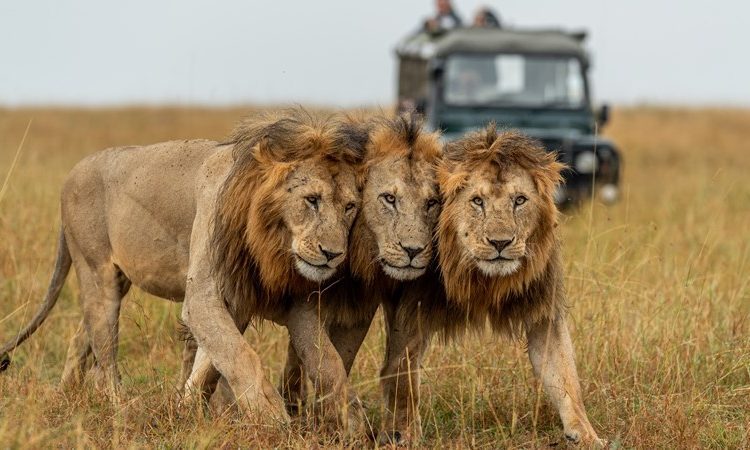
Lions dominate the savannahs, forming some of the largest prides ever recorded. Elephants roam freely in great numbers across woodlands and plains. Leopards, though elusive, glide silently through trees and rocky outcrops. Buffaloes gather in massive herds, embodying strength and resilience. And the critically endangered black rhino survives within the safety of Tanzania’s fortress-like conservation areas. The opportunities for viewing these species remain unparalleled.
Serengeti National Park: The Realm of Predators and Endless Plains
The Serengeti is the crown jewel of Tanzania, a place where nature’s drama unfolds on a scale seen nowhere else on Earth. At its heart lies one of the world’s highest concentrations of predators, including an extraordinary lion population, making it one of the best places to observe the Big Five—especially lions and leopards—in action. The vastness of the Serengeti allows the Big Five to thrive freely, with no fences and no limitations on their natural behaviors.
The park is also home to the Great Migration, where millions of wildebeest, zebras, and gazelles move across the plains in an epic cycle that draws predators close behind. This phenomenon enhances the opportunity to see the Big Five in dynamic, powerful interactions—lions hunting, leopards stalking from rocky kopjes, and buffalo herds defending their calves.
The Serengeti’s size ensures that every corner feels untouched. Travellers who spend time exploring its varied regions—from the Seronera Valley’s leopard territories to the northern river crossings and the southern calving grounds—experience Big Five encounters set against the backdrop of Africa’s most breathtaking wilderness.
Ngorongoro Crater: The Eighth Wonder of the World
The Ngorongoro Crater is perhaps the most unique Big Five sanctuary on Earth. Encircled by towering volcanic walls and blessed with fertile grasslands and permanent water sources, the crater supports a dense wildlife population within a compact area. This creates some of the most reliable Big Five sightings in Africa, especially for the highly endangered black rhino.
Descending into the crater is like entering a prehistoric world. Lions lie sprawled across open plains, buffaloes graze in vast herds, elephants wander through acacia forests, and leopards navigate the crater’s forested edges. The crater’s natural boundaries prevent animals from migrating far, resulting in extraordinary daily wildlife interactions.
Ngorongoro is particularly special for travellers determined to see the full Big Five during a single safari. The crater’s rich ecosystem ensures consistent sightings, making it one of Tanzania’s crown jewels in Big Five tourism.
Tarangire National Park: The Land of Giants
Tarangire is famous for its mighty elephant population, one of the largest in East Africa. The park’s ancient baobab-studded landscapes create a striking backdrop for witnessing elephants in family groups, bulls in full stature, and herds gathered around the Tarangire River during the dry season.
While elephants are the park’s most celebrated residents, Tarangire is also a prime area for observing lions, leopards, and buffaloes. The park has, in recent years, gained attention for unusual tree-climbing lion behavior, adding a unique twist to Big Five sightings. Its quieter atmosphere compared to other northern parks makes Tarangire ideal for travellers seeking intimate encounters with wildlife amid dramatic scenery.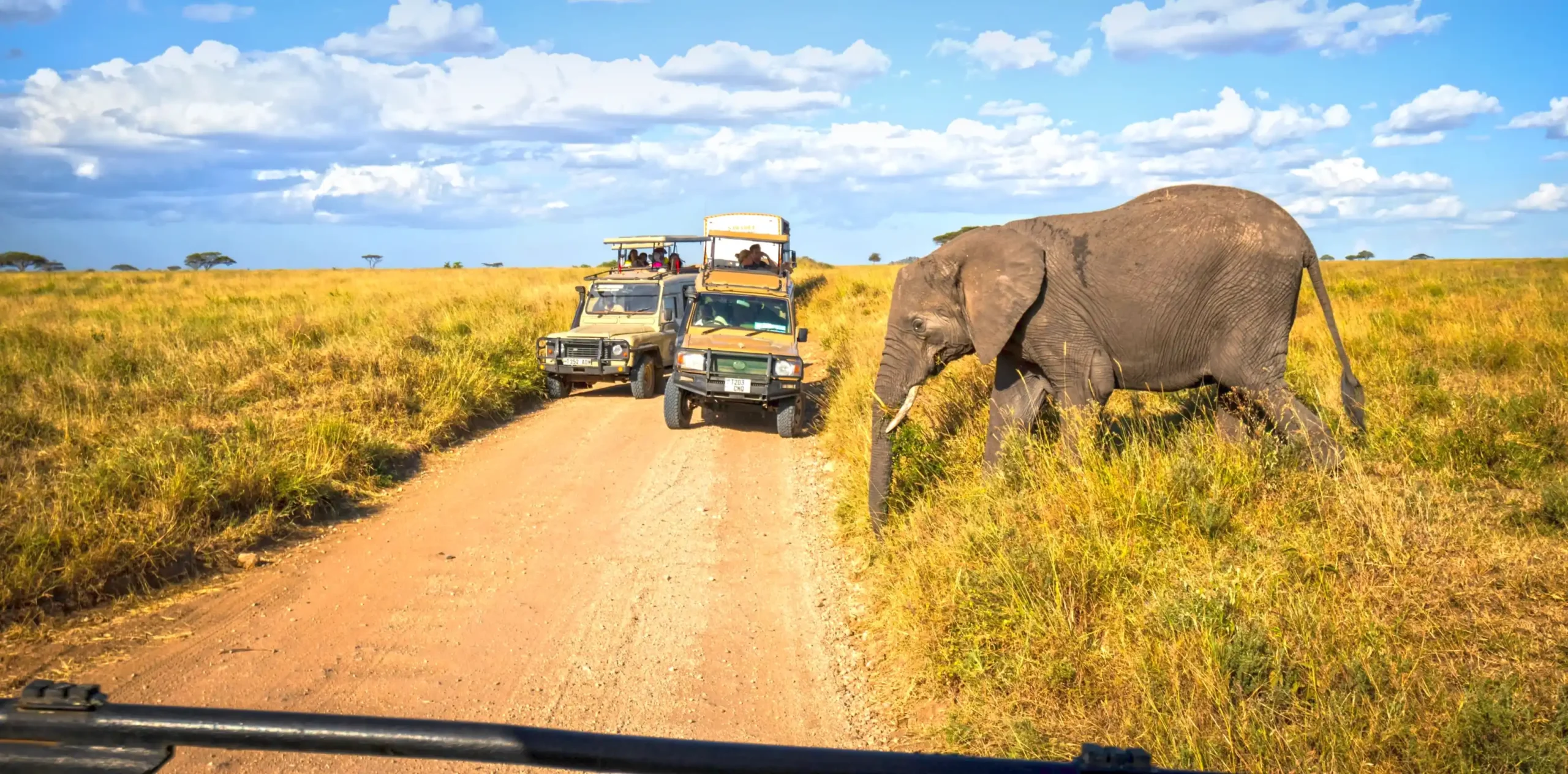
Lake Manyara National Park: A Compact Wilderness with Hidden Treasures
Lake Manyara, though smaller than other iconic parks, offers surprising diversity and reliable sightings of several Big Five species, especially elephants and buffaloes. The park is enriched by groundwater forests, open floodplains, and the shimmering lake itself. While Manyara is not a rhino destination, its exceptional wildlife density and scenic beauty make it an invaluable stop on a Big Five journey.
Tree-climbing lions, vast troops of baboons, flocks of flamingos, and elusive leopards contribute to Manyara’s allure. The park provides a lush contrast to the open landscapes of Tarangire and Serengeti, enhancing the overall safari experience.
Nyerere National Park: Africa’s Largest Protected Wilderness
Formerly known as the Selous Game Reserve, Nyerere National Park offers one of the most extraordinary wilderness experiences in Africa. Its sheer size and low visitor numbers ensure a wild, authentic atmosphere where the Big Five roam as they did centuries ago.
Elephants amble through woodlands and wetlands, lions patrol vast hunting territories, buffaloes gather in impressive herds, and leopards hide among riverine forests. While rhinos here are extremely elusive, the park’s remote nature and diverse habitats make it a prime destination for travellers seeking deeper immersion in Big Five territory.
Boat safaris on the Rufiji River add another dimension, allowing travellers to view wildlife from the water—a rare and thrilling experience that deepens Tanzania’s reputation as a multi-dimensional safari destination.
Ruaha National Park: The Predator Capital of Tanzania
Ruaha is a hidden treasure known for rugged beauty, remoteness, and some of the highest predator densities in Africa. Lions in Ruaha form famously large prides, often numbering over twenty individuals. The park is also home to strong populations of leopards, cheetahs, and endangered African wild dogs.
Elephants in Ruaha are iconic, moving through baobab valleys and seasonal rivers in magnificent herds. Buffaloes thrive here too, forming massive groups that attract predators and create spectacular wildlife encounters.
Although black rhinos are no longer commonly seen in Ruaha, the park’s overall Big Five presence—highlighted by its unmatched lion population—reinforces Tanzania’s dominance as a premier safari destination.
The Western Circuit: A Rare and Untouched Frontier
While the western parks—Mahale Mountains and Katavi—are not classic Big Five strongholds due to the absence of rhinos and limited lion visibility, they contribute significantly to Tanzania’s broader safari appeal. Katavi offers raw wilderness where buffalo herds stretch to the horizon, and predators maintain ancient survival rhythms. Mahale provides one of the world’s best chimpanzee tracking experiences, adding depth to a Tanzania safari that goes beyond the Big Five while still enhancing the journey with rare wildlife encounters.
Conservation Successes That Protect the Big Five
Tanzania’s status as Africa’s premier Big Five destination did not happen by chance. It is the result of decades of conservation work, robust ecological policies, and partnerships between communities, government authorities, and wildlife organizations.
Tanzania has some of the largest continuous wildlife corridors on the continent, allowing animals to migrate naturally between ecosystems. Anti-poaching efforts, especially around rhino and elephant populations, have improved significantly in recent years, strengthening the long-term survival of endangered species. National park fees directly support conservation programs, ensuring that tourism contributes positively to the protection of the Big Five.
Community-based tourism also plays a key role. By involving local communities in wildlife management and revenue sharing, Tanzania fosters strong incentives for preserving the Big Five and their habitats. This collaborative model has become a benchmark for other countries, further solidifying Tanzania’s leadership in African conservation.
What Makes Tanzania Stand Above Other Big Five Destinations
Tanzania’s supremacy in Big Five safaris stems from a unique combination of natural advantages and tourism quality. The sheer size of its protected areas provides unmatched space for wildlife to thrive. The diversity of landscapes ensures that each Big Five species finds ideal habitats across the country. The presence of the Great Migration enhances predator activity and visibility, particularly for lions and leopards.
Furthermore, Tanzania offers a safari environment that feels wild, unspoiled, and vast. Travellers often remark on the sense of timelessness, the freedom of the wildlife, and the authenticity that defines every experience. The guiding standards are high, accommodations range from luxury lodges to immersive tented camps, and the overall safari infrastructure is designed to create world-class experiences while preserving the natural integrity of the land.
Planning a Big Five Safari in Tanzania
A journey to see the Big Five in Tanzania is best approached with thoughtful planning to maximize the experience. Travellers often begin in the northern circuit—Serengeti, Ngorongoro, Manyara, Tarangire—where chances of seeing all five species are exceptionally high. Spending several days in each park increases opportunities for observing animal behavior and capturing extraordinary moments.
Fly-in safaris can extend the adventure into southern and western Tanzania, where the wilderness grows deeper and the encounters more exclusive. Timing also plays a role: while Tanzania offers Big Five sightings year-round, the dry season from June to October provides clearer visibility, concentrated wildlife, and ideal conditions for photography.
The Emotional Impact of a Big Five Safari
Encountering the Big Five in Tanzania is a deeply emotional experience. Seeing a lioness teaching her cubs to hunt, watching an elephant herd protect its newborns, observing a leopard draped across a tree branch, or witnessing the solitary power of a rhino crossing open plains—all these moments leave lasting impressions.
Tanzania’s safaris are not just about checking animals off a list. They are about understanding the delicate balance of nature, the ancient rhythms that guide wildlife, and the spiritual connection travellers often feel when immersed in such extraordinary landscapes. The Big Five symbolize strength, resilience, and beauty, and Tanzania presents them in their purest, most awe-inspiring form.
Why You Should Book With a Trusted Tour Operator
Crafting the perfect Big Five safari requires expert planning, local knowledge, and experienced guiding. A trusted tour operator ensures that every detail—from lodge selection to park navigation and wildlife tracking—is handled seamlessly, allowing travellers to enjoy an immersive, stress-free adventure.
For a truly exceptional safari experience shaped by deep local expertise and a commitment to safety, comfort, and authenticity, travellers are encouraged to book with Wildlife Safaris Tanzania, a highly reputable operator known for delivering world-class wildlife experiences.