
Wildebeest Migration 2026
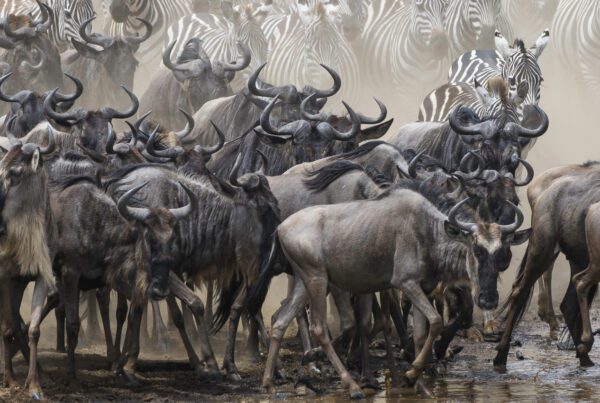
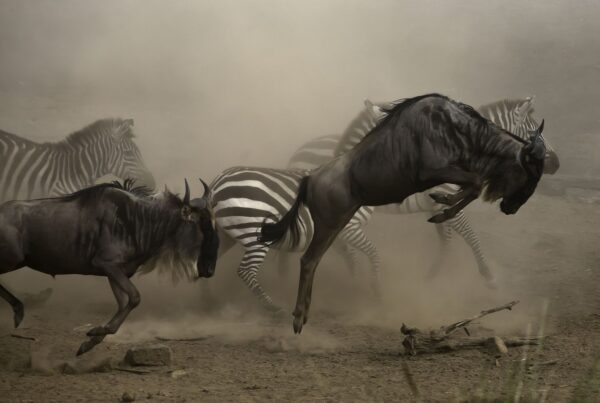
The wildebeest migration 2026 is expected to be one of the most anticipated wildlife events on the global travel and conservation calendar. Every year, the Great Wildebeest Migration captures the world’s imagination, but 2026 is shaping up to be particularly significant due to evolving climate patterns, conservation developments, and growing global interest in sustainable safari travel. This timeless natural phenomenon, involving over 1.5 million wildebeest along with zebras and gazelles, continues to demonstrate nature’s resilience and raw power across the Serengeti–Mara ecosystem.
For travelers planning ahead, photographers seeking once-in-a-lifetime moments, and conservationists monitoring ecosystem health, wildebeest migration 2026 represents more than a safari highlight. It is a living, moving system that sustains one of Africa’s most biodiverse landscapes. Understanding what to expect in 2026, where to go, and how to experience the migration responsibly is essential for anyone drawn to this extraordinary journey.
Understanding the Wildebeest Migration 2026
The wildebeest migration 2026 follows the same ancient circular route that has existed for thousands of years, spanning northern Tanzania’s Serengeti National Park and Kenya’s Maasai Mara National Reserve. This migration is not governed by dates on a calendar but by rainfall patterns that dictate the growth of nutrient-rich grasses. Wildebeest, as bulk grazers, instinctively follow the rain, ensuring their survival and that of the ecosystem around them.
In 2026, the migration is expected to maintain its traditional rhythm, beginning in the southern Serengeti and moving clockwise through the ecosystem. While exact timings may vary slightly, the overall structure of the migration remains remarkably consistent, reinforcing why it remains one of the most reliable and spectacular wildlife events on Earth.
Why Wildebeest Migration 2026 Is Generating Global Interest
The growing attention surrounding wildebeest migration 2026 is driven by several key factors. Increased awareness of climate change has heightened interest in how large-scale natural processes adapt to shifting environmental conditions. At the same time, advances in conservation technology, such as GPS tracking and aerial monitoring, are offering deeper insights into herd movements than ever before.
From a tourism perspective, 2026 is also attracting early bookings as travelers seek more exclusive, low-impact safari experiences. Community conservancies and eco-focused lodges are playing a larger role, allowing visitors to witness the migration while contributing directly to wildlife protection and local livelihoods.
The Annual Cycle of Wildebeest Migration 2026
The wildebeest migration 2026 is expected to unfold in a familiar yet ever-dynamic annual cycle. Each phase of the journey offers a distinct experience, shaped by geography, weather, and animal behavior.
The year begins in the southern Serengeti, where short grasses enriched by volcanic soils create ideal conditions for calving. As the seasons progress, the herds move westward and northward, eventually reaching Kenya before returning south once rains resume.
Calving Season and New Life in Early 2026
Between January and March 2026, the wildebeest migration reaches its calving phase in the Ndutu and southern Serengeti regions. During this period, hundreds of thousands of calves are born within a few short weeks. This synchronized birthing strategy overwhelms predators and ensures that enough young survive to sustain the population.
For wildlife enthusiasts, this stage of the wildebeest migration 2026 offers remarkable scenes of newborn calves taking their first steps within minutes of birth. Predator activity is intense, with lions, cheetahs, and hyenas capitalizing on vulnerable young, creating dramatic yet essential interactions within the ecosystem.
Movement Toward the Western Serengeti
As the southern plains begin to dry out around April and May 2026, the herds gradually move toward the central and western Serengeti. This phase of the wildebeest migration 2026 is characterized by long columns of animals stretching across the plains, accompanied by zebras that often lead the way, using their superior memory to locate water sources.
The western corridor introduces the Grumeti River, the first major obstacle of the migration. Although less famous than the Mara River, Grumeti crossings are equally significant, with large crocodiles lying in wait. These crossings serve as a prelude to the more dramatic scenes later in the year.
Peak Drama During the Northern Migration
The most anticipated chapter of the wildebeest migration 2026 occurs between July and October, when the herds move into northern Serengeti and cross into Kenya’s Maasai Mara. This period marks the height of global attention, as travelers flock to witness the legendary river crossings.
The Mara River crossings are unpredictable, intense, and emotionally charged. Herds may gather for days before crossing, driven by instinct rather than leadership. In 2026, as in previous years, these crossings will remain the defining images of the migration, symbolizing both peril and perseverance.
Wildebeest Migration 2026 in Kenya’s Maasai Mara
Once in the Maasai Mara, the wildebeest migration 2026 spreads across vast grasslands that offer abundant grazing during the dry season. The open terrain provides exceptional visibility, making this stage particularly rewarding for photographers and first-time safari travelers.
Predator density in the Maasai Mara is among the highest in Africa, and the arrival of the migration triggers increased hunting activity. Lions form coordinated prides, cheetahs exploit the open plains for high-speed pursuits, and hyenas demonstrate remarkable adaptability. This concentration of wildlife underscores why the Kenyan phase of the migration is often considered the most dramatic.
The Return Journey South
As short rains begin in Tanzania around October and November 2026, the wildebeest migration gradually turns southward. The herds leave Kenya and retrace their route back into the Serengeti, completing the annual cycle.
This return phase is quieter but no less important. It allows the grasslands of the Maasai Mara to recover while guiding the herds back to the nutrient-rich plains where the next generation will be born. The cyclical nature of the wildebeest migration 2026 highlights the delicate balance that sustains this ecosystem year after year.
Impact of Climate Patterns on Wildebeest Migration 2026
Climate variability continues to influence the timing and behavior of the wildebeest migration 2026. Shifts in rainfall onset, prolonged dry spells, and unpredictable weather events can cause herds to alter their routes or delay movements. While the migration has proven resilient, these changes underscore the importance of long-term conservation planning.
Scientists and conservationists closely monitor rainfall data and vegetation health to anticipate how climate trends may affect future migrations. The data gathered during wildebeest migration 2026 will contribute to broader understanding of how large herbivore populations adapt to environmental change.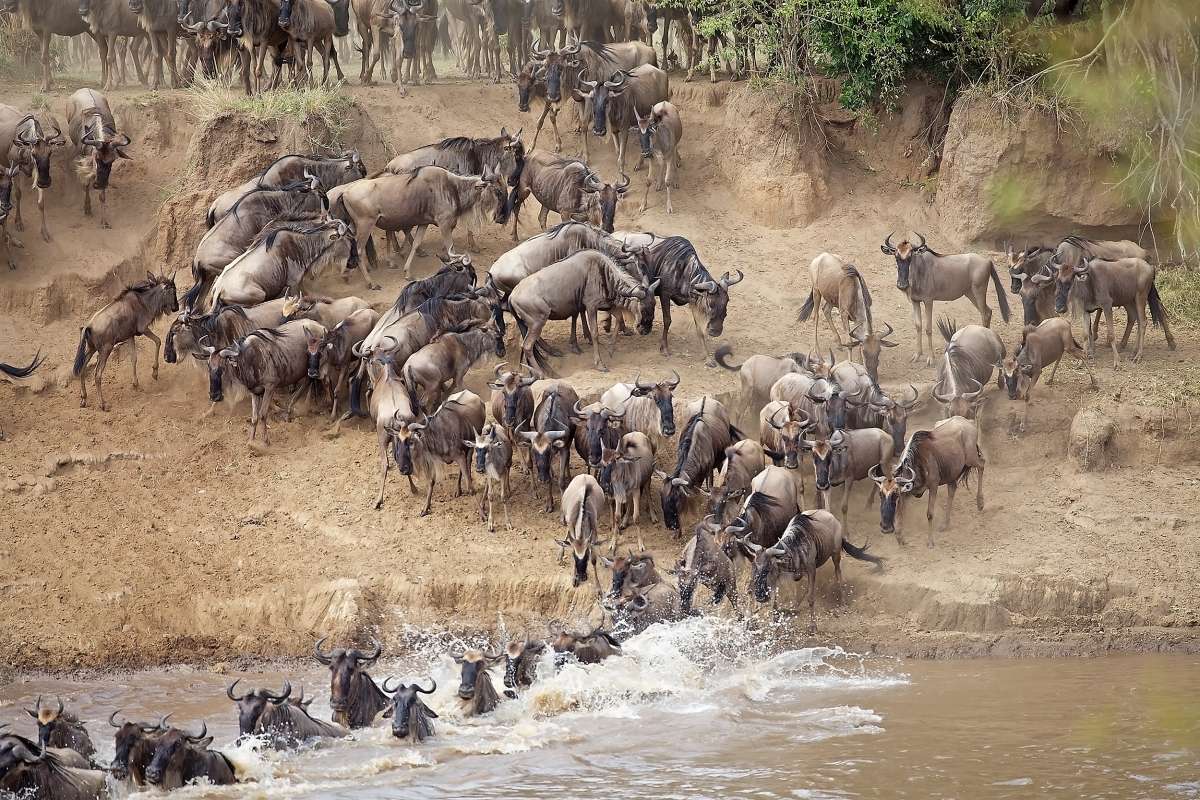
Ecological Importance of Wildebeest Migration 2026
The wildebeest migration 2026 remains a cornerstone of the Serengeti–Mara ecosystem. As millions of animals graze and move across the land, they prevent overgrowth, promote new grass shoots, and distribute nutrients through dung. This natural process supports countless other species, from insects and birds to apex predators.
Even rivers benefit from the migration, as nutrients from carcasses enrich aquatic food chains. The ecological ripple effect of the migration demonstrates why its preservation is vital not only for wildlife but for the overall health of the region.
Cultural and Community Connections
Local communities continue to play a critical role in the success of the wildebeest migration 2026. The Maasai people, whose lands border key migration routes, have long coexisted with wildlife. Community conservancies now provide protected corridors that allow the herds to move freely while generating income through sustainable tourism.
In 2026, increased collaboration between communities, governments, and conservation organizations is expected to strengthen protection efforts. These partnerships ensure that the benefits of the migration extend beyond wildlife, supporting education, healthcare, and cultural preservation.
Best Safari Experiences for Wildebeest Migration 2026
Safari experiences during wildebeest migration 2026 range from luxury lodges overlooking river crossings to mobile camps that follow the herds’ movements. Each option offers a unique perspective, whether it is witnessing a crossing at dawn or observing predators under dramatic evening skies.
Hot air balloon safaris remain a highlight, providing sweeping aerial views of the migration’s vast scale. Guided walking safaris and cultural visits add depth, allowing travelers to connect more meaningfully with the landscape and its people.
Photography and Filmmaking Opportunities in 2026
The wildebeest migration 2026 presents unparalleled opportunities for photographers and filmmakers. Advances in camera technology and ethical wildlife practices are enabling more immersive storytelling without disturbing animals. Capturing a river crossing, a predator hunt, or a dust-filled horizon requires patience, skill, and respect for nature.
Professional guides play an essential role, helping position vehicles safely and responsibly. Ethical documentation of the migration ensures that its story is told accurately while preserving its integrity.
Conservation Challenges Facing Wildebeest Migration 2026
Despite its resilience, the wildebeest migration 2026 faces ongoing threats. Habitat fragmentation, fencing, agricultural expansion, and infrastructure development continue to pressure traditional migration corridors. Without careful planning, these disruptions could have long-term consequences.
Conservation initiatives in 2026 are increasingly focused on maintaining connectivity across borders. Protecting migration routes, enforcing land-use regulations, and supporting community-led conservation remain top priorities for safeguarding the future of the migration.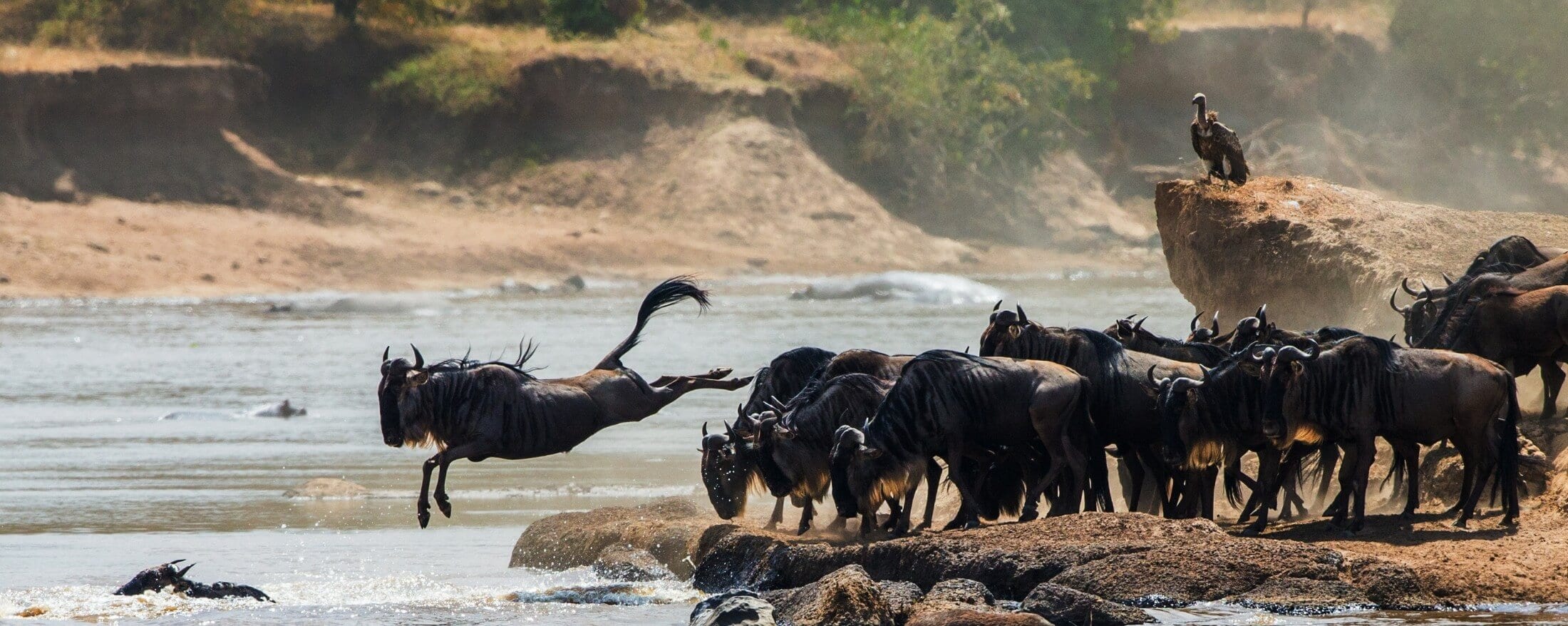
Why Wildebeest Migration 2026 Matters for the Future
The wildebeest migration 2026 matters because it represents one of the last remaining large-scale natural migrations on Earth. In a world where wilderness is rapidly disappearing, this phenomenon stands as a symbol of what is possible when ecosystems are allowed to function naturally.
For future generations, preserving the migration means preserving knowledge, biodiversity, and inspiration. Each successful cycle reinforces the importance of global cooperation in protecting shared natural heritage.
Looking Ahead to Wildebeest Migration 2026
The wildebeest migration 2026 promises to be a powerful continuation of one of nature’s greatest stories. From the birth of new life in the southern Serengeti to the perilous river crossings in the north, every stage reflects resilience, instinct, and balance. As interest in responsible travel and conservation grows, 2026 offers a unique opportunity to witness the migration while contributing to its preservation.
Wildebeest migration 2026 is not simply an event to observe, but a living process to respect and protect. By understanding its rhythms and supporting sustainable conservation efforts, humanity can ensure that this extraordinary journey continues to unfold for generations to come.