
Wildebeest Migration Kenya: The Ultimate Guide to Africa’s Greatest Wildlife Spectacle
Wildebeest migration Kenya is one of the most extraordinary natural events on the planet, drawing travelers, photographers, researchers, and conservationists from around the world. Each year, millions of wildebeest, accompanied by zebras and gazelles, thunder across the savannahs of East Africa in an ancient cycle driven by survival, rainfall, and instinct. When this epic movement reaches Kenya, particularly the world-famous Maasai Mara, it becomes a dramatic showcase of life, death, and resilience played out on a grand scale.
This in-depth guide explores wildebeest migration Kenya in its entirety, explaining what it is, why it happens, where and when to see it, and why Kenya plays such a crucial role in this global wildlife phenomenon. Beyond spectacle, the wildebeest migration Kenya is a story of ecosystems, predators, communities, and conservation, making it one of the most meaningful safari experiences available today.
Understanding the Wildebeest Migration Kenya Phenomenon
Wildebeest migration Kenya refers to the northern phase of the Great Wildebeest Migration, a continuous, circular movement of herbivores across Tanzania’s Serengeti ecosystem and Kenya’s Maasai Mara. Contrary to common belief, the migration does not have a clear beginning or end. It is an ongoing cycle shaped by rainfall patterns and the availability of fresh grazing.
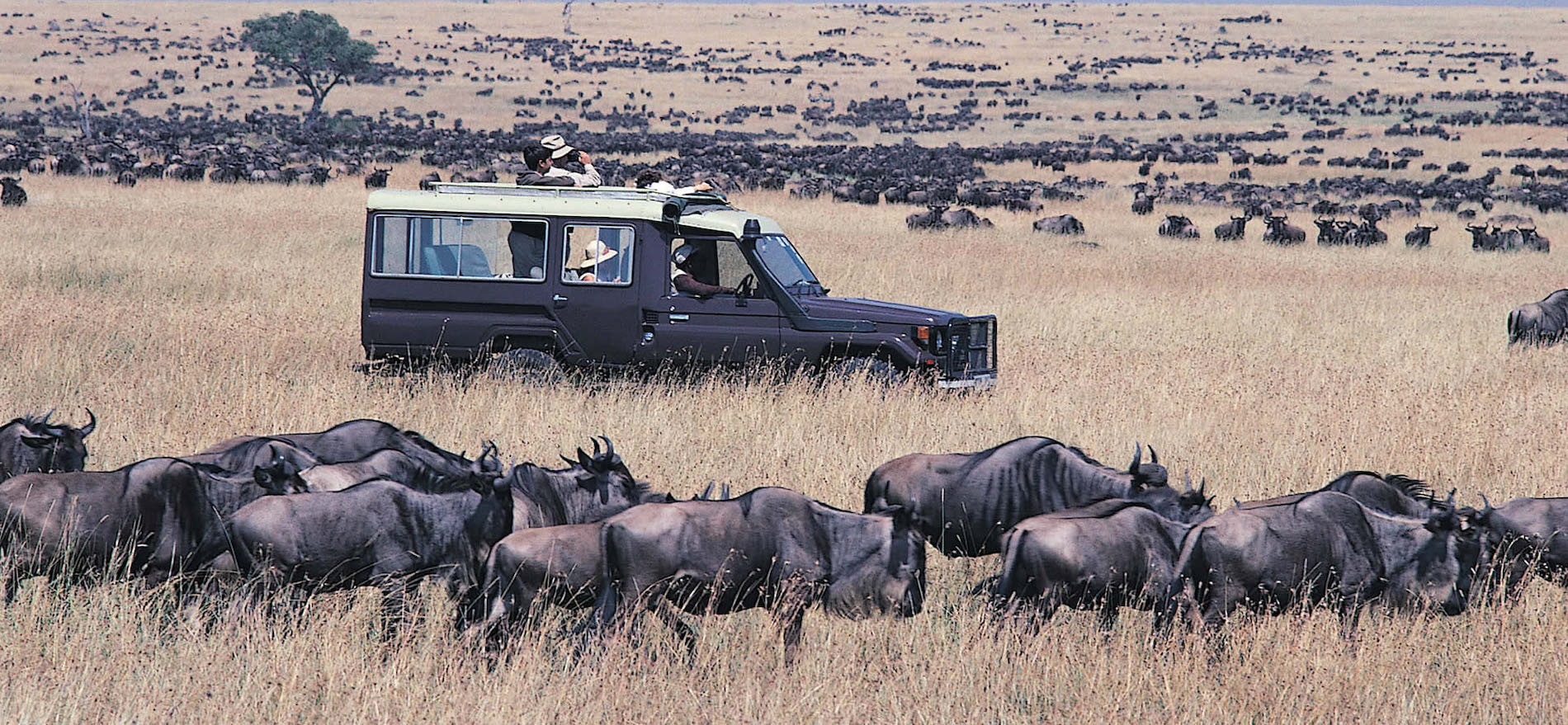
More than 1.5 million wildebeest, along with hundreds of thousands of zebras and gazelles, participate in this journey. Their movement into Kenya is driven by seasonal rains that rejuvenate the grasslands of the Maasai Mara. When the Serengeti plains begin to dry out, the herds instinctively move northward, crossing international borders that mean nothing to wildlife but everything to the experience of wildebeest migration Kenya.
This migration has been occurring for thousands of years, making it one of the last remaining large-scale animal movements on Earth. Wildebeest migration Kenya is not just a safari highlight; it is a vital ecological process that sustains predators, fertilizes grasslands, and maintains the balance of the savannah ecosystem.
Why Wildebeest Migration Kenya Is So Important
Wildebeest migration Kenya is significant for several reasons, both ecological and cultural. Ecologically, the migration plays a critical role in nutrient cycling. As millions of animals graze, trample grass, and deposit waste, they enrich the soil, promoting healthy grass regrowth. This process supports countless other species, from insects and birds to large predators.
Predators such as lions, leopards, cheetahs, hyenas, and crocodiles rely heavily on the migration. Wildebeest migration Kenya provides a seasonal abundance of prey, sustaining predator populations at levels rarely seen elsewhere in Africa. This predator-prey dynamic is one of the reasons Kenya’s Maasai Mara boasts some of the highest concentrations of big cats on the continent.
Culturally, wildebeest migration Kenya is closely tied to the identity of the Maasai people, who have lived alongside wildlife for generations. Their traditional knowledge and coexistence with nature have helped preserve these landscapes, making the migration possible in the modern era.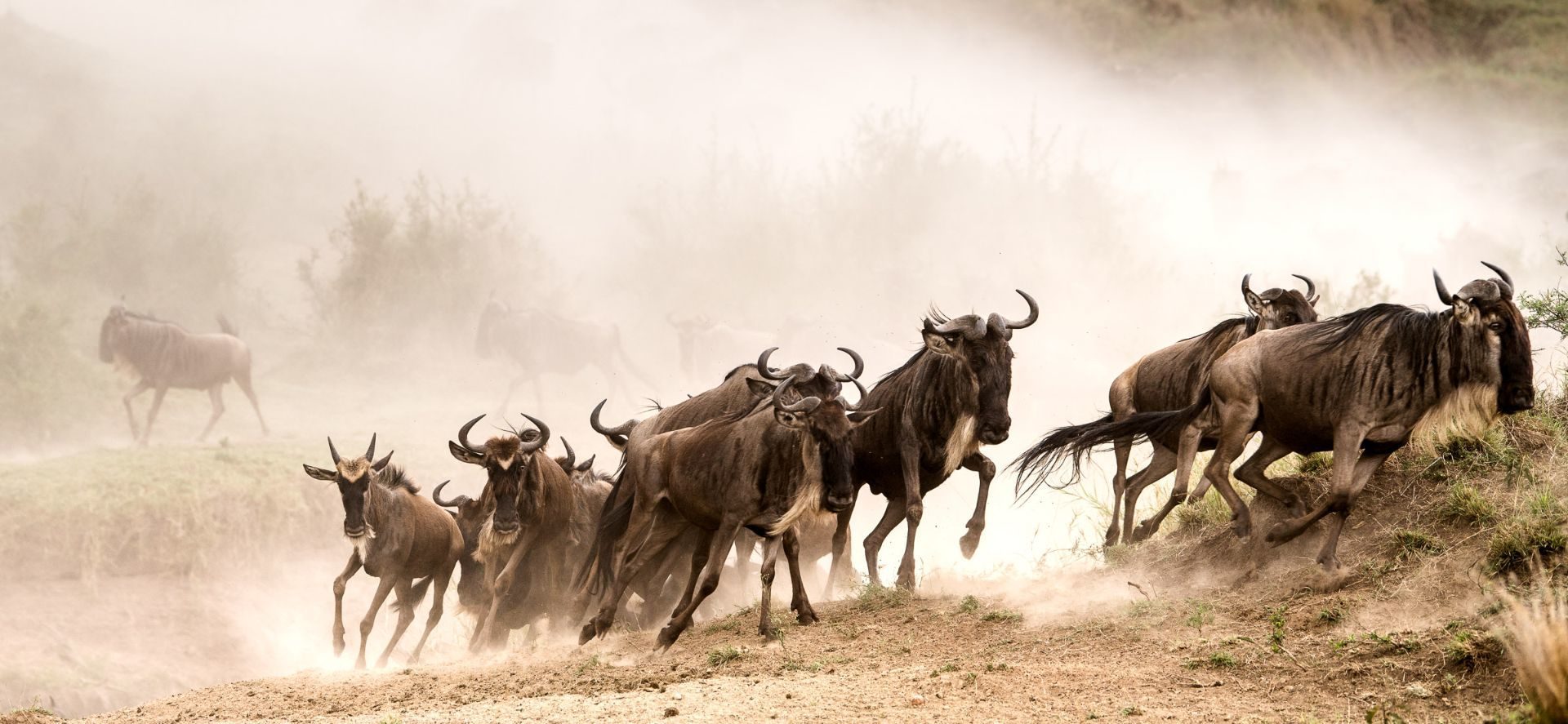
The Role of Kenya in the Great Migration
While the migration spans both Tanzania and Kenya, wildebeest migration Kenya represents its most dramatic and widely celebrated stage. The Maasai Mara National Reserve and surrounding conservancies offer lush grasslands and reliable water sources that attract the herds between July and October.
What sets wildebeest migration Kenya apart is the terrain and the rivers. The Mara River, in particular, becomes the stage for some of the most iconic wildlife scenes in the world. As the herds attempt to cross its crocodile-infested waters, they face one of the greatest challenges of their journey.
These river crossings are unpredictable, intense, and often emotional to witness. They have become synonymous with wildebeest migration Kenya, symbolizing the raw power of nature and the relentless drive for survival.
When to Experience Wildebeest Migration Kenya
Timing is crucial when planning a safari focused on wildebeest migration Kenya. While nature never follows a strict schedule, the migration typically reaches Kenya between late July and early October. This period corresponds with the dry season in both Tanzania and Kenya, when grazing becomes scarce in the south and more abundant in the Maasai Mara.
August and September are often considered peak months for wildebeest migration Kenya. During this time, large herds are usually present in the Mara, and river crossings are most frequent. However, the exact timing can vary each year depending on rainfall patterns.
It is important to understand that wildebeest migration Kenya is not a single event but a series of movements. Herds may cross the Mara River multiple times, sometimes moving back and forth between Kenya and Tanzania. This unpredictability is part of what makes the experience so thrilling and authentic.
Where to See Wildebeest Migration Kenya
The Maasai Mara National Reserve is the heart of wildebeest migration Kenya. Its vast open plains, rolling hills, and river systems provide ideal conditions for wildlife viewing. Areas along the Mara River are particularly sought after during migration season, as they offer opportunities to witness crossings.
Beyond the main reserve, private conservancies surrounding the Maasai Mara also play an important role in wildebeest migration Kenya. These conservancies often host significant numbers of migrating animals while offering a more exclusive safari experience with fewer vehicles.
The advantage of including conservancies in a wildebeest migration Kenya itinerary is flexibility. Many conservancies allow off-road driving, night safaris, and walking safaris, providing deeper engagement with the ecosystem while still benefiting from the presence of the migration.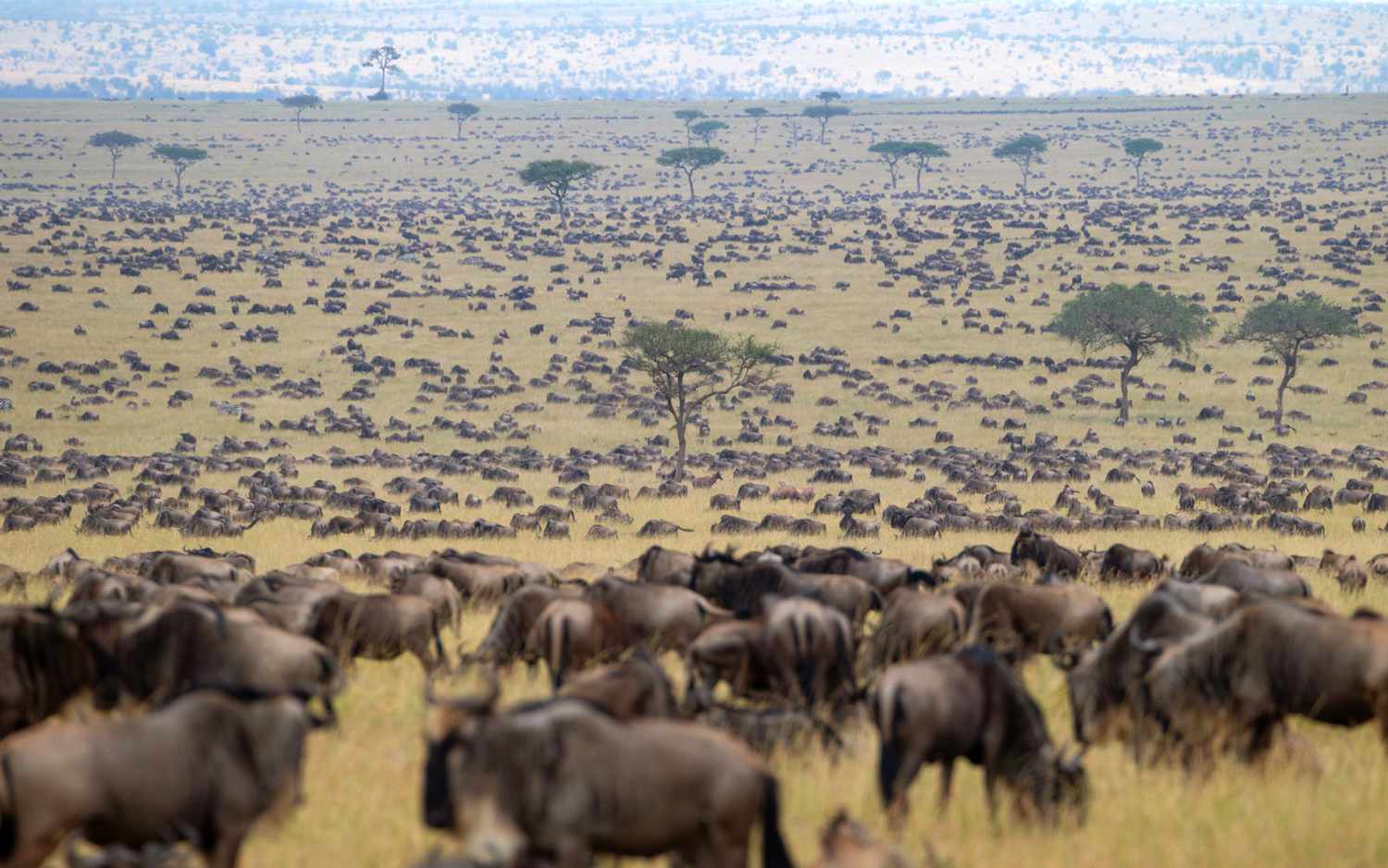
The Drama of the Mara River Crossings
No aspect of wildebeest migration Kenya is more iconic than the Mara River crossings. These crossings are moments of chaos, courage, and tragedy, as thousands of animals gather at the riverbanks, hesitant to leap into the unknown.
When the crossing finally begins, the scene unfolds with astonishing intensity. Wildebeest plunge into fast-moving waters, battling strong currents and lurking crocodiles. Some make it across safely, while others succumb to exhaustion or predation. For predators, these crossings represent opportunity; for the herds, they are a necessary risk.
From a safari perspective, witnessing a river crossing during wildebeest migration Kenya is unforgettable. However, patience is essential. Crossings can occur at any time of day and may not happen for several days, even when large herds are present. The reward, when it comes, is one of the most powerful wildlife moments imaginable.
Wildlife Beyond Wildebeest Migration Kenya
While wildebeest are the stars, wildebeest migration Kenya is also about the incredible diversity of wildlife that follows or benefits from the movement. Zebras often lead the herds, using their superior memory to locate fresh grazing. Gazelles trail behind, feeding on the shorter grasses left behind.
Predators thrive during migration season. Lions in the Maasai Mara are particularly active, often hunting wildebeest at night or ambushing them near riverbanks. Cheetahs take advantage of open plains to chase young or weakened individuals, while hyenas scavenge and hunt opportunistically.
Birdlife also flourishes during wildebeest migration Kenya. Vultures, eagles, and storks gather in large numbers, drawn by the abundance of food. This makes the migration season one of the best times for birdwatching in Kenya as well.
Wildebeest Migration Kenya and Safari Experiences
Wildebeest migration Kenya offers a range of safari experiences tailored to different interests. Classic game drives remain the most popular way to witness the migration, with early morning and late afternoon outings providing the best light and animal activity.
For those seeking a unique perspective, hot air balloon safaris over the Maasai Mara offer breathtaking views of the herds stretching across the plains. From the air, the scale of wildebeest migration Kenya becomes truly apparent, revealing patterns and movements invisible from the ground.
Photography-focused safaris are especially popular during migration season. The combination of dramatic action, dust-filled skies, golden light, and dense wildlife concentrations creates ideal conditions for capturing iconic images.
The Best Time of Day for Wildebeest Migration Kenya Viewing
Light and animal behavior play a major role in the quality of a wildebeest migration Kenya experience. Early mornings often bring cooler temperatures and active predators, increasing the chances of witnessing hunts. The soft light at sunrise enhances the visual impact of the landscape and wildlife.
Late afternoons are equally rewarding, as herds move toward water sources and predators prepare for evening hunts. River crossings can occur at any time, but many happen during daylight hours, often in the late morning or early afternoon.
Understanding these rhythms helps travelers and guides maximize opportunities during wildebeest migration Kenya safaris.
Conservation and Wildebeest Migration Kenya
Wildebeest migration Kenya is a conservation success story, but it is also fragile. The migration depends on open landscapes, healthy grasslands, and free movement across borders. Threats such as habitat fragmentation, fencing, agriculture, and climate change pose serious risks.
Kenya has made significant efforts to protect the Maasai Mara ecosystem through national parks, conservancies, and community-based conservation initiatives. Tourism revenue from wildebeest migration Kenya plays a crucial role in funding anti-poaching patrols, habitat protection, and community development.
Responsible travel is essential to the future of the migration. Choosing ethical safari operators, respecting wildlife viewing guidelines, and supporting community conservation efforts all contribute to preserving wildebeest migration Kenya for generations to come.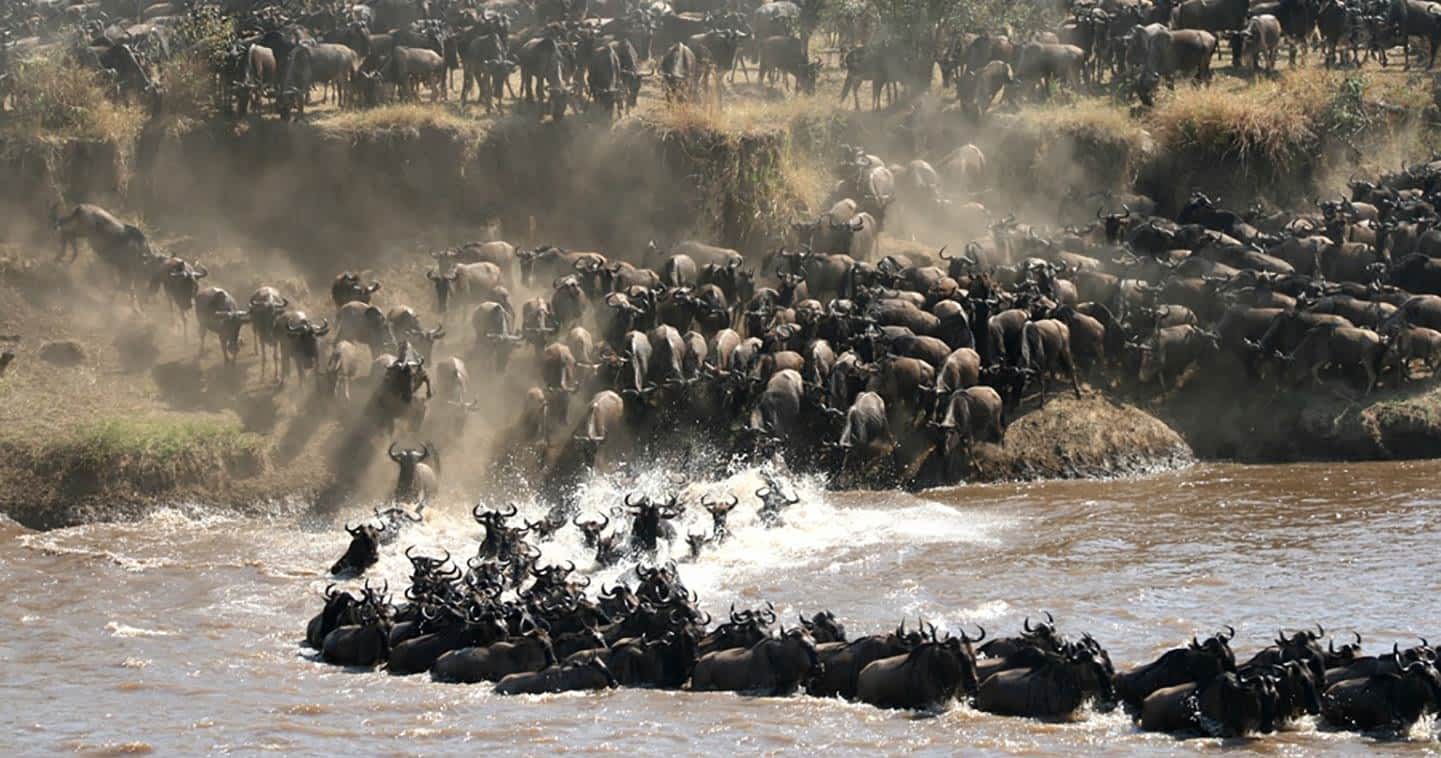
Wildebeest Migration Kenya and Local Communities
The relationship between wildebeest migration Kenya and local communities is deeply interconnected. The Maasai people, in particular, have coexisted with wildlife for centuries, practicing pastoralism that allows animals to move freely across the land.
Many community conservancies now partner with tourism operators, ensuring that revenue from wildebeest migration Kenya directly benefits local people. These benefits include employment, education, healthcare, and infrastructure development.
By supporting community-led conservation, travelers help create incentives for wildlife protection, ensuring that the migration remains a source of pride and prosperity rather than conflict.
Planning a Wildebeest Migration Kenya Safari
Planning a successful wildebeest migration Kenya safari requires careful consideration of timing, location, and accommodation. Due to high demand during peak migration months, early booking is essential, especially for lodges near the Mara River.
Choosing the right guide is equally important. Experienced guides understand herd behavior, river crossing patterns, and predator movements, greatly enhancing the safari experience.
A well-planned wildebeest migration Kenya itinerary balances time spent near the migration with exploration of other areas of the Maasai Mara, ensuring a diverse and rewarding journey.
The Emotional Impact of Wildebeest Migration Kenya
Witnessing wildebeest migration Kenya is a deeply emotional experience. The scale of the herds, the sounds of hooves and calls, and the intensity of survival moments create a powerful connection to nature.
Many travelers describe a sense of humility when confronted with such raw natural processes. The migration is a reminder of life’s fragility and resilience, offering perspective that extends far beyond the safari itself.
For photographers, conservationists, and first-time safari-goers alike, wildebeest migration Kenya often becomes a defining life experience.
The Future of Wildebeest Migration Kenya
The future of wildebeest migration Kenya depends on continued conservation, responsible tourism, and cross-border cooperation between Kenya and Tanzania. Climate change poses new challenges, altering rainfall patterns and affecting grazing cycles.
However, there is hope. Increased global awareness, strong conservation frameworks, and community involvement are helping safeguard this natural wonder. By valuing and protecting wildebeest migration Kenya, humanity preserves not only a wildlife spectacle but a vital ecological process.
Final Thoughts on Wildebeest Migration Kenya
Wildebeest migration Kenya stands as one of nature’s greatest achievements, a living testament to the power of instinct, adaptation, and interconnected ecosystems. It is more than a safari attraction; it is a symbol of Africa’s wild heart.
Experiencing wildebeest migration Kenya offers insight into the delicate balance of life on the savannah and humanity’s role in protecting it. For those seeking an authentic, awe-inspiring wildlife journey, few experiences compare to standing on the plains of the Maasai Mara as millions of wildebeest move as one.
Wildebeest migration Kenya is not just something to see; it is something to feel, remember, and protect.