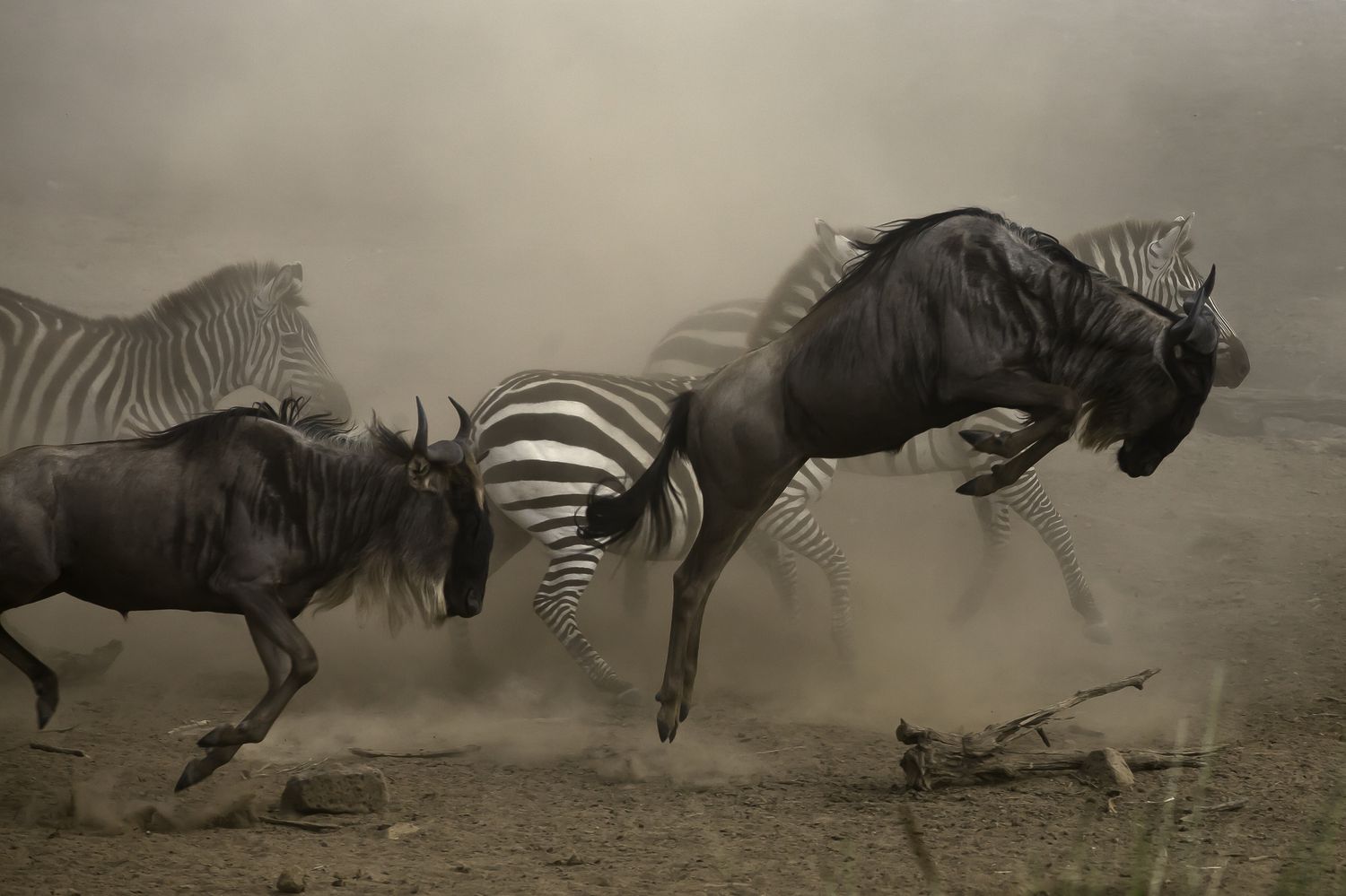
Wildebeest Migration Time
The wildebeest migration time is one of the most searched and discussed topics in African wildlife travel, conservation, and nature documentaries, and for good reason. Every year, more than 1.5 million wildebeest, joined by hundreds of thousands of zebras and gazelles, embark on an endless circular journey across Tanzania and Kenya. This migration is not confined to a single month or season. Instead, wildebeest migration time is a year-round natural process, shaped by rainfall patterns, grass growth, and deeply ingrained survival instincts that have evolved over thousands of years.
Understanding wildebeest migration time is essential for travelers planning safaris, photographers chasing iconic moments, and wildlife enthusiasts seeking to appreciate the ecological brilliance of the Serengeti–Mara ecosystem. Unlike other wildlife events that happen at fixed times, the wildebeest migration is fluid and dynamic, offering different experiences throughout the year. Each phase holds its own drama, beauty, and ecological importance, making the concept of “migration time” far richer than a single date on the calendar.
Understanding Wildebeest Migration Time
Wildebeest migration time refers to the continuous annual movement of wildebeest herds across the Serengeti in Tanzania and the Maasai Mara in Kenya. Rather than migrating once and stopping, wildebeest are almost always on the move, following the rains that stimulate the growth of fresh, nutrient-rich grass. Their survival depends entirely on timing, as arriving too early or too late to grazing grounds can mean starvation or increased predation.
This migration has no leader and no predetermined route. Instead, it is driven by instinct and environmental cues. Wildebeest can sense distant rainfall and respond collectively, creating one of the largest and most synchronized animal movements on Earth. Understanding wildebeest migration time means understanding how nature itself sets the schedule.
Why Wildebeest Migration Time Changes Every Year
One of the most important aspects of wildebeest migration time is its variability. While the overall pattern remains consistent, exact timing shifts slightly each year due to changes in rainfall. East Africa’s climate does not follow rigid seasons, and rainfall can arrive early, late, or unevenly across regions.
When rains come early, wildebeest may linger longer in certain areas. When droughts persist, they may move sooner or take alternative routes. This adaptability is one of the reasons the migration has survived for millennia. It also means that wildebeest migration time should be understood as a seasonal window rather than fixed dates.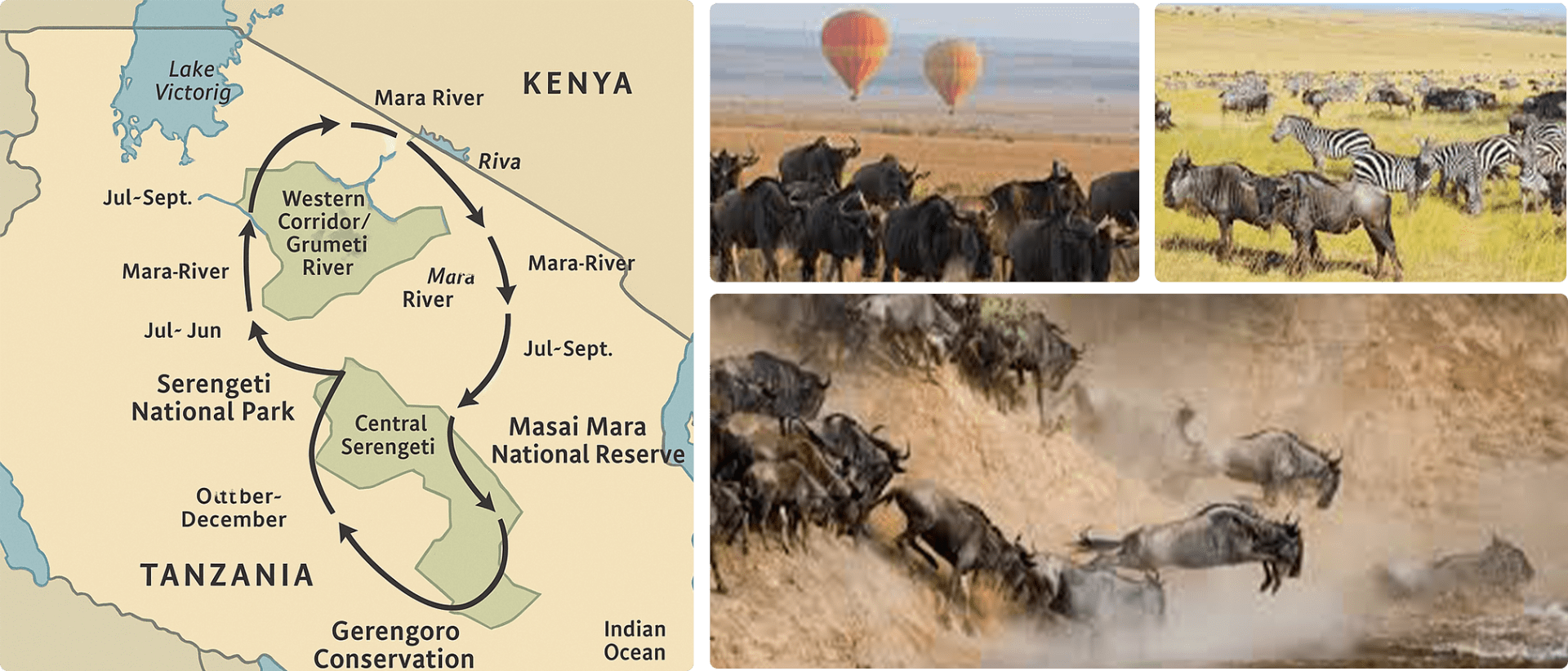
The Annual Cycle of Wildebeest Migration Time
Wildebeest migration time can be broken into several key phases throughout the year, each defined by location, weather patterns, and animal behavior. Together, these phases form a continuous loop that sustains one of the world’s most intact ecosystems.
Wildebeest Migration Time in January to March
The year begins with one of the most important stages of wildebeest migration time: the calving season. From January to March, the herds gather on the short-grass plains of the southern Serengeti and Ndutu region in Tanzania. These plains are rich in minerals due to volcanic soils, providing ideal nutrition for pregnant females and newborn calves.
During this period, over 400,000 calves are born within a few weeks. This synchronized birth is a survival strategy, overwhelming predators with sheer numbers. For wildlife observers, this is one of the most intense times of the migration, as predator activity increases dramatically. Lions, cheetahs, leopards, and hyenas take advantage of vulnerable newborns, creating powerful scenes that highlight the raw reality of nature.
Wildebeest Migration Time in April and May
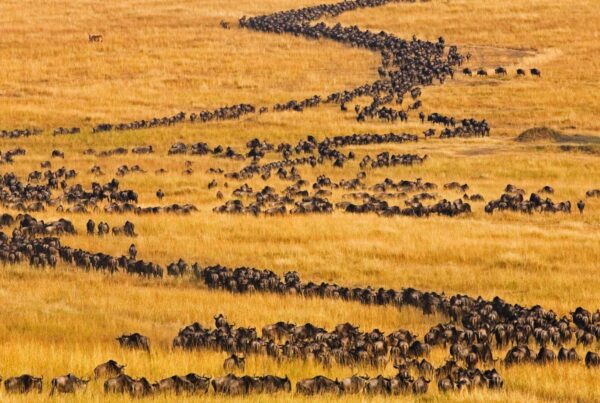
As the long rains taper off and grass in the south begins to diminish, wildebeest migration time enters a phase of movement and transition. In April and May, the herds begin moving northwest toward the central Serengeti. This period is characterized by long columns of wildebeest stretching across the plains, often accompanied by zebras that help locate water sources.
This phase is less about dramatic events and more about endurance. The herds cover vast distances, grazing as they go. For photographers and travelers seeking fewer crowds and lush green landscapes, this stage of wildebeest migration time offers a quieter but deeply atmospheric experience.
Wildebeest Migration Time in June
June marks the approach of one of the first major challenges of the year during wildebeest migration time: the western Serengeti and the Grumeti River. As the herds reach this region, they must navigate river crossings filled with strong currents and large Nile crocodiles.
Grumeti River crossings are unpredictable and can happen suddenly or after days of waiting. While not as famous as the Mara River crossings, they are equally dramatic and often less crowded. This stage represents a critical test of strength and survival as the herds push onward in search of greener pastures.
Wildebeest Migration Time from July to September
For many people, this is the most iconic period of wildebeest migration time. From July to September, the herds move into the northern Serengeti and cross into Kenya’s Maasai Mara. This phase coincides with the dry season, when grazing becomes scarce in the south and abundant in the north.
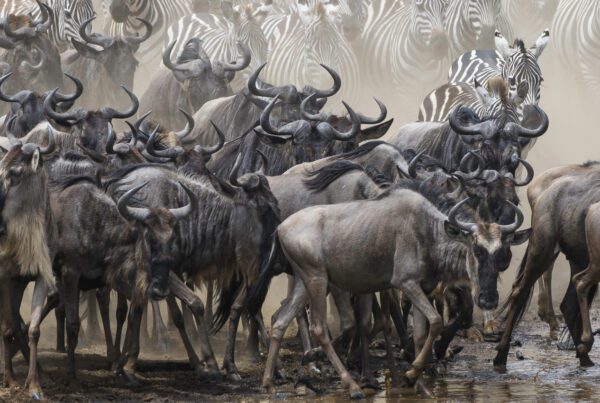
The Mara River crossings define this stage of the migration. Thousands of wildebeest gather at steep riverbanks, hesitating before plunging into crocodile-infested waters. The crossings are chaotic, emotional, and unpredictable, often resulting in dramatic losses and triumphant survival. This is the time most commonly associated with the Great Wildebeest Migration and attracts visitors from around the world.
Wildebeest Migration Time in October
October represents a transition period in wildebeest migration time. As short rains begin to fall in Tanzania, the herds gradually start moving southward. While large concentrations of animals may still be found in the Maasai Mara early in the month, movement becomes more fluid and dispersed.
This phase offers excellent wildlife viewing with fewer crowds. Dramatic skies, dust-filled plains, and lingering predator activity make October an underrated but rewarding time to experience the migration.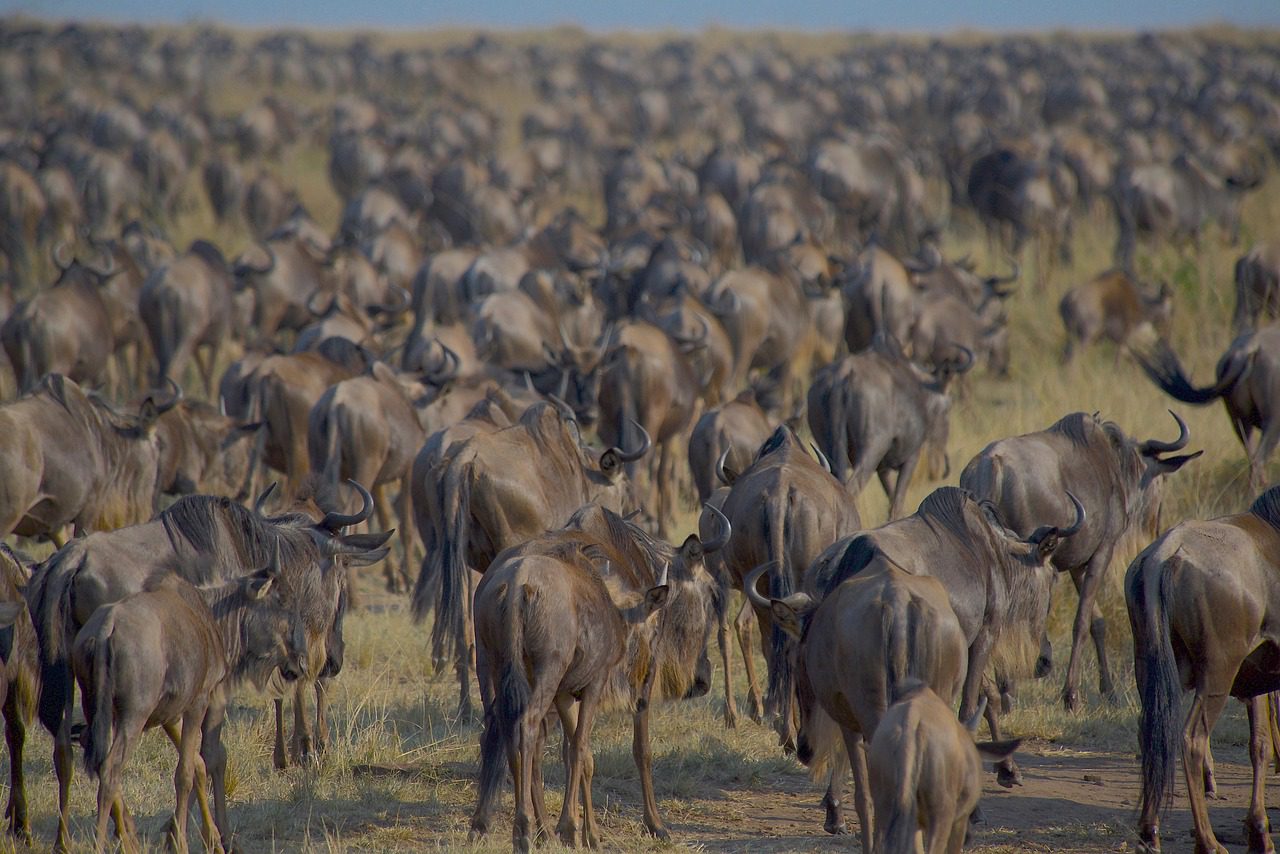
Wildebeest Migration Time in November and December
By November and December, wildebeest migration time comes full circle as the herds return to the southern Serengeti. Fresh rains rejuvenate the grasslands, drawing the animals back to the calving grounds where the cycle will begin again.
This return journey is essential for ecosystem balance. Grazed areas in the north recover, while the southern plains prepare to host the next generation. This phase emphasizes renewal, continuity, and the enduring rhythm of the migration.
Predators and Wildebeest Migration Time
Predator behavior is closely linked to wildebeest migration time. Lions, cheetahs, and hyenas adjust their movements, breeding cycles, and hunting strategies to align with the presence of the herds. Crocodiles time their feeding opportunities around river crossings, while scavengers such as vultures and jackals rely on migration-related carcasses.
This synchronization highlights the migration’s role as a keystone ecological process. Without the predictable timing of wildebeest migration, predator populations would decline, and the ecosystem would lose its balance.
Ecological Importance of Wildebeest Migration Time
Wildebeest migration time is not only about animal movement but also about landscape health. As millions of hooves traverse the plains, grasses are grazed, trampled, and fertilized. This prevents overgrowth, encourages new shoots, and maintains the open savannahs that define the Serengeti–Mara ecosystem.
Nutrients deposited through dung and carcasses enrich soils and rivers, supporting insects, fish, birds, and smaller mammals. The timing of the migration ensures that no single area is overused, allowing ecosystems to recover naturally.
Cultural Significance of Migration Timing
For local communities, particularly the Maasai, wildebeest migration time has long influenced seasonal activities, grazing patterns, and cultural traditions. Indigenous knowledge systems developed over generations recognize the rhythms of wildlife movement and adapt human activity accordingly.
Today, community conservancies protect critical migration corridors while benefiting economically from tourism linked to migration timing. This relationship between people and wildlife underscores the importance of preserving not just animals, but the natural schedules that sustain them.
Best Time to Visit Based on Wildebeest Migration Time
The best time to visit depends entirely on which phase of wildebeest migration time travelers wish to experience. Calving season appeals to those interested in newborn wildlife and predator interactions. River crossing season attracts those seeking dramatic, iconic moments. Transitional periods offer solitude, lush scenery, and unique photographic opportunities.
Because the migration is present year-round, understanding wildebeest migration time allows visitors to plan more meaningful and well-timed safari experiences rather than focusing on a single “best month.”
Climate Change and Future Migration Timing
Climate change is increasingly influencing wildebeest migration time. Shifts in rainfall patterns, prolonged droughts, and unpredictable weather events can alter movement schedules. While wildebeest are highly adaptable, continued environmental pressure could disrupt traditional routes and timing.
Scientists closely monitor vegetation growth, rainfall data, and herd movements to understand how migration timing may evolve. Protecting large, connected landscapes remains essential to allowing wildebeest the flexibility they need to adapt.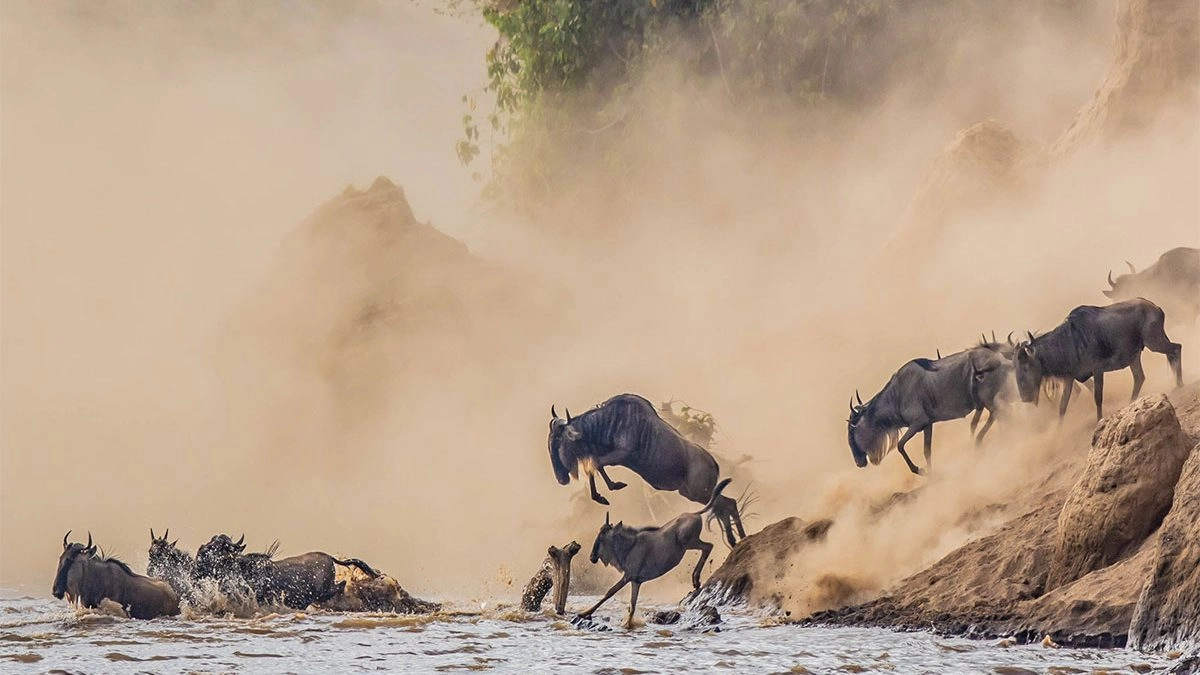
Conservation and Protecting Migration Timing
Preserving wildebeest migration time requires more than protecting animals. It requires safeguarding open corridors, managing land use, and preventing habitat fragmentation caused by fencing, agriculture, and infrastructure development.
Cross-border cooperation between Tanzania and Kenya plays a vital role in ensuring that migration timing remains uninterrupted. Sustainable tourism, community engagement, and strong conservation policies are key to protecting this ancient natural schedule.
Why Wildebeest Migration Time Matters
Wildebeest migration time matters because it represents one of the last remaining large-scale natural rhythms on Earth. In a world increasingly defined by human schedules, this migration operates on nature’s terms alone. It demonstrates resilience, adaptability, and the profound interconnectedness of life.
Understanding and respecting wildebeest migration time fosters deeper appreciation for ecosystems and reinforces the importance of conservation on a global scale.
The Endless Rhythm of Wildebeest Migration Time
Wildebeest migration time is not a single moment, but an ongoing story written across the plains of East Africa. From the first newborn calves in the southern Serengeti to the perilous river crossings in the north, each phase plays a vital role in sustaining one of the world’s greatest wildlife spectacles.
By understanding the timing, drivers, and significance of this migration, travelers and conservationists alike can engage more responsibly with nature. Wildebeest migration time is a reminder that some of the most extraordinary events on Earth do not follow human calendars, but the timeless rhythms of the natural world.