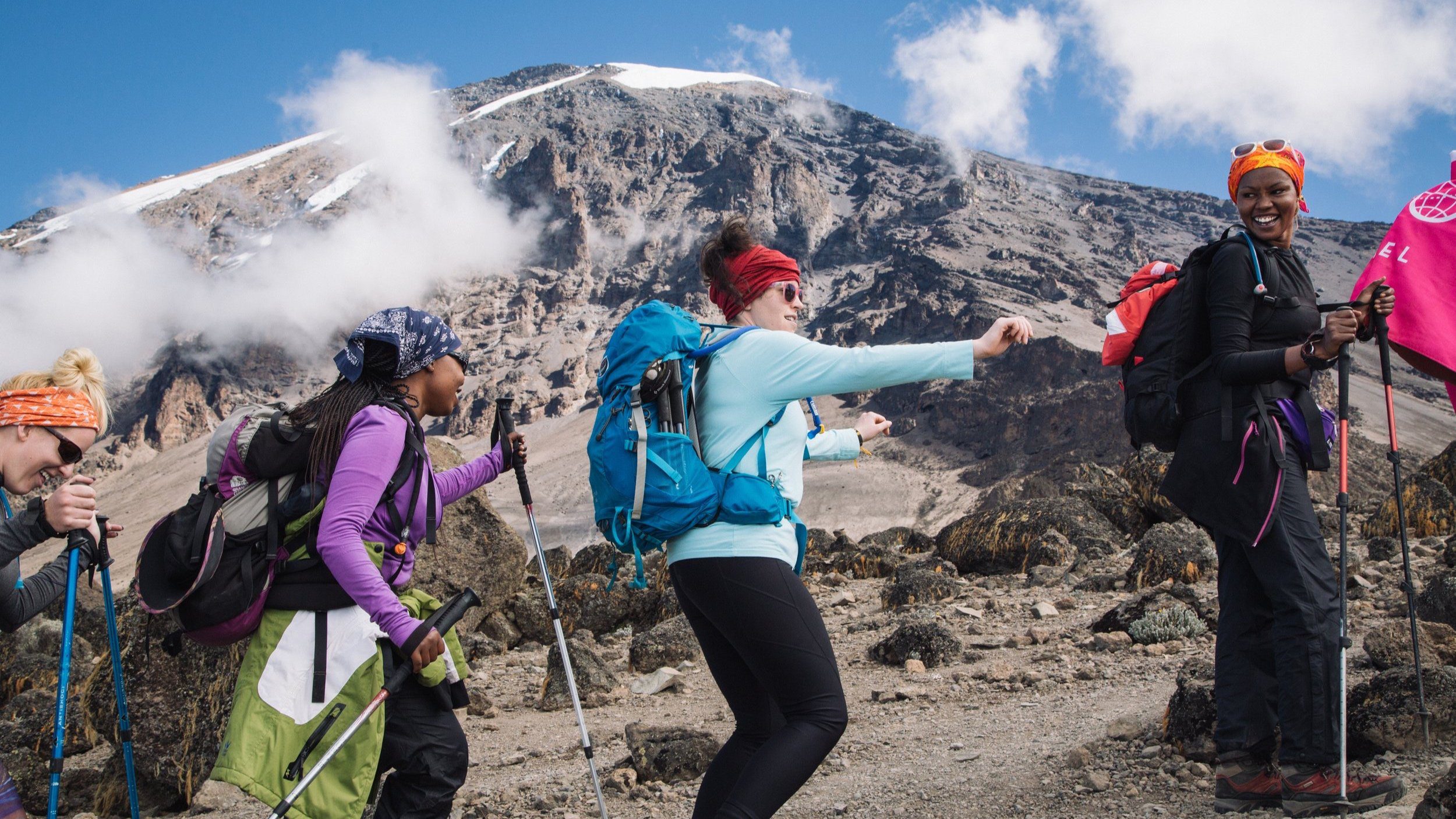
Worst Time for Climbing Kilimanjaro
Understanding the worst time for climbing Kilimanjaro is just as important as knowing the best season. While Mount Kilimanjaro can technically be climbed year-round, not all months offer the same level of safety, comfort, visibility, or summit success. Choosing the wrong time to climb can significantly increase physical difficulty, reduce enjoyment, and in some cases lower the chances of reaching Uhuru Peak.
This comprehensive guide explores the worst time for climbing Kilimanjaro in depth, examining weather patterns, rainfall cycles, trail conditions, visibility challenges, health risks, and overall trekking experience. The goal is to provide a clear, realistic, and experience-based understanding of when Kilimanjaro is at its most challenging, helping climbers make informed decisions and avoid unnecessary hardship.
Introduction to the Worst Time for Climbing Kilimanjaro
The worst time for climbing Kilimanjaro is not defined by extreme cold or technical difficulty, but primarily by weather instability and excessive rainfall. Kilimanjaro’s location near the equator means temperatures remain relatively consistent throughout the year, but rainfall patterns fluctuate significantly. These fluctuations directly affect trail safety, comfort, visibility, and acclimatization efficiency.
While experienced climbers can manage challenging conditions, most trekkers seek a balance between safety, scenery, and summit success. Understanding when conditions deteriorate allows climbers to plan wisely and avoid periods that place unnecessary strain on both body and morale.
Why Timing Matters on Mount Kilimanjaro
To fully understand the worst time for climbing Kilimanjaro, it is essential to recognize how timing influences the entire trekking experience. Kilimanjaro is a non-technical climb, but it is physically demanding due to altitude, long hiking days, and changing environmental zones. Weather plays a critical role in either supporting or undermining these efforts.
Rain affects trail traction, increases fatigue, soaks gear, and reduces visibility. Persistent cloud cover limits scenic rewards, while humidity at lower elevations makes hiking more exhausting. These factors compound over multiple days, making poor timing one of the most common contributors to unsuccessful climbs.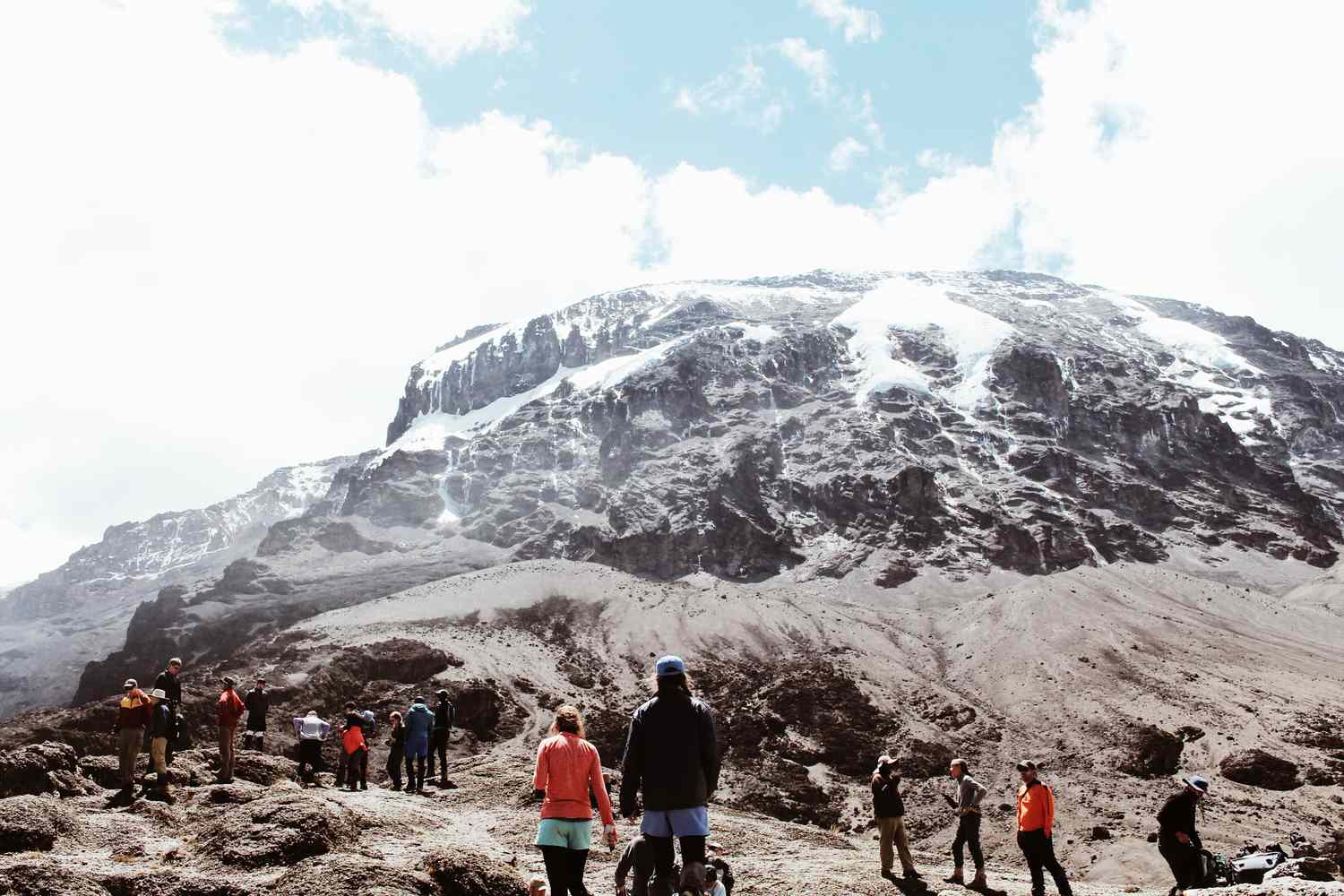
April and May: The Absolute Worst Time for Climbing Kilimanjaro
April and May are widely regarded as the worst time for climbing Kilimanjaro. This period corresponds to Tanzania’s long rainy season, during which the mountain experiences frequent, prolonged rainfall, especially at lower and mid elevations.
During these months, trails become muddy, slippery, and heavily eroded. Rainfall is often consistent rather than intermittent, meaning climbers may hike for hours in wet conditions. Humidity levels rise in the rainforest and heath zones, making breathing and temperature regulation more difficult.
Cloud cover is persistent, significantly reducing visibility and obscuring views that are normally among the highlights of the climb. Snowfall near the summit can also increase during this period, further complicating summit night conditions.
For most climbers, April and May represent the most challenging and least rewarding window, firmly establishing them as the worst time for climbing Kilimanjaro.
Trail Conditions During the Worst Time for Climbing Kilimanjaro
Trail conditions deteriorate significantly during the worst time for climbing Kilimanjaro. Heavy rainfall turns established paths into muddy channels, increasing the risk of slips and falls. Steep sections become particularly challenging, requiring slower pacing and greater energy expenditure.
Porters and guides also face increased difficulty navigating muddy terrain, which can affect overall logistics and camp setup. Wet ground conditions make campsites damp, reducing sleep quality and recovery. Over several days, these factors accumulate, leading to heightened fatigue and discomfort.
While experienced trekking teams can manage these challenges, the physical toll on climbers is noticeably higher during this period.
Visibility and Scenic Limitations
One of the most disappointing aspects of the worst time for climbing Kilimanjaro is the lack of visibility. Kilimanjaro is renowned for its dramatic views across the plains of Tanzania and into Kenya, as well as its striking summit landscapes.
During the long rainy season, thick cloud cover often envelops the mountain, particularly in the afternoons and evenings. Sunrise and sunset views are frequently obscured, and summit views may be limited or completely hidden.
For climbers who value photography, scenery, and the emotional reward of panoramic views, this lack of visibility significantly diminishes the experience.
Impact on Acclimatization and Summit Success
The worst time for climbing Kilimanjaro can also negatively affect acclimatization. While altitude itself does not change by season, environmental stressors such as cold rain, wet clothing, and disrupted sleep place additional strain on the body.
Persistent dampness can lead to heat loss, increasing the risk of hypothermia at higher camps. Poor sleep quality due to wet gear and cold conditions reduces recovery, making it harder for the body to adapt to altitude.
As a result, summit success rates during April and May are generally lower compared to dry-season climbs. Climbers are more likely to turn back due to exhaustion, illness, or reduced morale rather than altitude sickness alone.
Health and Safety Risks During the Worst Time for Climbing Kilimanjaro
Health risks increase during the worst time for climbing Kilimanjaro, particularly due to prolonged exposure to cold and wet conditions. Wet clothing and boots increase the risk of blisters, fungal infections, and foot-related injuries.
Cold rain combined with wind chill at higher elevations raises the risk of hypothermia, especially during rest stops and summit night. While guides are trained to manage these risks, prevention becomes more difficult when conditions remain consistently wet.
Increased moisture also encourages respiratory infections, which can compromise a climber’s ability to continue safely. These compounded risks make the rainy season a less desirable choice for most trekkers.
March and November: Shoulder Periods With Mixed Conditions
While April and May clearly define the worst time for climbing Kilimanjaro, the months surrounding them deserve careful consideration. March and November are transitional periods that may still present challenges.
March often marks the beginning of the long rains. Conditions can be unpredictable, with some climbs experiencing relatively dry weather and others encountering increasing rainfall. As the month progresses, the risk of deteriorating trail conditions rises.
November corresponds to the short rainy season. Rainfall during this period is usually lighter and more sporadic than in April and May, but it can still affect visibility and trail comfort. While November is not always classified as the worst time for climbing Kilimanjaro, it requires flexible expectations.
Crowd Levels During the Worst Time for Climbing Kilimanjaro
One potential advantage of the worst time for climbing Kilimanjaro is reduced crowd levels. Fewer climbers choose to trek during the long rainy season, resulting in quieter trails and camps.
For experienced trekkers who value solitude over comfort, this may be appealing. However, the trade-off is significantly harsher conditions. Reduced crowds do not compensate for safety risks, physical strain, and limited visibility for most climbers.
Route Performance During the Worst Time for Climbing Kilimanjaro
Not all routes perform equally during the worst time for climbing Kilimanjaro. Southern routes such as Machame and Lemosho are more heavily affected by rainfall due to their exposure to prevailing weather patterns.
Northern routes like Rongai receive less rainfall overall and may offer slightly better conditions during wet months. However, even these routes are not immune to the broader impacts of the rainy season, particularly at higher elevations where snow and wind can intensify.
While route selection can mitigate some challenges, it does not eliminate the fundamental difficulties associated with the worst time for climbing Kilimanjaro.
Psychological Impact of Climbing in the Worst Season
Mental resilience plays a significant role during the worst time for climbing Kilimanjaro. Continuous rain, limited views, and physical discomfort can erode motivation, particularly for climbers undertaking their first high-altitude trek.
The emotional high points of the climb, such as scenic vistas and sunrise moments, may be absent or muted. This can affect morale and determination, increasing the likelihood of voluntary withdrawal even when physical capability remains intact.
Climbing Kilimanjaro is as much a psychological journey as a physical one, and unfavorable conditions amplify mental challenges.
Why Some Climbers Still Choose the Worst Time for Climbing Kilimanjaro
Despite its challenges, some climbers intentionally choose the worst time for climbing Kilimanjaro. Reasons may include limited vacation availability, budget considerations, or a desire for solitude.
During the rainy season, some operators offer reduced pricing due to lower demand. Experienced trekkers who are well-prepared, properly equipped, and mentally resilient may still achieve successful summits during this time.
However, these climbs require realistic expectations, high-quality gear, and a strong willingness to endure discomfort in exchange for quieter trails.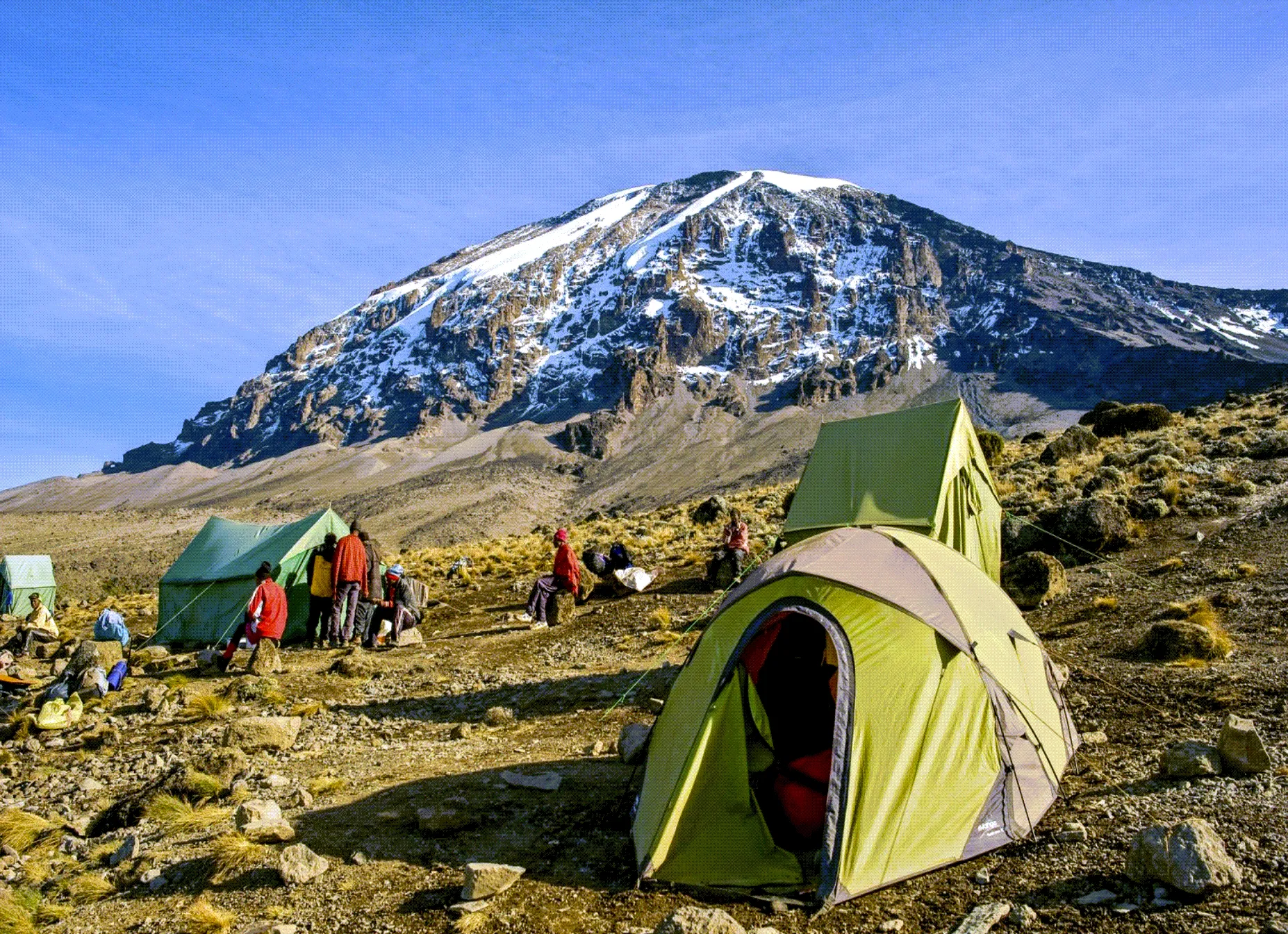
Comparison With the Best Time for Climbing Kilimanjaro
The contrast between the worst time for climbing Kilimanjaro and the best time is significant. Dry seasons offer firm trails, clearer skies, higher success rates, and greater overall enjoyment.
While Kilimanjaro is not technically difficult, environmental conditions play an outsized role in determining experience quality. Choosing to climb during the worst season often adds difficulty without adding meaningful reward.
For most climbers, aligning travel with optimal conditions remains the wisest choice.
Who Should Avoid the Worst Time for Climbing Kilimanjaro
First-time climbers, older trekkers, and those with limited high-altitude experience are strongly advised to avoid the worst time for climbing Kilimanjaro. The added stress of wet, cold, and muddy conditions increases risk and reduces margin for error.
Climbers with limited fitness preparation or those seeking a scenic, inspirational experience are also better served by dry-season climbs. Kilimanjaro is challenging enough under ideal conditions, making poor timing an unnecessary obstacle.
How to Minimize Risk If Climbing During the Worst Time
For those who must climb during the worst time for climbing Kilimanjaro, careful planning is essential. Selecting a longer route improves acclimatization, while investing in high-quality waterproof gear is critical.
Choosing experienced operators with strong safety protocols and contingency planning is non-negotiable. Climbers should be prepared for flexible itineraries and potential delays caused by weather.
Even with these measures, expectations should remain conservative, focusing on safety rather than summit success.
Final Verdict on the Worst Time for Climbing Kilimanjaro
The worst time for climbing Kilimanjaro is clearly defined by the long rainy season of April and May. During this period, heavy rainfall, poor trail conditions, reduced visibility, and increased health risks combine to create the most challenging climbing environment of the year.
While Kilimanjaro can technically be climbed year-round, choosing the worst time adds difficulty without proportionate reward for most trekkers. Dry seasons consistently offer safer conditions, better scenery, and higher summit success rates.
For climbers seeking the best possible experience on Africa’s highest mountain, avoiding the worst time for climbing Kilimanjaro is a crucial part of responsible and rewarding trip planning. By aligning timing with favorable conditions, climbers maximize not only their chances of reaching the summit, but also the overall quality and meaning of the journey itself.